Sold


“A totally complete, stonkingly powerful, three-dimensional city, wrapped around a sumptuous landscape of green squares and lakes” - Piers Gough
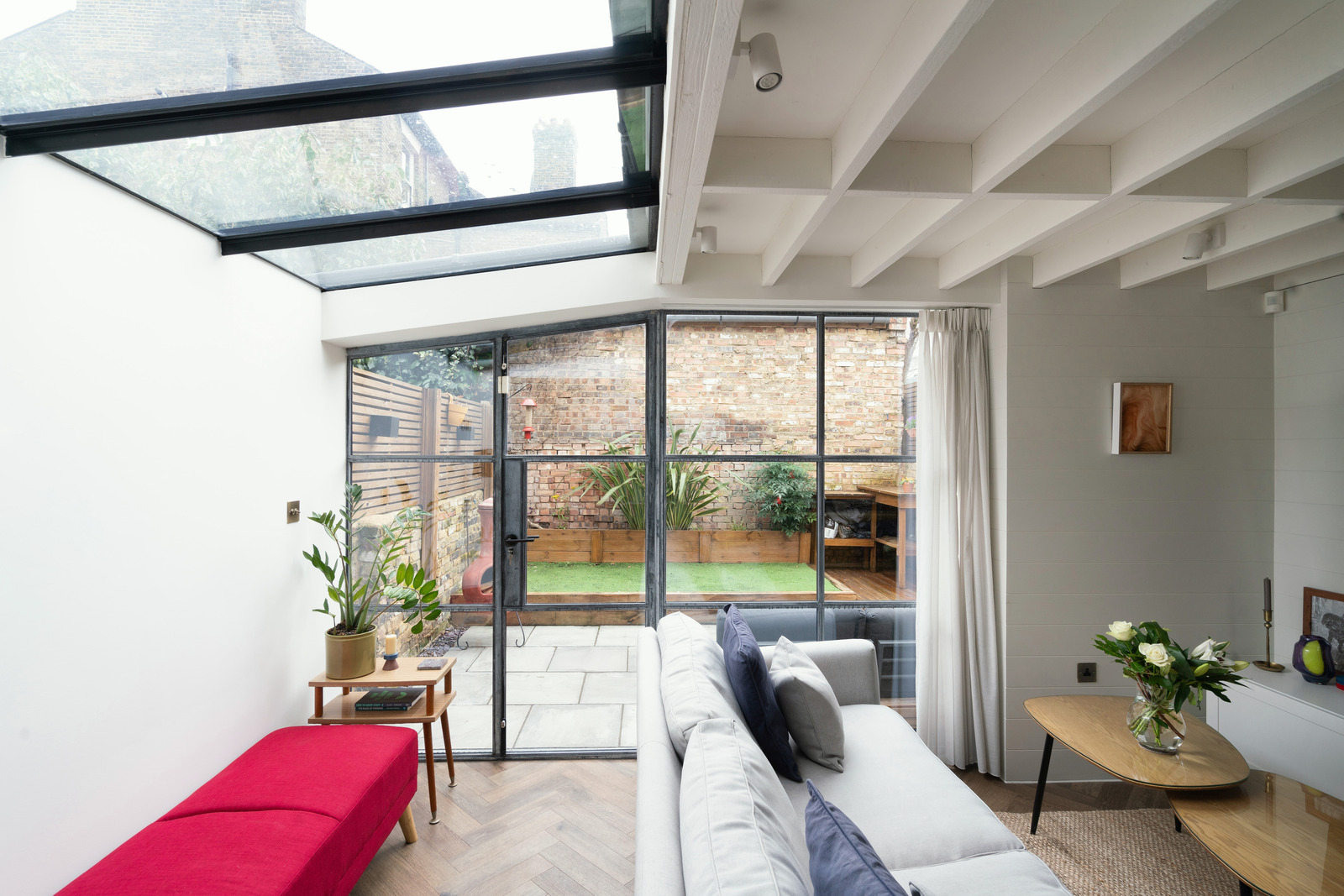
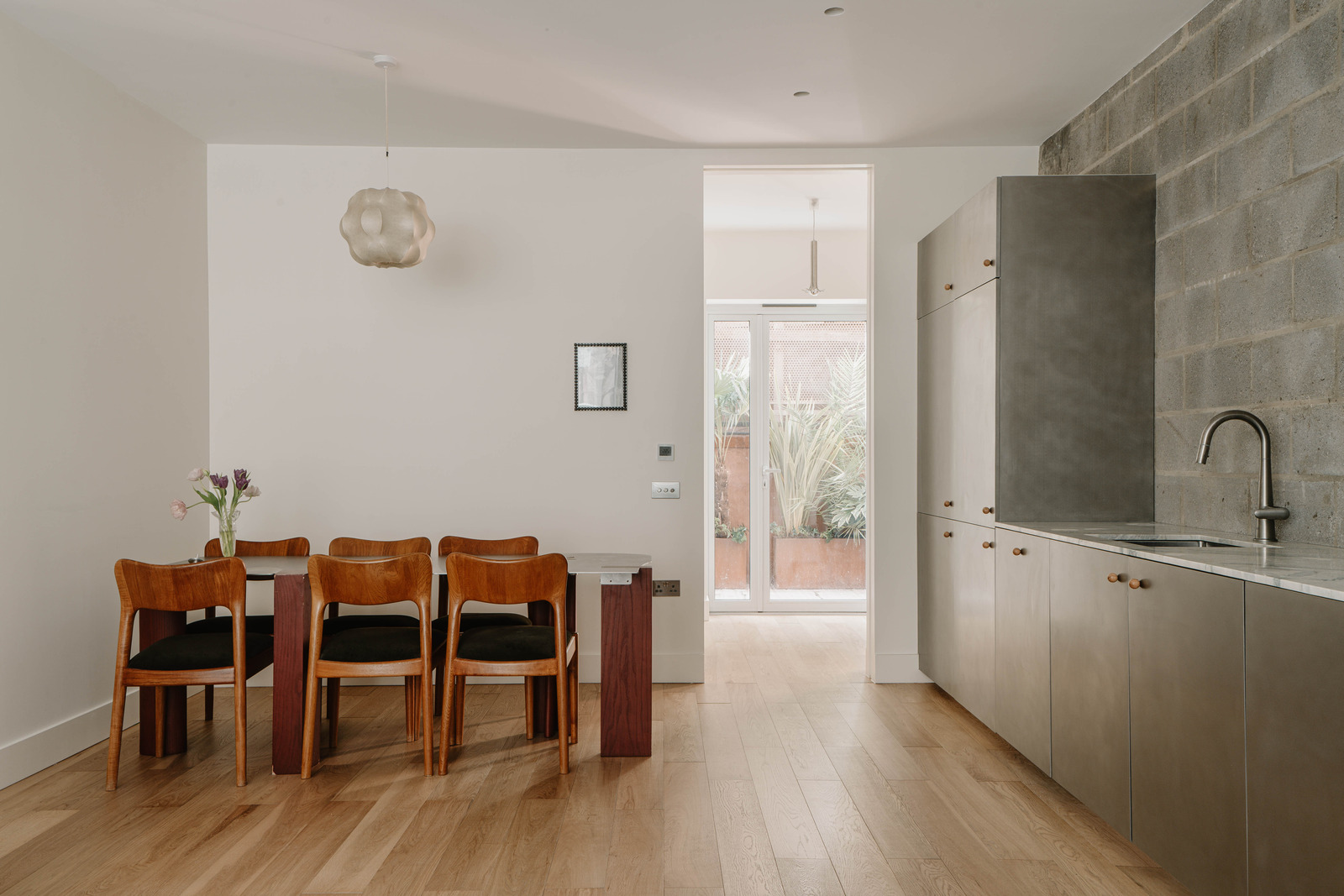
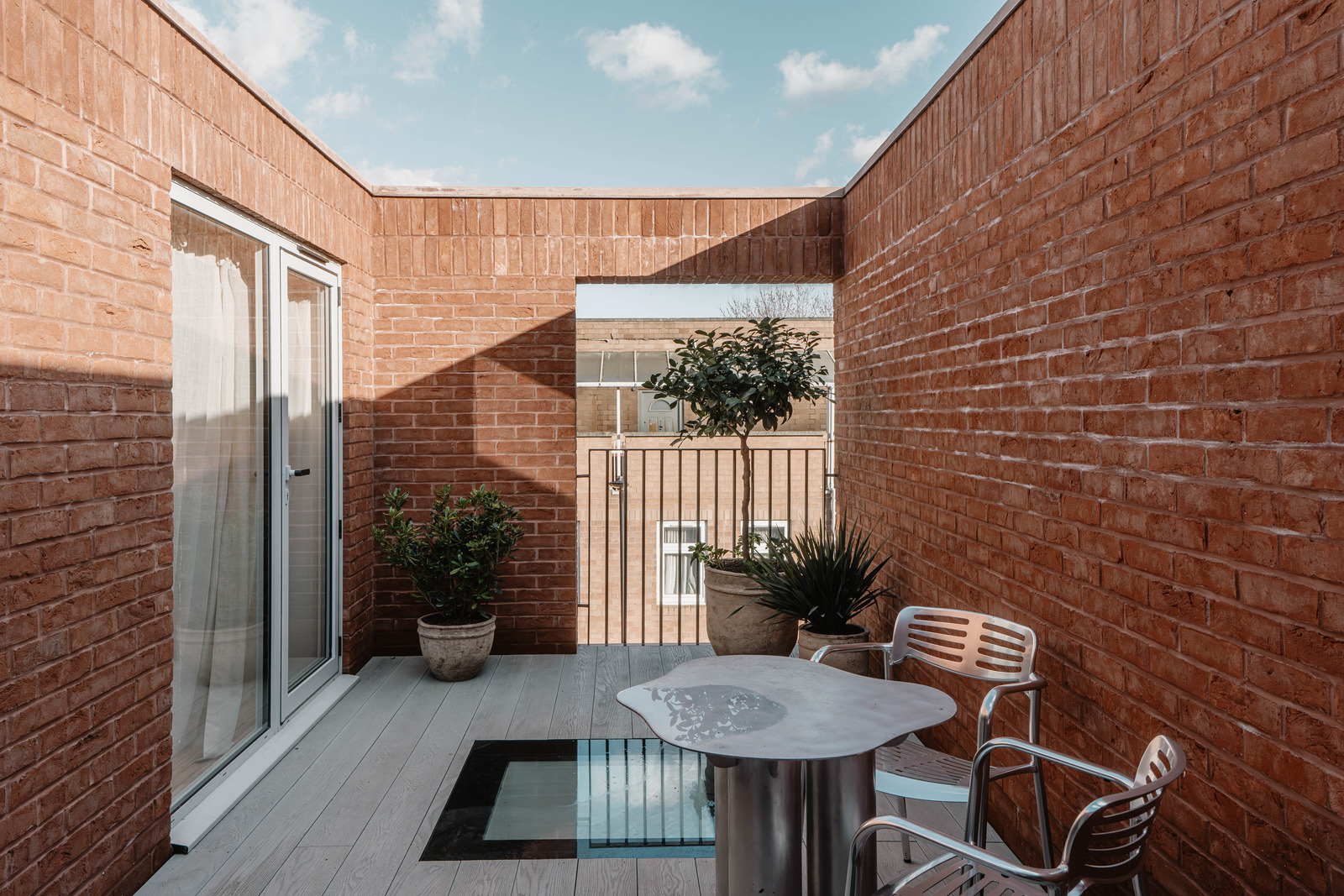
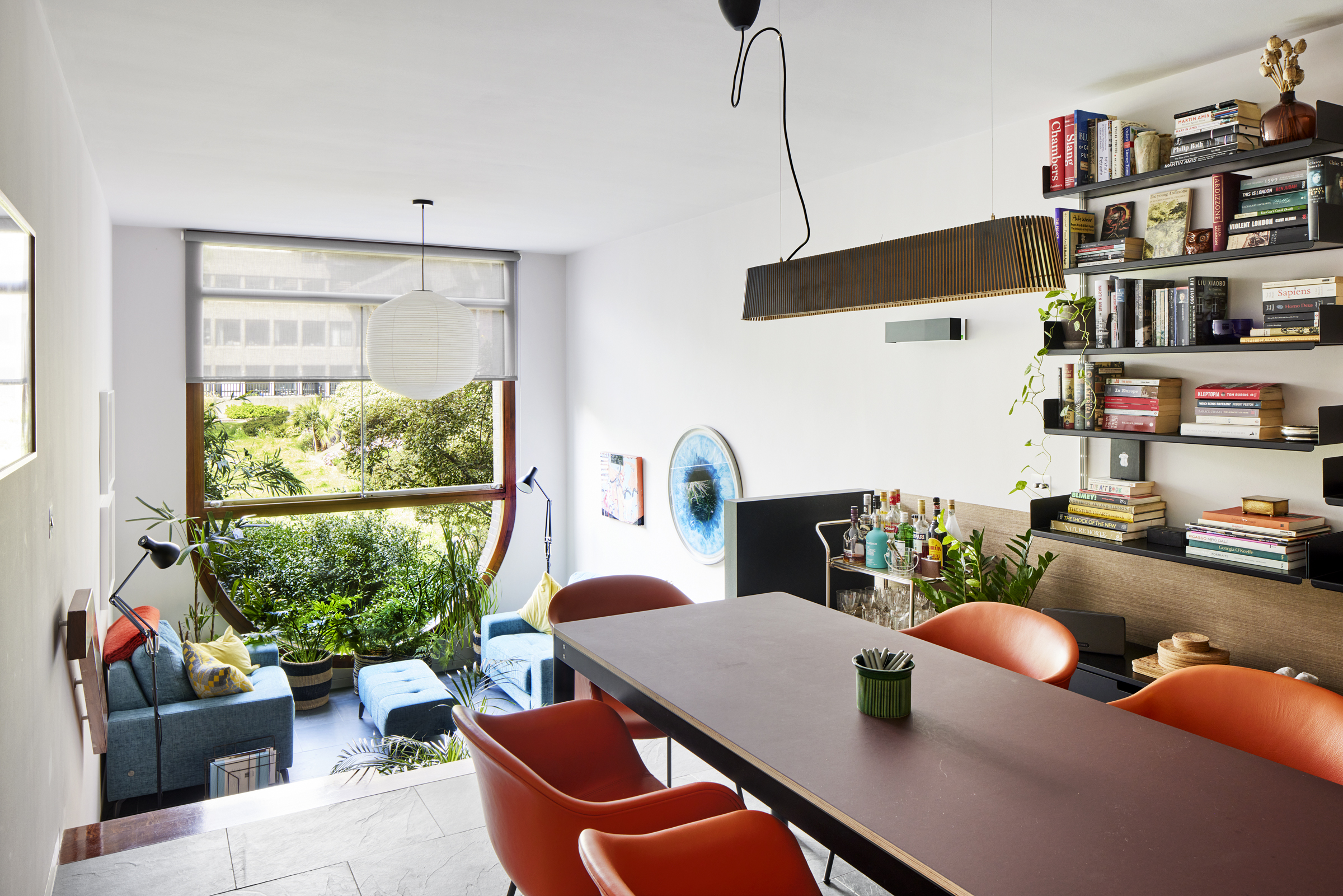
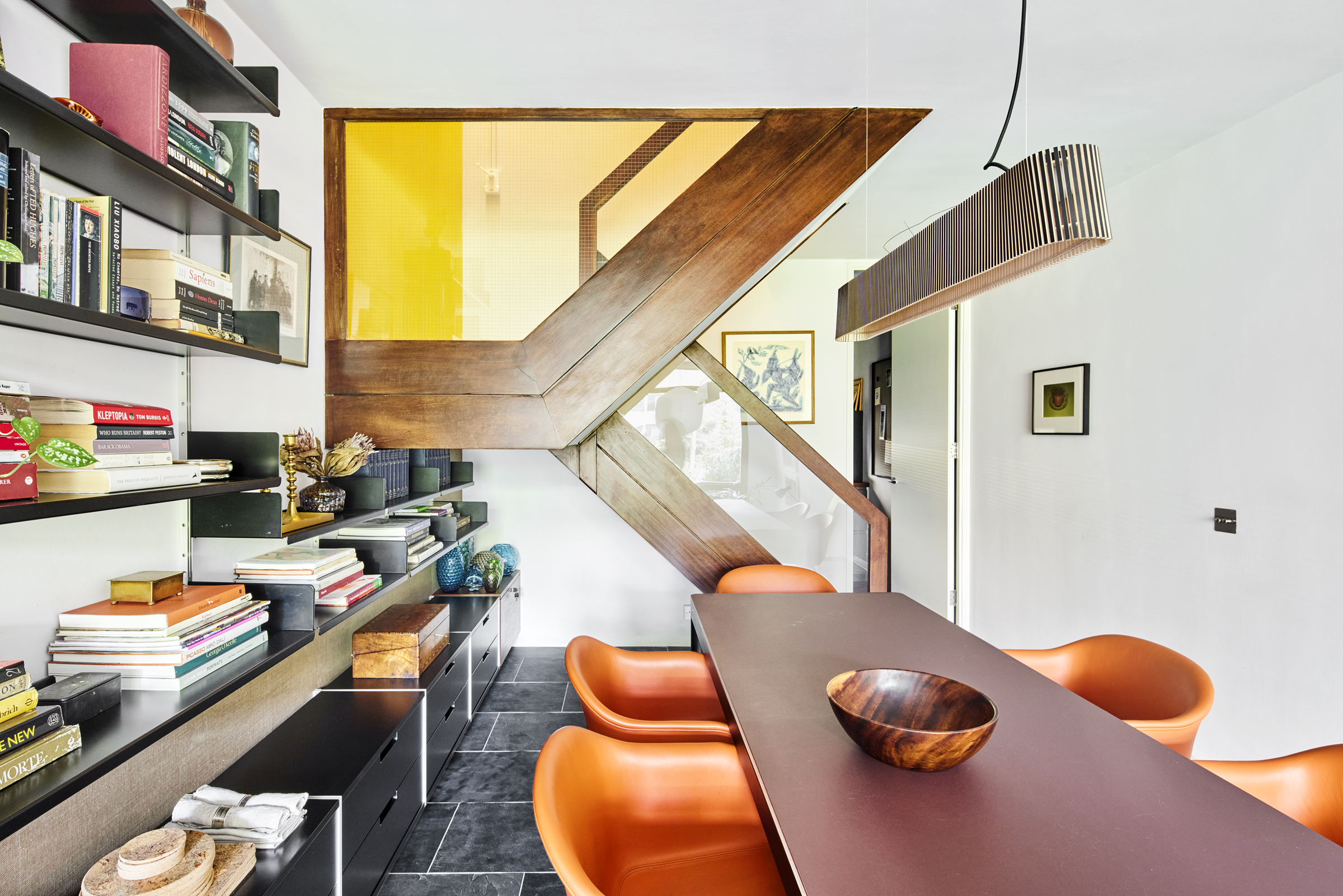
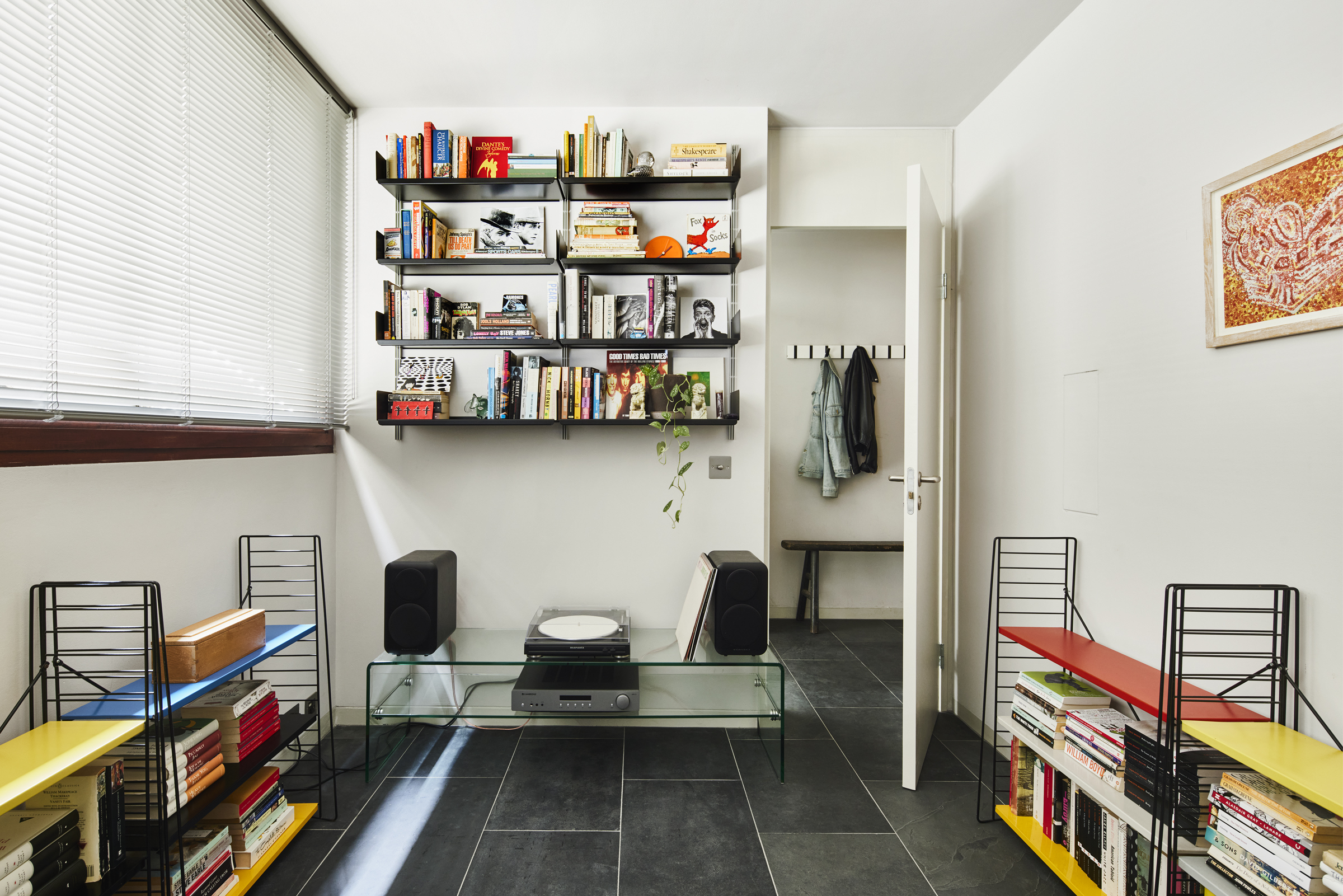
Quite unique to the market, this fantastic two-bedroom, Grade II-listed house forms part of the iconic Brandon Mews terrace in the heart of the Barbican, with living spaces extending across three storeys. The subject of an extensive and sensitive renovation in recent years by the architect Bert Rozeman, the interior has original mid-century features that blend harmoniously with its more contemporary detailing. Perhaps the most distinctive feature is a wonderful U-shaped window that frames a verdant view of Speed Garden, inviting an excellent quality of natural light into the primary living space.
Brandon Mews II
SOLD
History

In 1951 the City of London organised a competition for architects to submit plans for a scheme to replace buildings destroyed by a night of bombing in December 1940. The proposal was to be called the Golden Lane Estate. Peter Chamberlin, Geoffry Powell and Christoph Bon all submitted plans vowing that if one of their practices were to win they would all form a partnership and work together on the project. Powell won the competition, and so Chamberlin Powell & Bon was formed in 1952.After their success with the Golden Lane Estate, the firm were asked to design the Barbican Estate.
Between 1954 and 1968 they drew up four distinct schemes which they continued to modify even after the build started in 1965. Their intention was to create a residential precinct which would allow people to live “both conveniently and with pleasure”. Their mission would include a quiet pedestrian space which would be “uninterrupted by road traffic” and where people would be able to “move about freely enjoying constantly changing perspectives of terraces, lawns, trees and flowers” and seeing “the new buildings reflected in the ornamental lake.” Their vision came to life in the Barbican Estate.
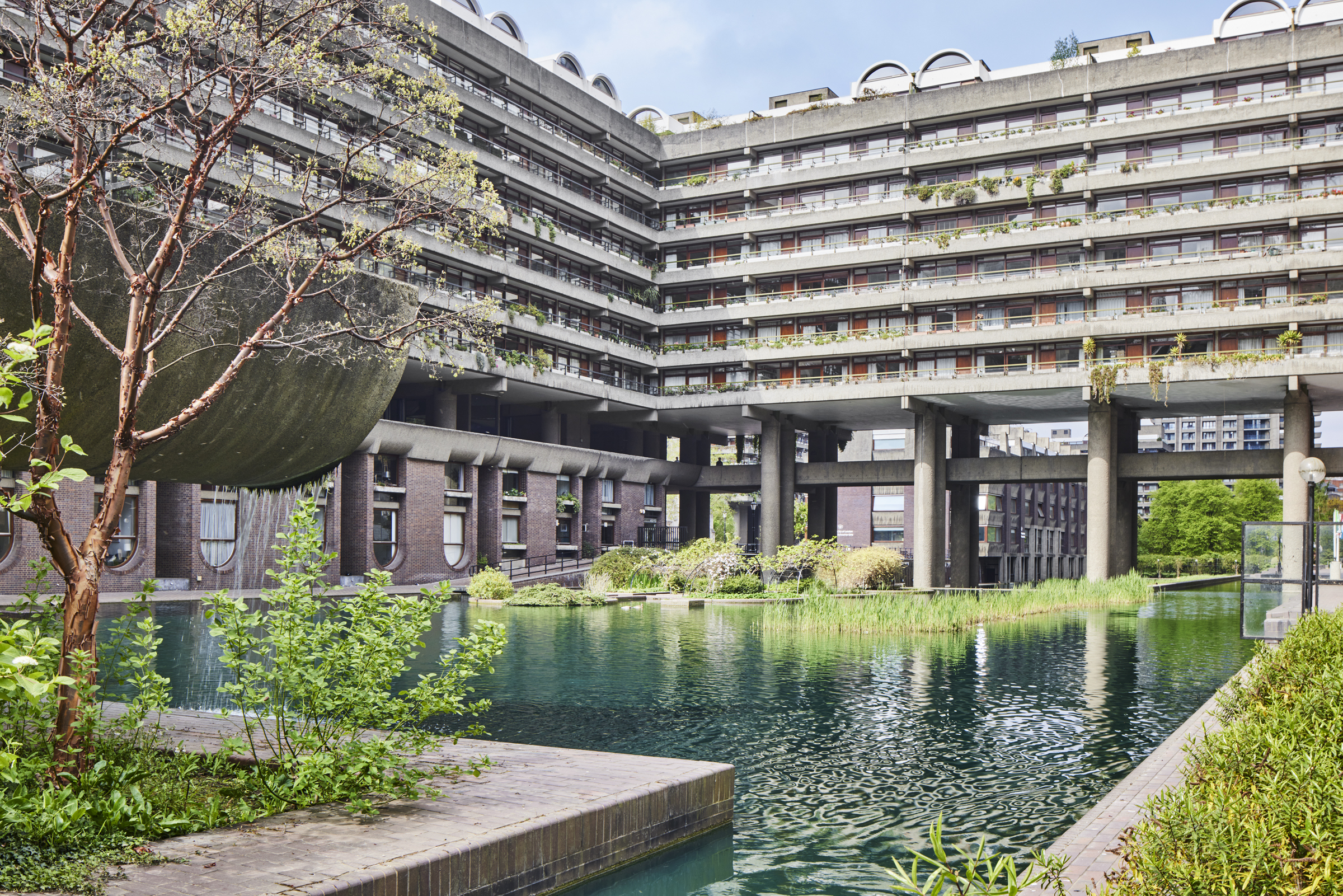
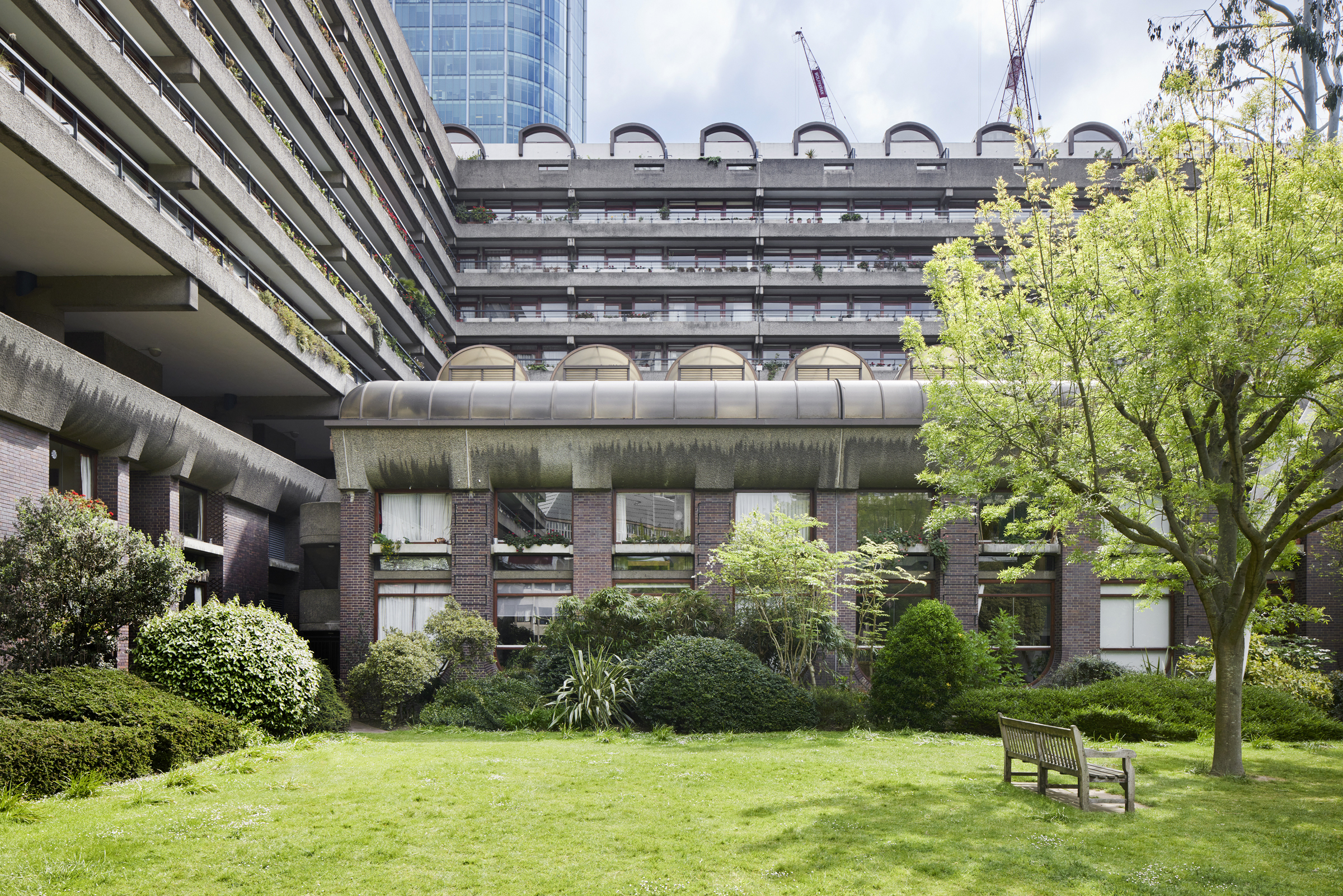
Apartments have individual balconies which overlook verdant landscaped squares and a lake with fountains. The buildings are isolated from the hubbub of the city and accessed by a pedestrian walkway raised above street level. The residential towers are three of London’s tallest. Designing buildings of this height required close collaboration with engineers especially Ove Arup, who were themselves newly founded in 1946, and were increasingly collaborating on complex projects with avant-garde practitioners of the built world. The towers gave a “dramatic contrast to the otherwise horizontal treatment of the buildings” and have become an iconic part of London’s skyline.
In September 2001, Tessa Blackstone, Minister for the Arts, announced that the Barbican Estate was to be Grade II listed for its special architectural and historical interest. The complex represents a utopian ideal for inner-city living, with its integrated schools, shops, restaurants, theatres and cinemas. It is also one of the most extensive examples of the Brutalist style associated with the honest and raw use of materials.
Queen Elizabeth, after declaring the Barbican open to the public on its completion in 1982 described it as “one of the modern wonders of the world”.
Interested?