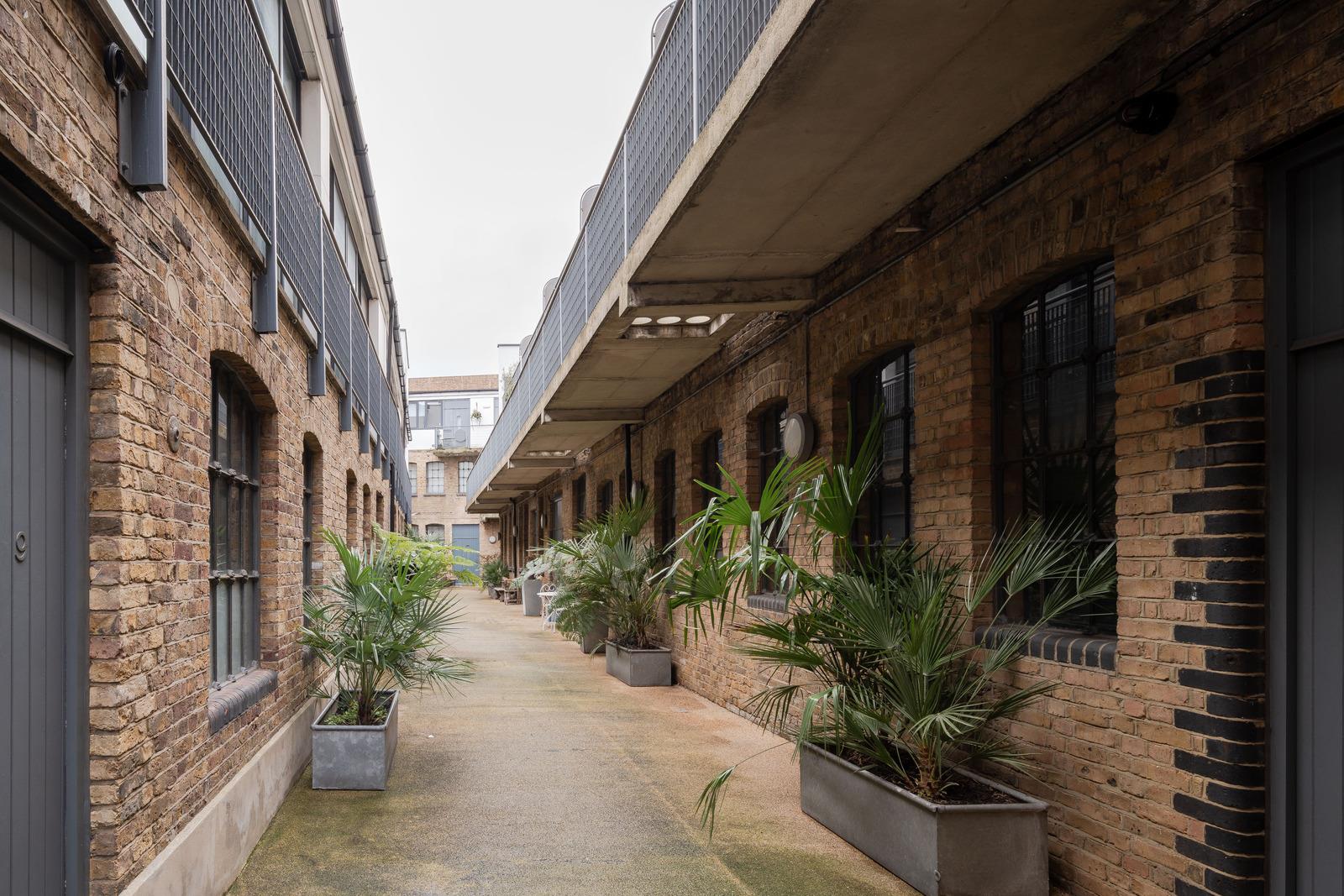
Offenbach House
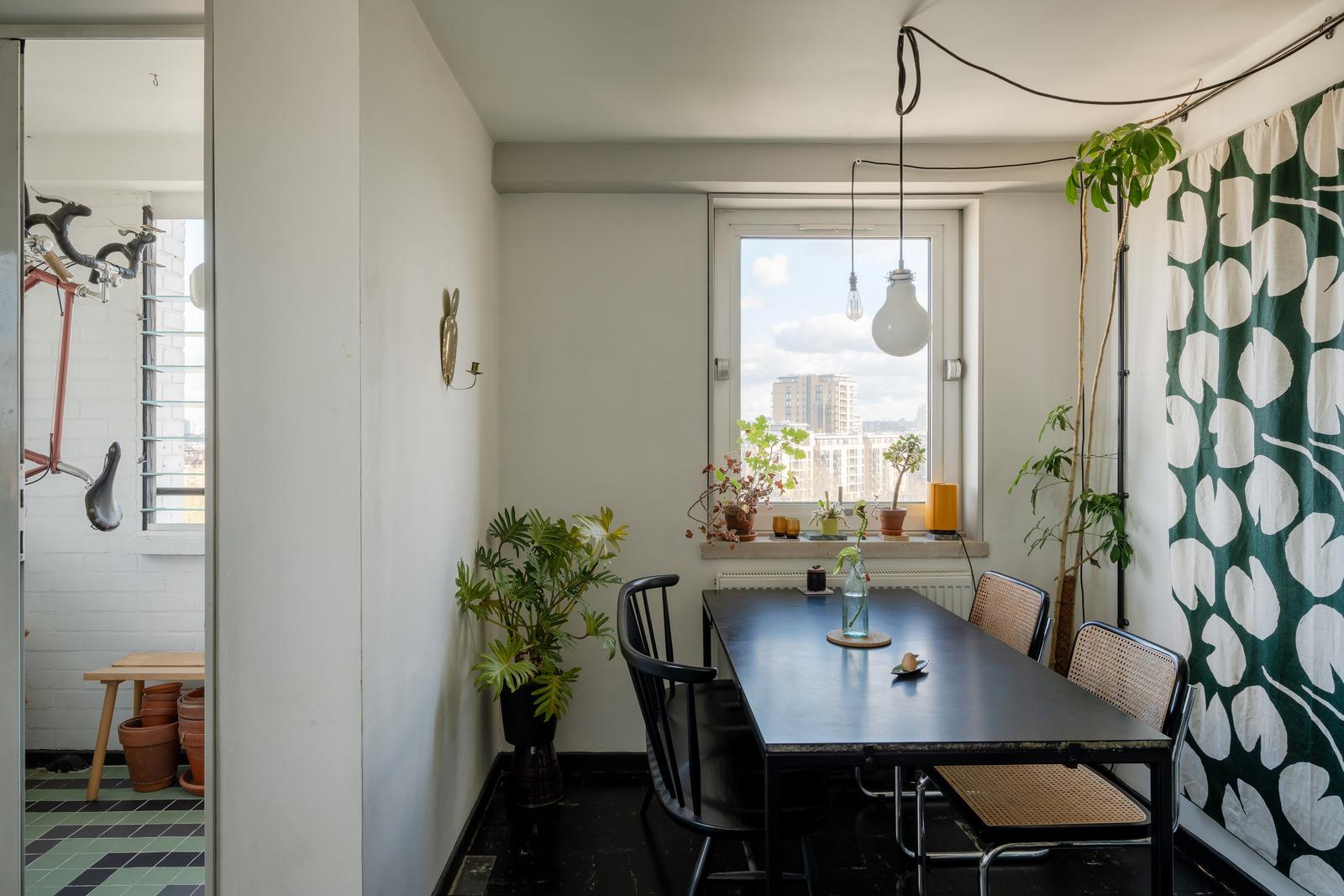


“Views extend across east London, rooting the apartment firmly within the fabric of the city”
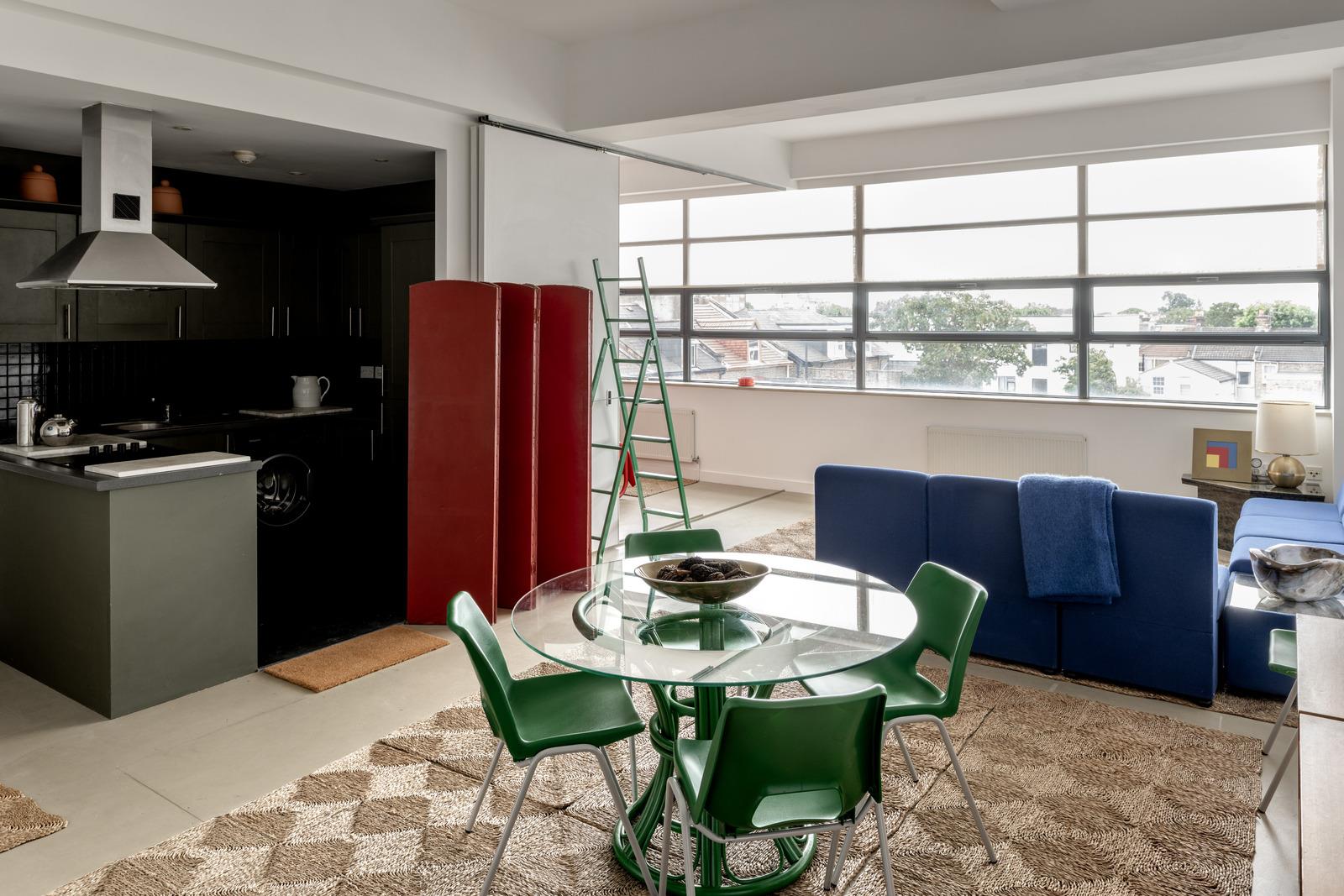
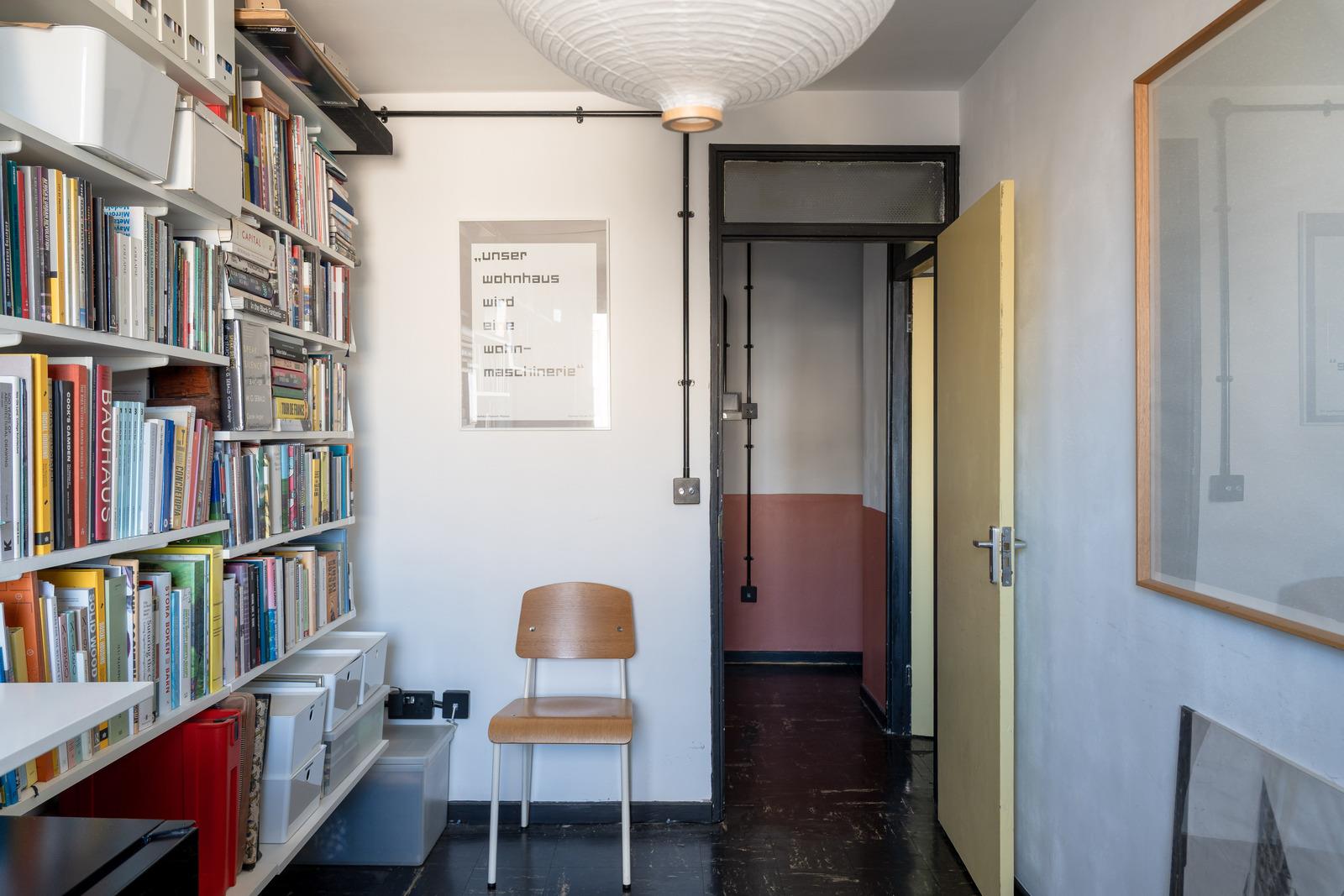
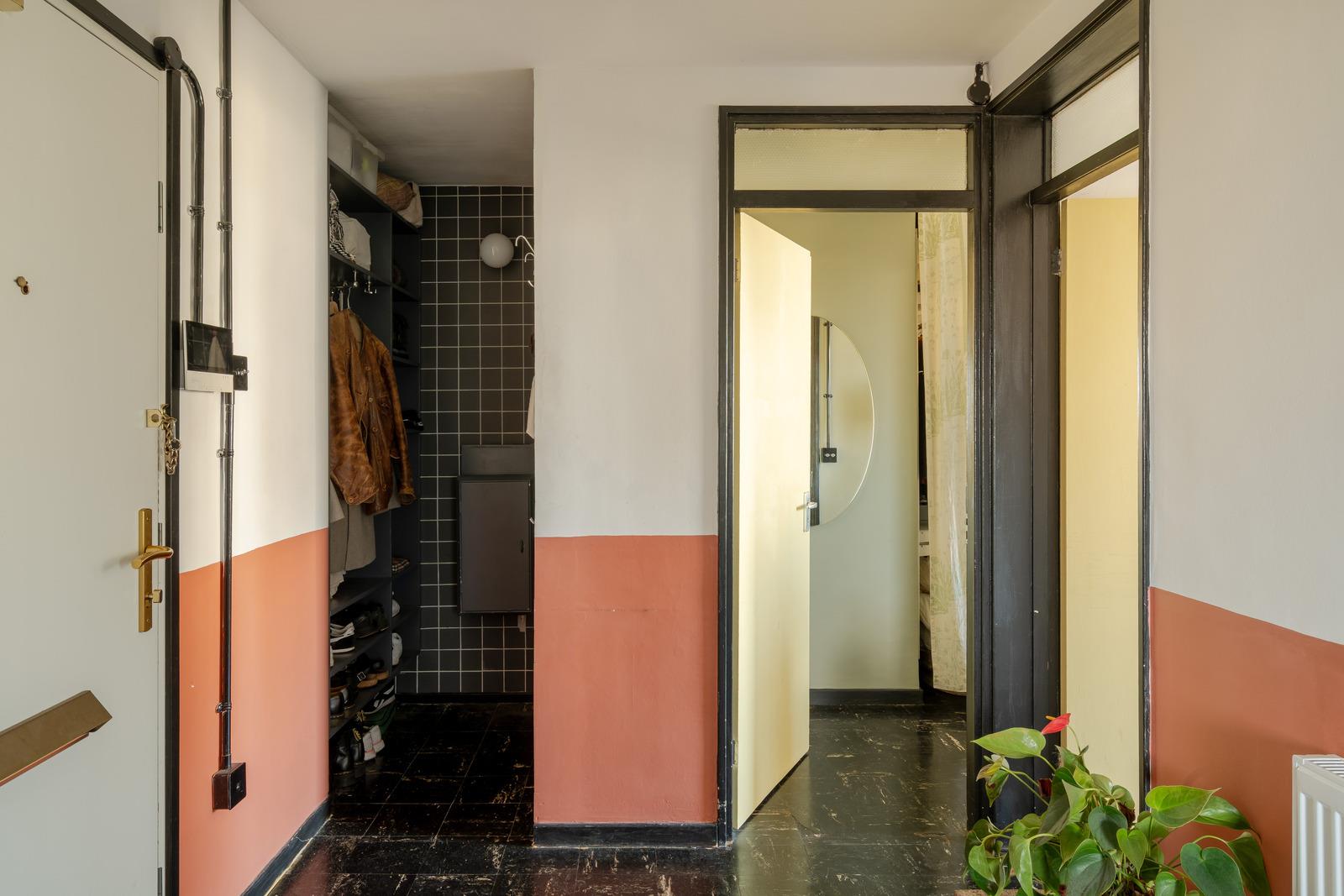
This two-bedroom apartment occupies a commanding position on the 11th floor of Offenbach House, a building within Skinner, Bailey and Lubetkin's Cranbrook Estate in Bethnal Green. The Cranbrook Estate was completed in 1966 and this apartment bears the hallmarks of the architects’ modernist vision: original linoleum floors have been paired with a palette of bold colours and clean lines, and pivot windows frame far-reaching views over Victoria Park.
Offenbach House
£350,000
History
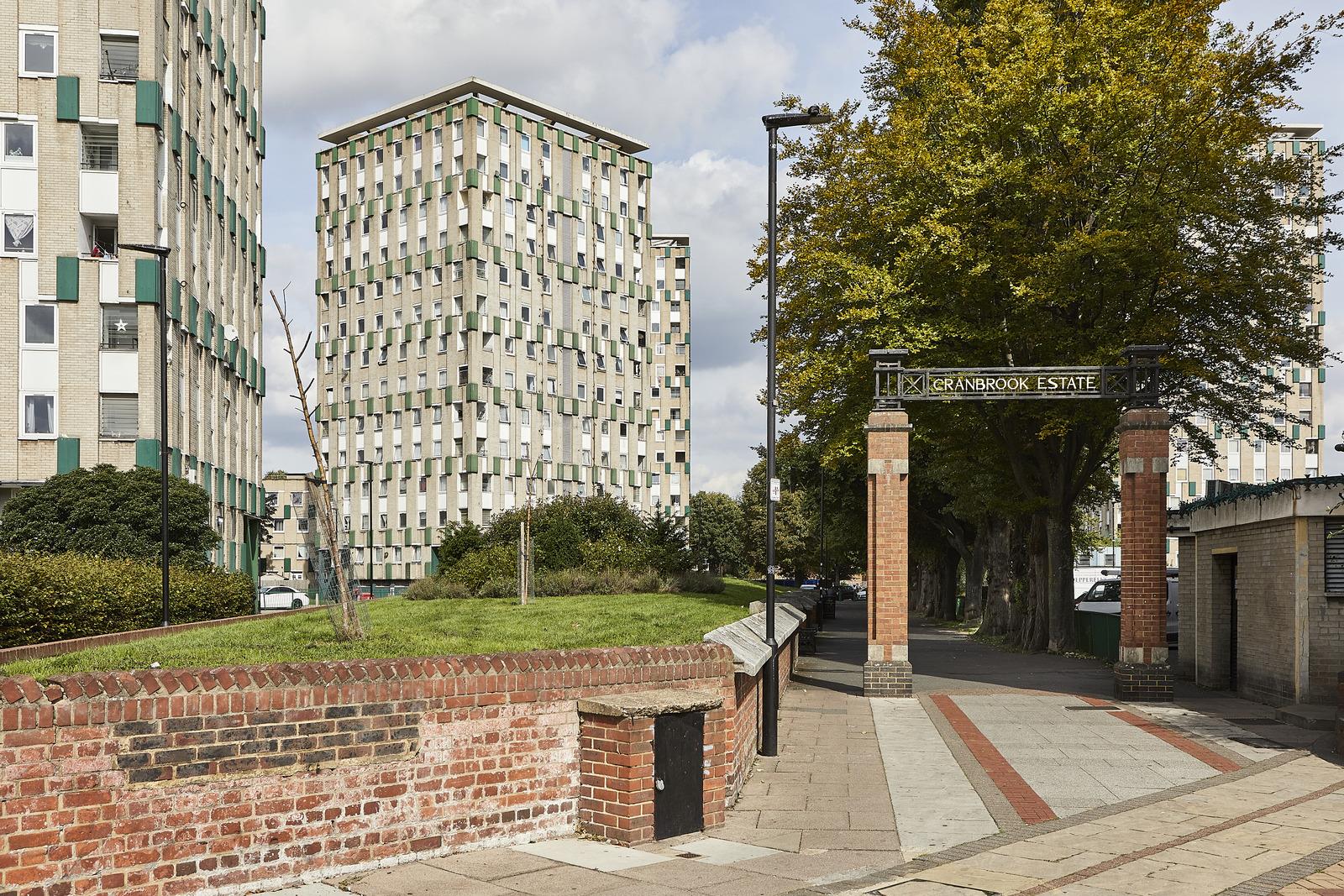
The Cranbrook Estate was the last and largest of the three Bethnal Green estates designed by Skinner, Bailey & Lubetkin. Pevsner describes the planning as "typically novel, laid out as a figure-of-eight of wide pedestrian avenues designed to echo the 19th-century streets to the north". The estate is the final significant public architectural work of Lubetkin's career, and is home to British sculptor Elisabeth Frink's striking Grade II*-listed bronze 'The Blind Beggar and His Dog' (1958).
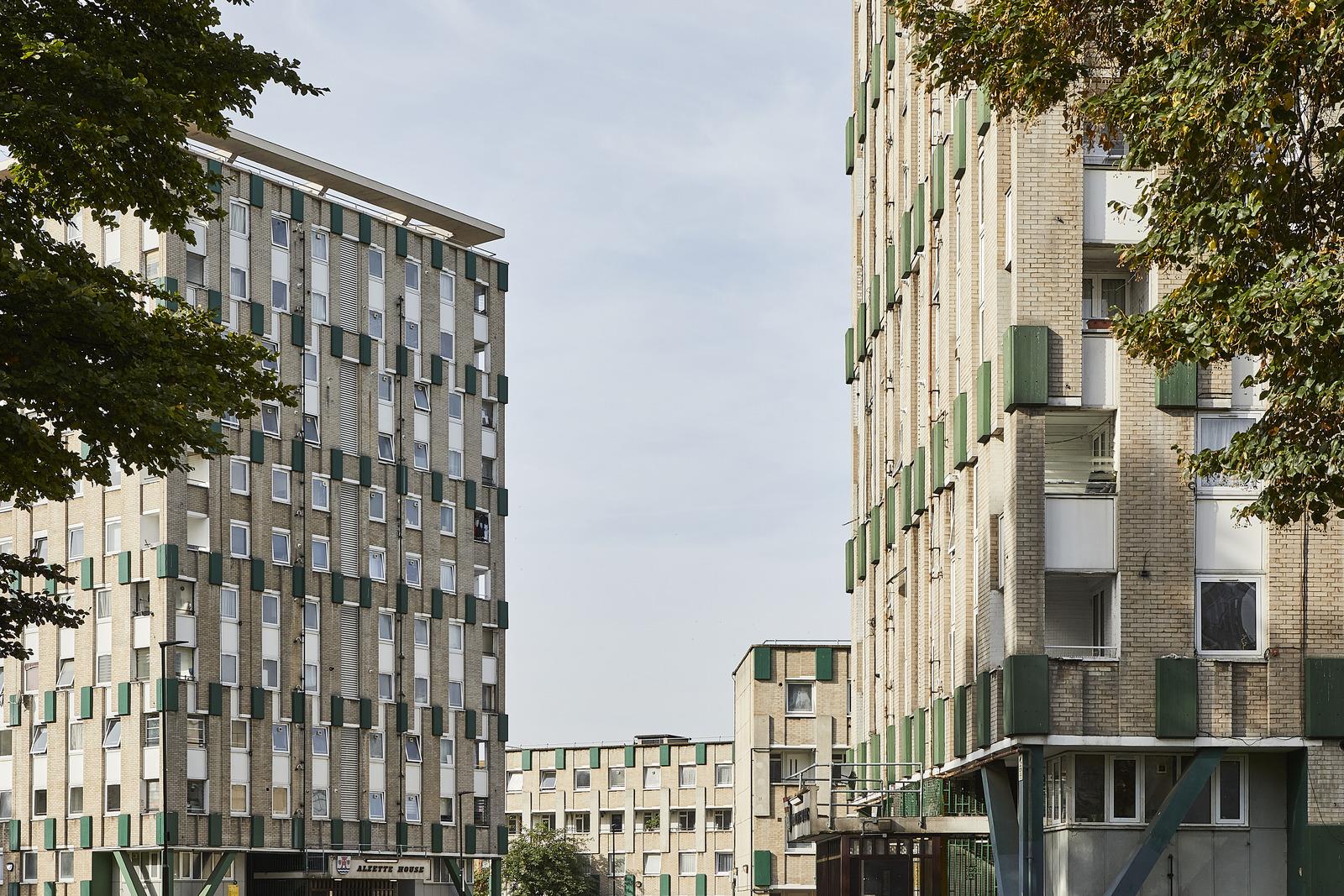
The design plays with scale and perspective, building from one and two-storey houses at the perimeter towards six square towers increasing in height to the main axis at Modling House. As Pevsner notes, "they are set at different angles, with the intent of creating movement". Unlike the Dorset and Lakeview estates, which are concrete-faced, brick was specified here; projecting green-painted panels provide Skinner, Bailey and Lubetkin's characteristic exterior panelling. These were described by Lubetkin as a "fish-scale pattern"; and each high block is topped by a dramatic concrete "flying cornice" - typical of Lubetkin's dynamic constructivist style.
The various towers are described by Lubetkin as being intended to act as "members of a family group in conversation with each other". The blocks are widely spaced apart and angled so that at least one face will always be catching the sun, allowing the shadows cast by the towers to rotate like the spokes of a wheel.
As John Allan notes in his seminal biography of Lubetkin, "The concerted force manipulating such huge masses of material is awesome. The main blocks seem magnetised as if by solar wind; their flickering facades crackle with surface voltage. To approach the central intersection is to find oneself in the vortex of an electric storm."
Interested? Let's talk.