Repair as a radical act: Ewa Effiom in conversation with Phineas Harper
February 25th, 2025

This article is more than a year old and may contain information that is out of date. Sorry about that.


The 90s were a simpler time. A time before 9/11. A time before smartphones. Labour won a landslide and LeToya was still in Destiny’s Child. Those were the days. There was optimism in the air and thanks to Right to Buy anybody could own their own home. The ensuing home improvement television shows – the cherry on top. Did I mention this was also the time before the housing crisis?
Gone are those days. DIY SOS stopped in 2010 and Right to Buy spawned the Housing Crisis reinforcing that very British association between the home and personal wealth. An unexpected upside to this crisis was the reappraisal of modernist housing estates. And with that The Modern House’s Modernist Estates section, albeit decades later. Renewed attention was given to estates such as the Barbican and the Golden Lane Estate by Chamberlin, Powell and Bon, along with the idea that living in these utopian projects was more than just a result of scarcity – it was aspirational. Housing is a right, yes, but more so, a commodity.
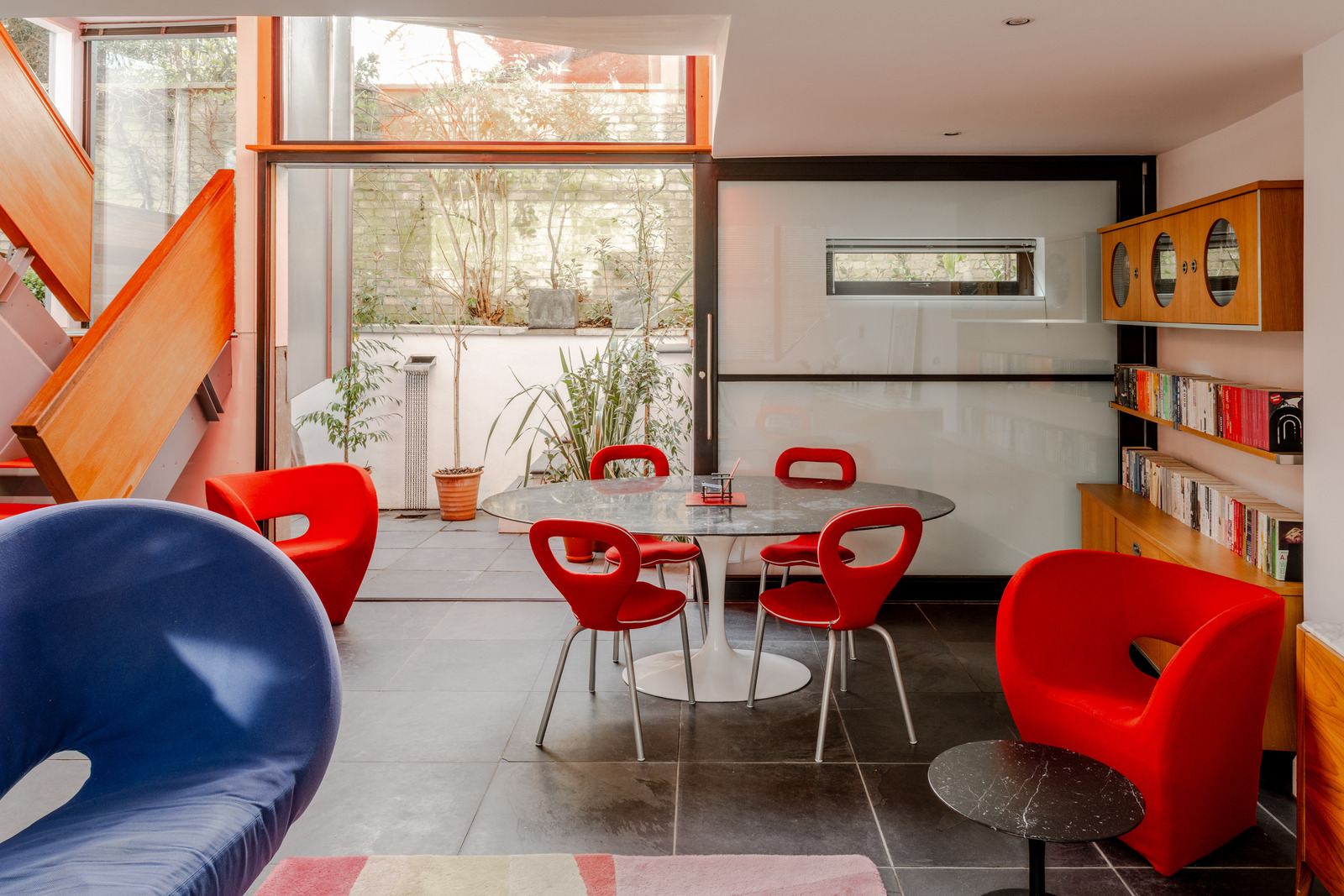
One of the Barbican’s architects’ lesser-known housing projects, the Vanbrugh Park Estate, is the home of Phineas Harper, an architecture critic, columnist and culture maker. (Real architecture aficionados will remember them as the director of Open City from 2020 to 2024.) After a conversation with the journalist Owen Hatherley, they saw that there was a flat for sale in one of the raised bungalows. They went to view it, put an offer in that same day and moved in soon after.
We’re meeting there to speak about repair. In a 2022 talk, Phineas spoke about the ongoing work of cleaners and repair workers and their importance in a world ravaged by that very Miltonian mechanism of planned obsolescence. The subject of repair was a preoccupation that dated back to 2019 when they co-curated the Oslo Triennale, with Interrobang and Cecilie Sachs Olsen, on the subject of degrowth, deducing: “In a perverse way, what is good for GDP is bad for the planet.”
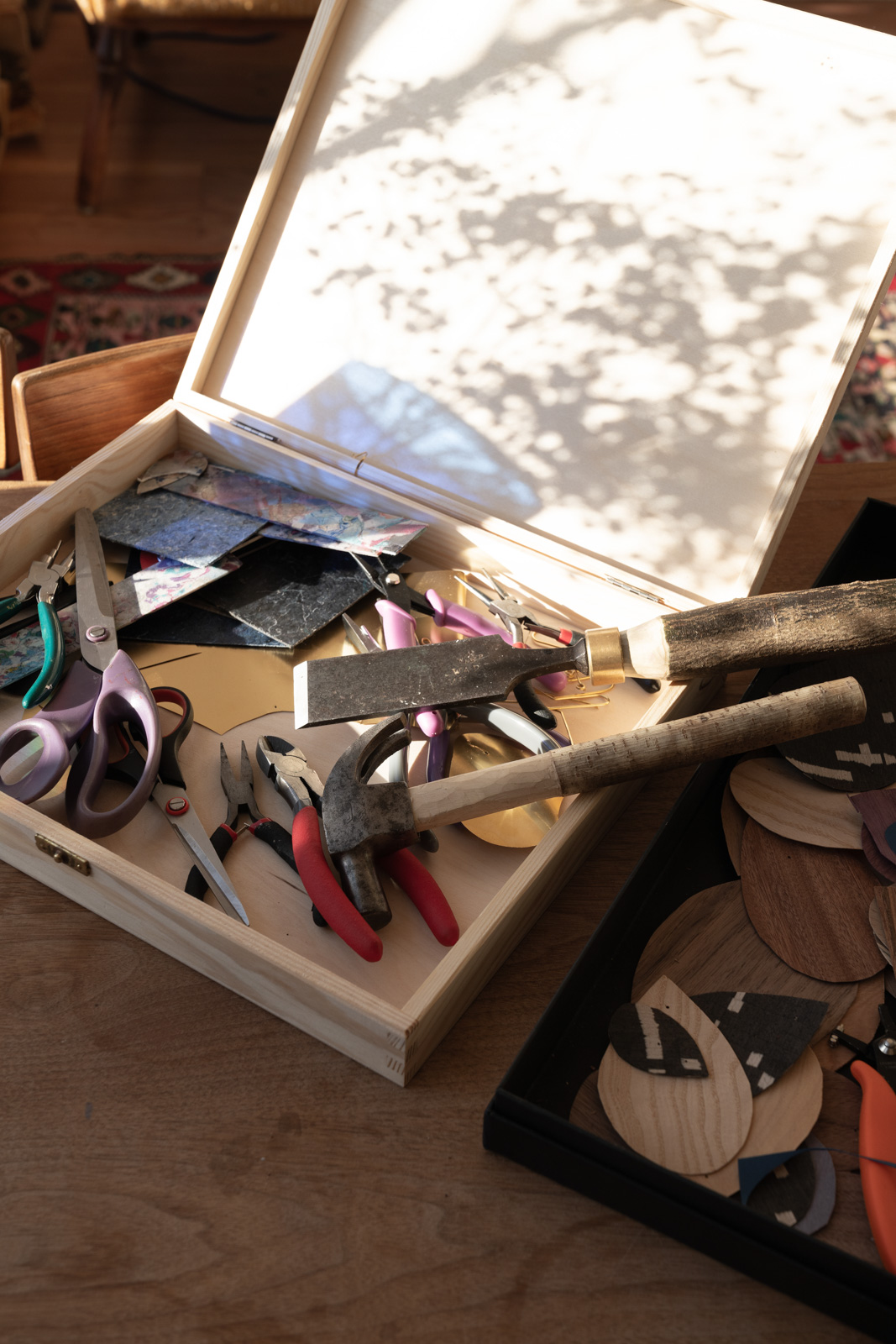
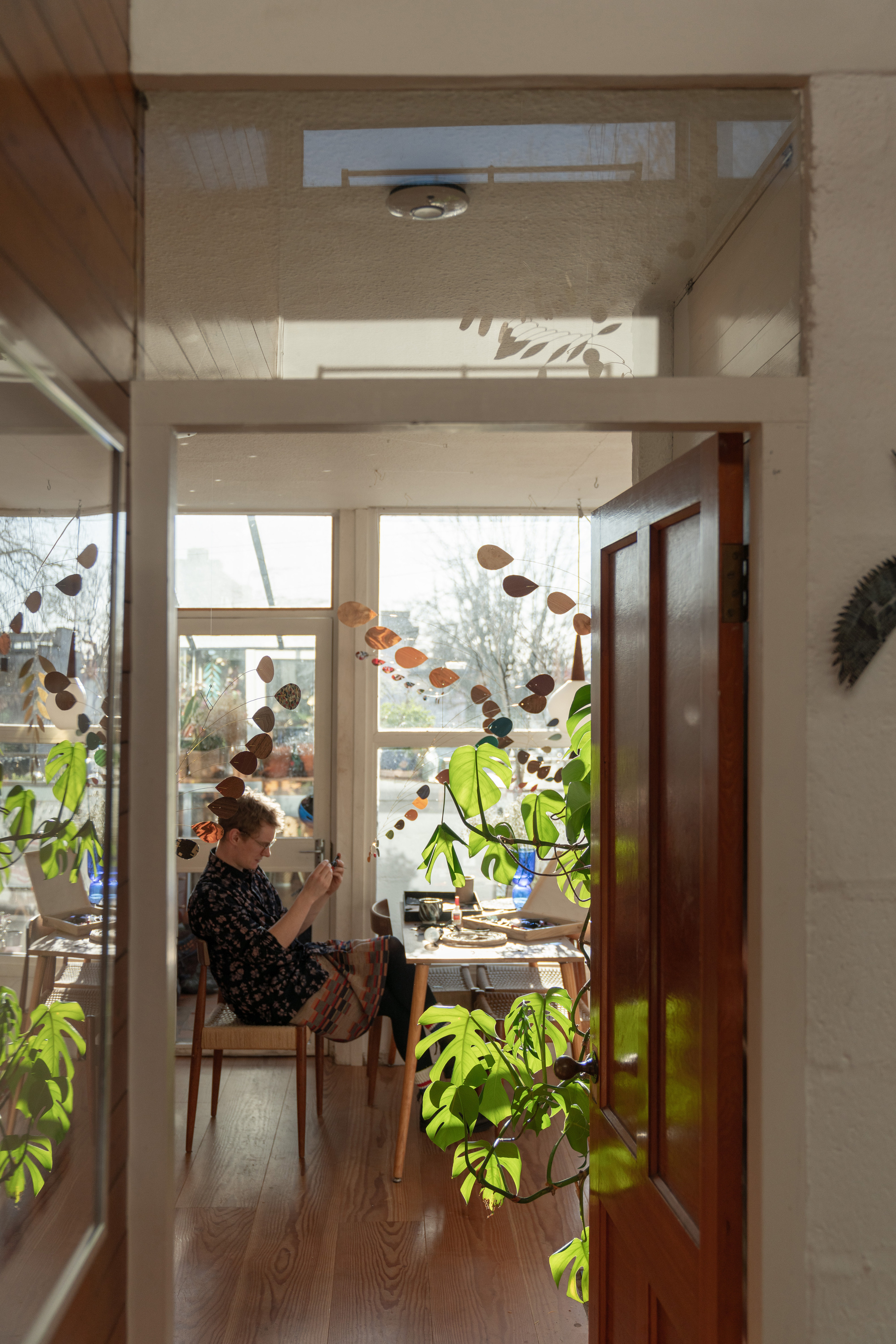
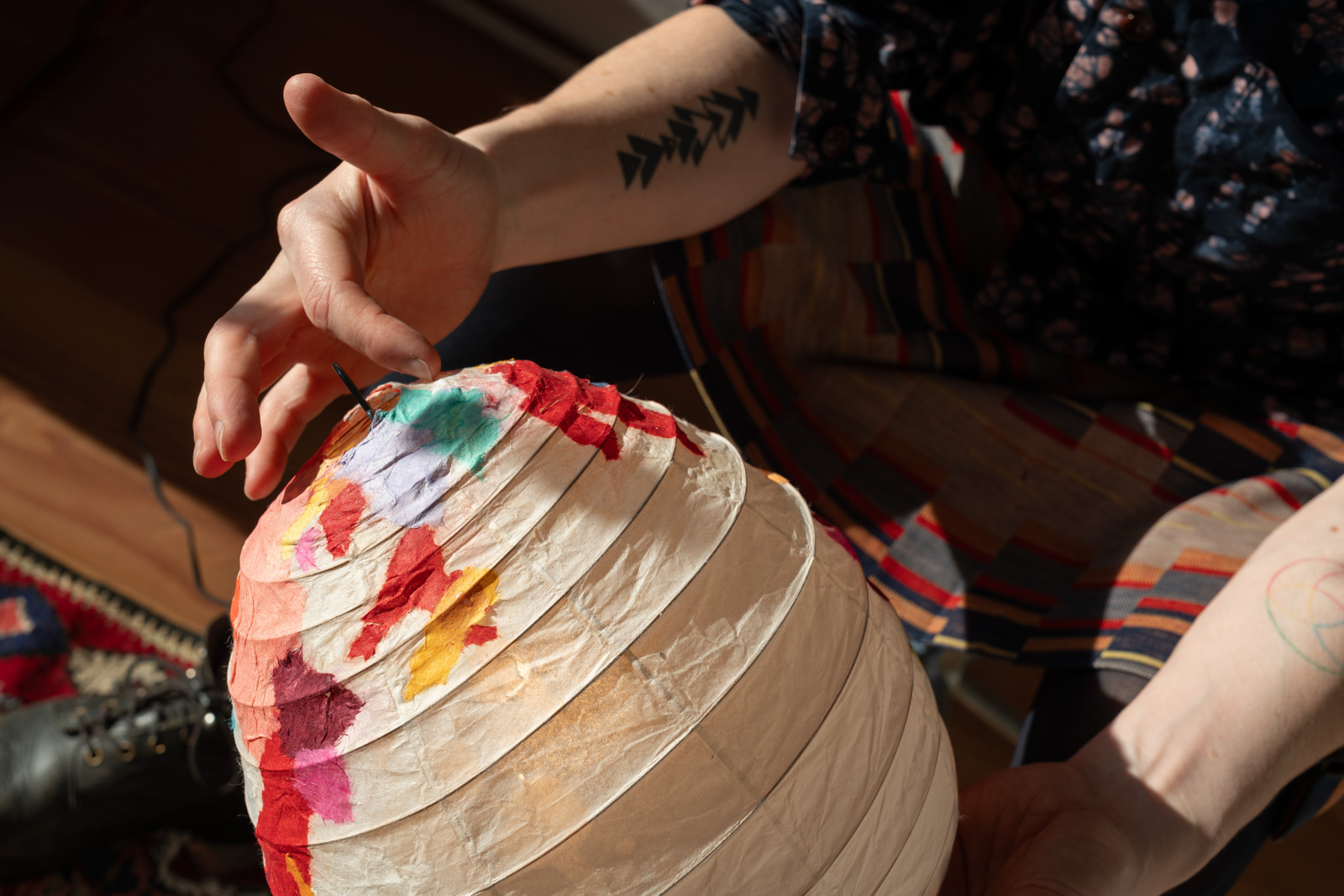
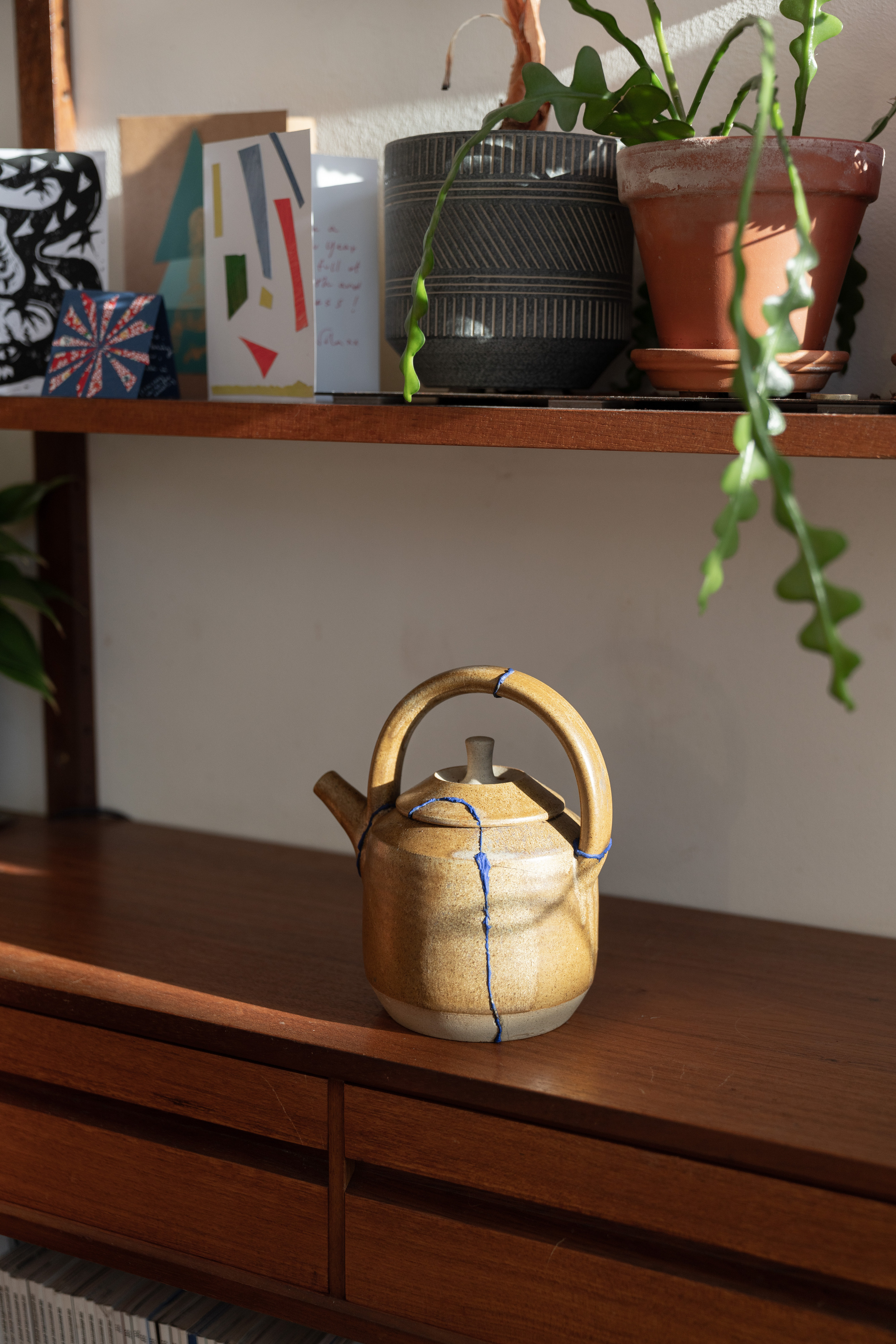
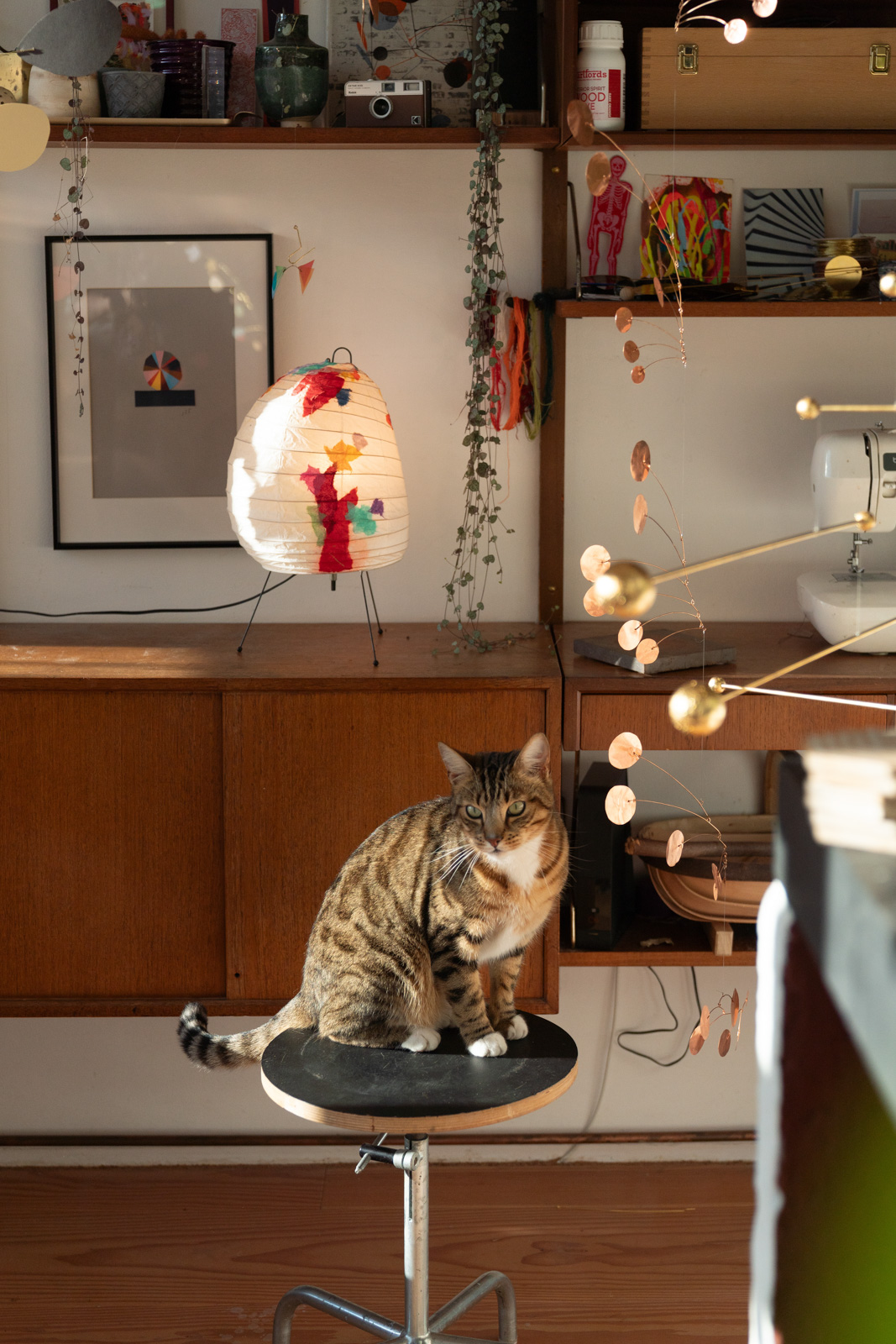
Phineas calls their repair practice “a wacky side hustle that’s half art, and half political manifesto about how we should look after the world better.” We speak about the disincentivisation of repair and the incoming EU Right to Repair legislation and the excitement about the repair economy that will no doubt arise as a result of it. We look at a few of their current repair projects. Which consist of Noguchi lamps with their rice paper shades patched with colourful motifs and an Eames DSW chair with timber legs replaced with branches found nearby. This “folksy” way of repairing is intentional, the purpose of it is to make the practice accessible “not particularly hard or technical, aloof or even stylish.” Adding charm to the home, with an understanding that at a larger scale the aesthetics would be different.
That said, Phineas does remark, in a moment of rumination (of which there are many), “why are we faffing around with gadgets and furniture when the elephant in the room is buildings!?” Maintenance in architecture is only really spoken about in meaningful ways in far flung contexts. The Great Mosque of Djenné is an oft cited example, but it should be more habitual, and closer to home.
Until the Renaissance, buildings were retrofitted to cater to new needs, so demolition was rarer. The finished building is a modernist invention. It fuels the ongoing skirmish between construction and the environment. Architecture, that harbinger of progress, leaves in its wake the ruins of the natural world. As the philosopher Kate Soper argues in her book 'Post-Growth Living', capitalism’s priorities are at odds with ecological imperatives. Yet only one of those rule systems is unequivocal.
Modern architecture used tremendous amounts of concrete, steel, and glass. The supply chains of which did wonders for GDP but Phineas doesn’t decry these icons, saying: “We’ve learned more about the climate, and with it, material science. We're in a more informed position now than our predecessors. It's not the fault of the 60s architects that they built in concrete; they didn't understand the implications. We now know just how much energy it takes. With that additional knowledge comes additional responsibility.”
Phineas thinks that the inability to look after things is “a modern sickness,” stemming from “collective amnesia,” but understands the development logic as someone will undoubtedly profit from demolishing an estate to build a residential tower. “It’s just surprising that the culture doesn’t see straight through it,” they say.
Architecture’s future in the Anthropocene is no longer tenable. In light of this catastrophe, we’re revisiting architecture’s methods. The 2021 Pritzker Prize which was awarded to Lacaton et Vassal for their commitment to “never demolish” and the 2023 RIBA Royal Gold Medal awarded to Yasmeen Lari for her Barefoot Social Architecture seems to suggest that this shift is gaining traction. Which puts the morality of building anew to question. Retrofit takes advantage of embodied carbon and finds creativity within old constraints. Phineas applauds the “shift [that] is taking place with people thinking more critically about what they build.”
Since sustainability’s induction as a driver of change, architects have called for structural change incited by legislative change, political reform, or clients’ desires but this blame-shifting is a convenient alibi. It has allowed the carbon-laden profession to become adept at technology’s integration. This technocracy reinforces the status quo and with it the idea that because of this, things need not change. Sustainability has become a discipline akin to creative accounting, underpinned by product guarantees that fuels the build and bust cycle characteristic of architecture’s commodification.
We end our conversation on the subject of bin collections, which proves to be an unexpectedly hopeful tone. Phineas uses them as an example to show that, as a society, we put a lot of effort into maintaining some things. The state spends a significant amount of time and energy hiring people to drive specialist vehicles that moves waste and maintain roads. “We clearly do have this idea that maintenance is important but why can't we do the same thing for insulating houses or fixing leaking roofs.” The precedent is there.
By prioritising the intellectual over the manual, we make architecture uniquely vulnerable to depoliticization. By repairing lamp shades or chairs Phineas is quite simply fighting this depoliticization. Repairing not to increase value, but as an act of care. Repair evades the presenteeism rampant in climate discussion within architecture and shows us that though individual action isn’t the solution, it is an essential component in combatting the climate catastrophe.
Ewa Effiom is a London-based Belgo-Nigerian architect, writer and occasional filmmaker who understands architecture as a discipline by which human experience can be explored.
Photography Rachel Ferriman


