By the book: six new titles on the brilliance of 20th and 21st-century design
November 10th, 2025

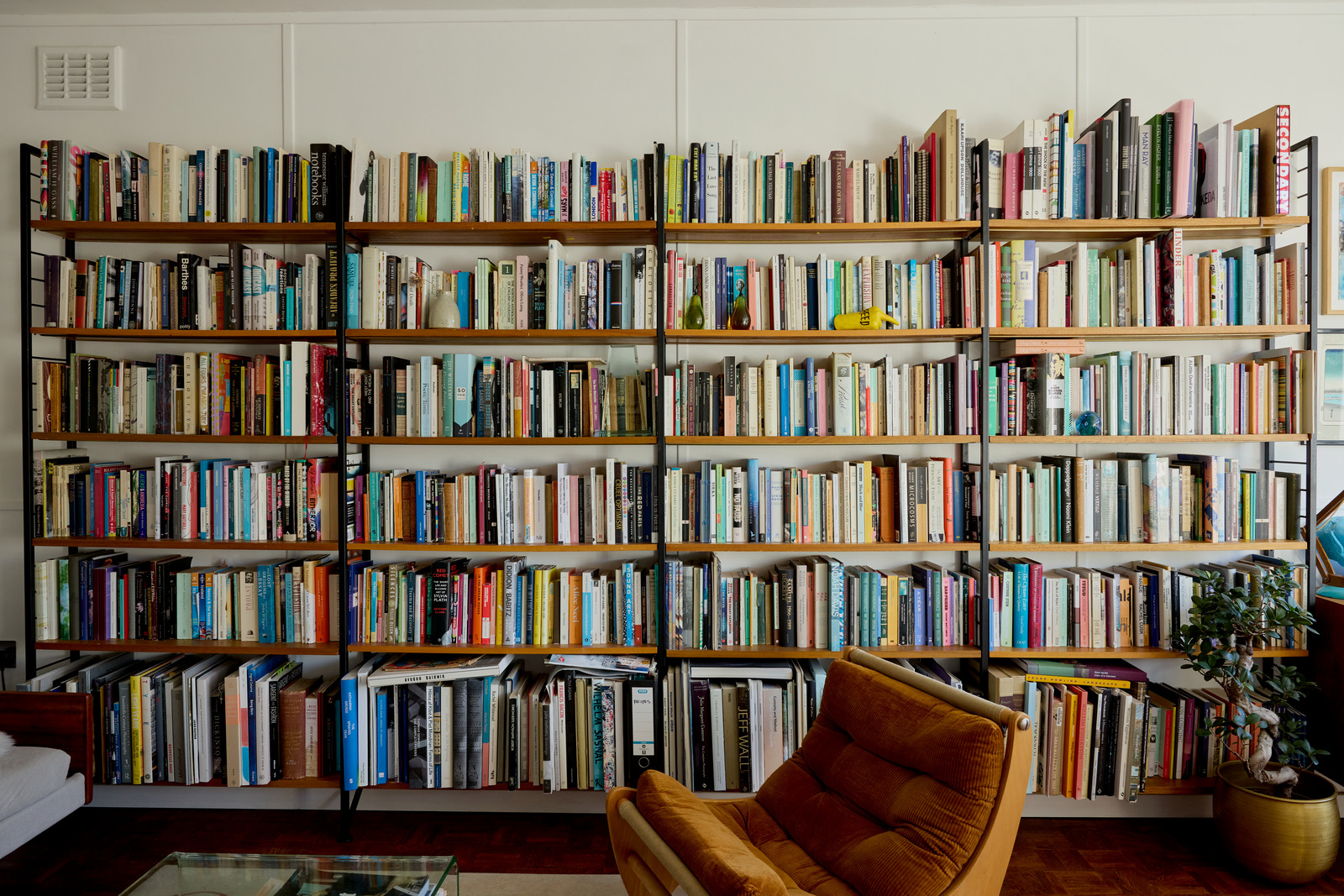
It is a truth universally acknowledged that books make for excellent design, especially when alphabetised on shelves, arranged in a handsome wood-panelled private library, or placed in artful piles on coffee tables. As it turns out, books are also excellent on matters of design, whether that be discussing post-war housing, or extolling the creativity and vision of undersung women interior designers. Here, we’ve brought together six publications we've enjoyed so far this year. (Reader, take note for the upcoming gift-giving season …)
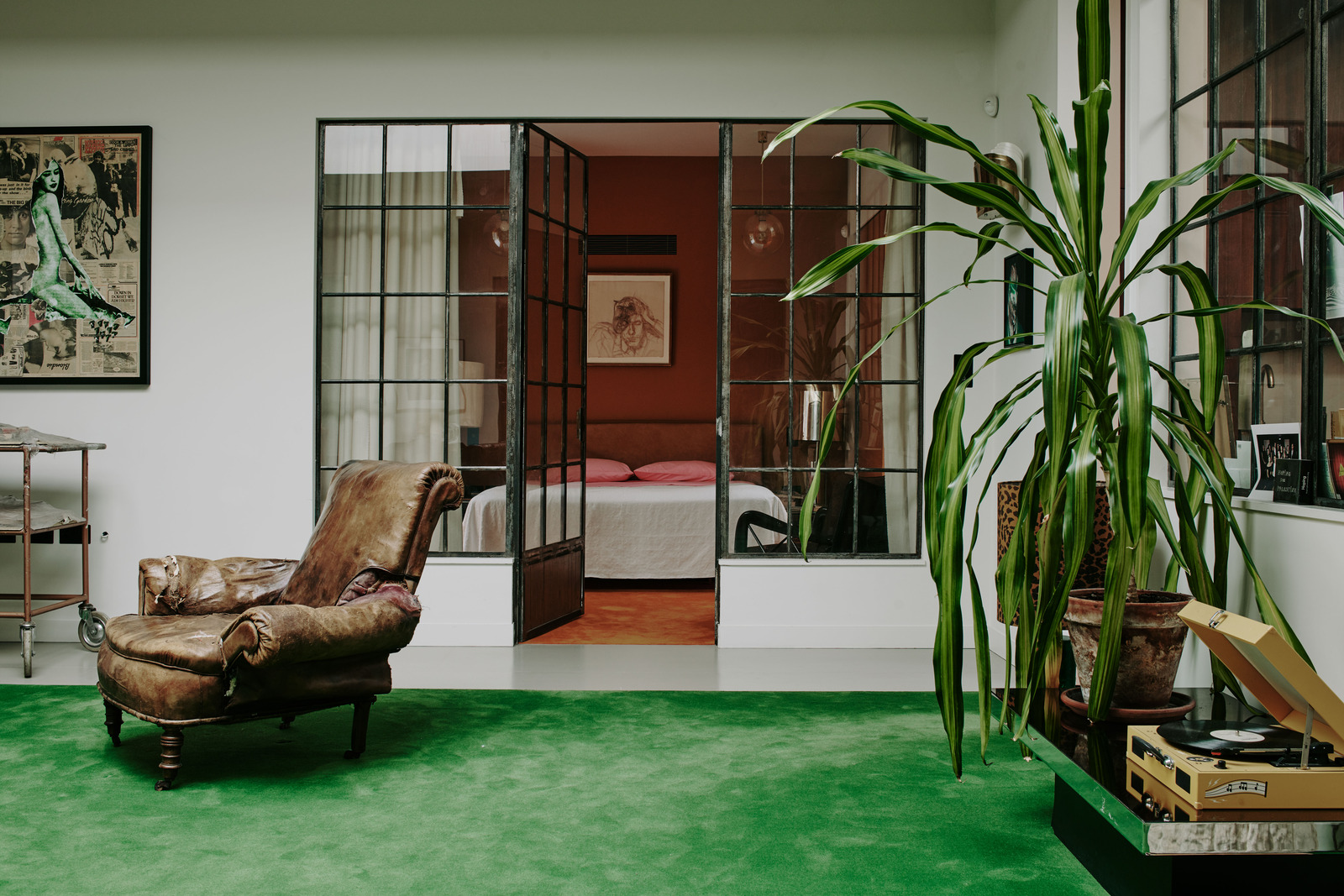
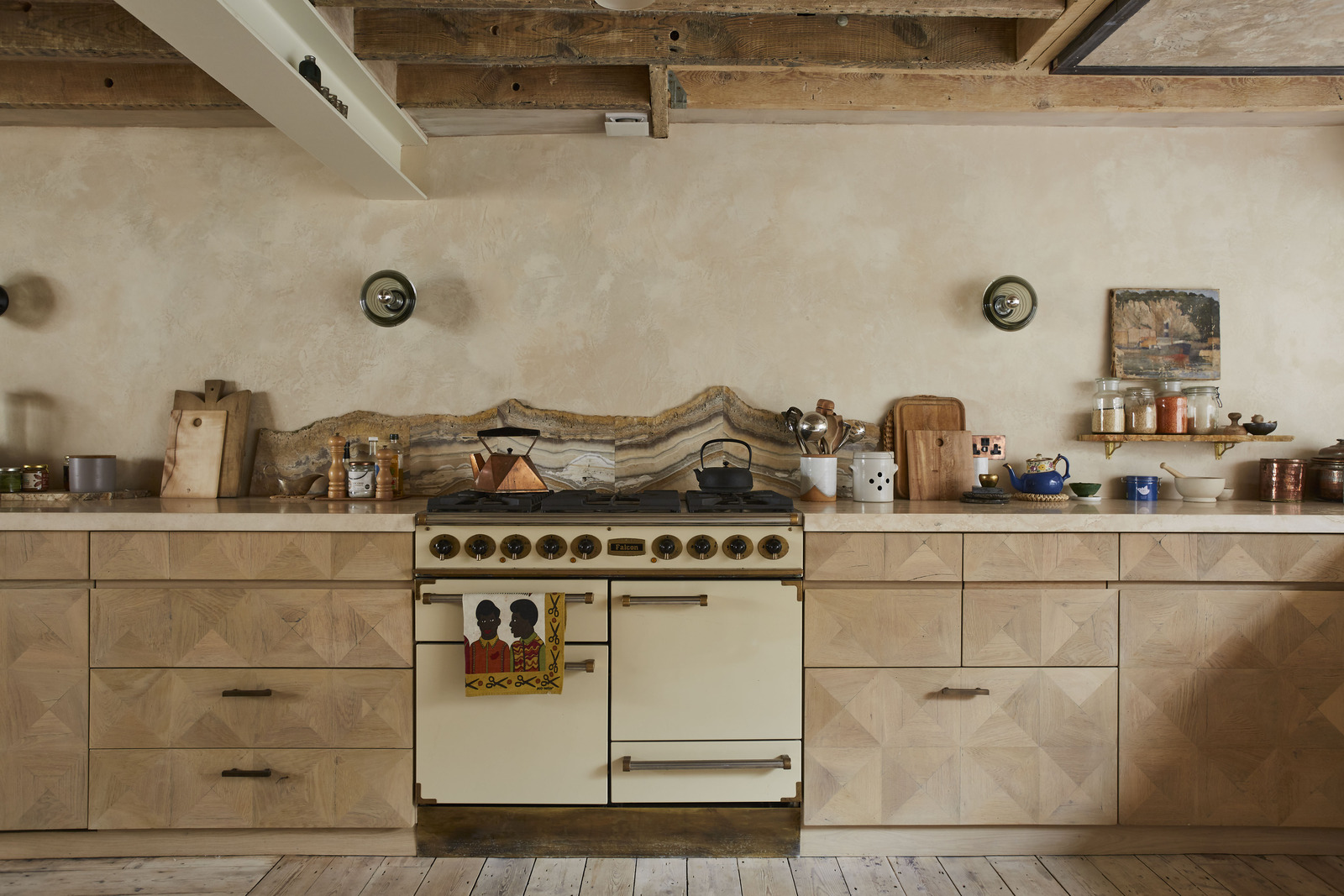
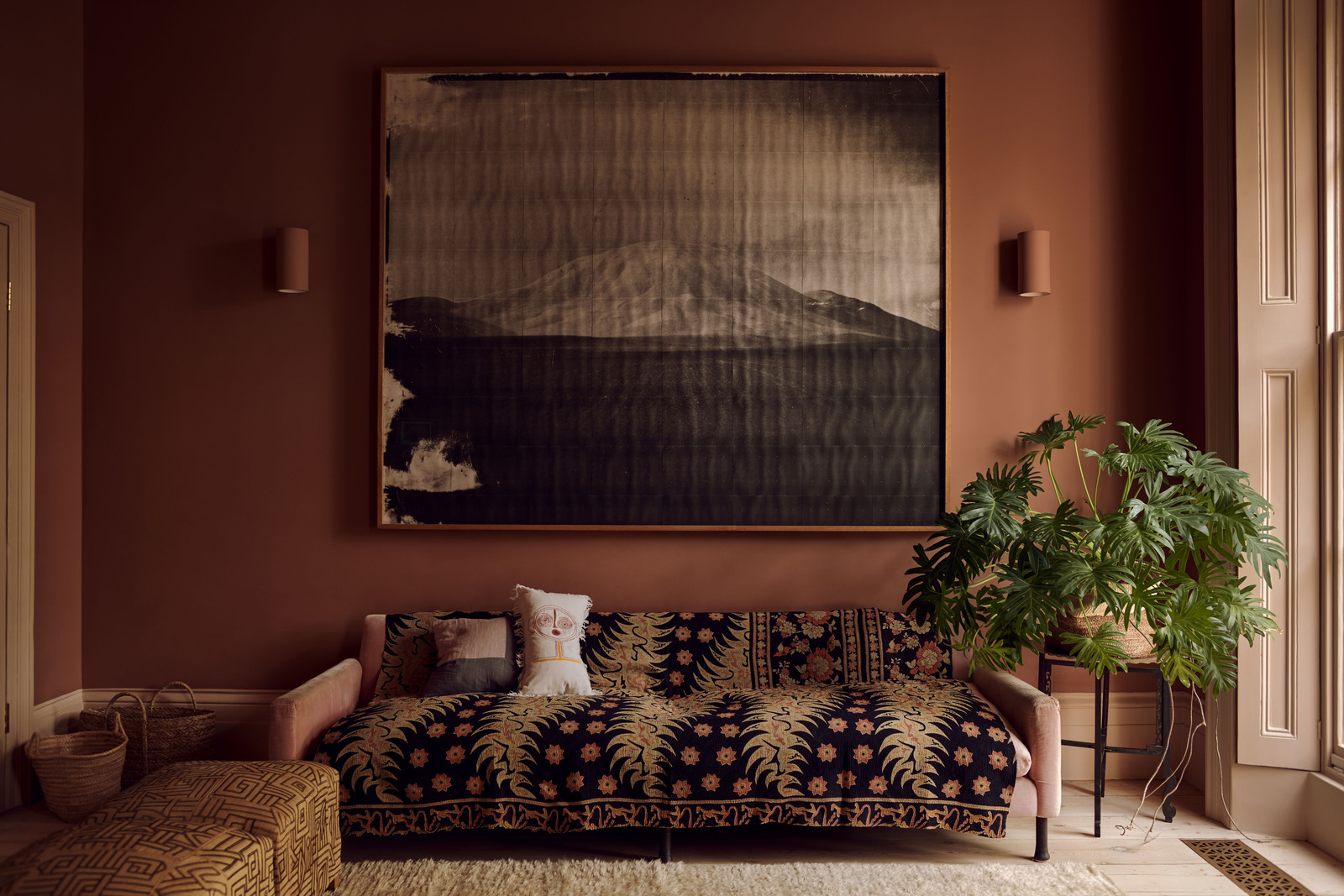
Retrouvius: Contemporary Salvage, Designing Homes from a Philosophy of Re-Use (Rizzoli)
Since its inception in 1993, Retrouvius has become a familiar name in conversations about transforming a home "from a philosophy of re-use". What began as a company founded to conserve Victorian tenement buildings in Glasgow’s West End has blossomed into the two complementary fields of salvage and design studio "founded to demonstrate what can be created from our salvaged stock". This new book, Contemporary Salvage, takes the reader through some of Retrouvius’s most inspiring and eclectic projects "to make you smile" - including an earthy Suffolk farmhouse, a magical Umbrian retreat, and a rooftop home that towers above central London’s endlessly alive cityscape - via contributions from Helena Bonham Carter, Emma Crichton-Miller, and Bella Freud.
Pictured: i) Moroccan sofa shot, North London home. Image credit: Michael Sinclair. ii) Bedroom in Bella Freud's home. Windows from Battersea Power Station, chair from Lucien Freud. Image credit: Michael Sinclair. iii) Kitchen in urban country home. Reclaimed oak parquet cabinets, Turkish onyx backsplash. Image credit: Tom Fallon.
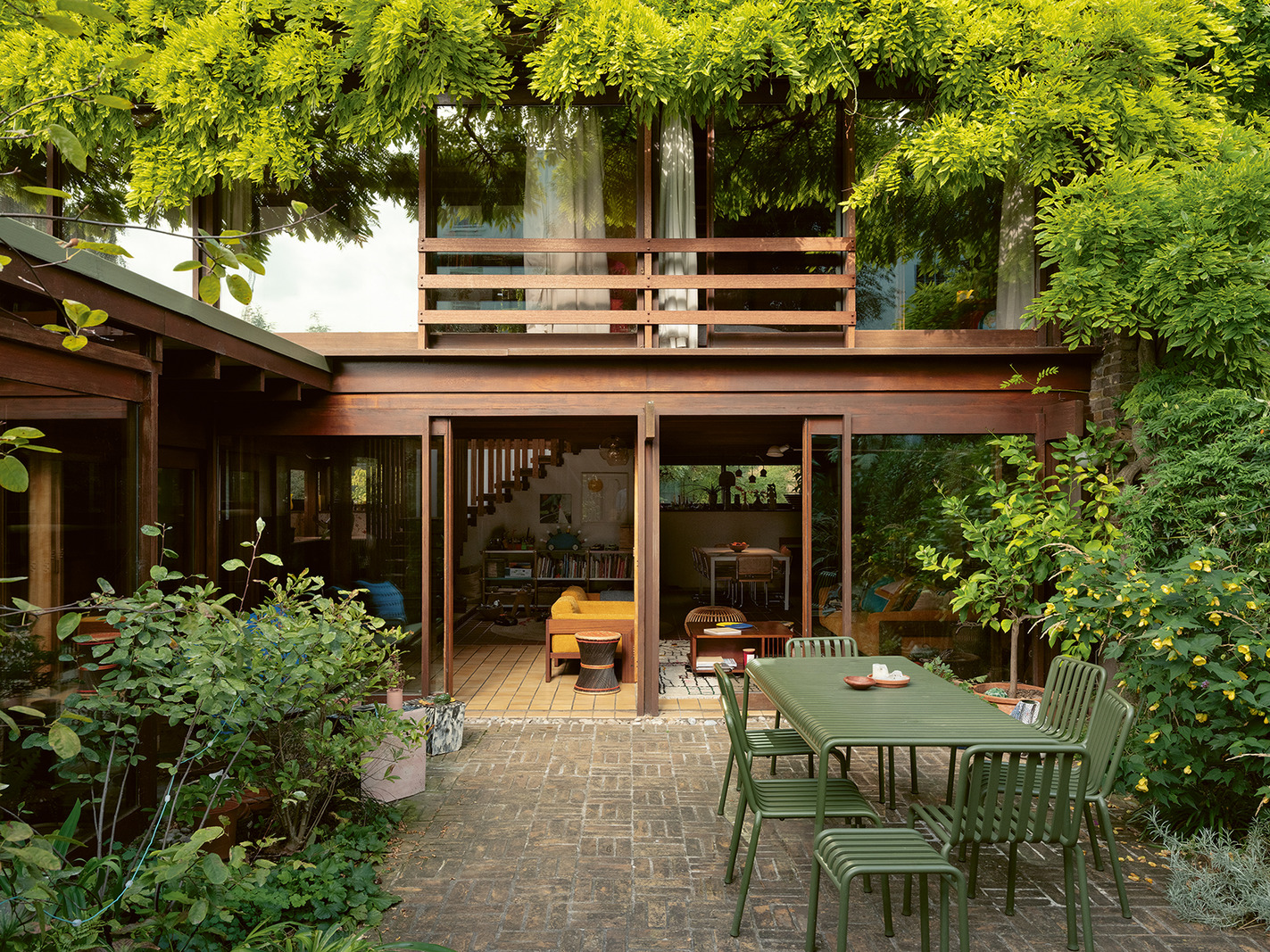
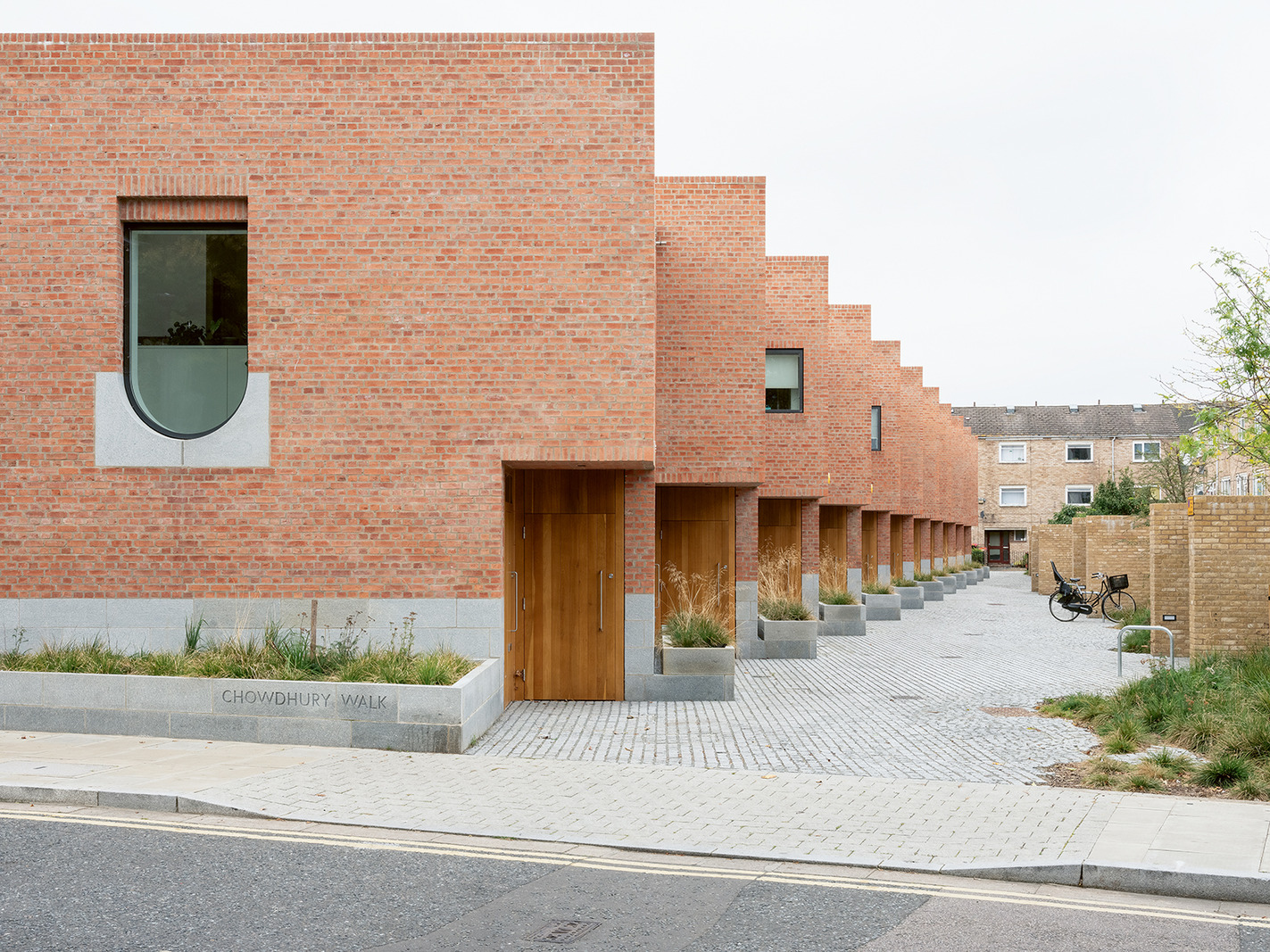
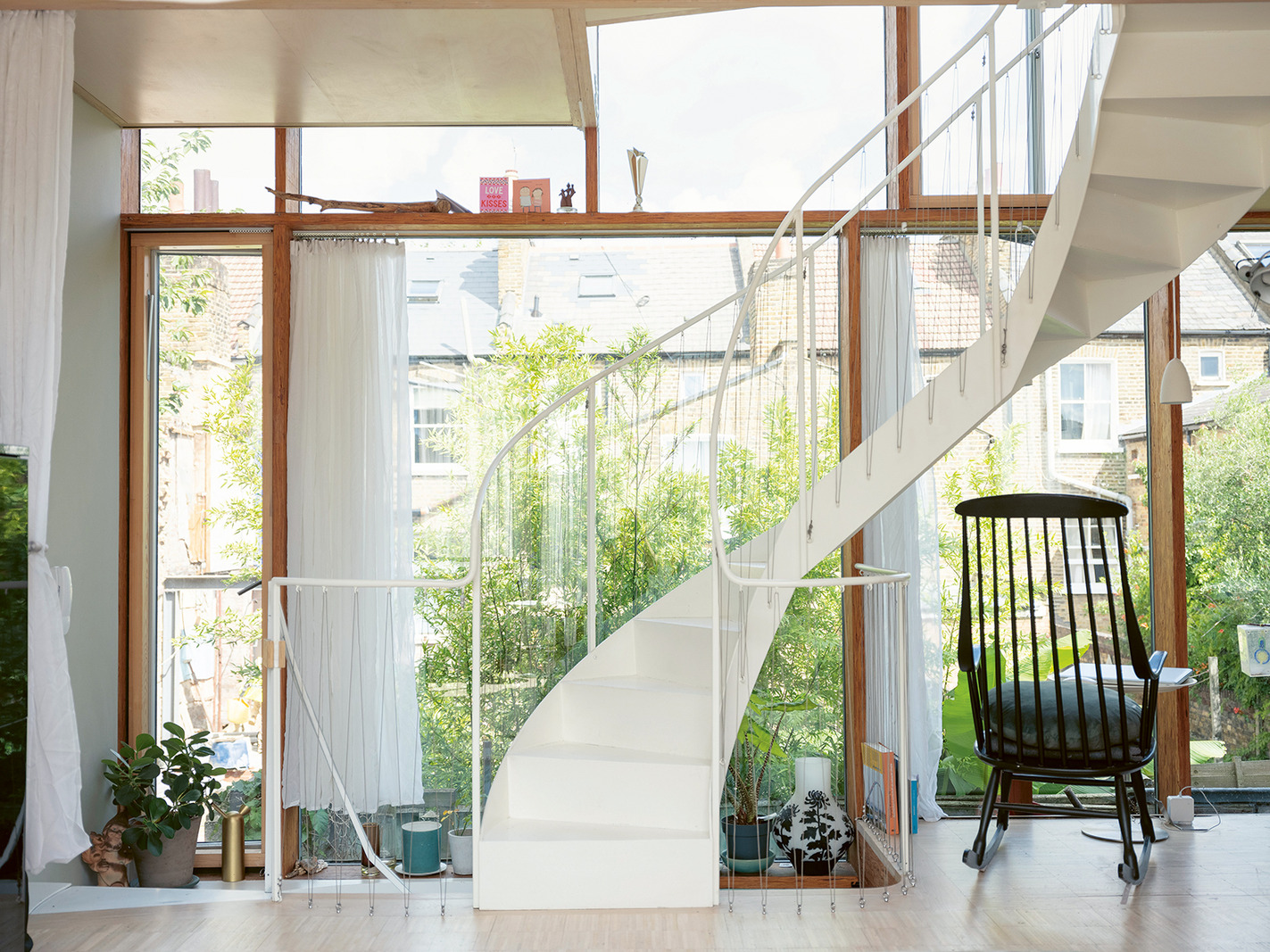
At Home in London: The Mews House by Ellis Woodman (MACK/ The Architecture Foundation)
Mews houses are curious things - something that this new book, from The Architecture Foundation and MACK, explores. Initially built to house coaches and horses, they became less necessary as more people began to drive cars in the early 20th century. As a result, mews houses, often tucked down sequestered pockets of the city, were reimagined as residential spaces. Seventeen examples of modern mews houses, from the 1960s to the current day, are charted in this book, from self-built architect homes to Torriano Cottages, an otherworldly oasis in the heart of Kentish Town, sold by none other than the Modern House.
Pictured: i) 66 Camden Square. ii) Chowdhury Walk. iii) Whatcott's Yard. All images: Matthew Blunderfield, from At Home in London: The Mews House by Ellis Woodman (MACK, 2025). Courtesy of the artist and MACK.
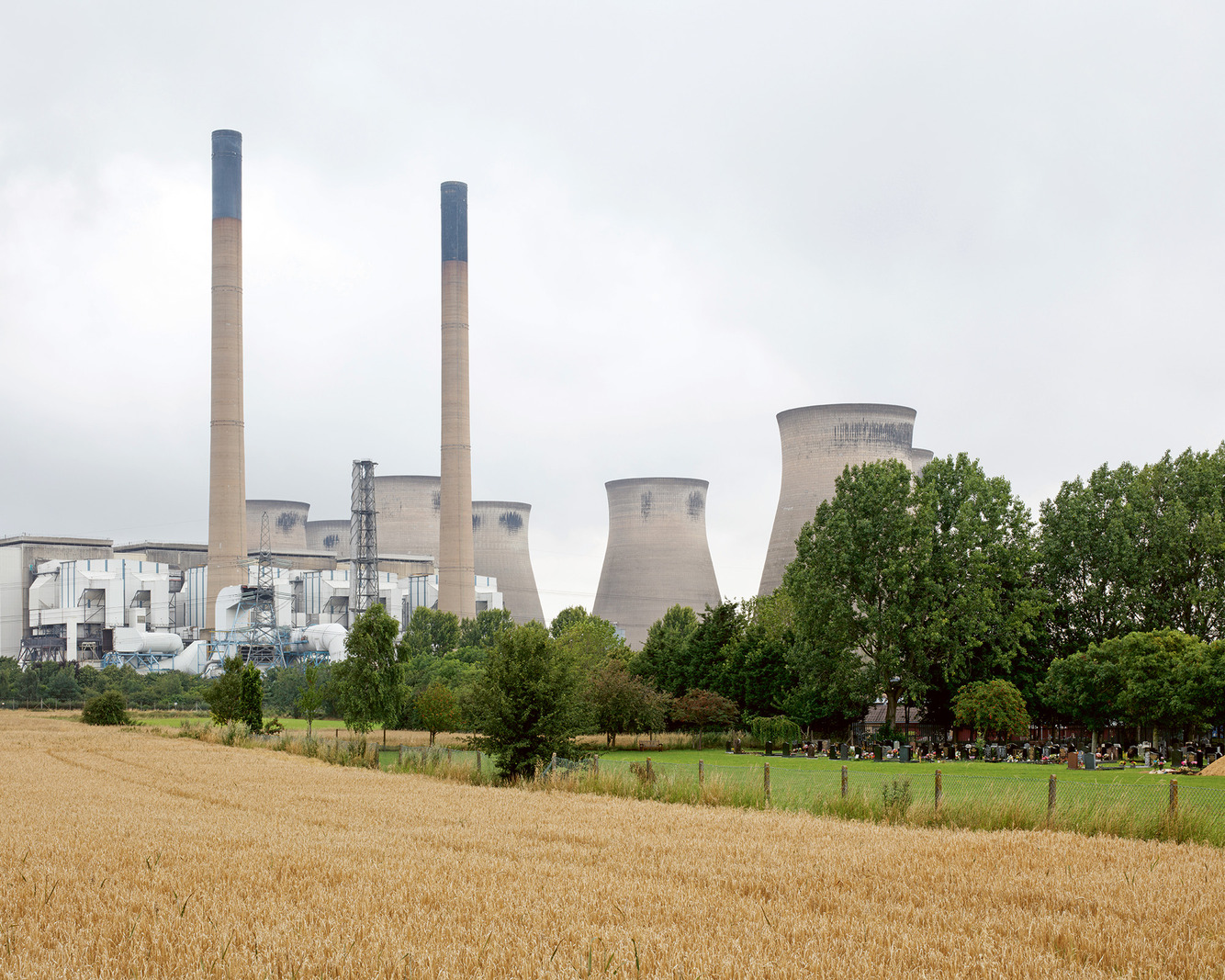
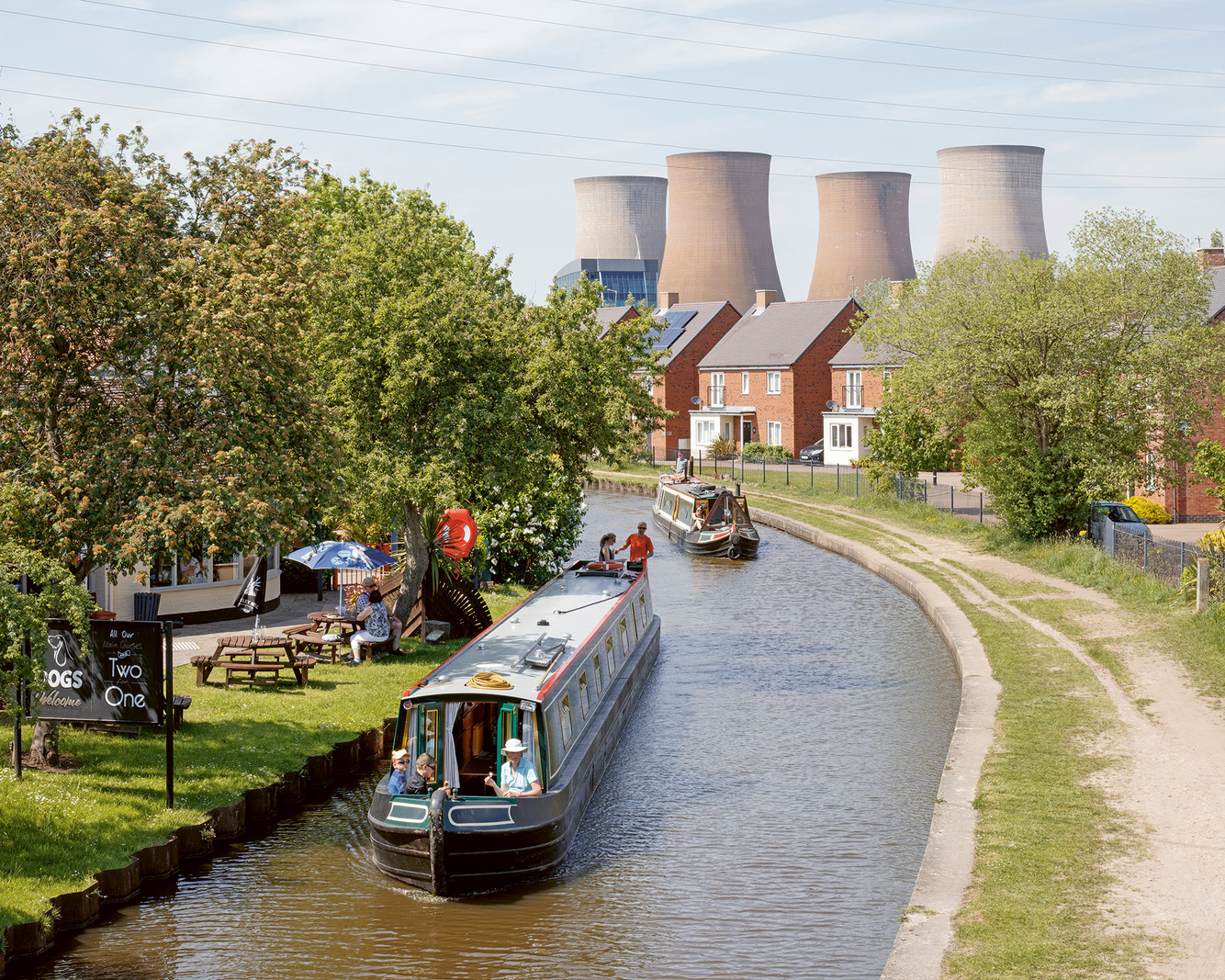
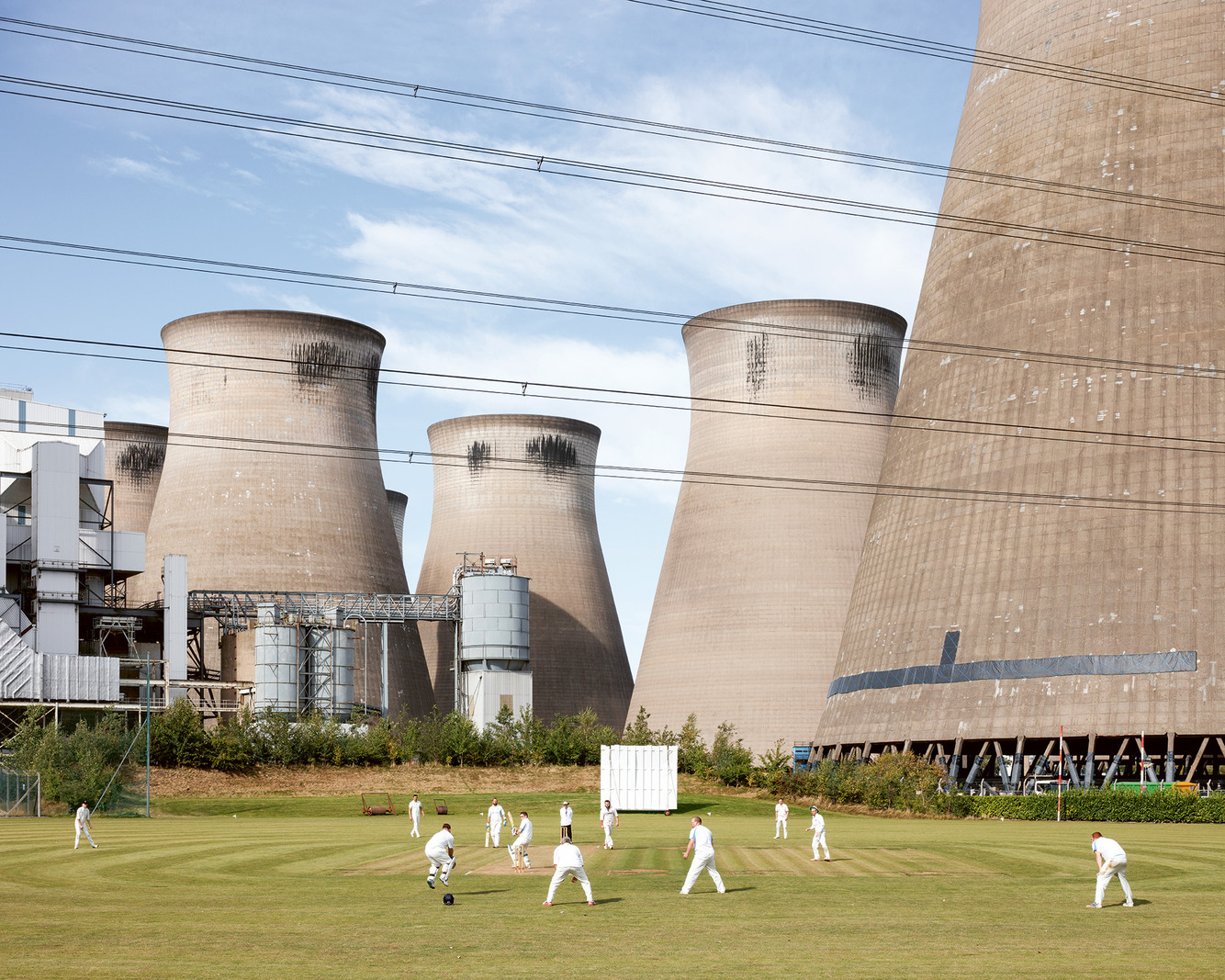
Cooling Towers (Batsford Books)
A brutalist spectacle, cooling towers have been a part of the British architectural fabric ever since they were constructed as part of the 20th-century industrial landscape, forming a visual record of Britain’s coal-fired power stations. Now, they risk extinction, with many scheduled to be demolished. This large-scale book, whose full title is Cooling Towers: A Celebration of Sculptural Beauty, Industrial History and Architectural Legacy, contains contributions from Otto Saumaurez Smith, Hugh Pearman, poet Patrick McGuinness, and a foreword by Sir Anthony Gormley, endeavours to create a photographic record of the towers, celebrating their sculptural, social and formal significance.
Pictured: i) Ferrybridge Power Station, West Yorkshire. ii) Rugely Power Station, Staffordshire. iii) Drax Power Station, North Yorkshire. All images: Luke O'Donovan.
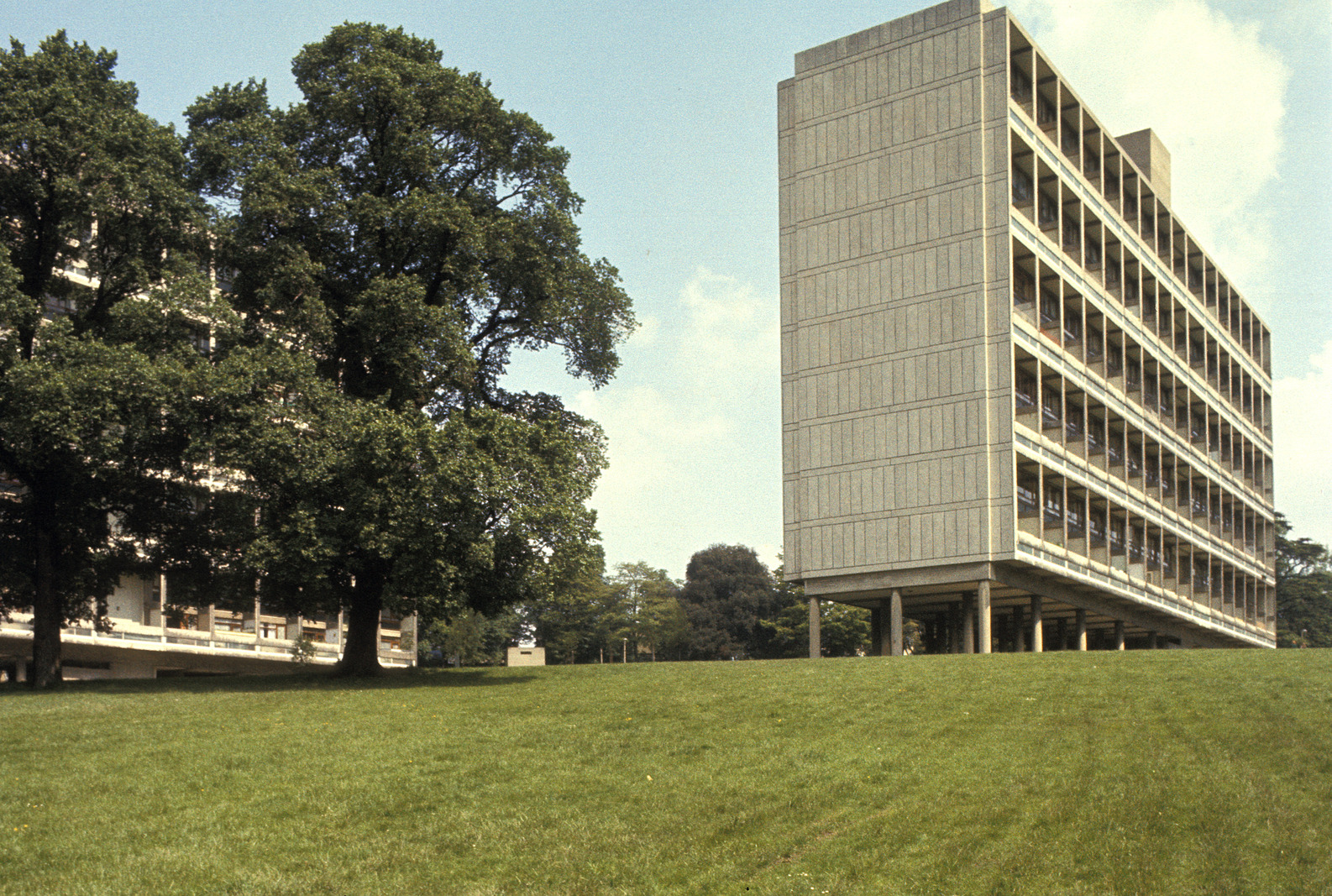
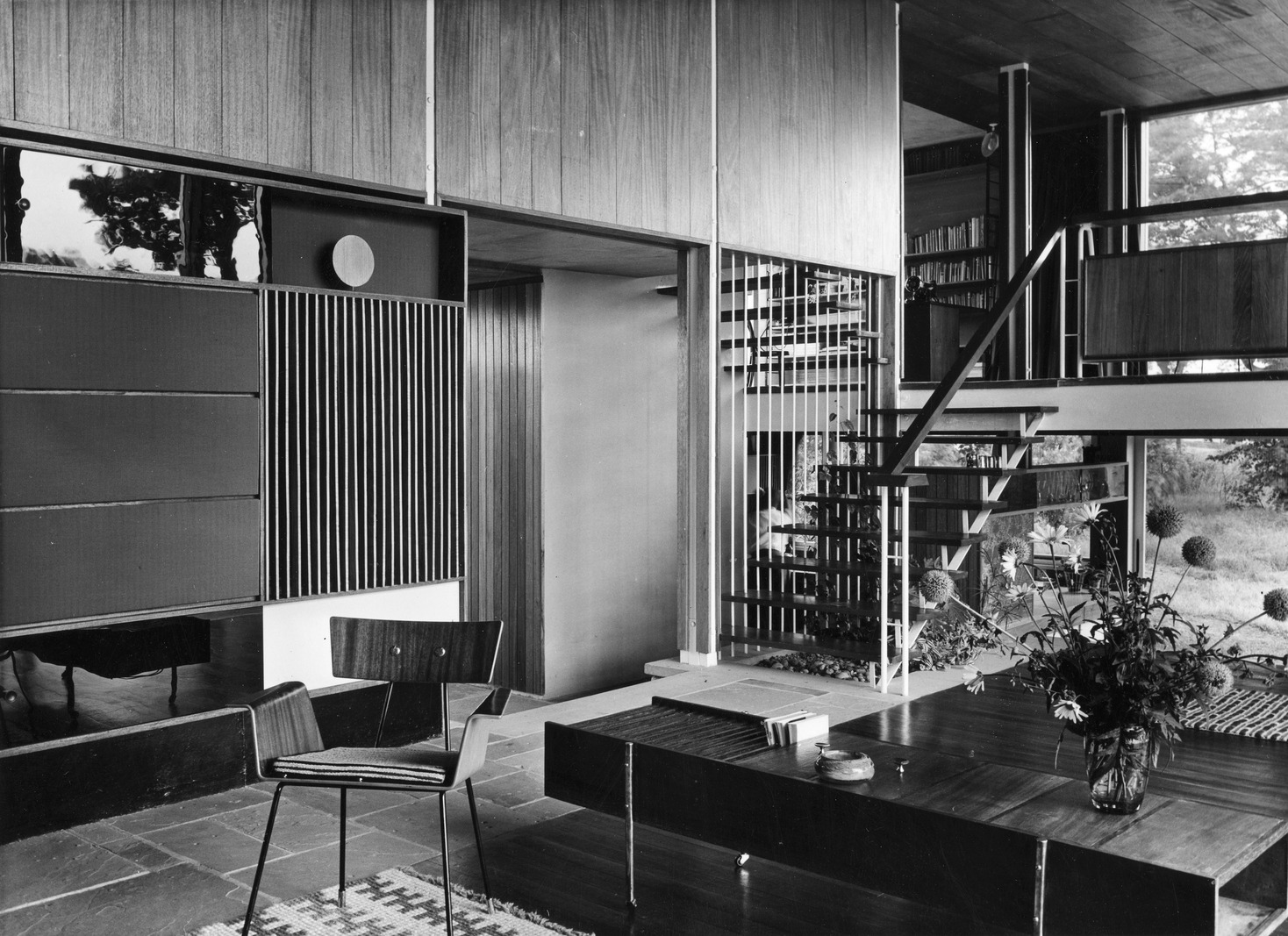
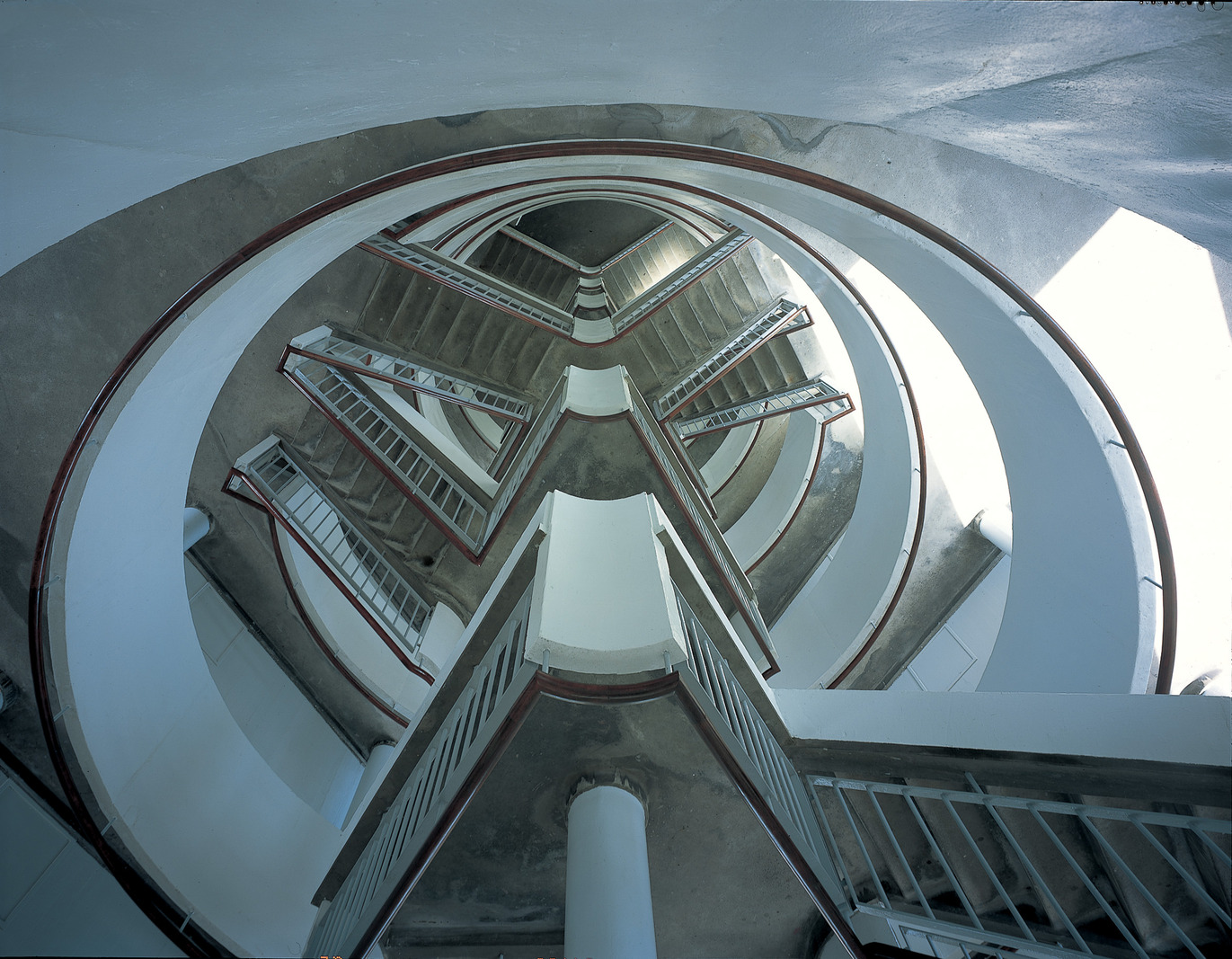
Post-War Homes: Mid-Century British Architecture by Dominic Bradbury (RIBA Publishing)
In his latest book, published by RIBA, Dominic Bradbury has turned his attention to the optimism of Britain’s unprecedented post-war building boom, from mid-century new town to high-rise, north Yorkshire to north-west London. A thorough survey that transports us through the 50s and 60s, via thirty case studies illustrated with full colour photography and archive imagery from RIBA, Post-War Homes celebrates the innovative, modern approaches of architecture extolled during the period. It features some familiar The Modern House names too, including Bevin Court, Upper Lawn, and Farnely Tyas.
Pictured: i)The London County Council (LCC), Alton West, Roehampton, London, 1959. An 11-storey maisonette slab block Image credit: John Donat/RIBA Collections ii) Peter Womersley, Farnley Hey, Farnley Tyas, West Yorkshire, 1955. Image credit: Architectural Press Archive/RIBA Collections iii) The striking central staircase at Bevin Court. Image credit: Morley von Sternberg/ RIBA Collections.
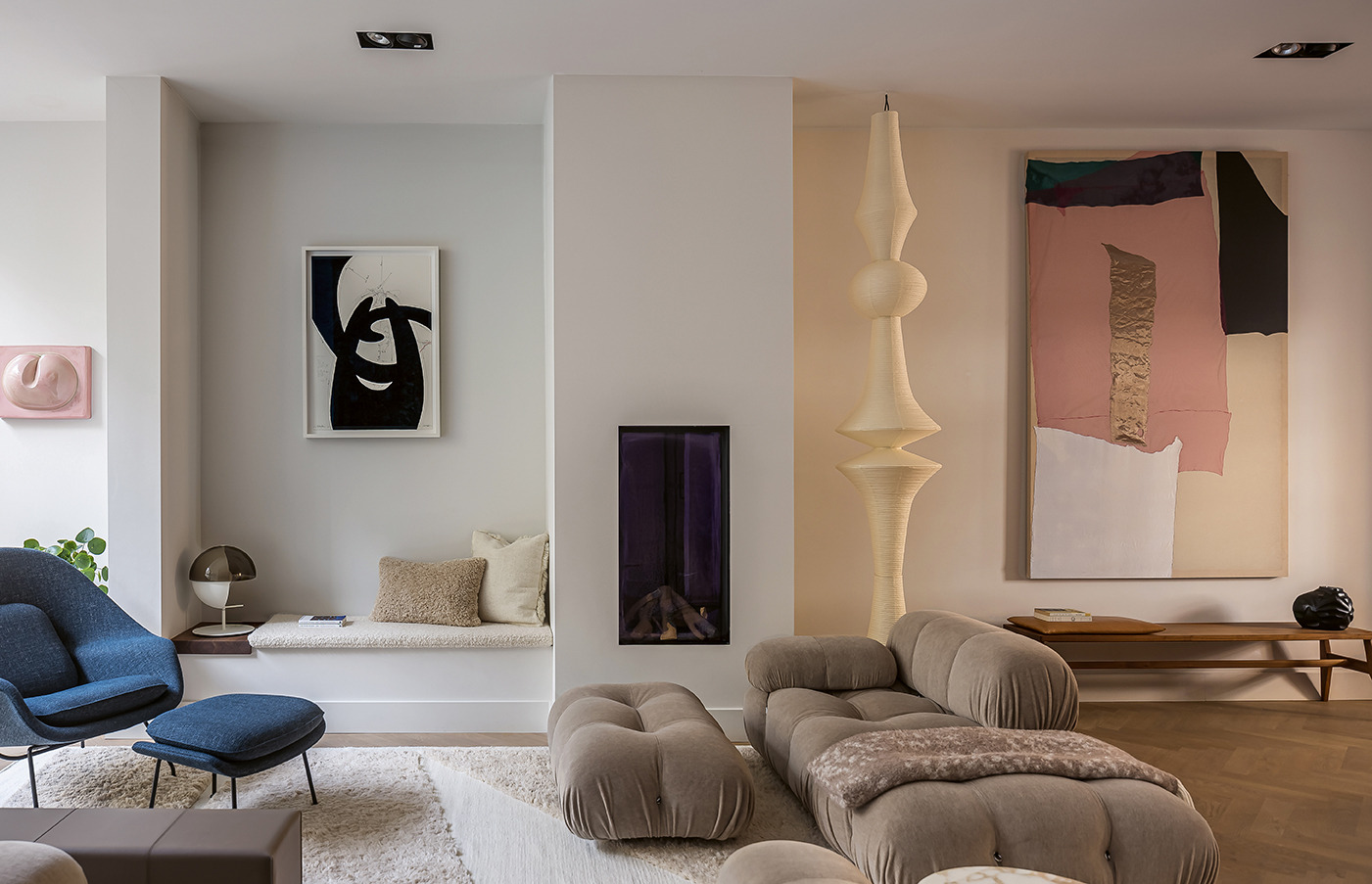
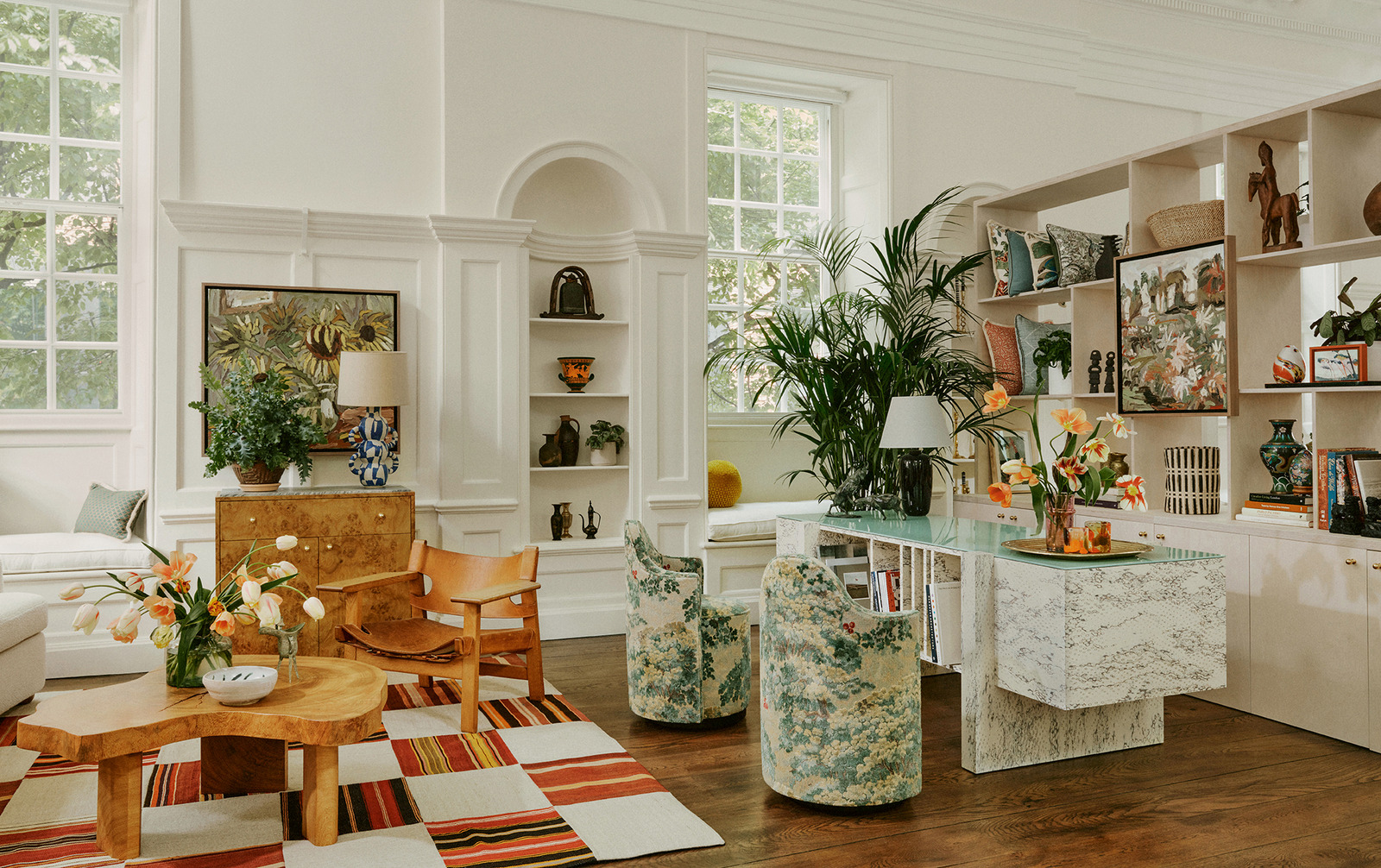
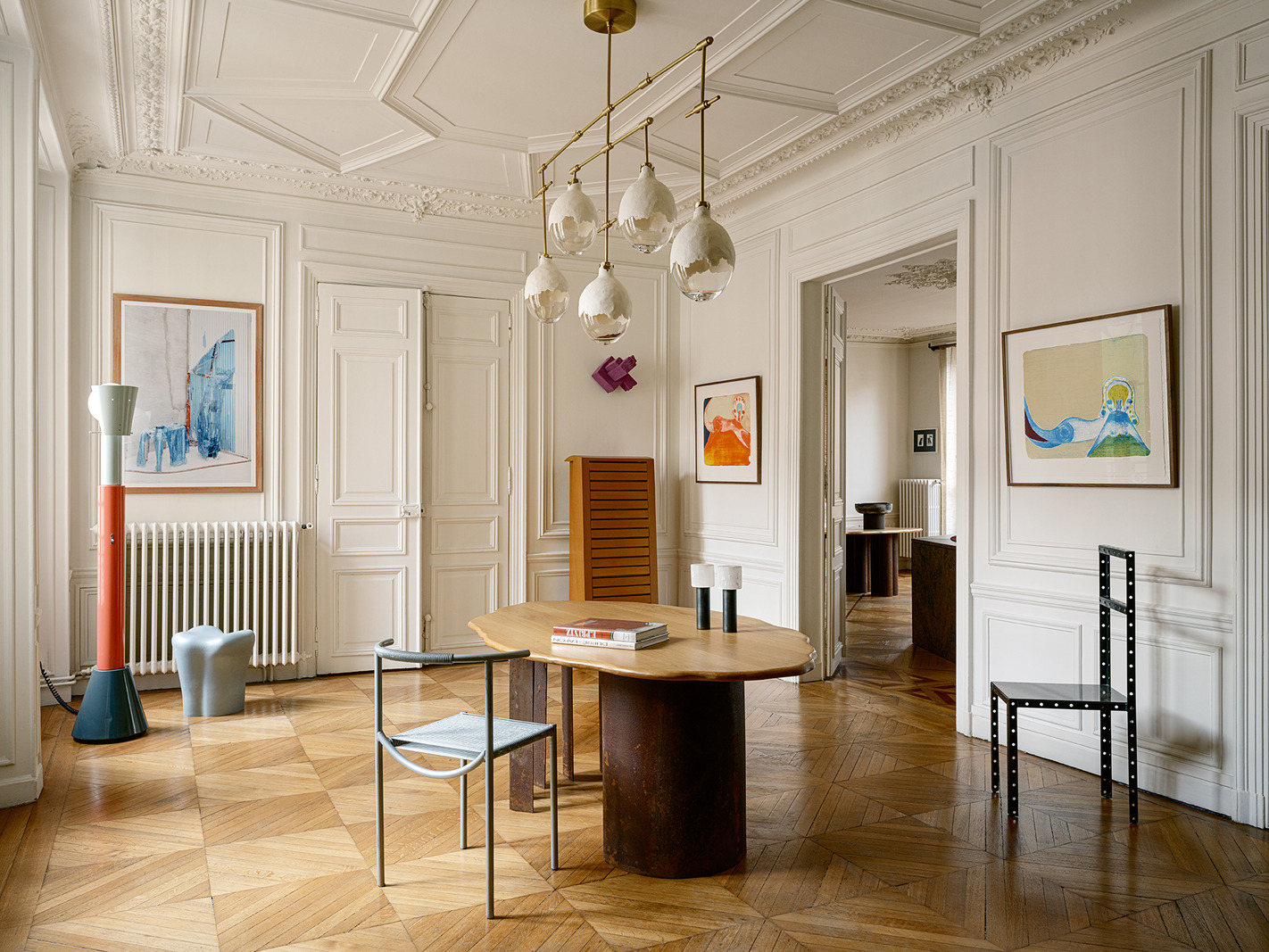
Making Space: Interior Design by Women by Jane Hall (Phaidon)
Following on from Architecture by Women (2019) and Woman Made (2021), Professor Jane Hall has, in her latest book, provided a staggering survey of 250 women interior designers. It’s a remarkable feat; in it, Hall covers the 20th century to the present day, and looks at designers from more than 50 countries. There are familiar names, like Sibyl Colefax and Rose Uniacke, as well as a roster of brilliant underappreciated and/or burgeoning figures. It’s beautifully designed, too – a decidedly vibrant and informative addition to any decorative scheme.
Pictured: i) Laura Panebianco, Private residence, Amsterdam, The Netherlands, 2022. Image credit: Thomas de Bruyne. ii) Sophie Ashby, Showroom at The Blewcoat School, London, UK, 2022. Image credit: The Blewcoat School by Studio Ashby, photographed by Kensington Leverne. iii) Sophie Dries, Sophie’s home, Paris, France, 2021. Image credit: Christophe Coenon.
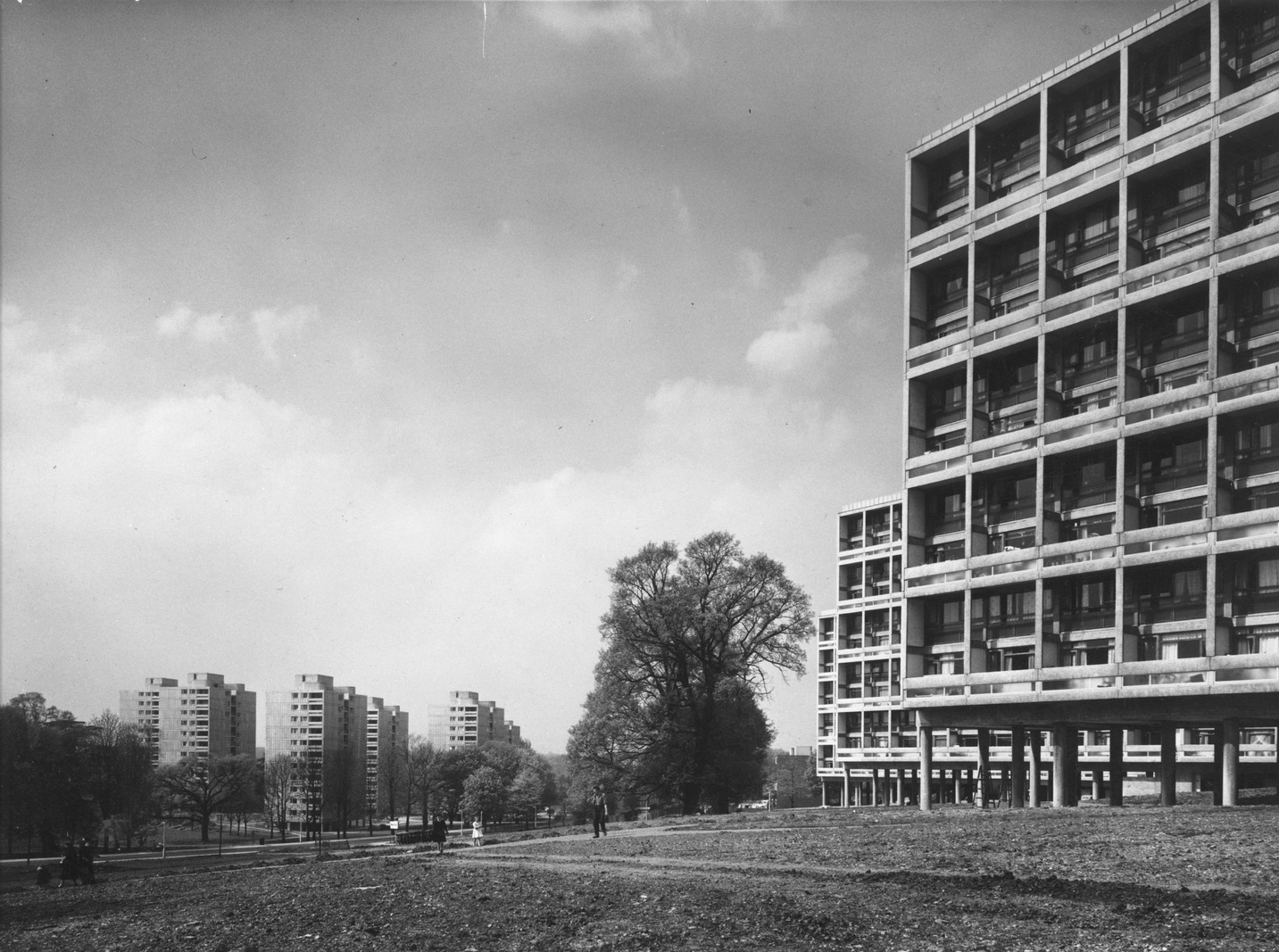
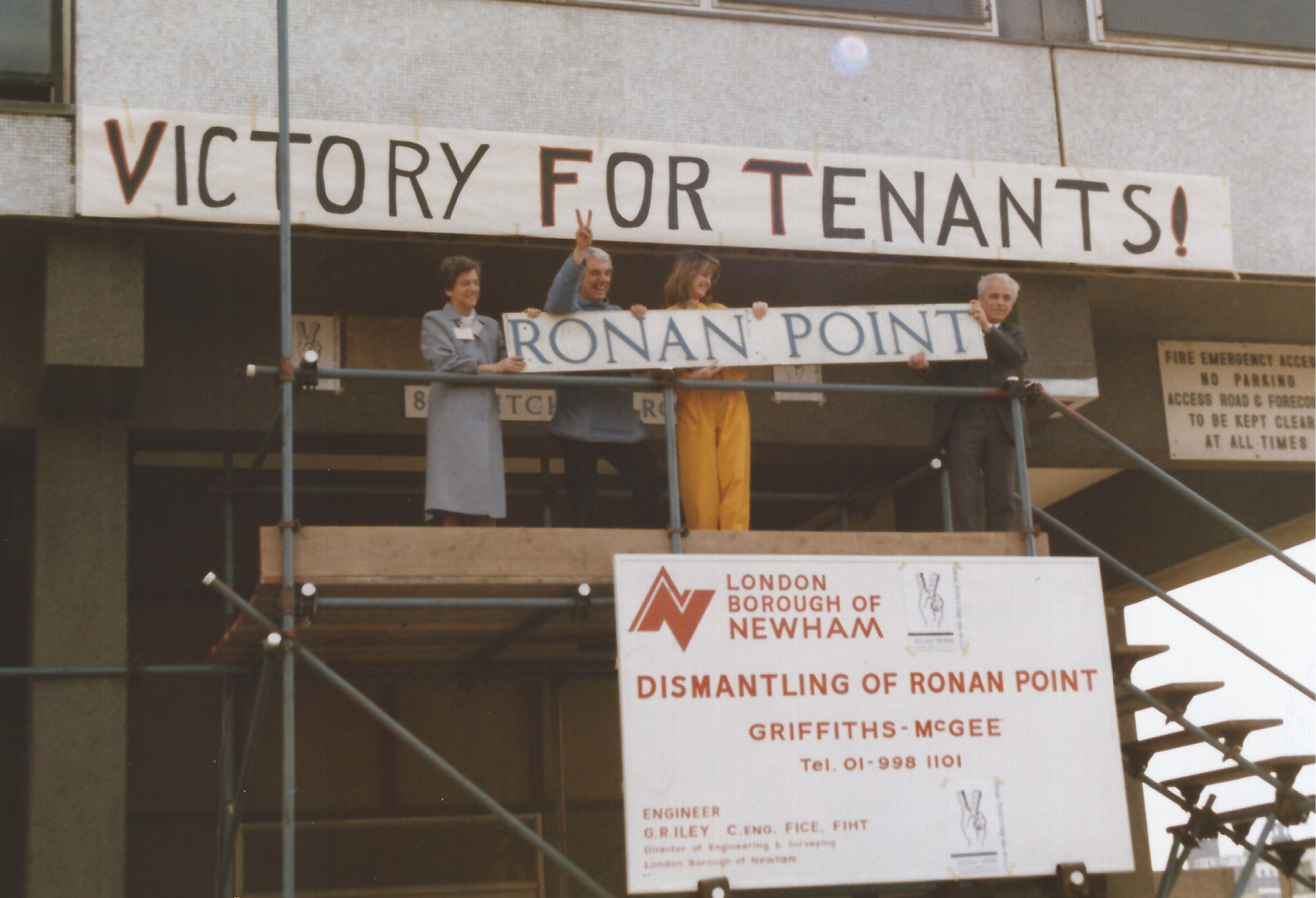
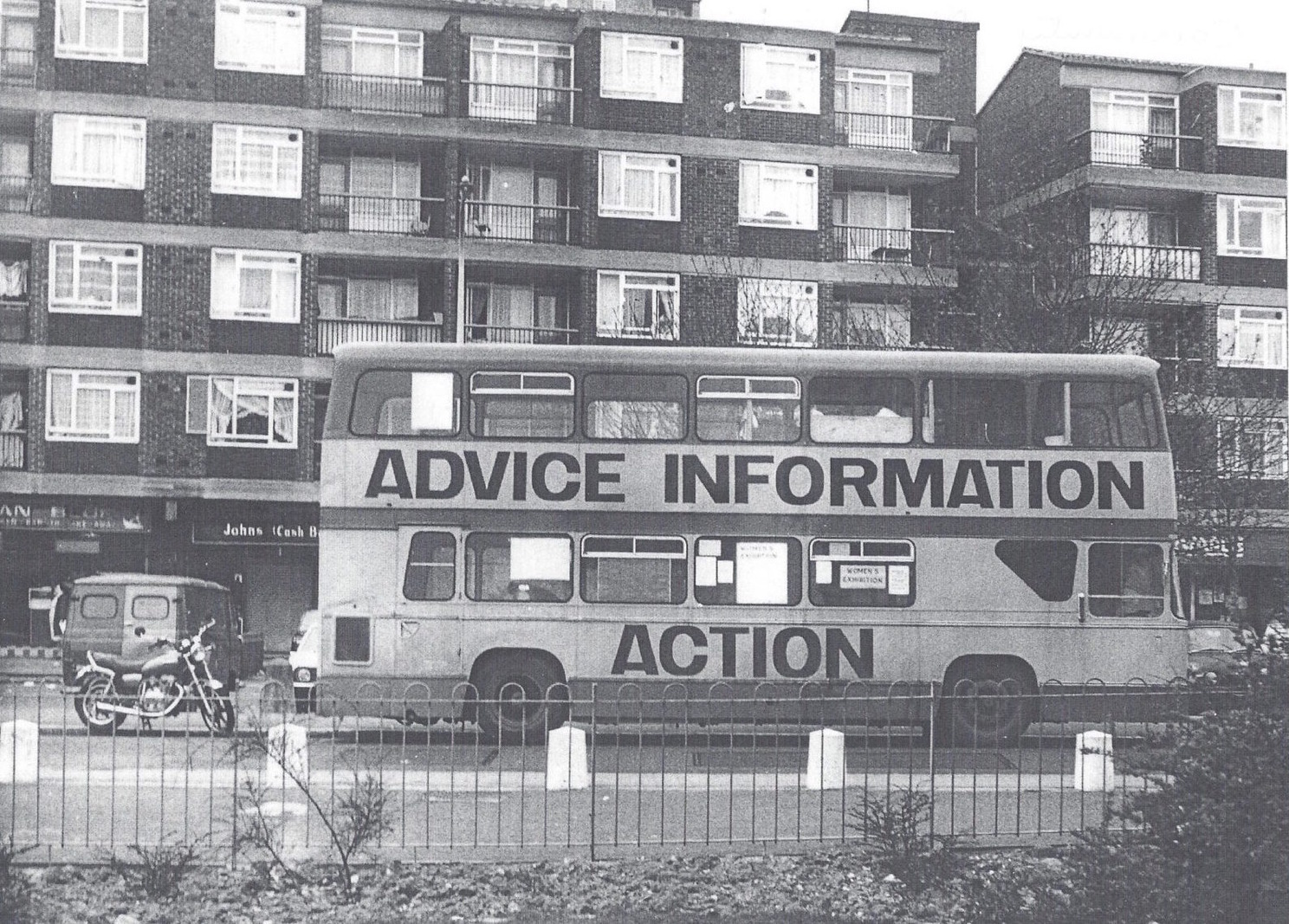
Up in the Air: A History of High Rise Living by Holly Smith (Verso)
What’s it really like to live in a council tower block? While the high rise can be seen as a symbol of the welfare state from its beginnings to the present day, in Up in the Air: A History of High Rise Britain, historian Holly Smith puts the voices and stories of the tenants themselves at the centre of the narrative. From the effect on the local community of the construction of Sheffield’s Park Hill in the 1950s, via the advocacy of a National Tower Blocks network fighting for high-rise safety, to the fierce battle to defend estates from demolition in the 2010s, this is the human perspective on Britain’s most misunderstood buildings.
Pictured: i) Showpiece housing, Alton West, Roehampton, London. Image credit: Reginald Hugo de Burgh Galwey, 1954 (©Architectural Press Archive/RIBA Collections); ii) Dismantling of Ronan Point, 16 May 1986 (Newham Photos ©London Borough of Newham Heritage Service); iii) The Community Links bus on the Brooks Estate. Image credit: Frances Clarke, 1980 (©Frances Clarke/Tower Blocks UK)


