Quietly ordinary, deeply meaningful: the family home of architects O’Sullivan Skoufoglou
April 30th, 2026
Words & Styling Jennifer Haslam
Photography Kristy Noble
On a street lined with towering Victorian villas, a modest terrace of six semi-detached 1930s houses quietly interrupts the prevailing grandeur. It was this unassuming row of pebble-dashed homes in north London that first caught the attention of Jody O’Sullivan and Amalia Skoufoglou, founders of architectural practice O’Sullivan Skoufoglou. “We had lived around the corner and passed these houses on the school run for years,” recalls Jody. “We were always intrigued by their presence, a distinct shift from the surrounding architecture.”
A ‘For Sale’ sign one morning prompted a closer look. Initially viewing the house next door, the couple quickly recognised its spatial potential. “We had been living in a narrow Victorian terrace arranged over several floors,” Jody explains. “It felt disconnected, with a garden accessible only via an external stairwell, less than ideal for family life.” (The couple have two children.) They were ready to explore a different domestic language. “As architects, we tend to see beyond what’s there,” he adds. “Where others might rely on instinct, we would like to think we can visualise quickly."
The purchase, however, was not without its complications. The original property was withdrawn from the market at the last minute. Yet, in a turn of good fortune, the neighbouring house became available just a week later. “We had already fallen for the typology and its potential,” says Amalia. “So we moved quickly.” The house they secured proved to be an even greater find. Largely untouched, it retained a wealth of original features. “It had barely been altered,” Jody notes. “The previous owner had lived there his entire life, passing away in his eighties.”
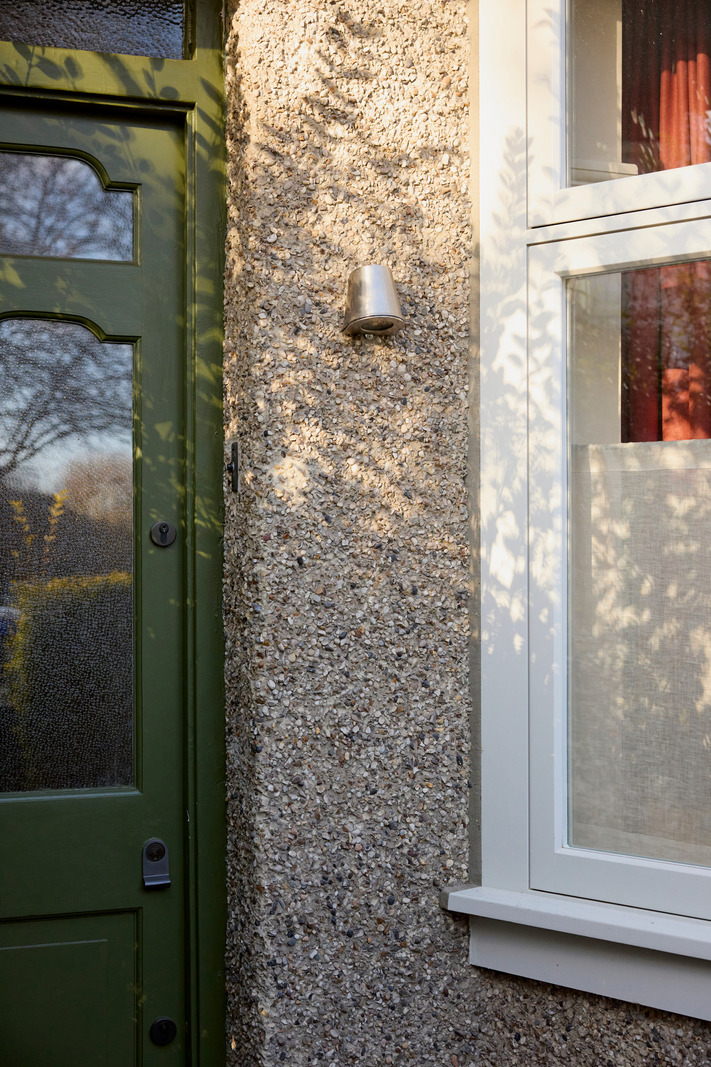
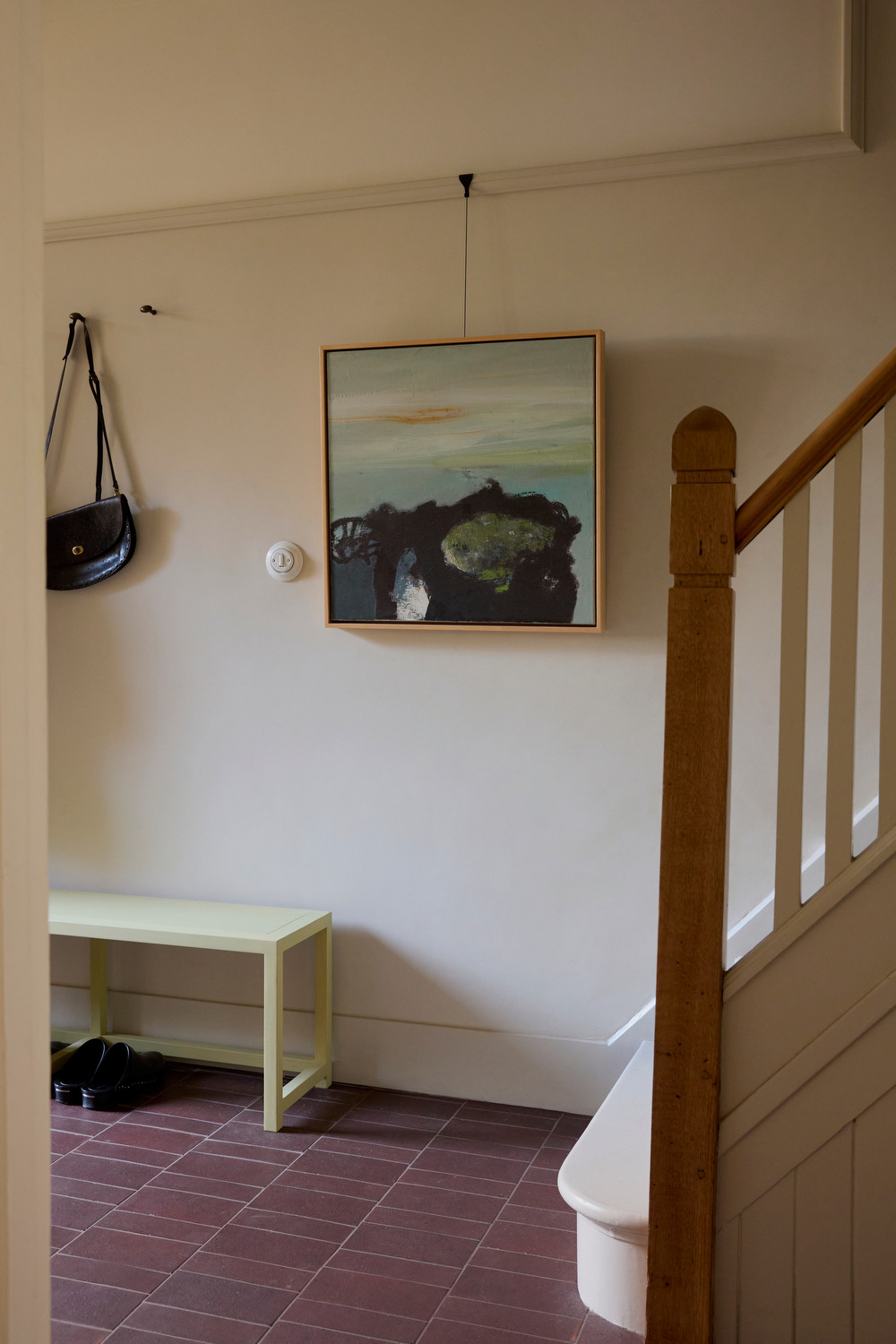
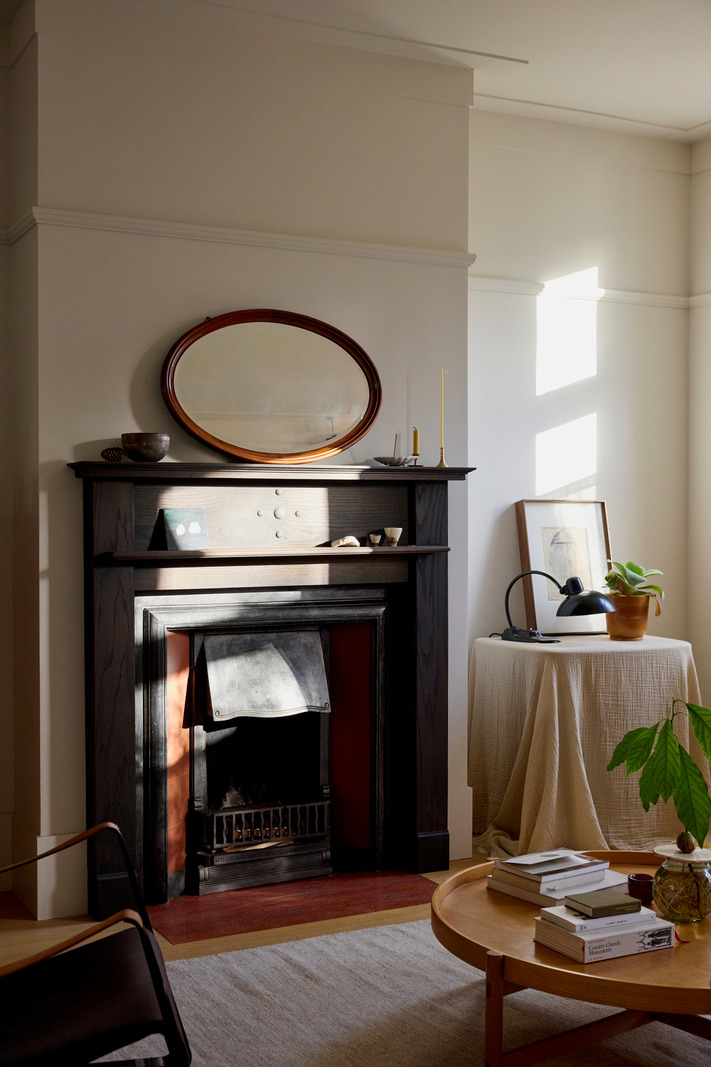
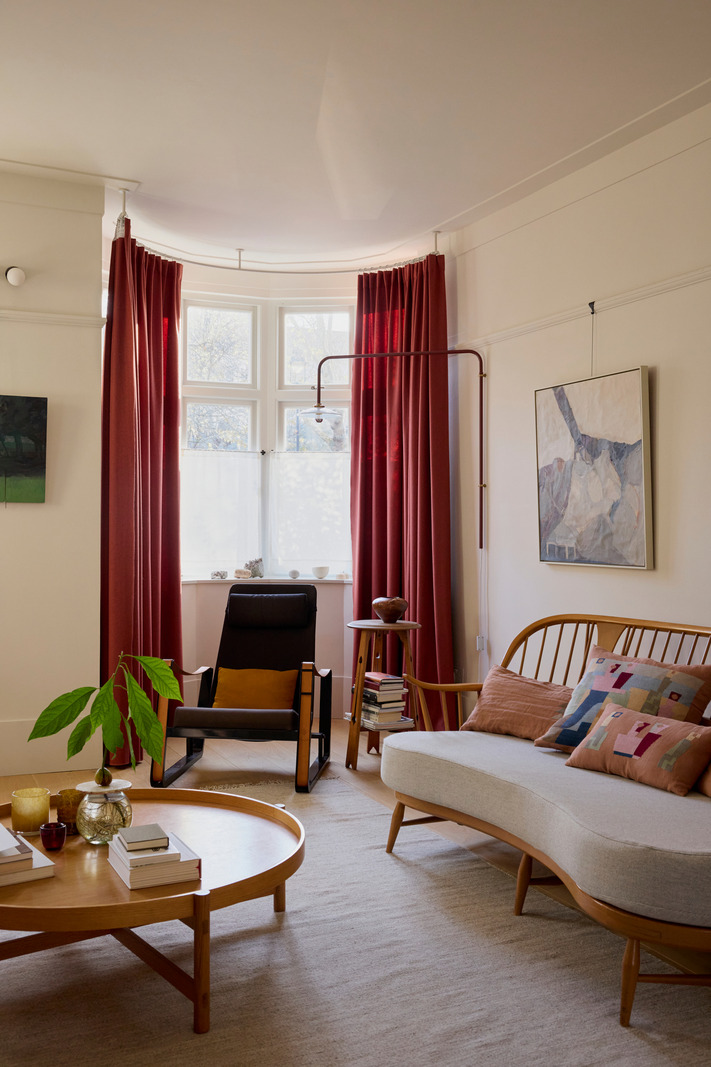
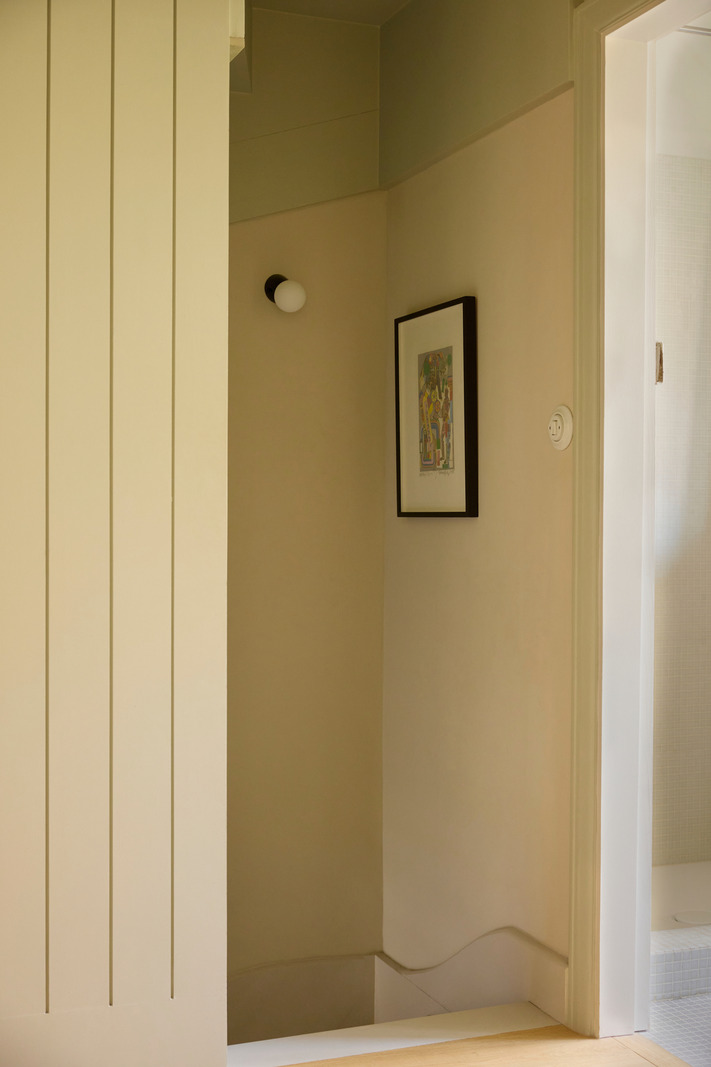
Original fireplaces remained intact on both floors, alongside picture rails and an Arts and Crafts-style stairwell. The distinctive bay windows, repeated across levels, became focal points within the home. “They are my favourite spaces,” Jody reflects. “On the ground floor, I begin each day with a cup of coffee there. The morning light creates a shifting pattern of shadows across the walls. In my daughter's room, it houses her desk. I'm always envious of where she gets to study.”
Exchanging contracts in the summer of 2023, the purchase was swiftly followed by an eight-month renovation, during which the family lived off-site. The ambition was clear: to create a home that supports the rhythms of everyday life. “Our understanding of ‘home’ has evolved over time,” Amalia explains. “It should provide a framework for living – something shaped as much by routine and use as by design. We wanted to create a space that feels quietly ordinary, yet deeply meaningful.” What followed was a comprehensive yet sensitive modernisation. “Every detail was carefully considered and the process was all-consuming at times, but it also gave us a valuable perspective as clients rather than architects for once,” says Amalia.
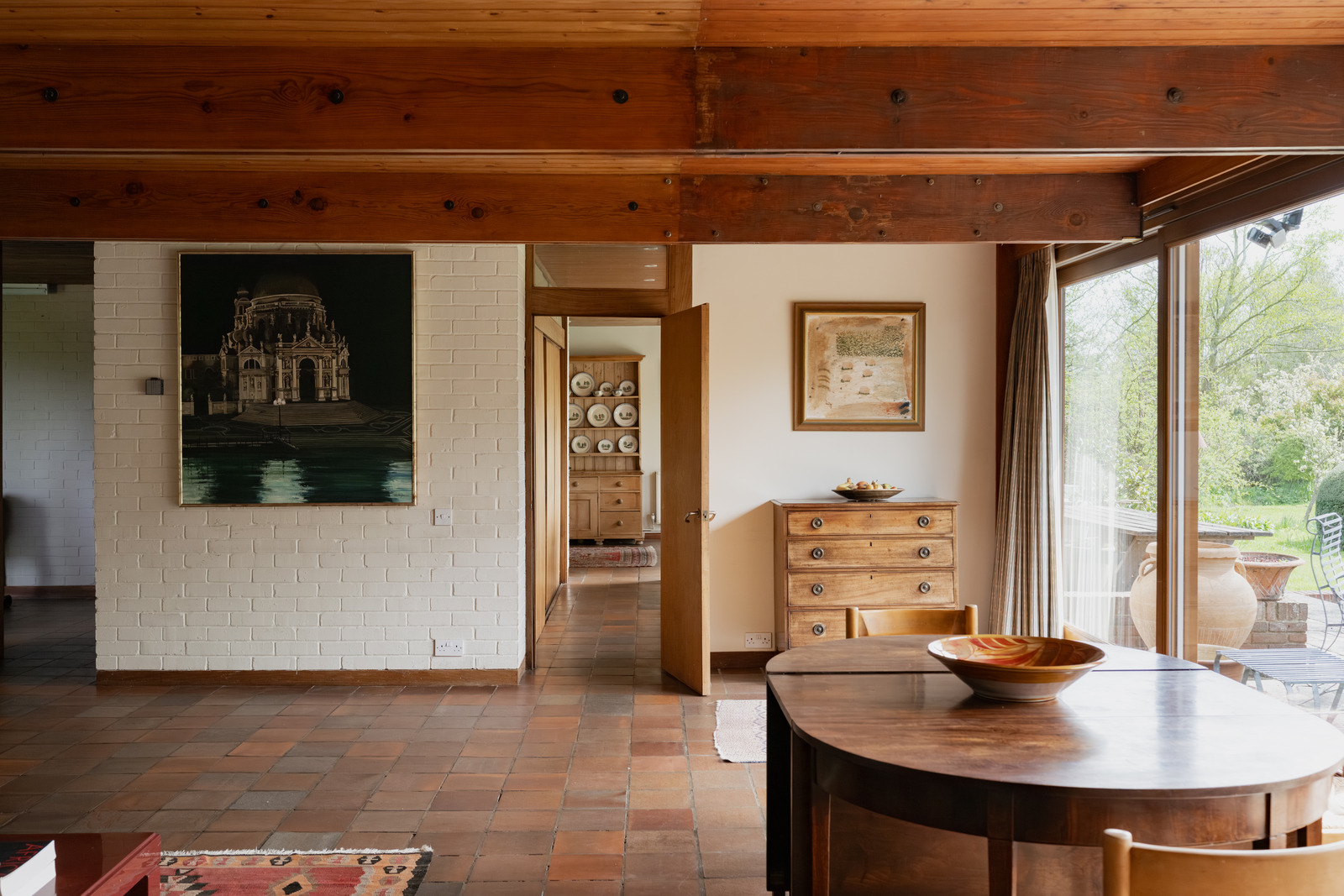
A restrained material palette and soft colour scheme were inspired by the home’s 1930s roots, while existing elements were thoughtfully repurposed wherever possible.“We chose to use a singular material of quarry tiles reminiscent of the era to line the hallway flooring and extend through into the kitchen and further to the garden outside, but we laid them in a mixed-size format to introduce a subtle sense of play and add a more contemporary note,” explains Amalia. The flooring choice is both durable and practical, but their arrangement elevates them beyond the purely functional, an approach the couple have used throughout. “Period light switches and solid door handles bring tactility to daily interactions,” says Jody. “These are the details you engage with consistently, they add a luxury to everyday touch points.”
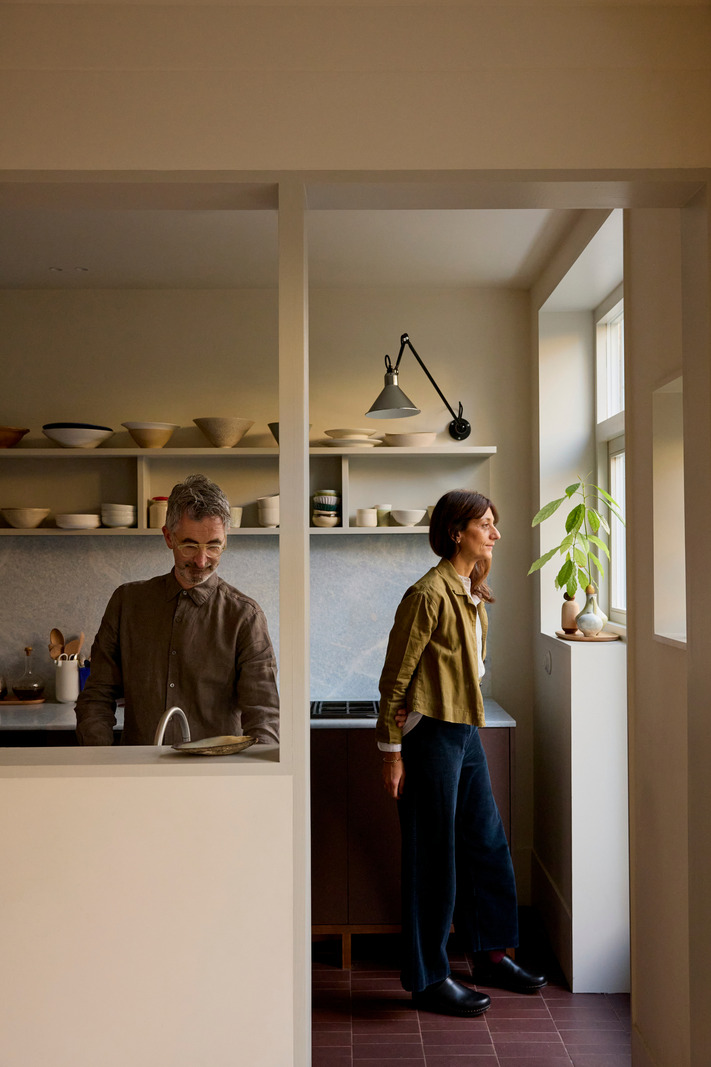
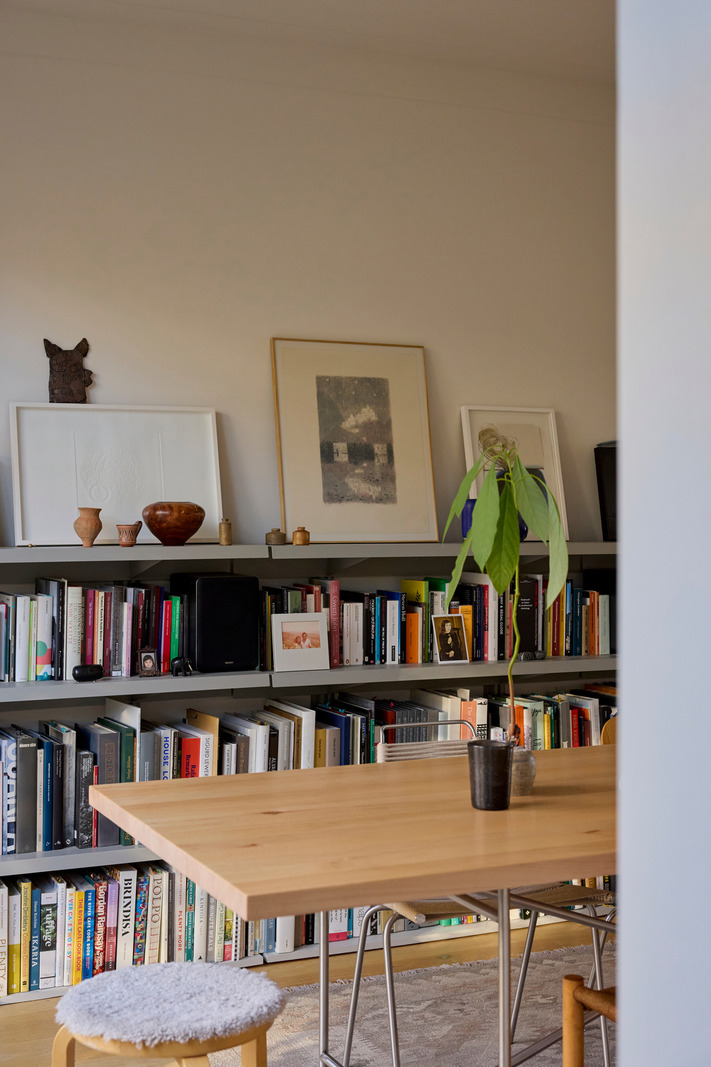
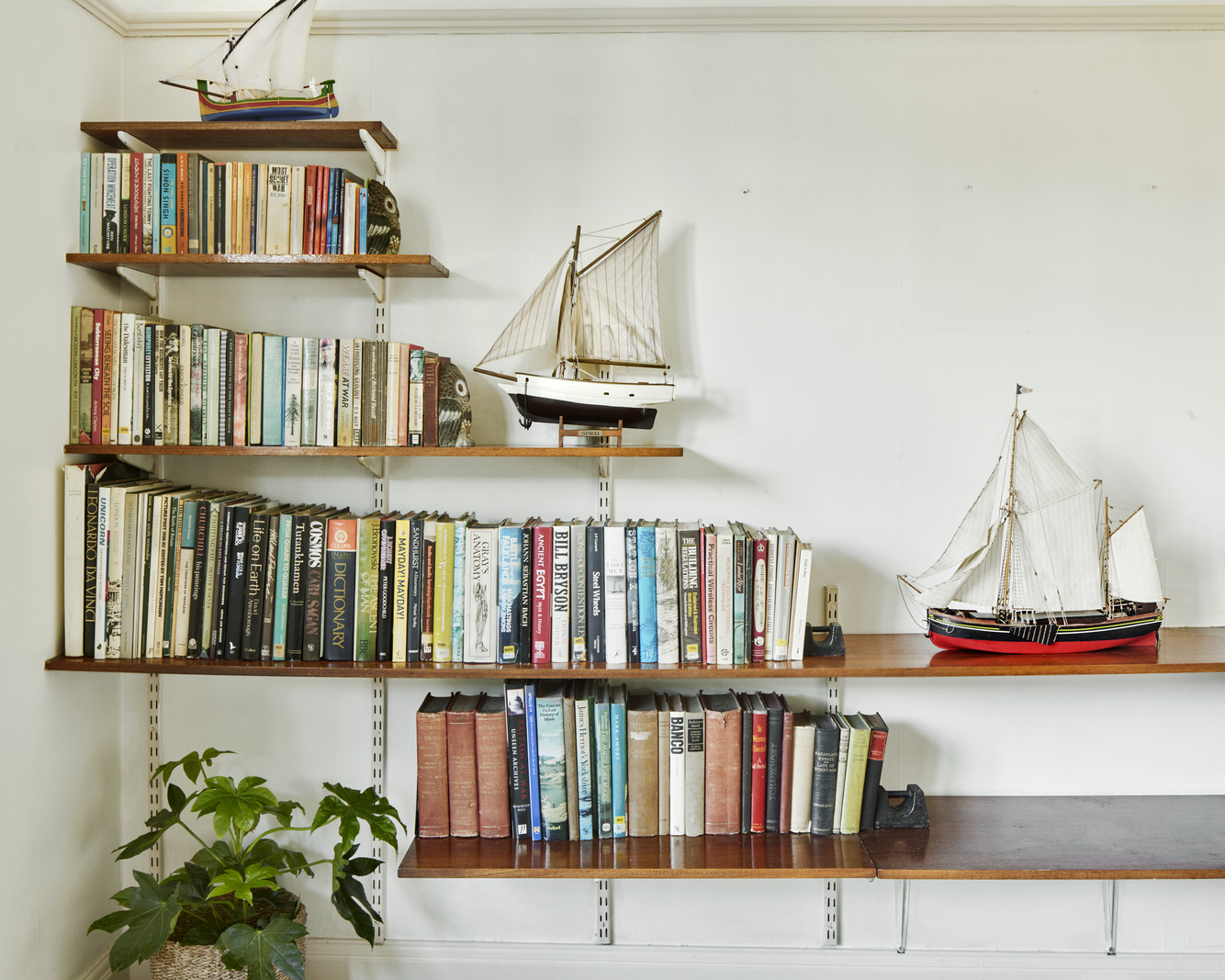
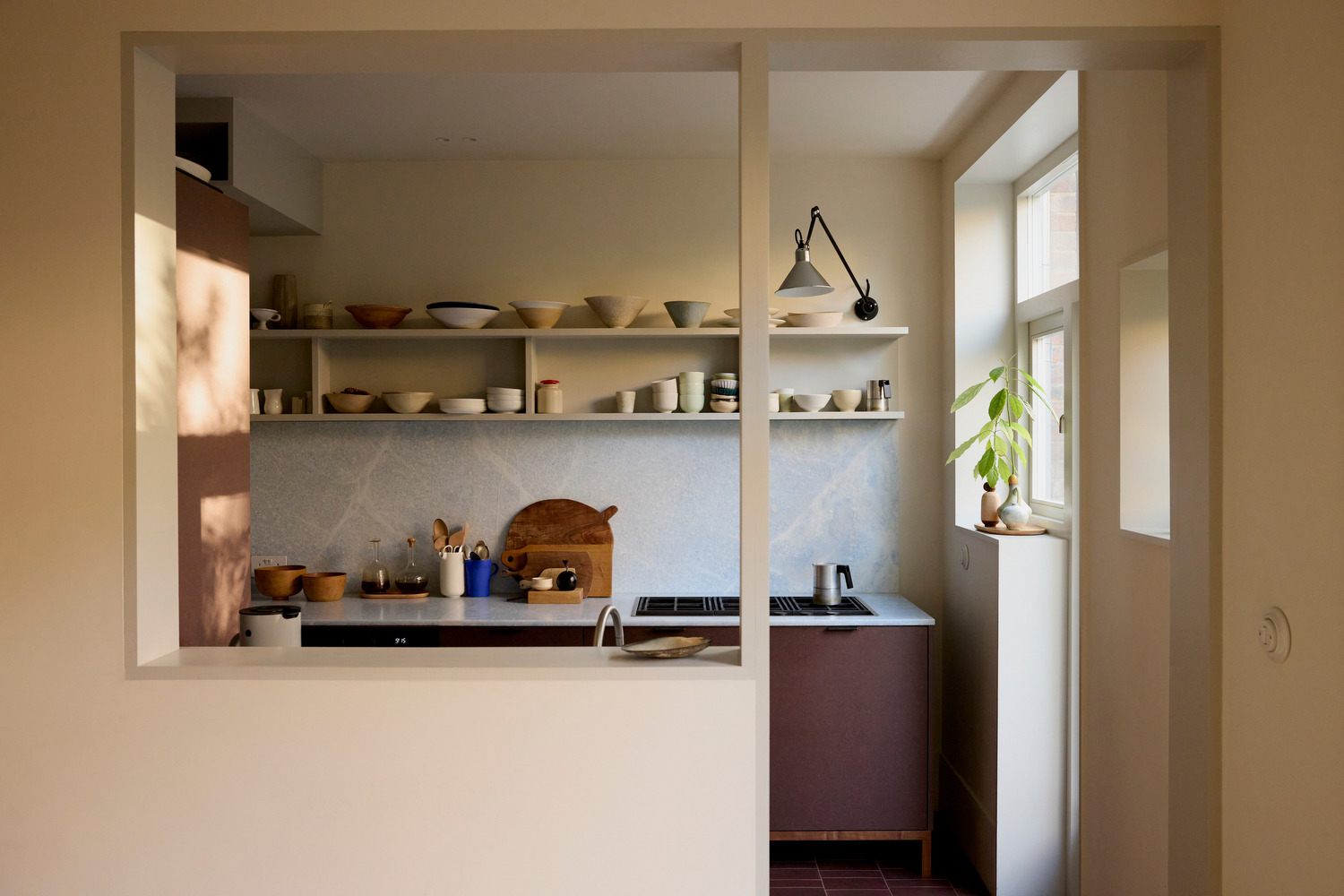
Structurally, interventions were minimal but strategic. The wall between the living and dining rooms was removed, while a doorway and internal opening were introduced to open up the kitchen. These changes enhance sightlines and allow light to travel uninterrupted from the front to the back. “The kitchen itself was conceived as a freestanding piece of furniture. Raised on legs rather than a plinth, it maximises the sense of space within the narrow footprint,” explains Jody. The cabinet doors are made from modest materials, yet are paired with a marble worktop and splashback, an interplay of restraint and refinement. “We were interested in elevating the ordinary,” Amalia says. A run of open shelving in the space offers both practicality and a place for display. “I’ve always been drawn to collecting things, objects gathered over time, bowls, ceramics; here they become part of daily life rather than display items.”
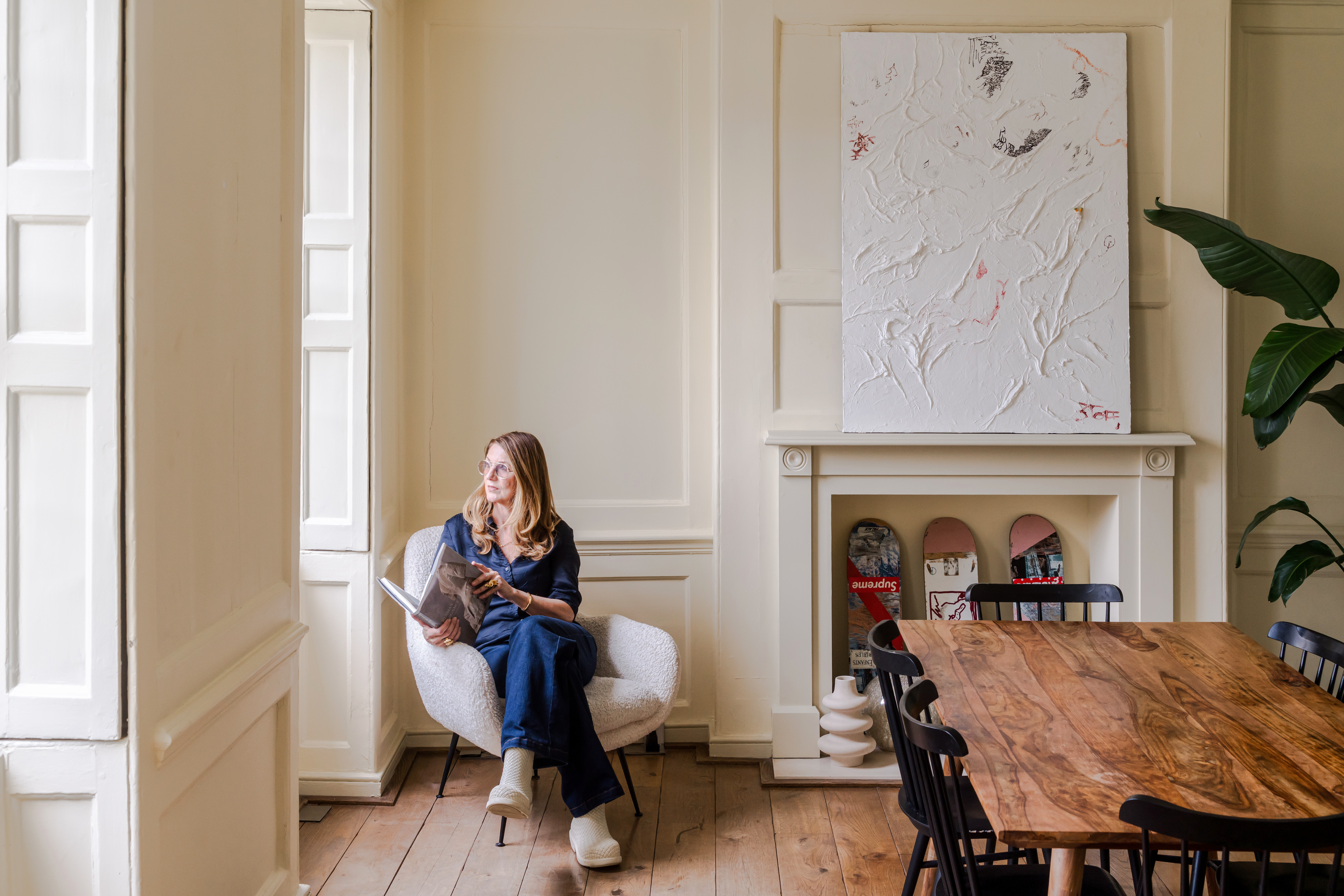
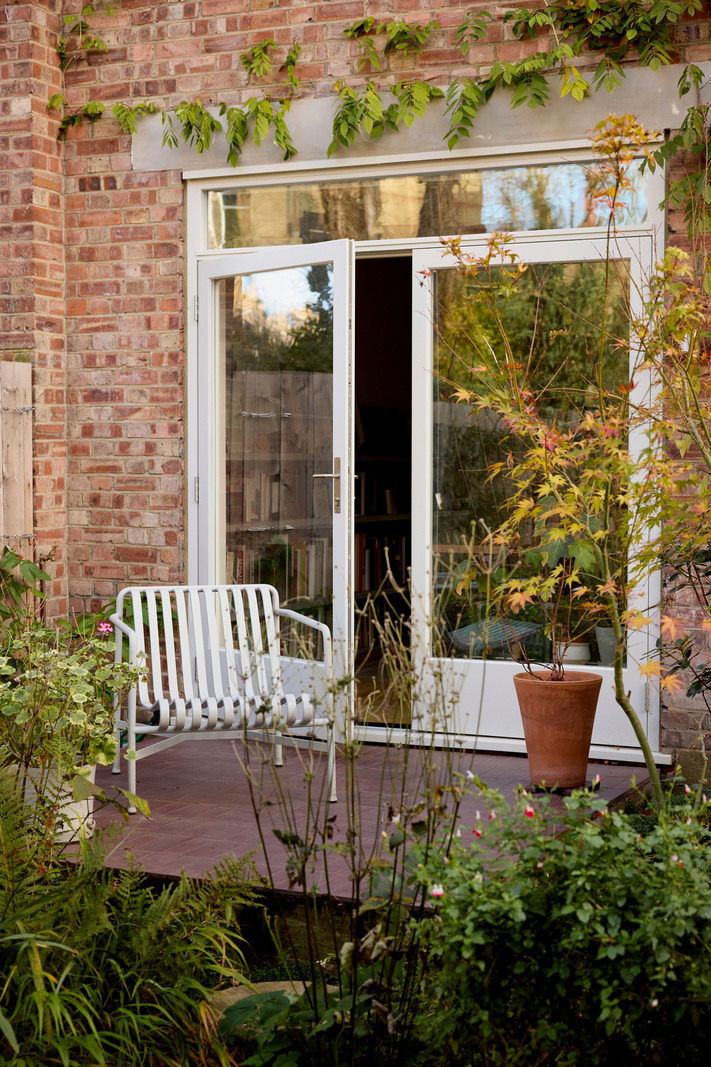
The dining room forms the social heart of the home. This is where life happens, family meals, conversations with clients; it’s central to how the family lives. A large plank table, carried over from a previous home, anchors the space and is framed by expansive patio doors, where the room extends into the garden during warmer months. “For half the year, it feels like an additional room; we open the doors and the separate spaces become seamlessly connected,” says Amalia. “A good interior should provide the framework for living, it should allow different uses, different moods and even a certain degree of unpredictability. It should work in the background – comfortable, usable and intuitive. People’s needs evolve, so interiors should be adaptable rather than fixed or overly designed. It should feel connected to its context, whether that’s a street, a garden or a wider building. A good interior should not feel sealed off or isolated,” she asserts.
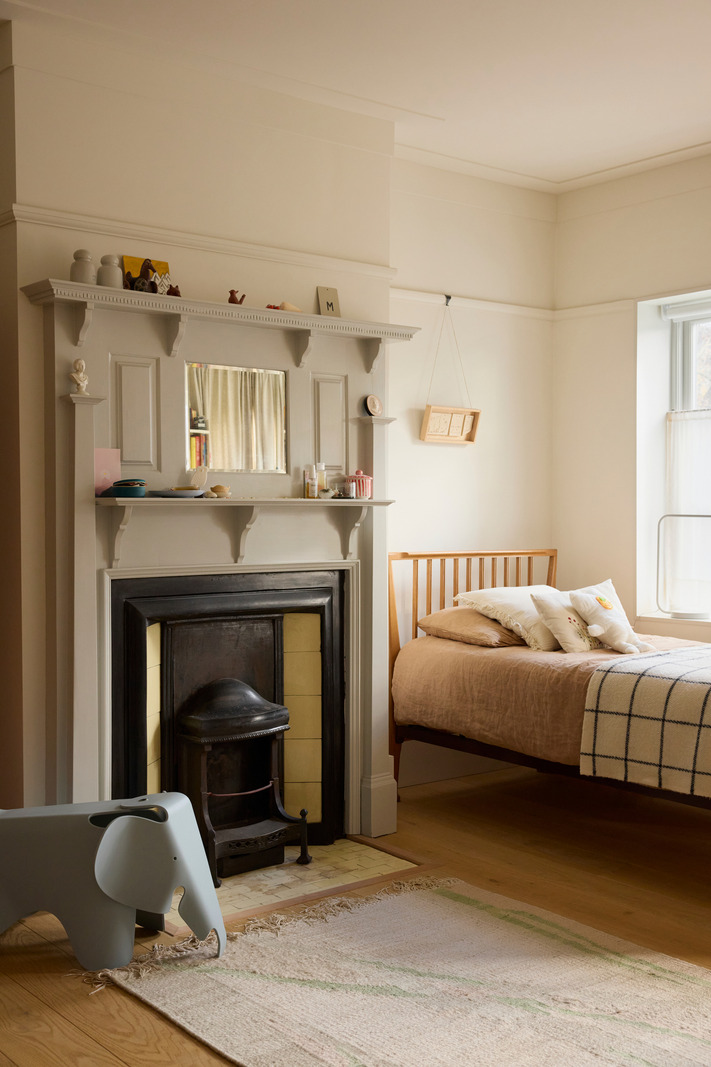
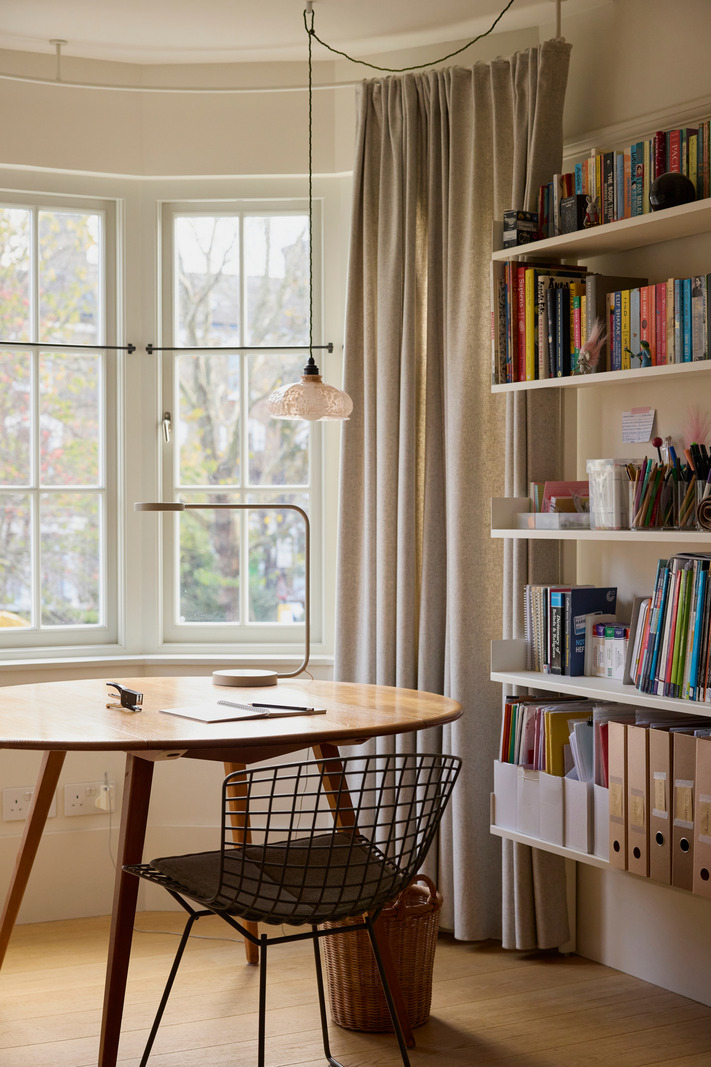
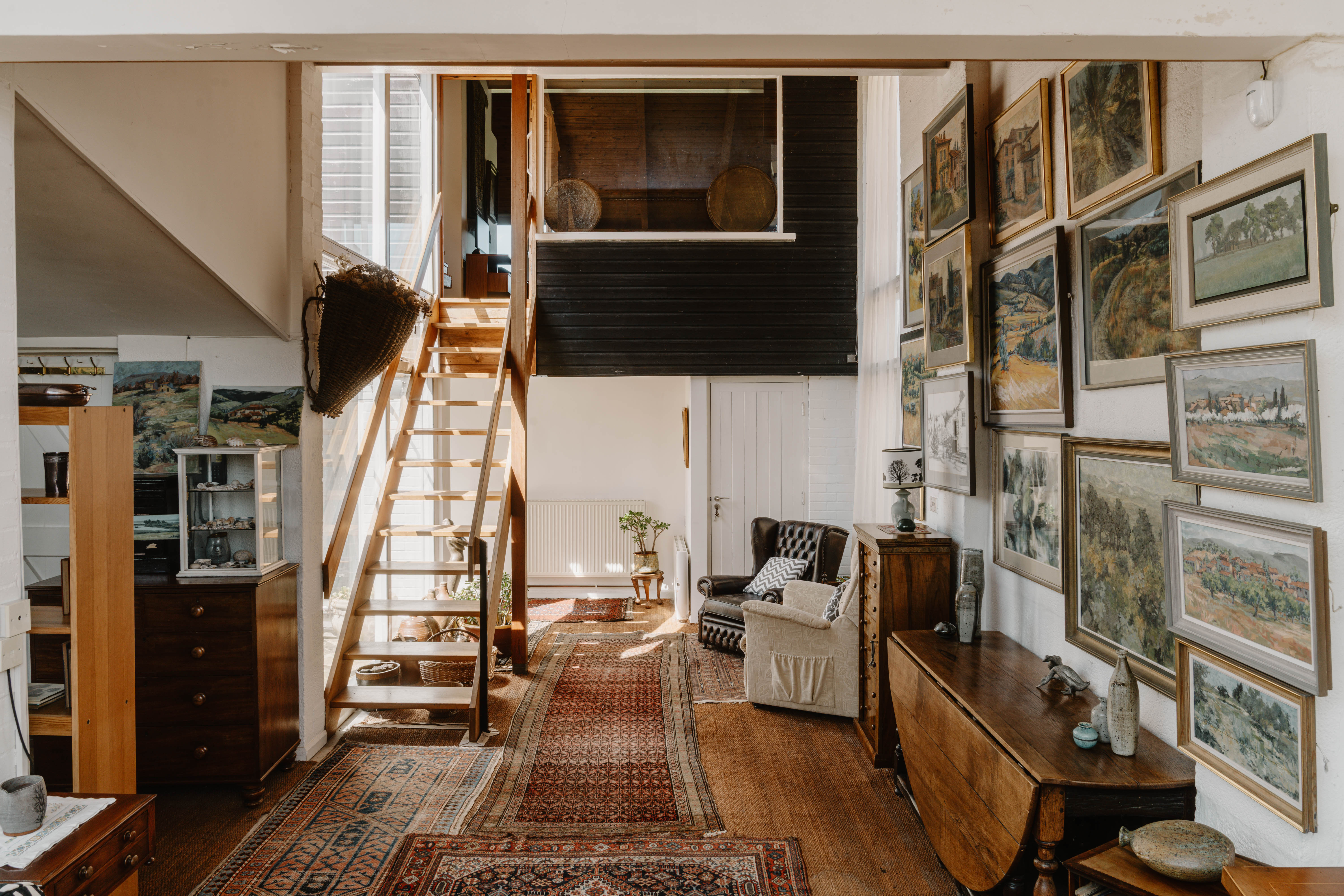
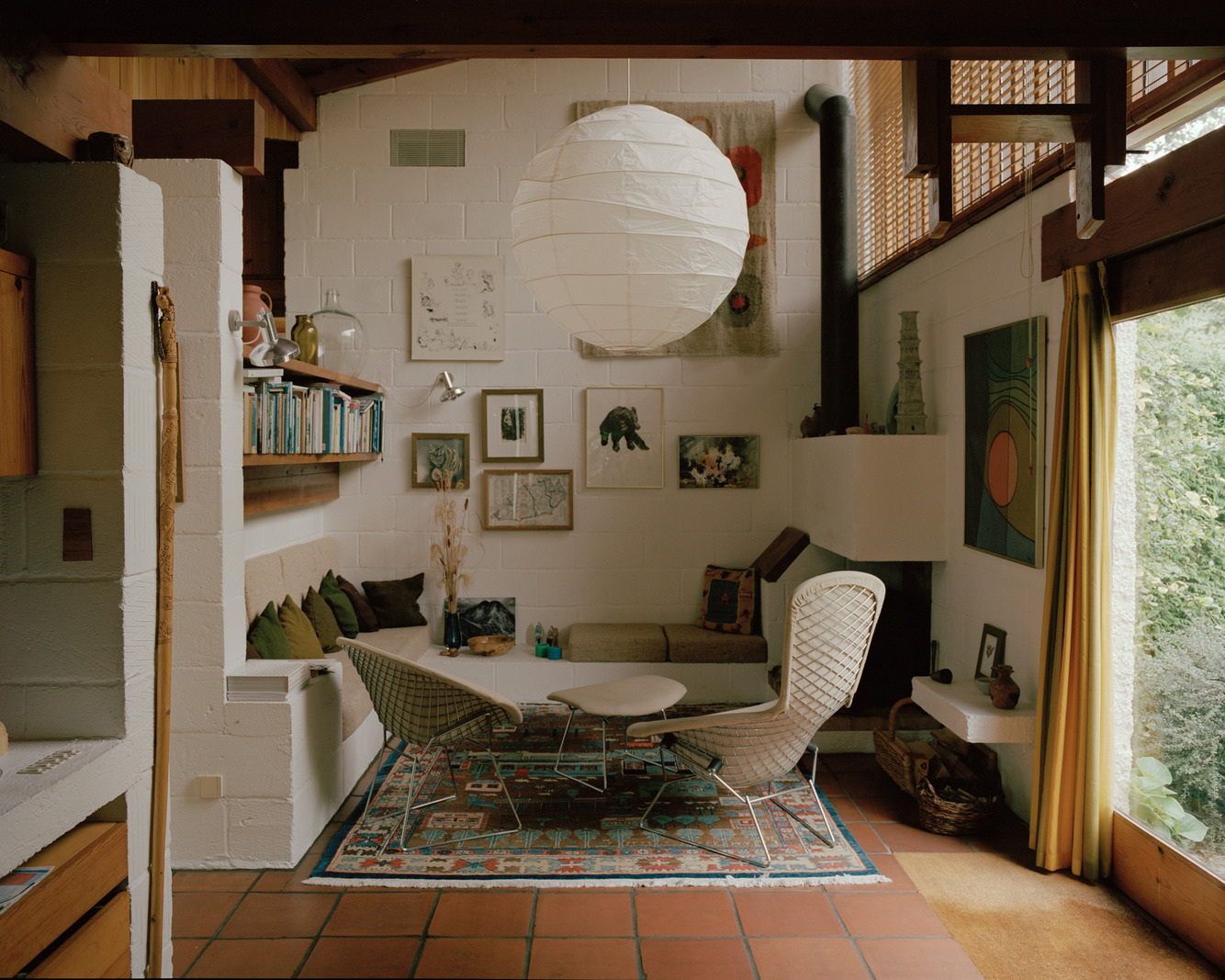
When it came to furnishing their newly reworked home, Jody and Amalia have used a combination of pieces they already owned, and mixed in a selection of ‘new’ second-hand items. “We inherited the bed in our daughter’s room from the previous owner, and we understood it is as old as the house. We complemented it with Ercol furniture that we felt had a similar language.” Jody says. Artworks adorn the space throughout too, but form a curated edit rather than dominating the spaces. “We have collected our artwork over the years, buying things in art fairs and small, independent galleries in places we visit,” explains Amalia. “The painting that hangs above our sofa has an incredible story behind it. We bought it on eBay 15 years ago and we recently discovered it was in fact painted by one of my Kingston University colleagues [where Amalia lectures part time] 30 years previously, when she had studied fine art and sold it during her final year show.”
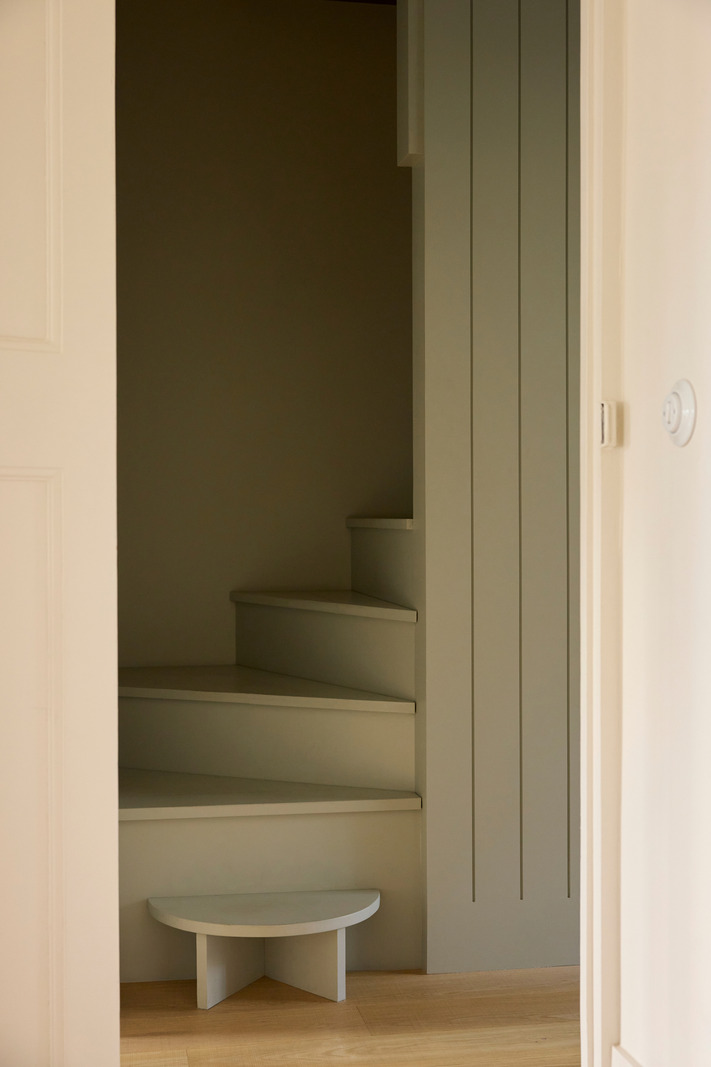
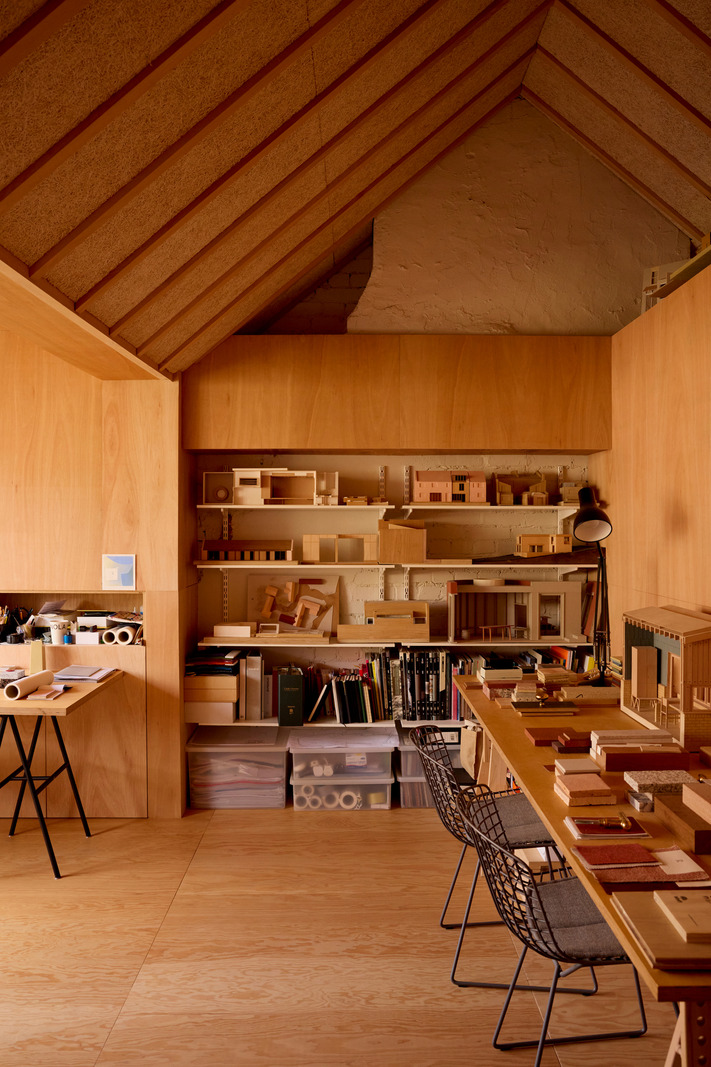
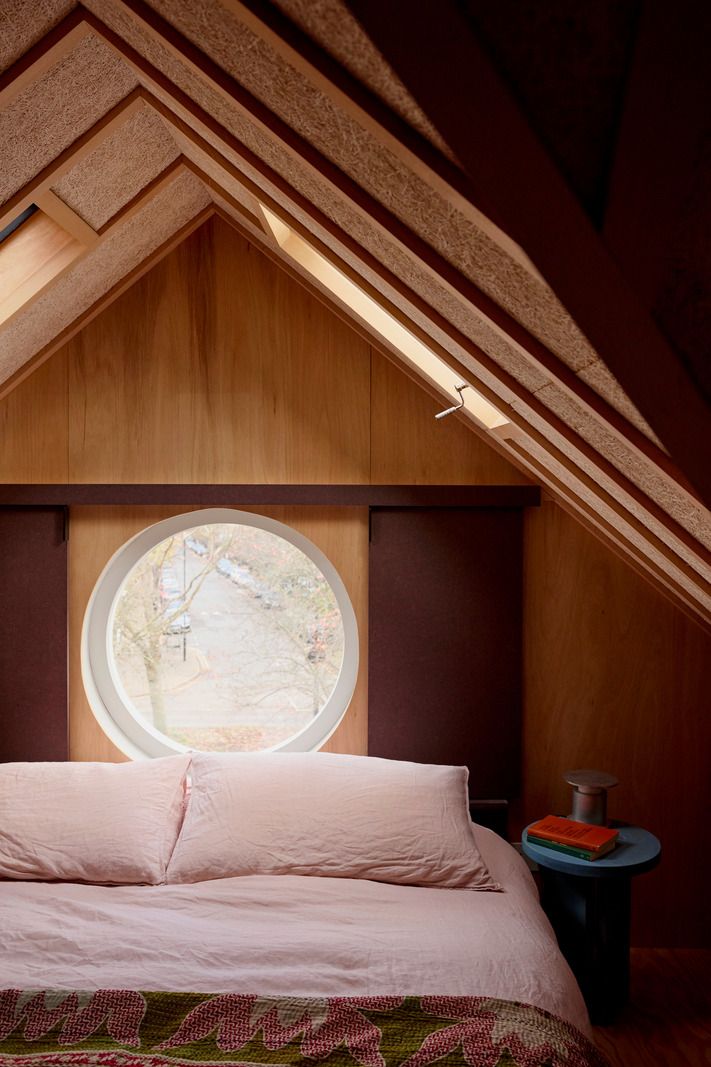
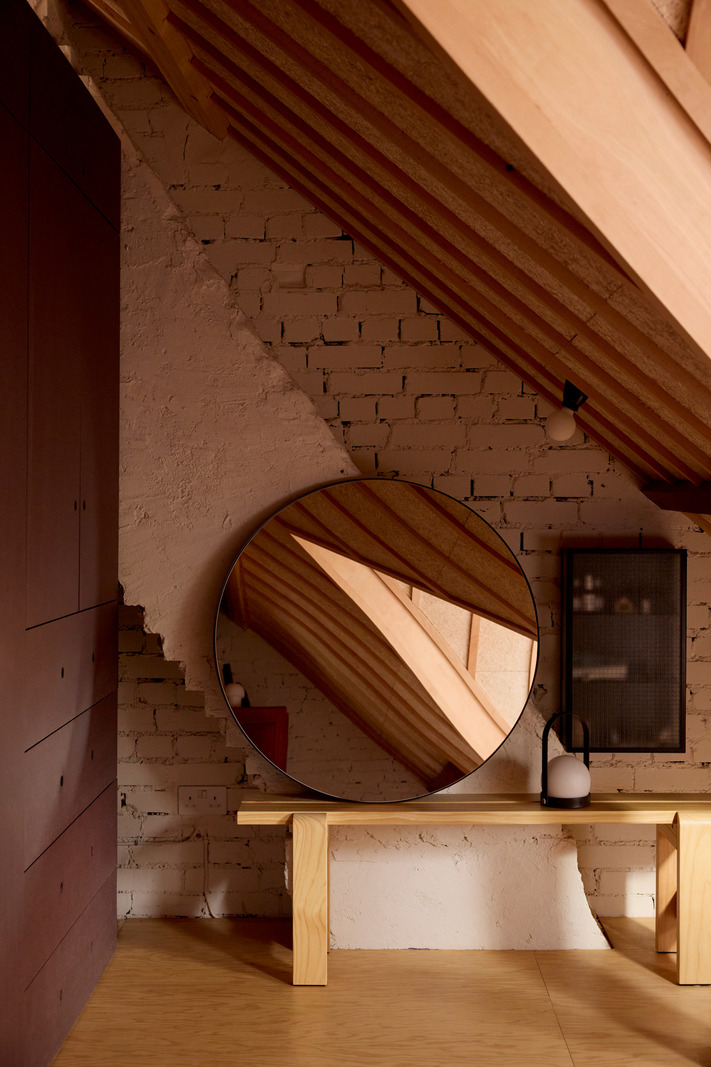
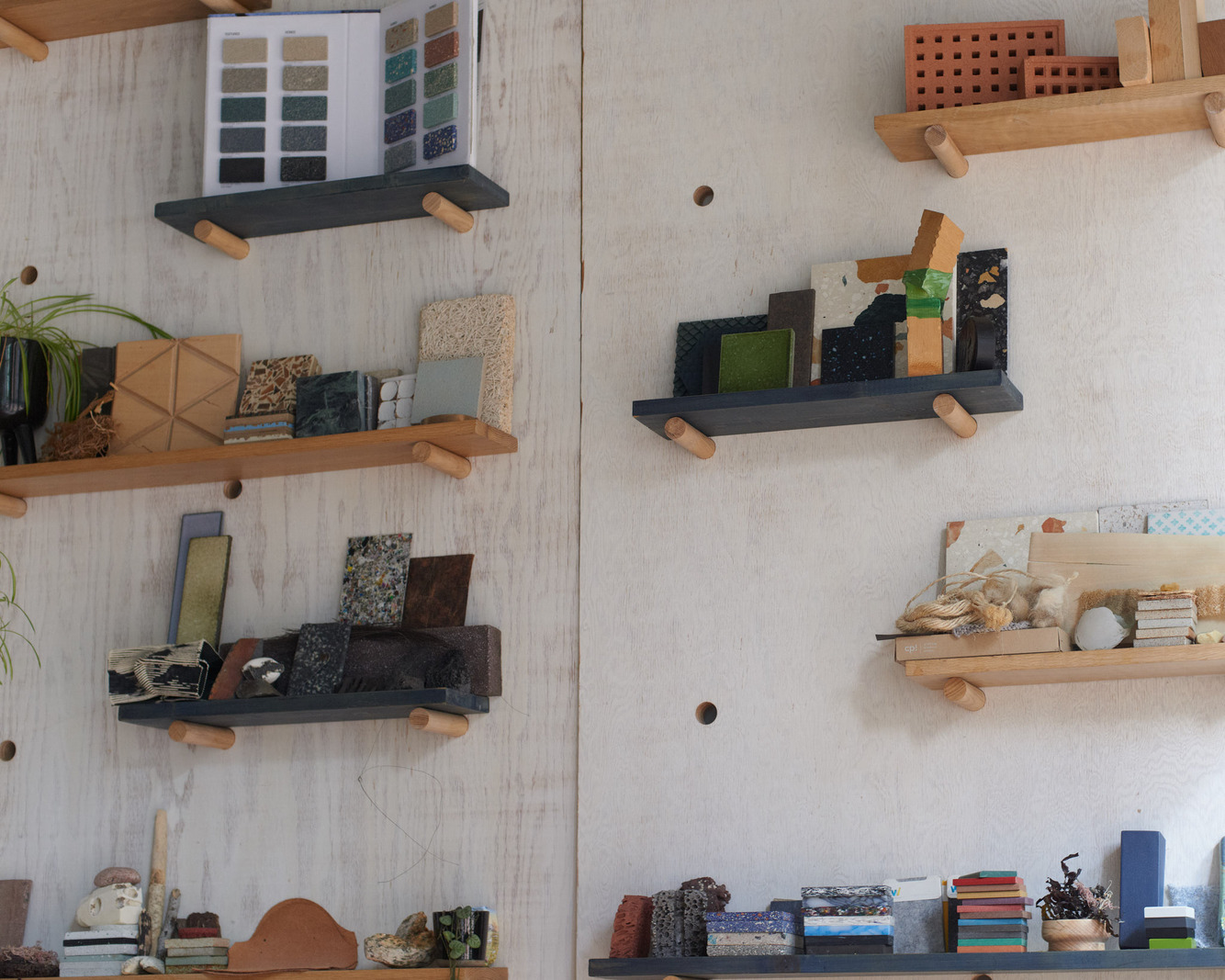
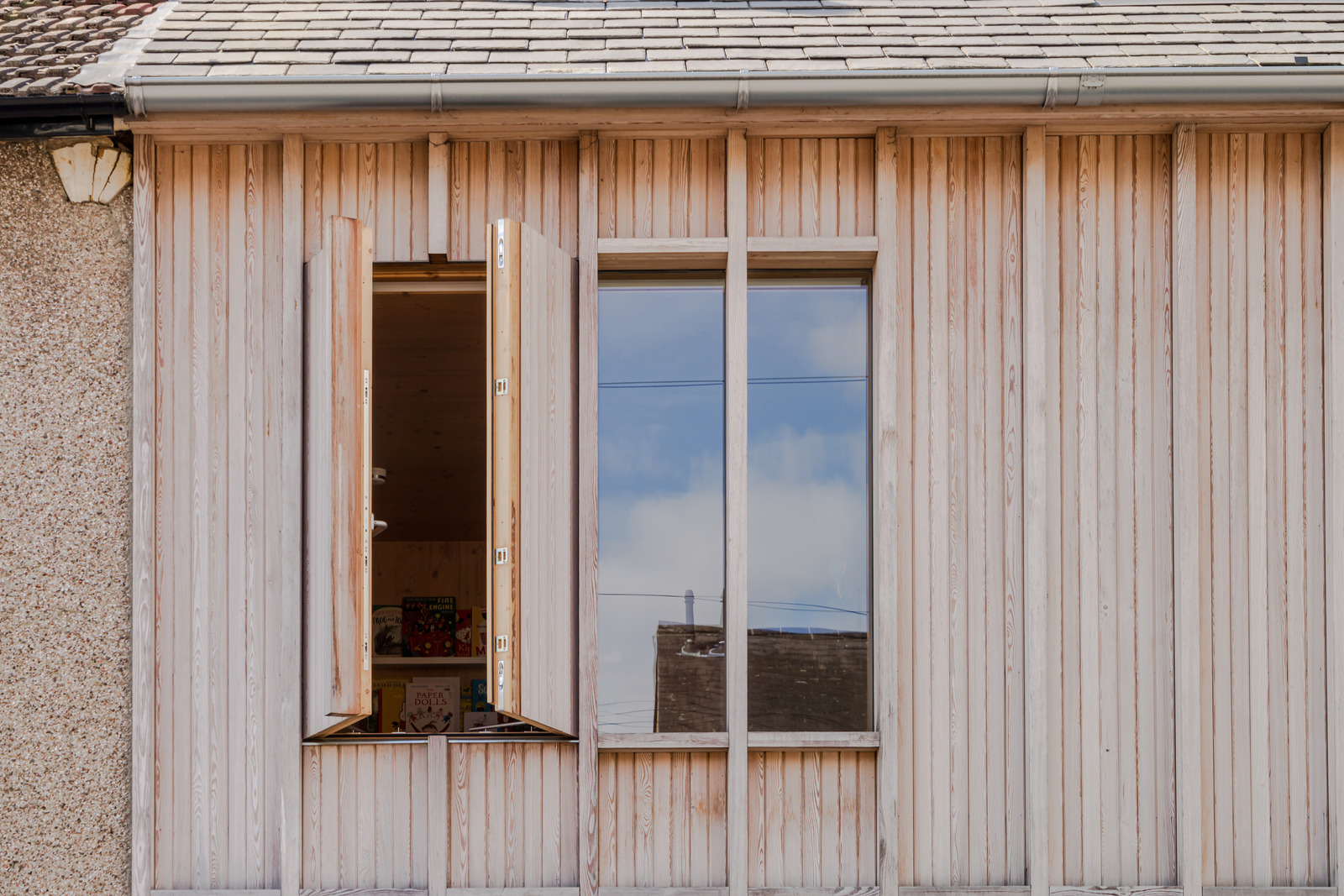
The most significant architectural intervention came in the form of an attic conversion, increasing the home’s footprint by a third. Envisioned from the outset as a live/work space, the attic now accommodates the couple’s studio alongside the master bedroom and an additional bathroom. A rear dormer was introduced to maximise light and usability, after cautious consideration on the impact it would have in changing the building’s façade. A subtle shift in tone distinguishes this upper level from the rest of the house, creating a gentle separation between work and family life. “Material choices here reflect a commitment to re-use and clarity,” says Jody. “Existing brickwork is exposed and sealed where possible; elsewhere, natural wool insulation is finished with plywood. Timber battens articulate the pitched roof, lined with wood wool for texture and acoustic softness.”
Ultimately, the house embodies a philosophy rooted in restraint, adaptability and care. “We tried to do more with less,” Jody concludes. “To use space and material thoughtfully, without excess. Something we practice daily in our approach to work.”