Meeting of minds: the thoughtful evolution of Matt Gibberd’s podcast series, Homing
November 6th, 2025
Words Nell Card
Portrait Emily Marshall
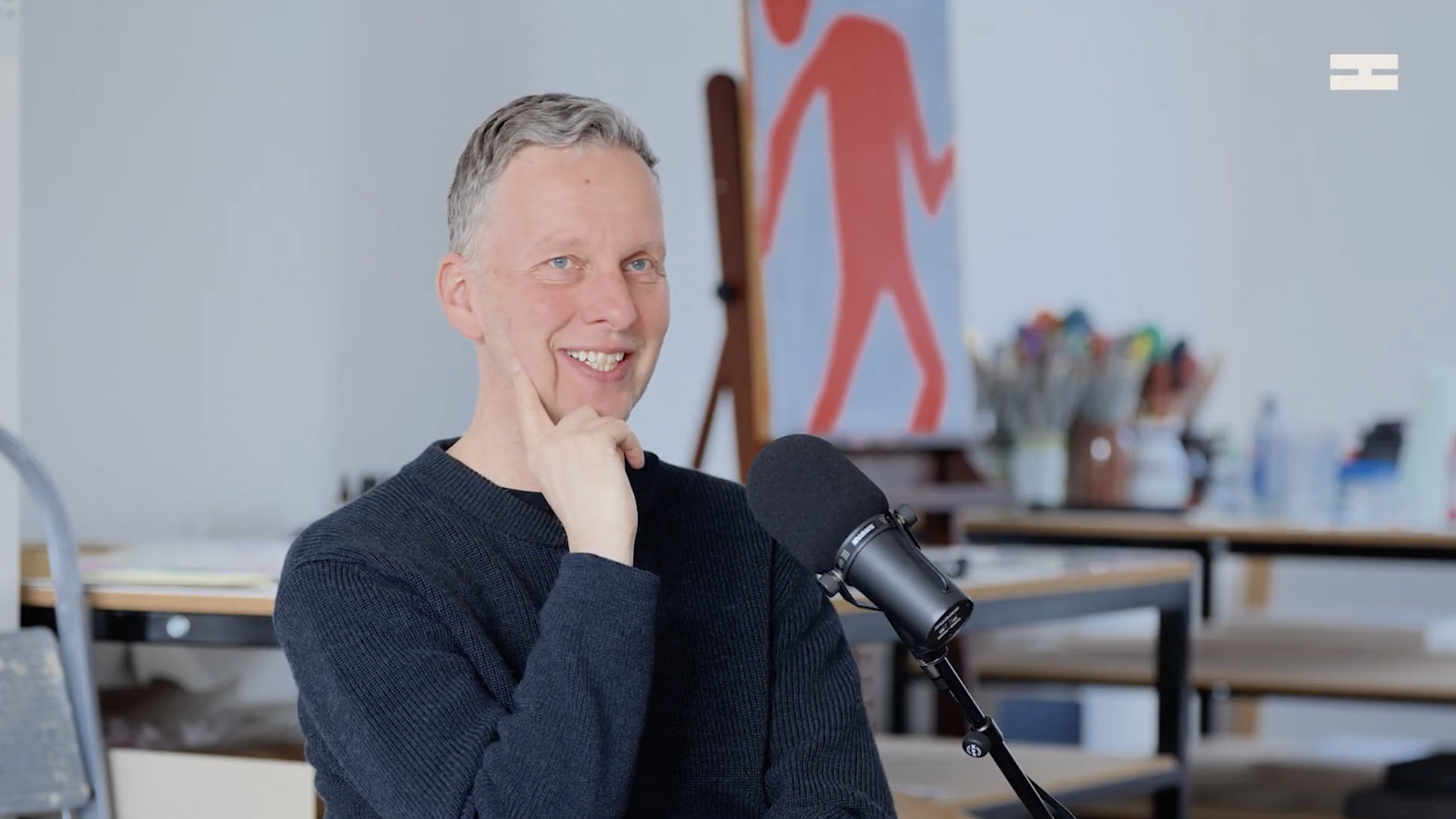
Astute subscribers to The Modern House podcast will notice that our Homing In series has recently lost the preposition. From now on, the series will go by the name ‘Homing’. “That’s a deliberate move,” explains our co-founder Matt Gibberd, who hosts the series. “Firstly, I really like ‘Homing’ as a word because I think it's active. And I'm quite keen that this whole thing is seen as something that people can do proactively, which is to set up your home for greater success. And for me, that success means creating a home that supports you psychologically, not just physically. That's the crux of what I'm doing.”
The change in name also reflects the fact that this series is being independently produced by Matt, outside of his role at The Modern House and Inigo. (Homing is also the title of Matt’s upcoming book.) With a soon-to-be weekly cadence, this move has enabled him to devote time and attention to the series that has grown a loyal following since its original inception over six years ago. “It's the thing I love doing the most out of everything that I do,” he says. “I wanted a way to have more of these conversations – which I find personally really inspiring. And this was the way to do it; to hive it off, get really involved and allow it to gain greater momentum.”
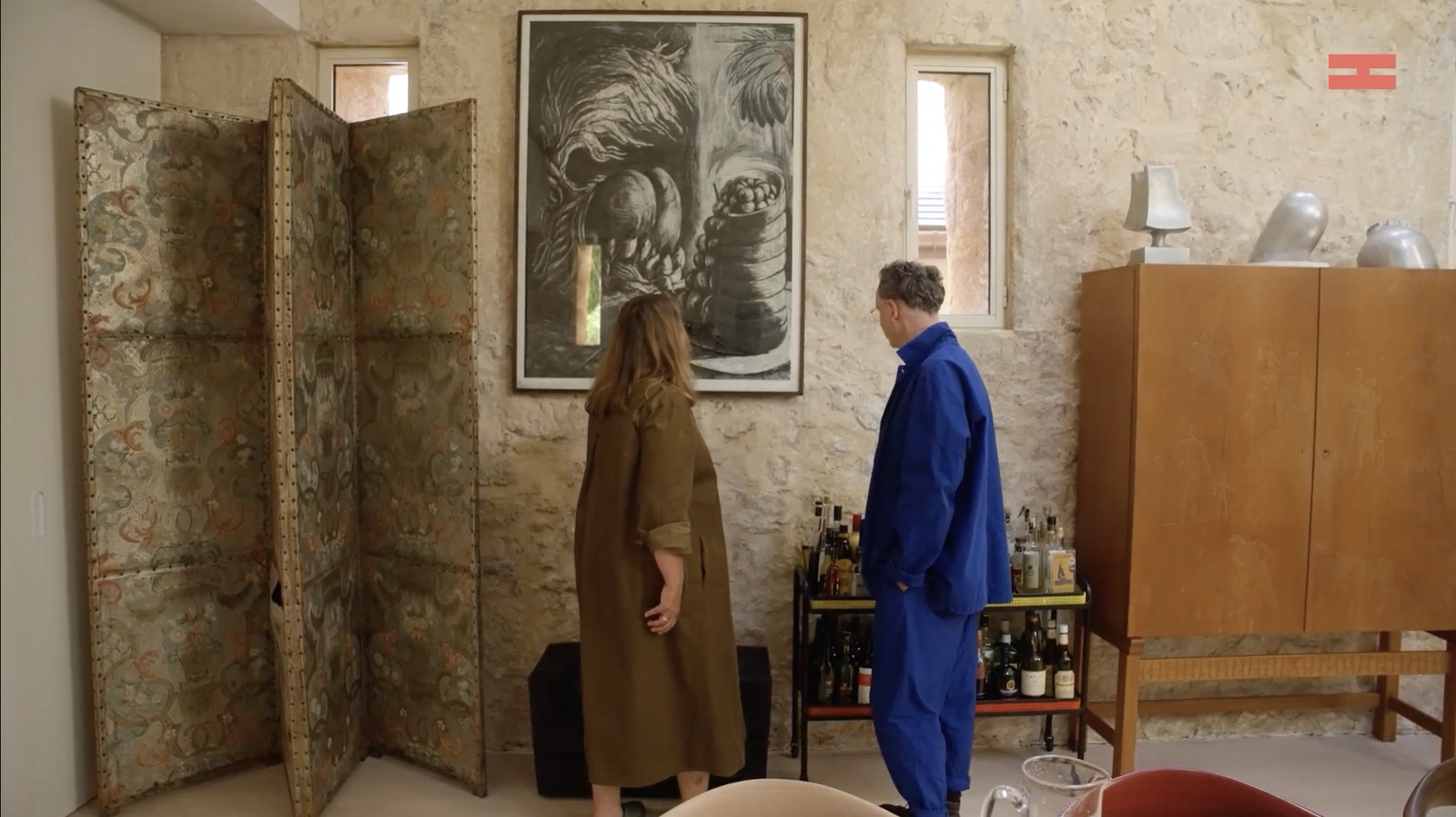
As before, each episode will be accompanied by a full sit-down interview that will be available to view on Matt’s YouTube channel, @HomingWithMattGibberd. In addition, a video tour of the guest's home will be made available to members on Patreon. For £6 a month, subscribers can linger for longer in the homes Matt visits and watch the walkaround that takes place before the sit-down interview. These tours provide a remarkably intimate look at each guest's home life, from their daily rituals to the possessions they surround themselves with.
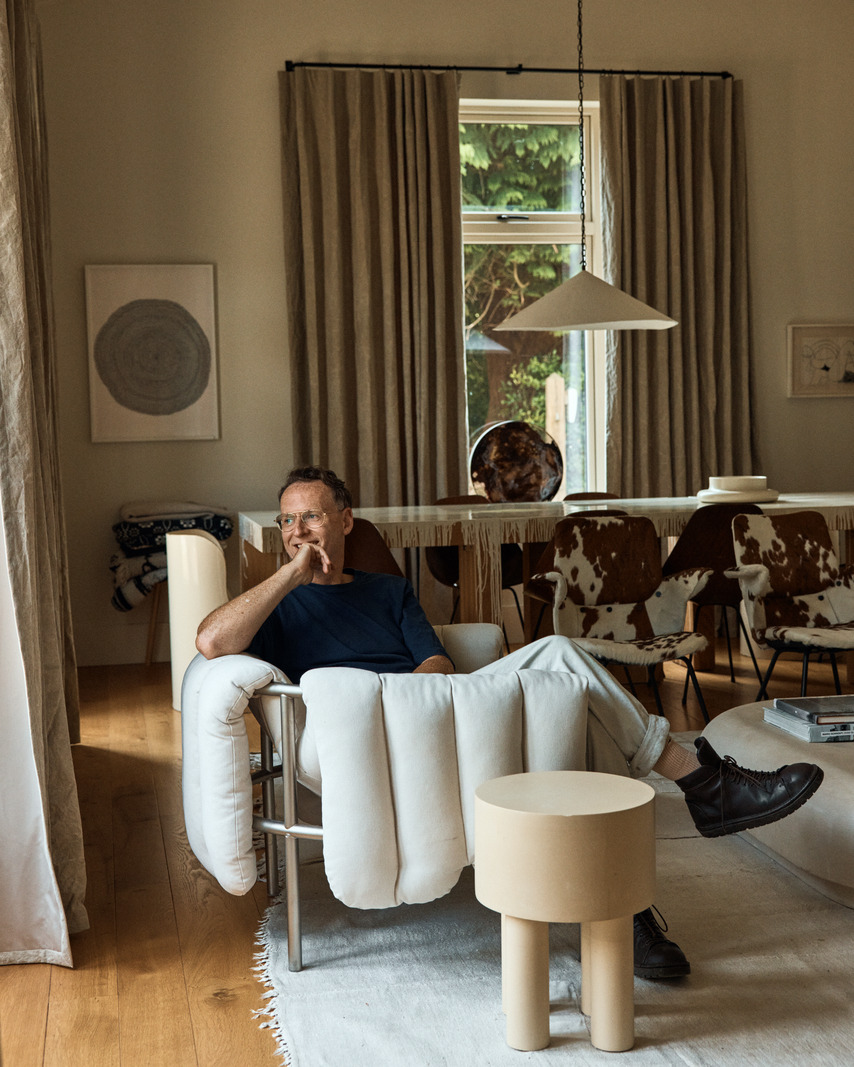
Besides these practical shifts in the production of the pod, Homing will gently evolve the conversation beyond design and architecture. “I see it as an opportunity to really talk about homes in a way that I don't think is necessarily discussed enough at the moment,” Matt explains, “and that's about the relationship between the home and the mind; this idea that the home is really a representation of your psyche in some way.” The conversations Matt has will probe the unique thought processes and deeply personal decision making behind each home he visits – and the direct correlation this has with the homeowners’ sense of self.
Matt’s research is motivated by his own experience of anxiety. (“All research is me-search, right?” he jokes.) “As someone that hasn't always felt comfortable within myself, I've tried to understand why I've not really had those feelings within the home,” he says. “As a result, home has assumed an extremely high importance in my life: this idea that home can act as an anchor point where I can re-enter my own skin for a while – a place to head off on different missions from, before returning to base to recharge. And what I've come to realise is that everything I've done in my life has been about this quest to understand how to feel at home in the world. That's it, fundamentally.”
Interspersed throughout these thoughtful explorations of home are expert episodes featuring interviews with psychologists, designers and philosophers. These will lean into each of their specialisms, with a recurrent focus on the home. Listen out for the first of these featuring the clinical psychologist Dr Alexandra Shaker, author of The Narrowing. “I want to ask Dr Alexandra what you can do within the home to help you with anxiety, if that's what you suffer from,” says Matt. “If you have a child with ADHD, for example, what are some of the things you might be able to do to help that child? How are they sensitive to their environment? How can we think about supporting them in the right way?”
In each Homing episode, Matt discusses the life stories of his guests, threading their narratives through with practical suggestions for actively improving the home space. Safety is a recurrent theme as Matt strives to understand how each home has become a place to rest and recharge “before going back out into the world again.” The first episode in the new series is a fascinating example of Matt’s new approach. It features the broadcaster and TV presenter Chris Packham who describes the safety he sought in his childhood bedroom – a repository of rescued birds and animals. He offers his own advice to parents of neurodivergent children, suggesting that – within reason – they allow their kids to have creative control over their own bedrooms. (“That’s advice we’re hearing from the horse's mouth,” Matt reflects. “There’s no greater advice than that.”)
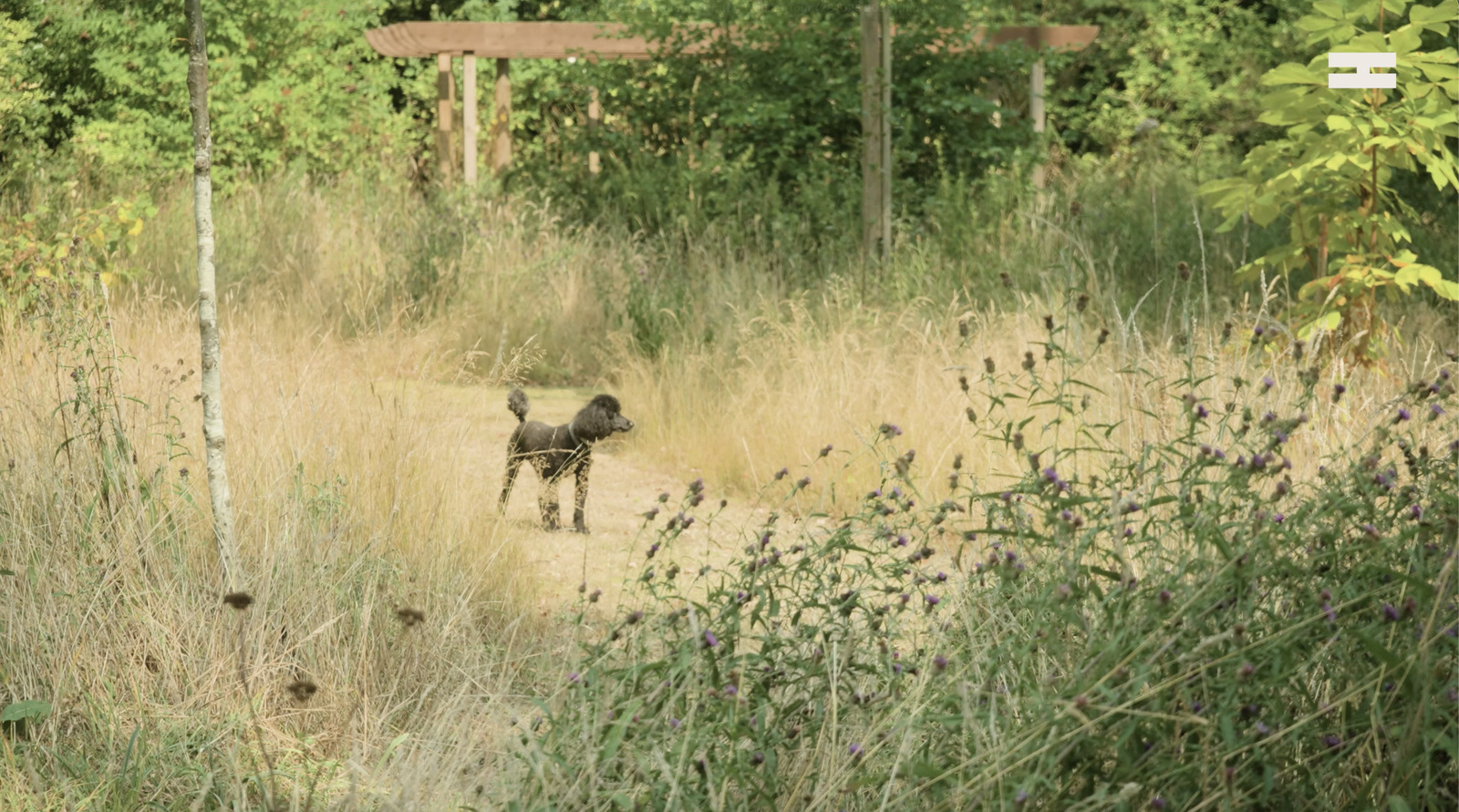
Chris, who was diagnosed as autistic in his 40s, now lives in a contemporary home tucked away in the New Forest. Paradoxically, Matt discovers that the visceral artworks, uncomfortable seating and loud colours Chris surrounds himself with, bring comfort. They guard against complacency and, crucially for Chris, keep visitors largely at bay. (Chris readily admits that he is happiest in his own company.) “As somebody who has their own sensitivities, I didn't understand Chris’s approach at all,” Matt admits. “I believe every object has a frequency and a resonance to it, so if something has a frequency that is too high – if it’s too patterned, or too coloured, or it gets in my line of vision, or affects the acoustics in the wrong way – I find it really hard to live with. So I couldn't live in Chris's house but I was so interested to find that he has such different ideas around creating an environment that works for him. And that's quite a good summary of what fascinates me about this whole project: the fact that we all have such individual ideas around this stuff.”
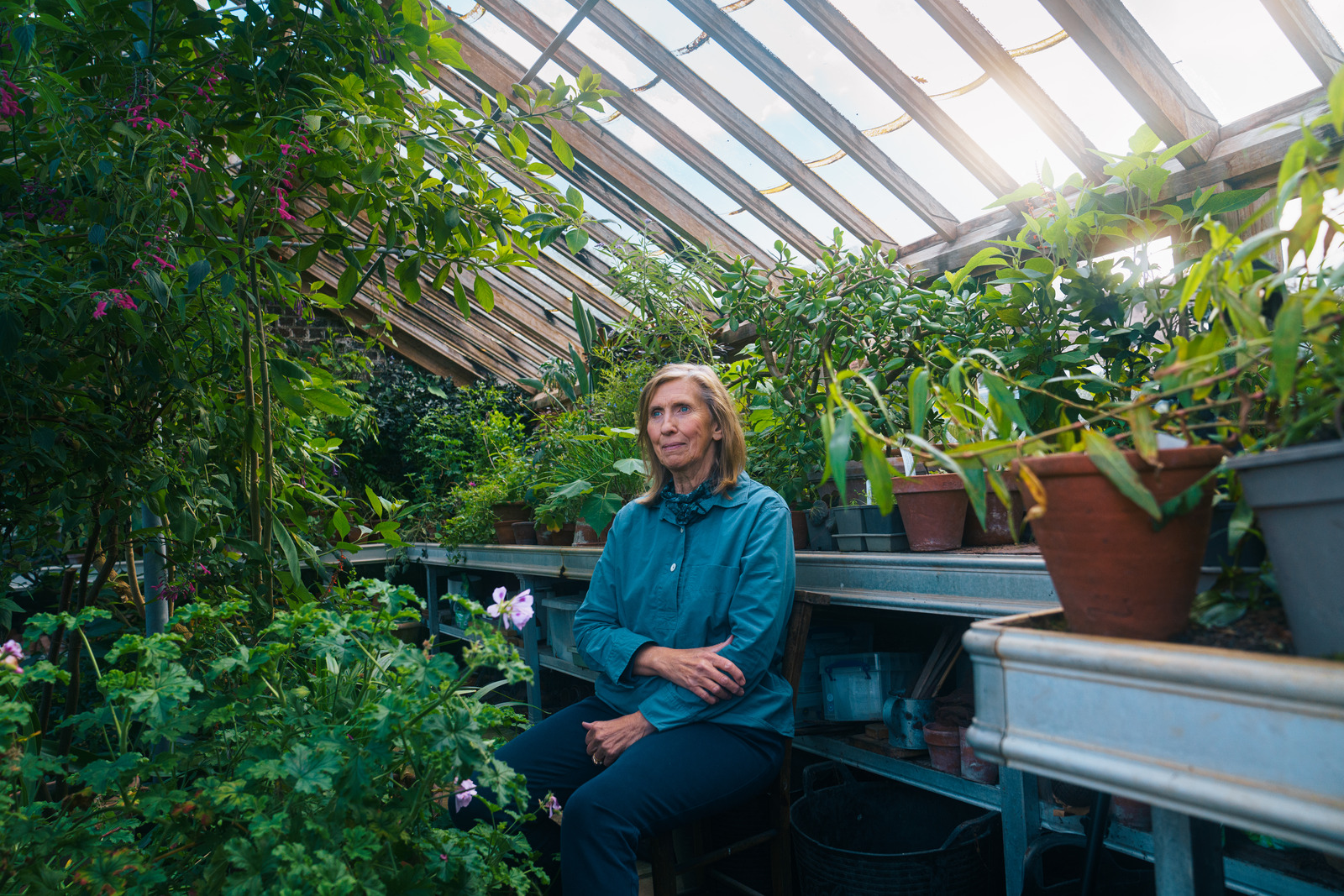
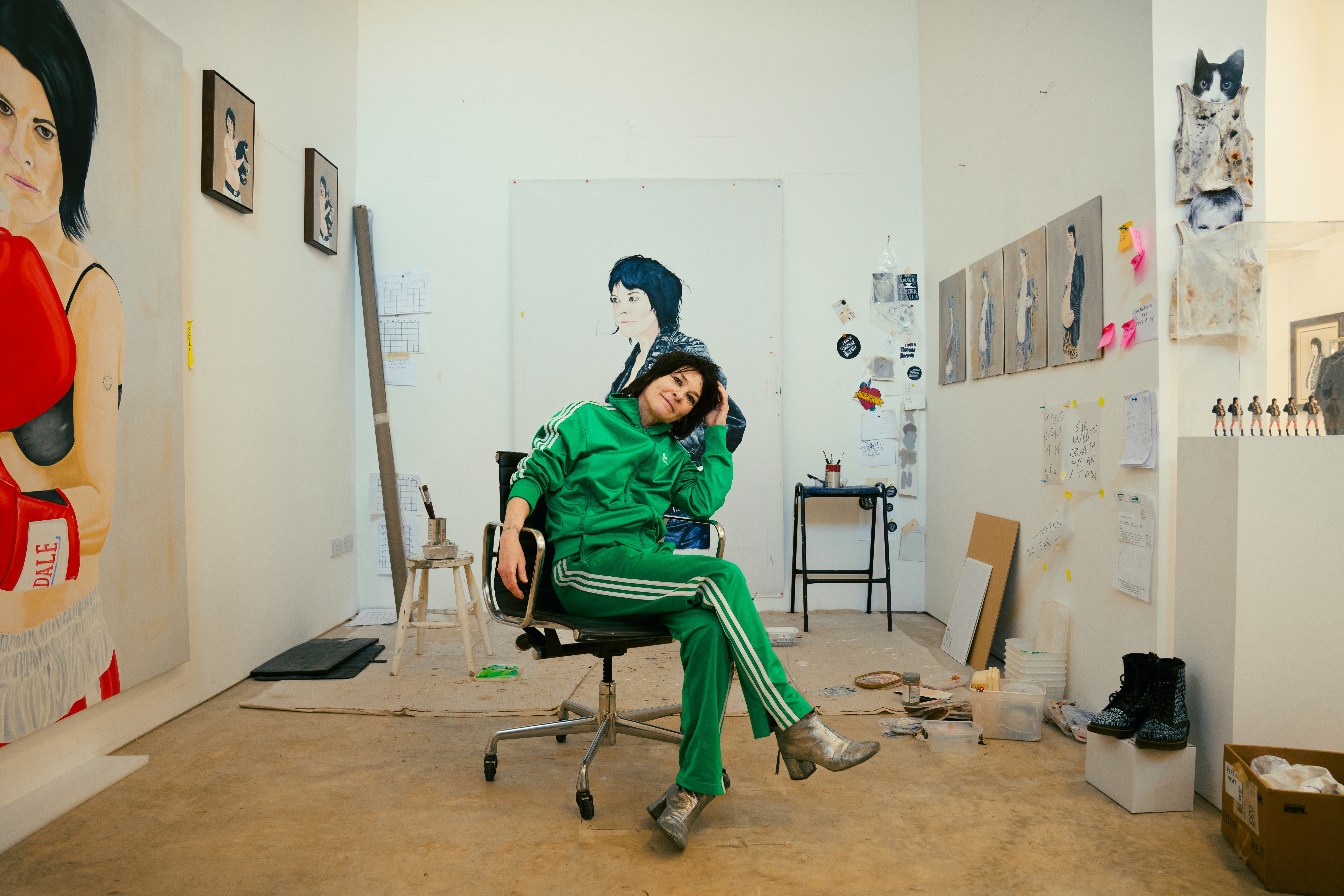
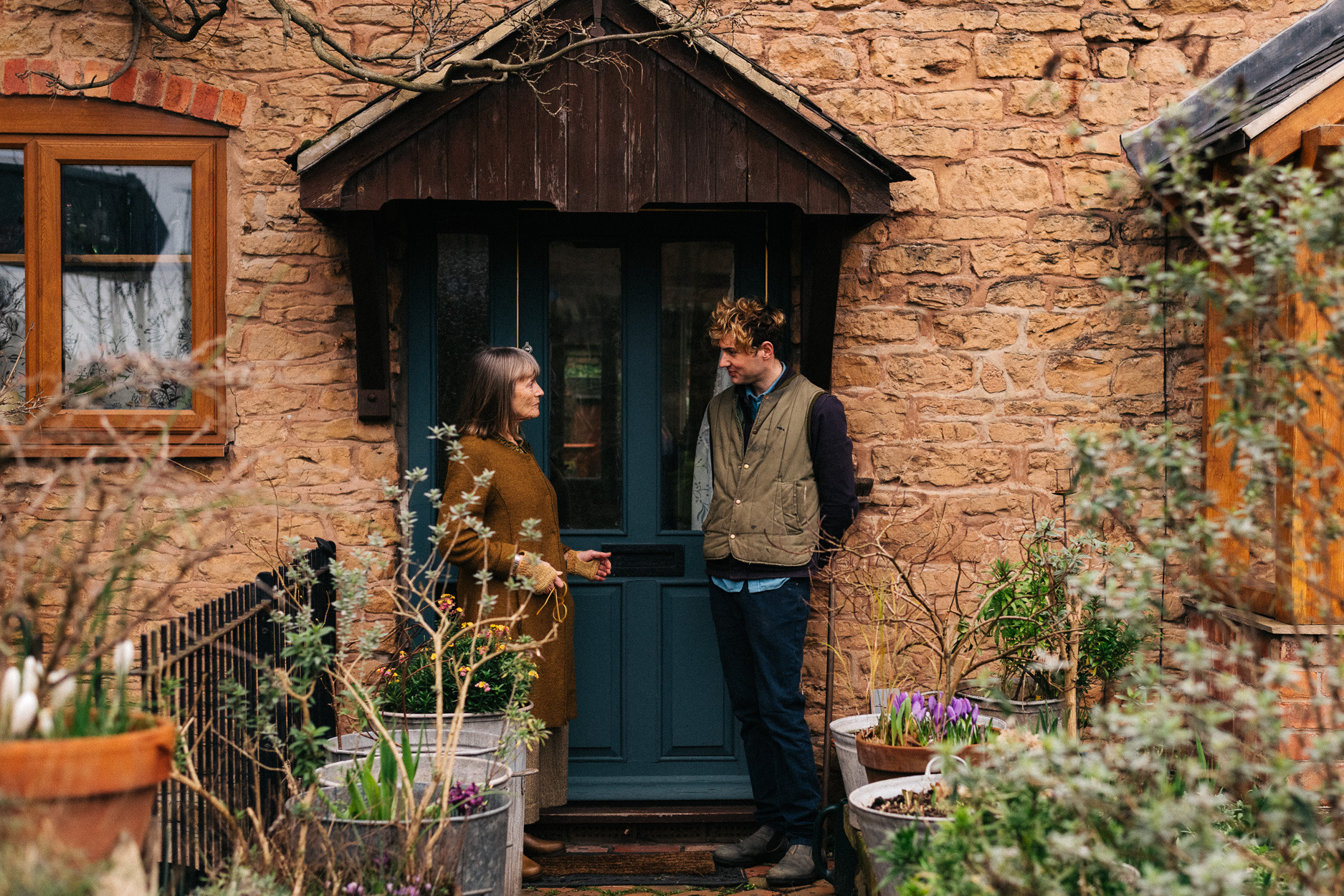
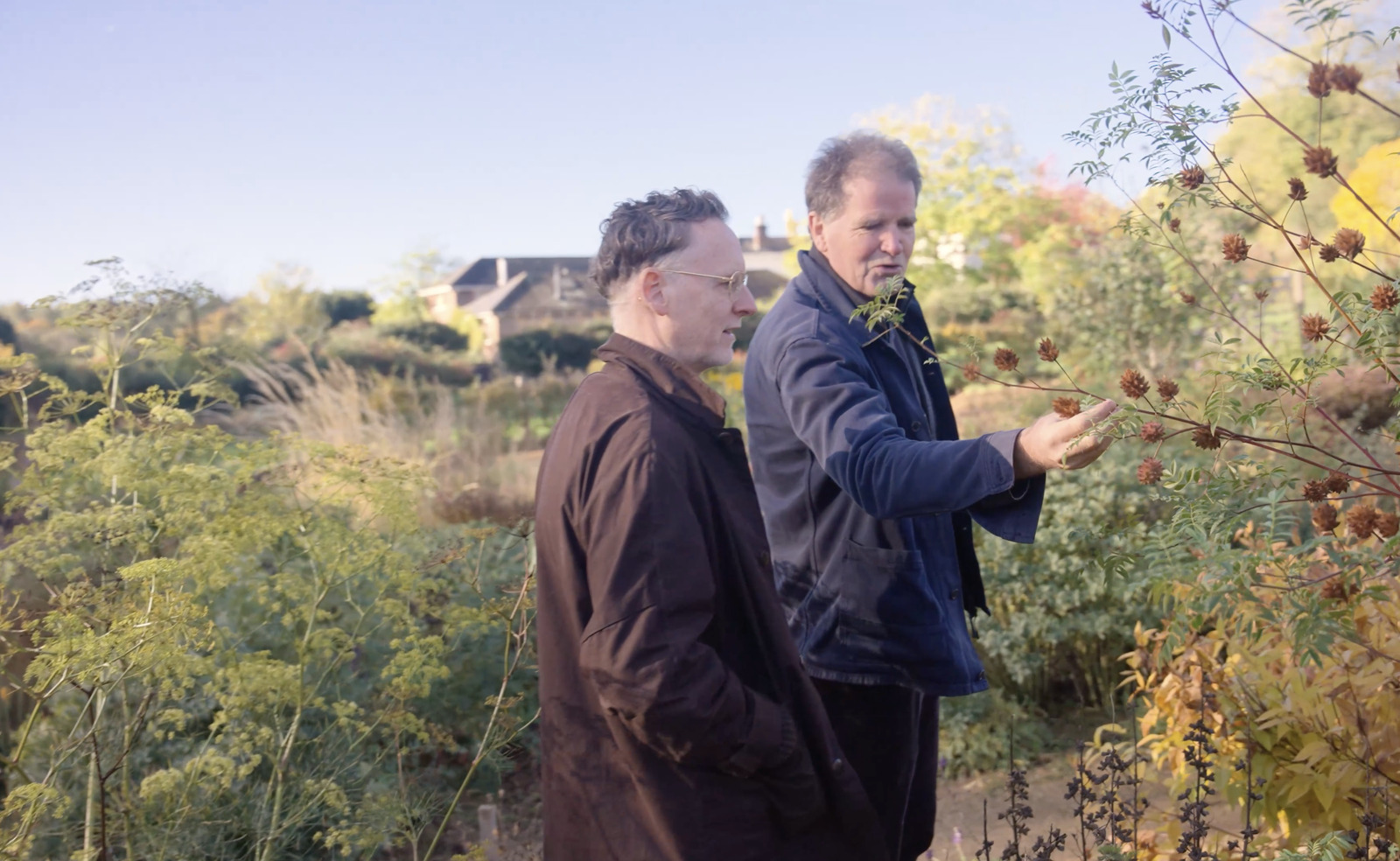
Forthcoming episodes of Homing feature Polly Morgan, Sam Taylor-Johnson, Tom and Sue Stuart-Smith, Dan Pearson and Skye McAlpine. Subscribe to Homing or become a member of Patreon and as always, happy listening.