How My Garden Grows: Behind the scenes at Great Dixter, one of Britain’s best-loved gardens
May 20th, 2026


Words Francine Raymond
Film and photography Ellen Hancock
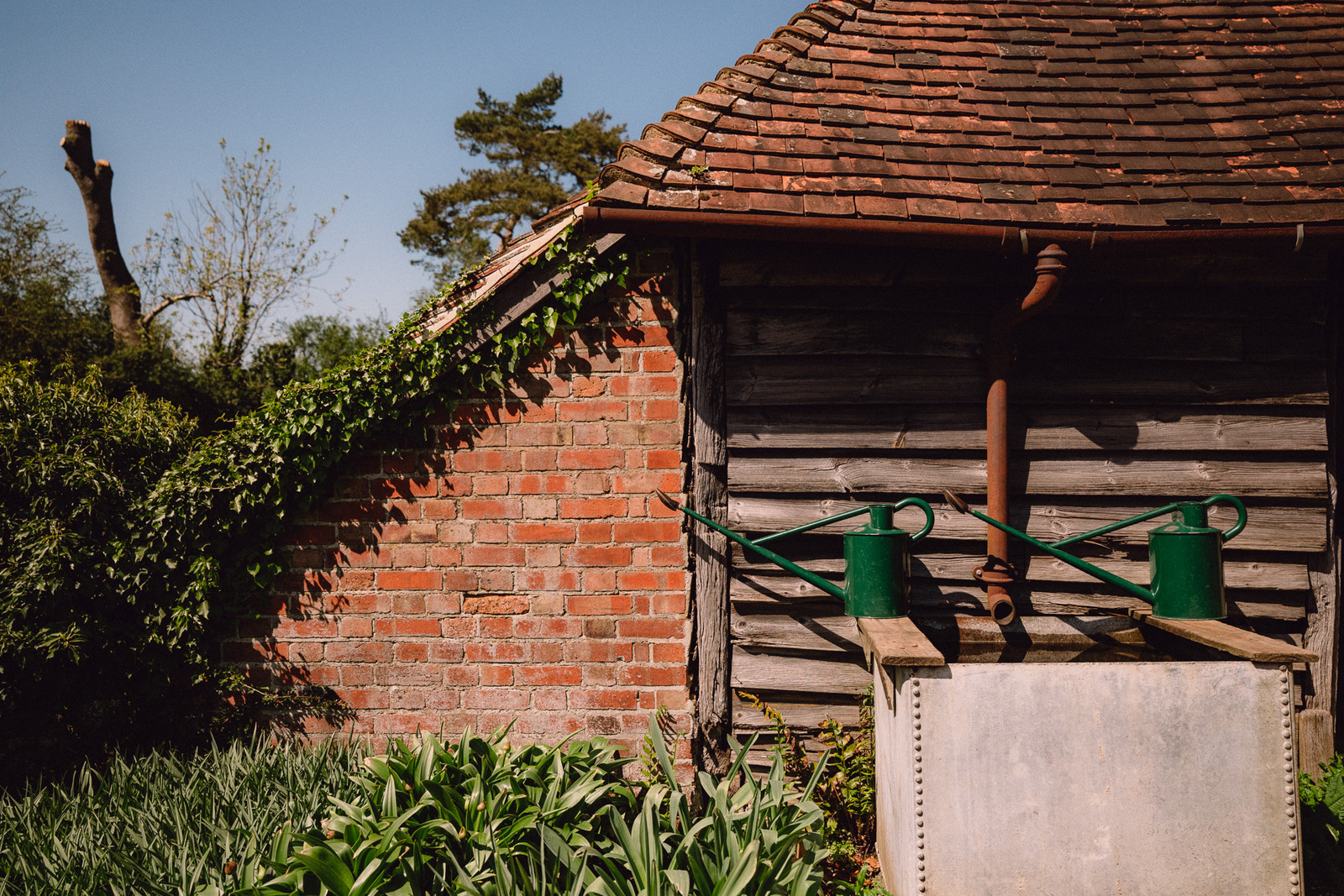
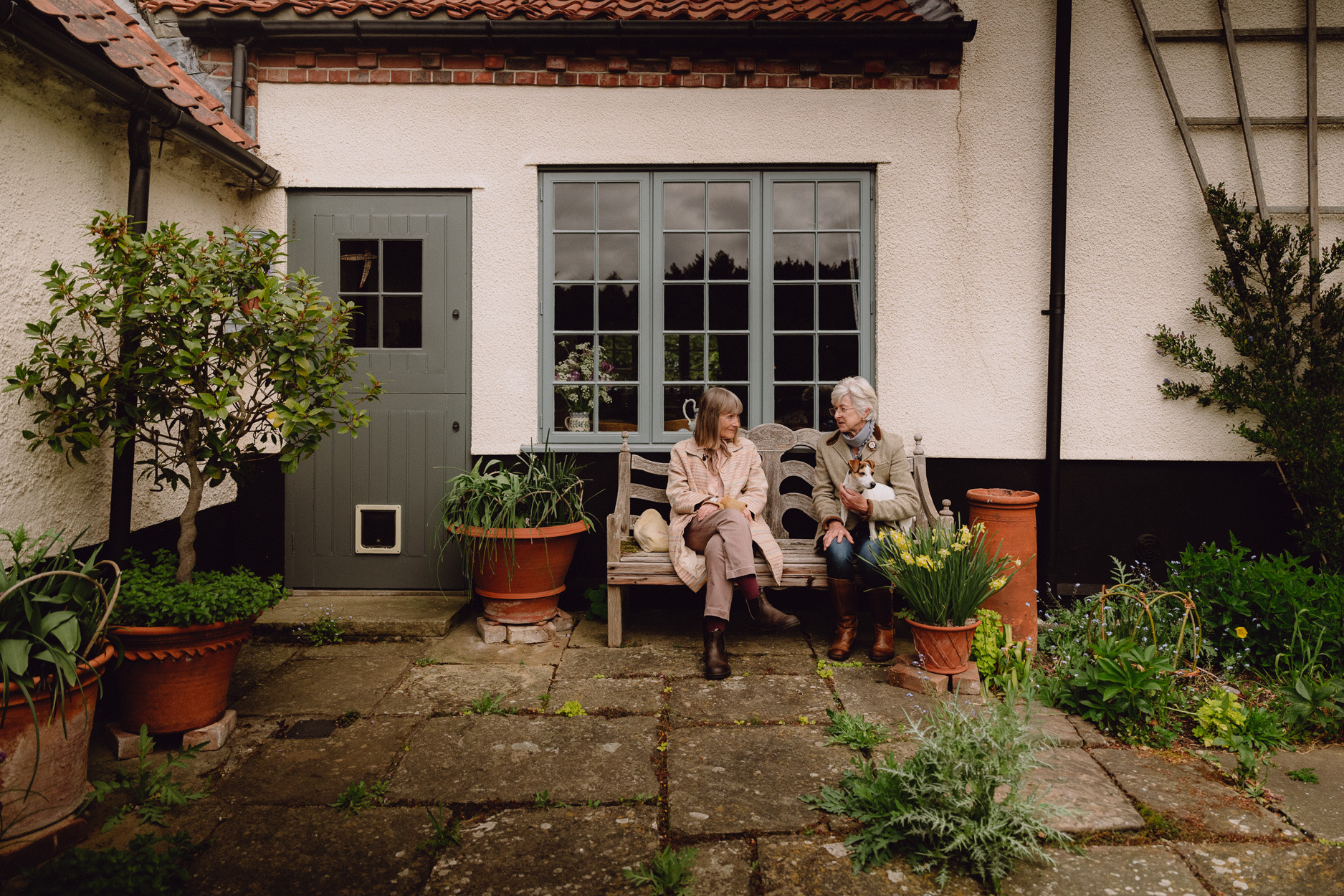
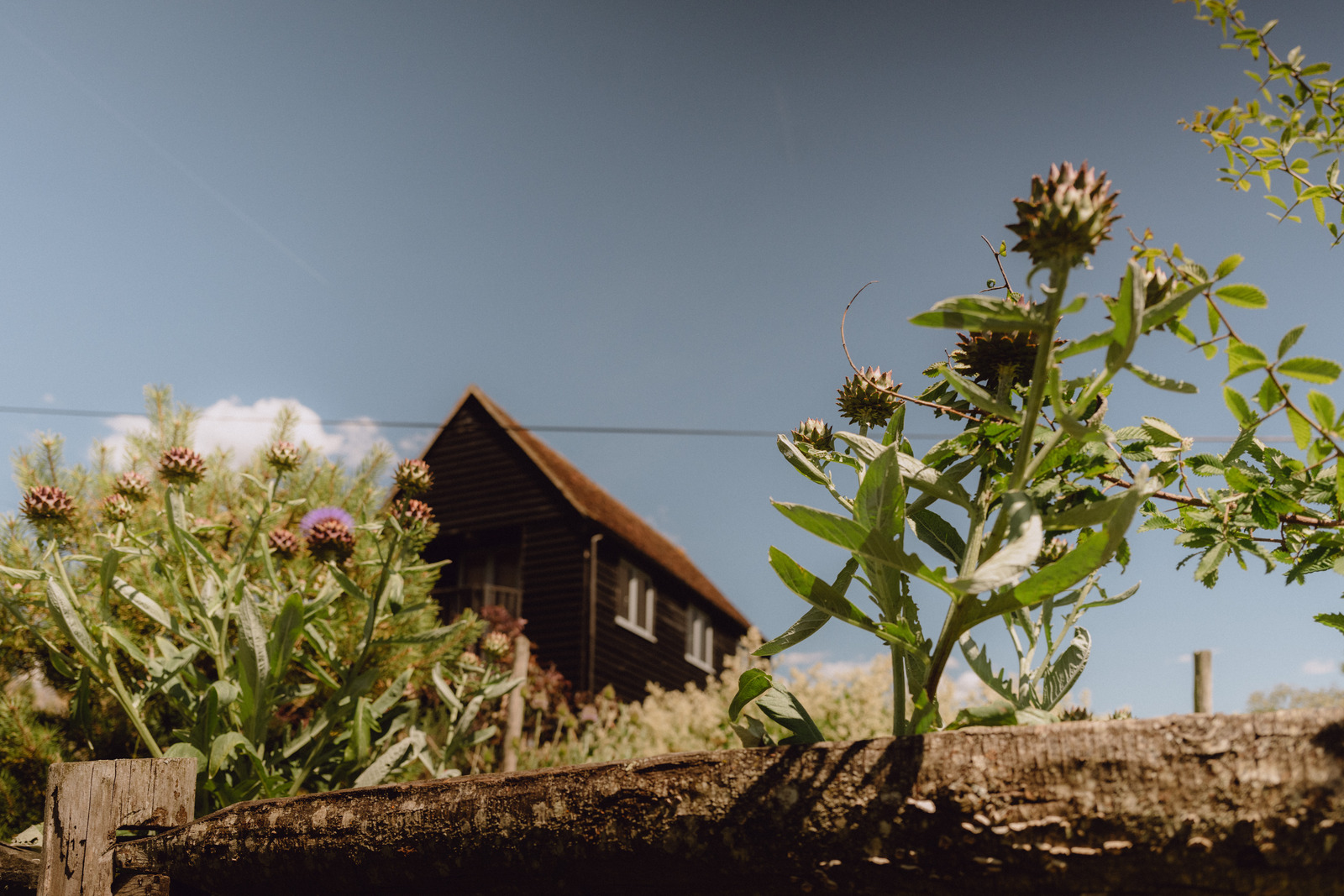
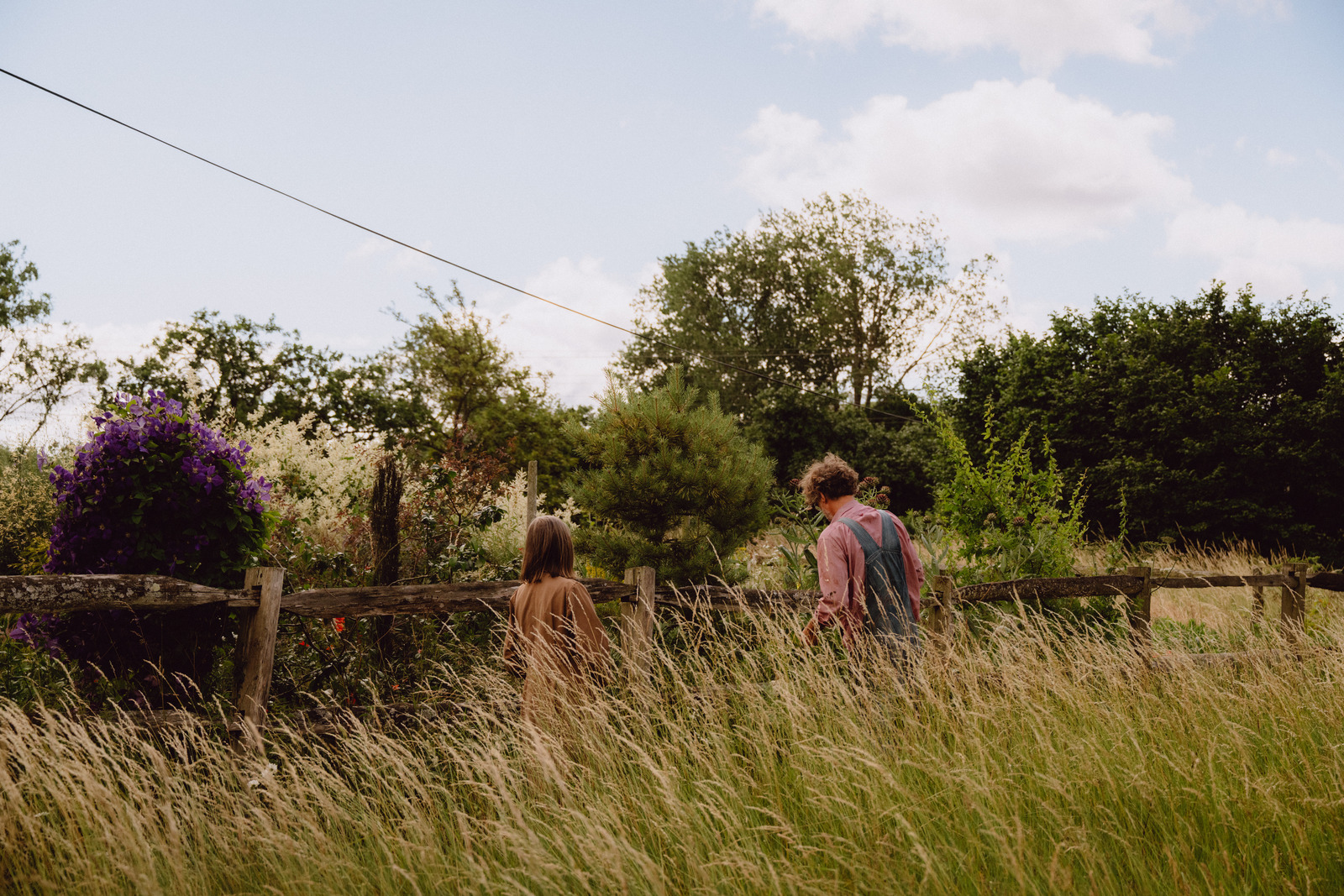
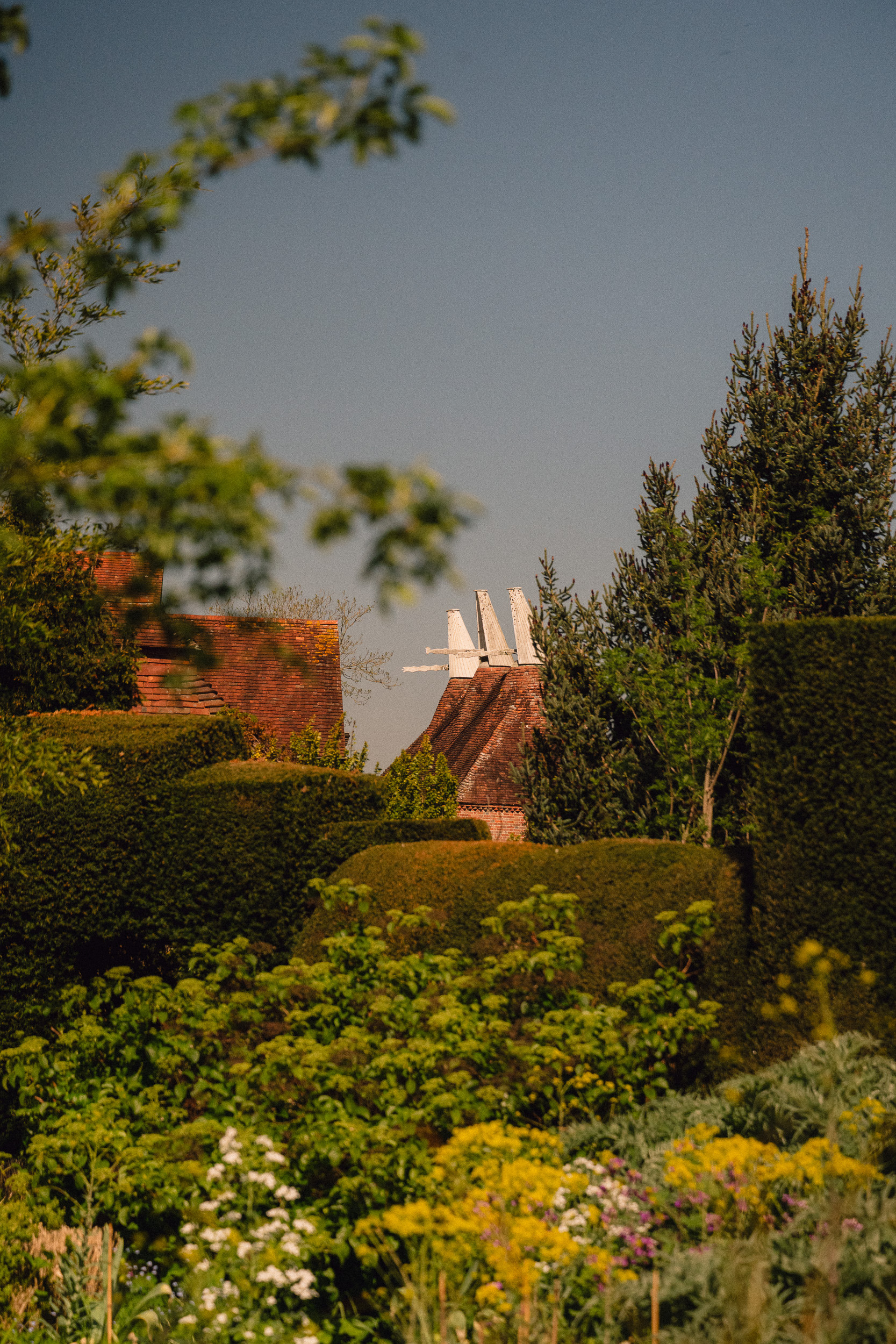
Great Dixter’s garden has got to be one the most famous in the country, so it was with great difficulty that the podcast team dragged itself away from its stunning borders, flower-filled meadows and iconic features to focus on its less trumpeted achievements: its scholarship, its compost and its success in increasing biodiversity.
In 2006 the death of Dixter’s legendary owner, Christopher Lloyd, heralded the creation of a charitable Educational Trust stewarded by head gardener Fergus Garrett. 20 years on, their alumni are improving gardens all over the country: Tom Coward at Gravetye Manor, James Horner at Benton End, Mat Reese at Malverleys, Elie Pay at the National Trust’s Plant Conservation Centre, Jonny Bruce at Dungeness and Eleanor Machell at York Gate.
For the sixth episode of How My Garden Grows, we meet the current crop of nursery scholars working to supply visitors with beautifully curated plants under the mentorship of Michael Morphy. This is a messy episode; we’re taken into the ancient Long Shed where their famous potting compost is prepared; we peer into the depths of their biochar kiln and investigate the plants growing in trial sand beds …
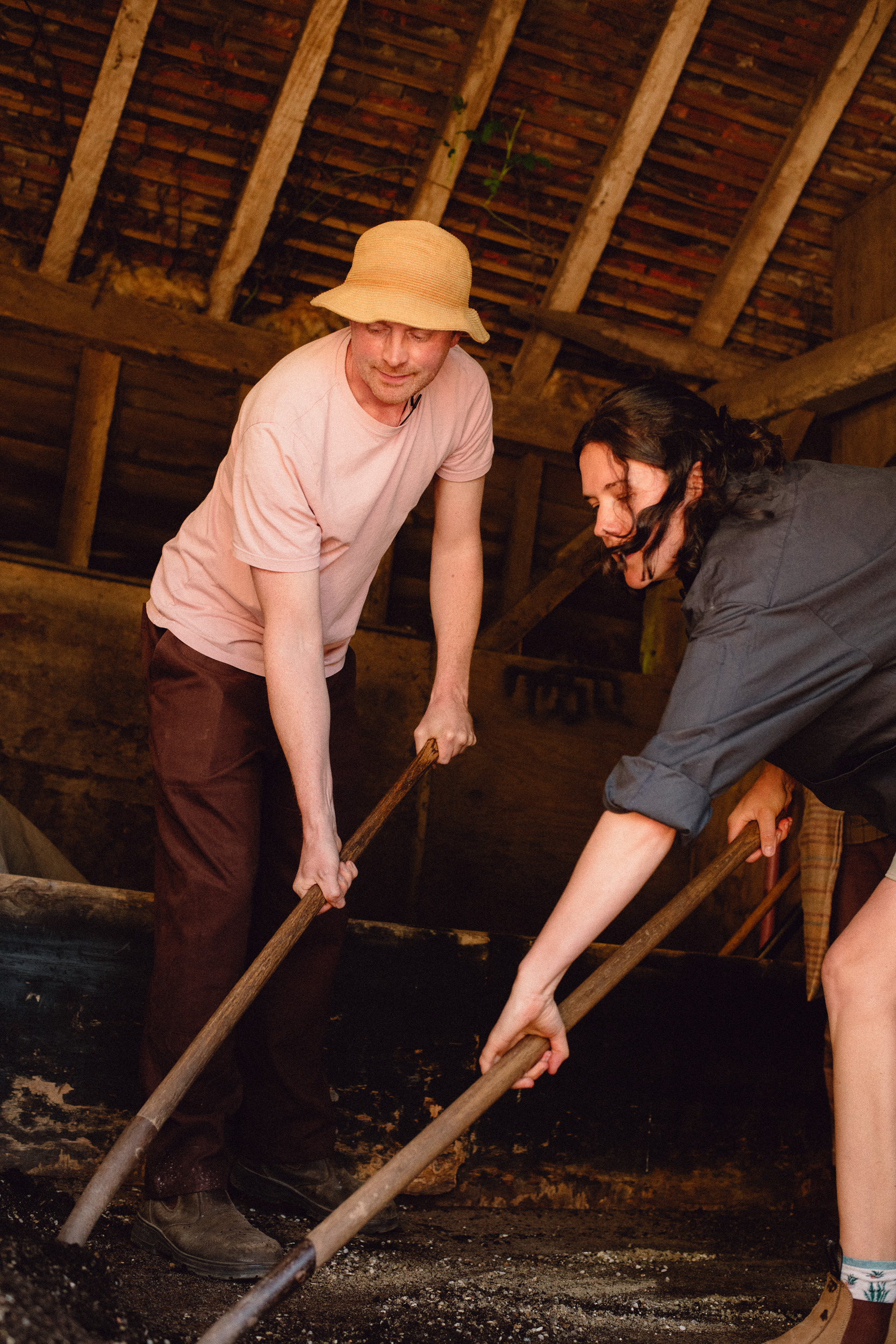
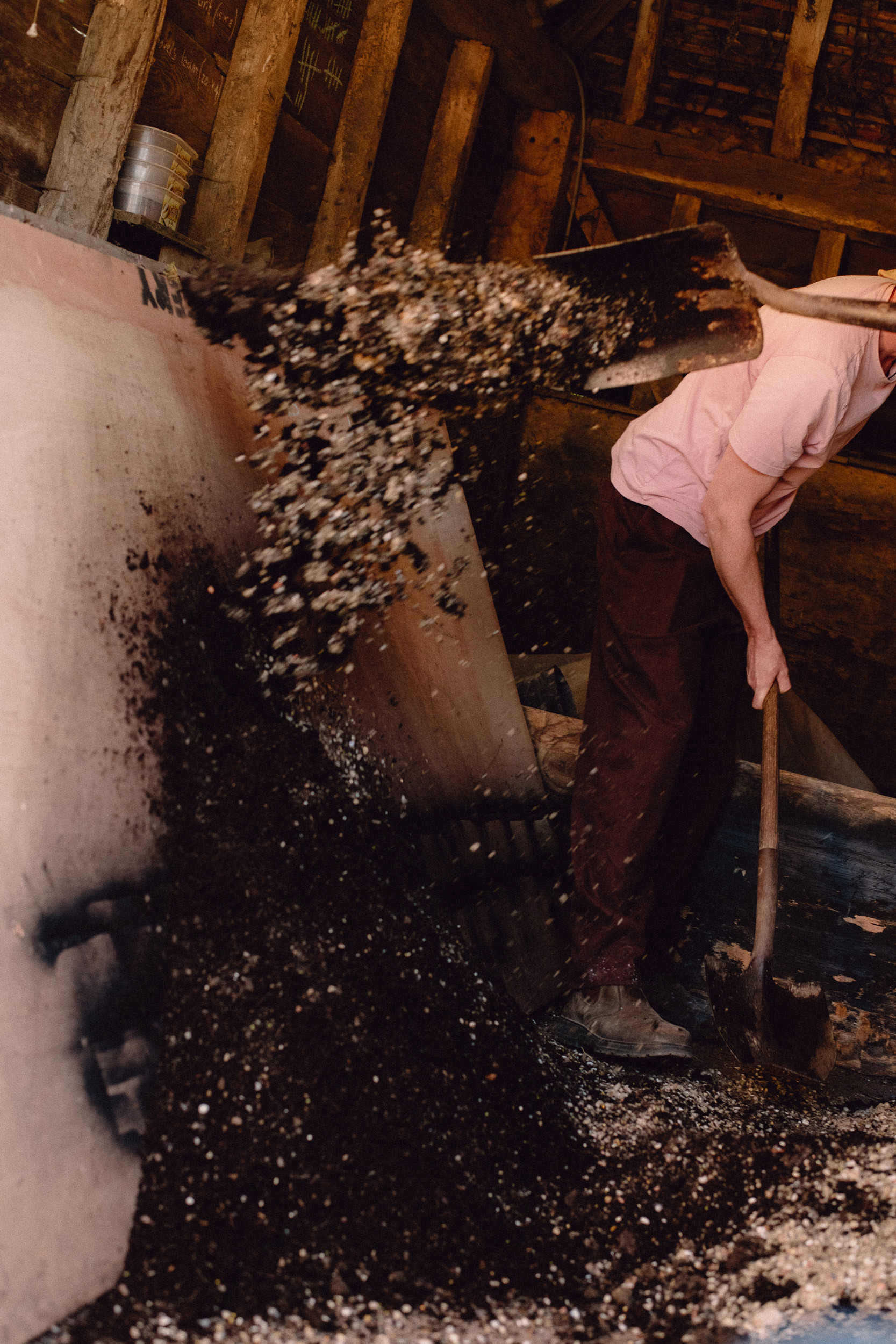

To begin, we watch Jamie Todd and Ros Crowhurst collect ingredients for their potting compost. This time-honoured and labour-intensive process involves amalgamating barrowloads of bark, grit and loam with shovelfuls of slow-release fertiliser and lime. The duo then combine these ingredients by throwing it against the wall, twice. The loam comes from the garden, where it is stacked high then sieved by hand and finally sterilised to remove weed seeds.
“The nursery has been peat-free for 20 years”, explains Jamie, “And although the recipe is based on a John Innes formula, we can adjust it for seedlings or cuttings and experiment to make improvements, so customers buying from the nursery know that their purchases have a good chance of making the transition into their own gardens successfully.” (Unlike many garden centre customers, who see their plant compost turn into a solid, water-repellent briquette unless it is constantly watered.)
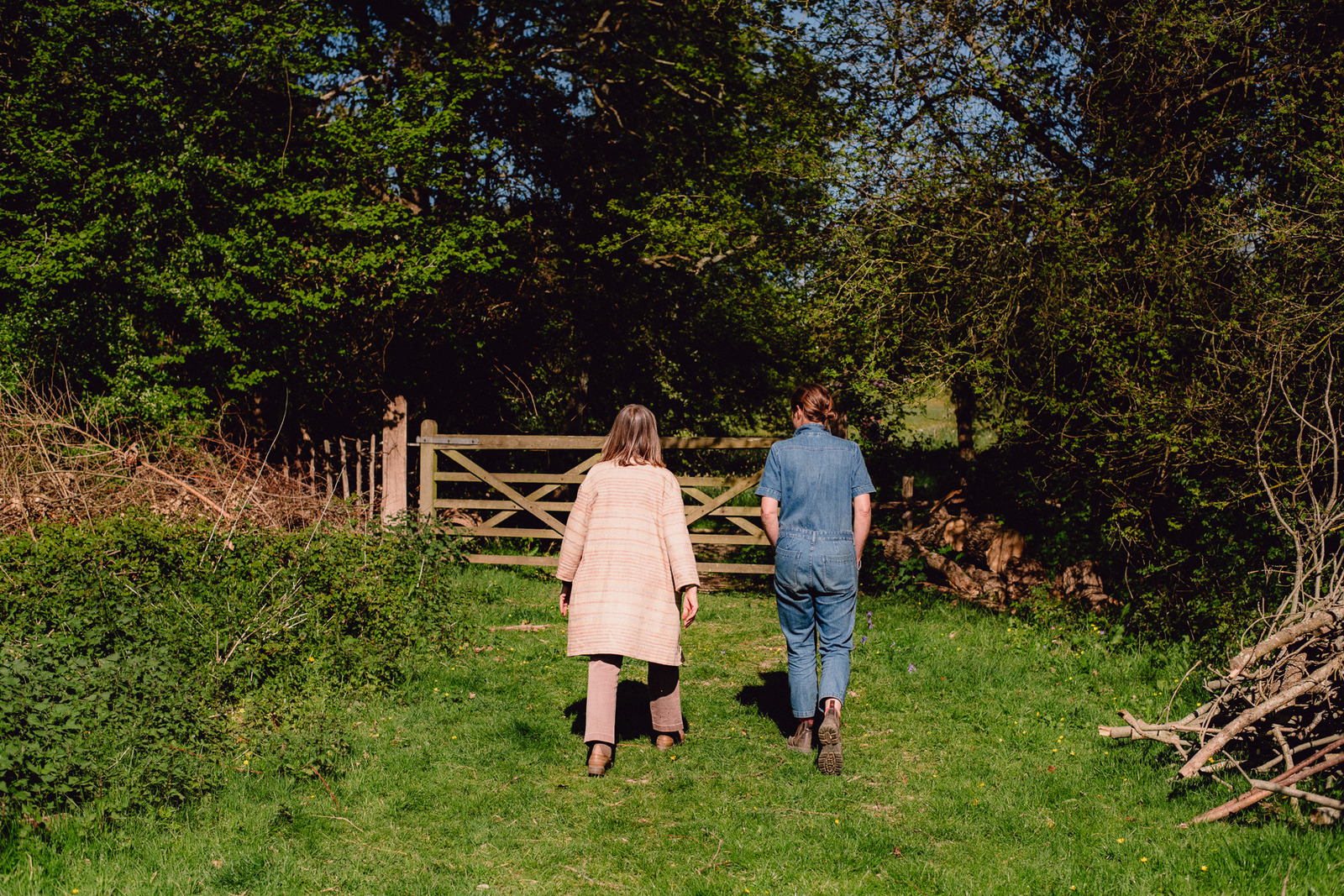
From the dim shade of the potting shed, we made our way down a leafy lane to a location visitors rarely see: The Farm Educational Centre. Here, we examine the wind- baked experimental beds with previous nursery scholar Isabel Sanders (who is Greek) and current scholar Lex Wood-Weber (who is Australian). Lex shows us her project, growing Australian plants in a bed of sand and biochar to see if they can survive the climate here. Other seedling participants were still sheltering in the greenhouse from weather that was far from antipodean.
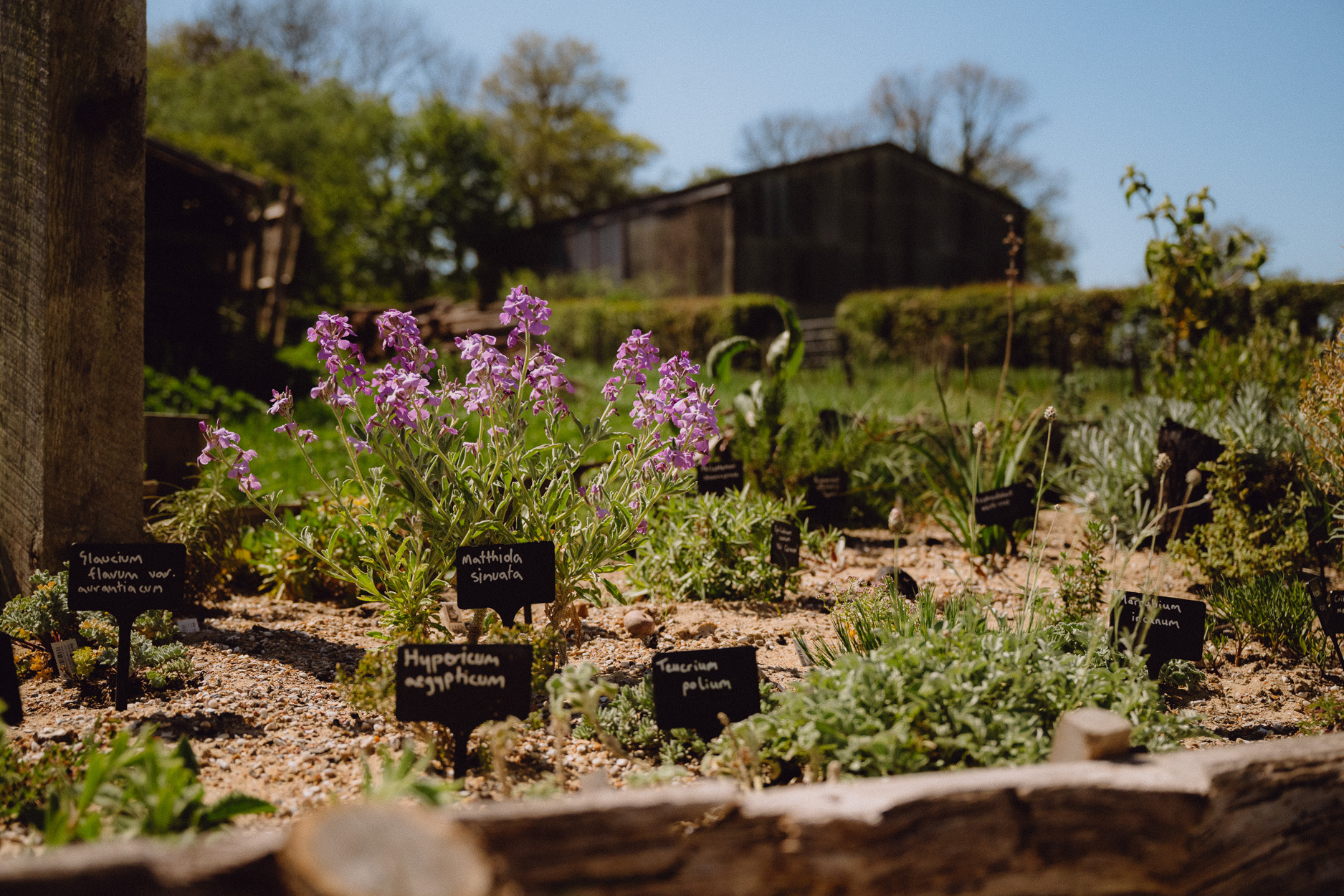
Isabel’s bed featured over 90 mostly Mediterranean species of plants, including Matthiola sinuata, a scented sea stock from Greece; Crambe maritima, or sea kale, which can be found at Dungeness; plus several donations from other gardens, including Sissinghurst’s new Delos garden. Both agree, “It has been an amazing experience working here and having access to such breadth of knowledge, and being allowed to experiment. It’s so inspiring to work on projects with such generosity of time and resources.”
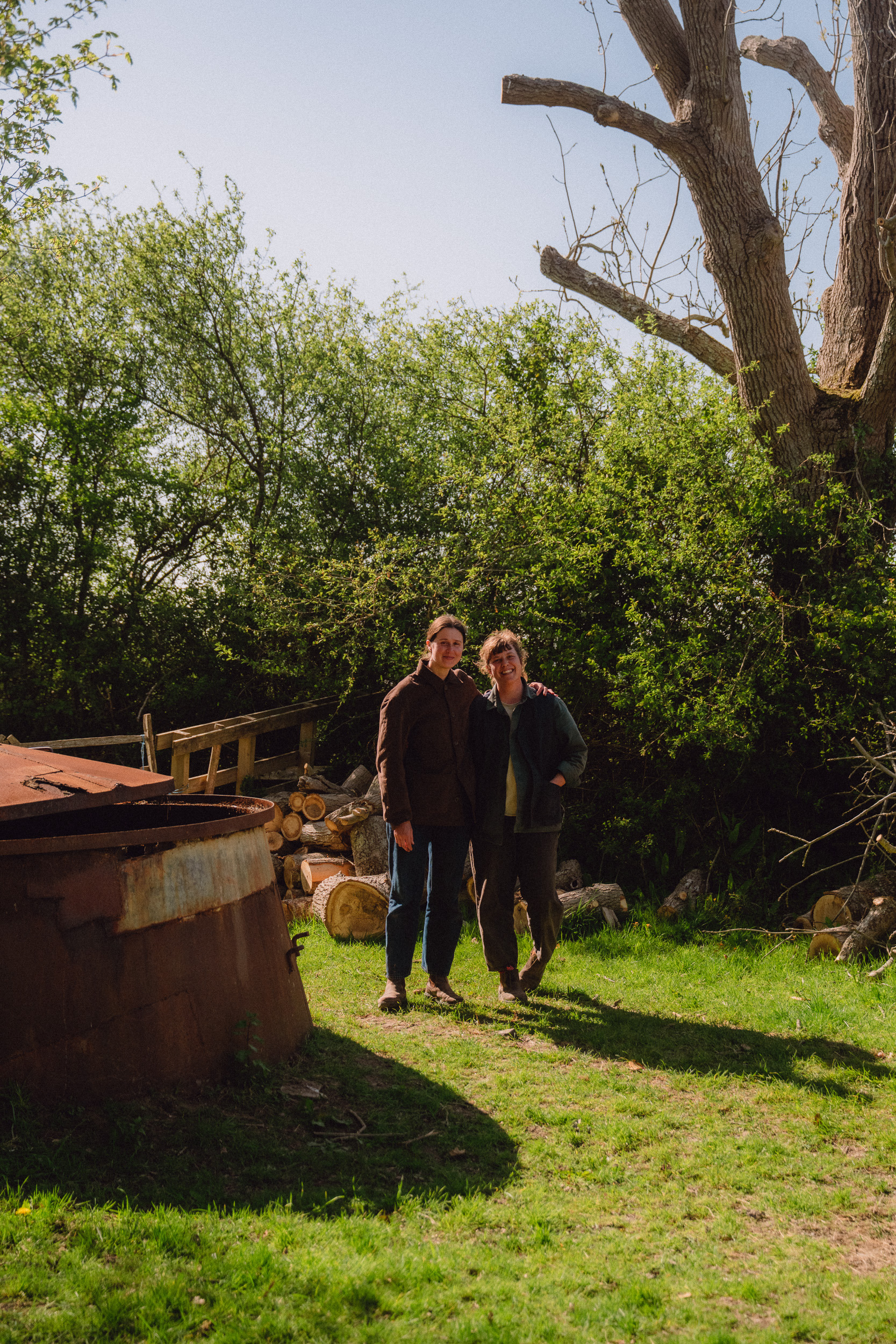
Walking up towards the charcoal burner in the field where the spring and autumn plant fairs are held, Lex and Isabel explain that they both come from countries where burning is part of the natural horticultural cycle. In the sand beds they use charcoal and biochar (where the charcoal is fermented in water, woody detritus and compost) as a soil conditioner that also increases water retention and should hopefully make the new plants they are growing feel at home.
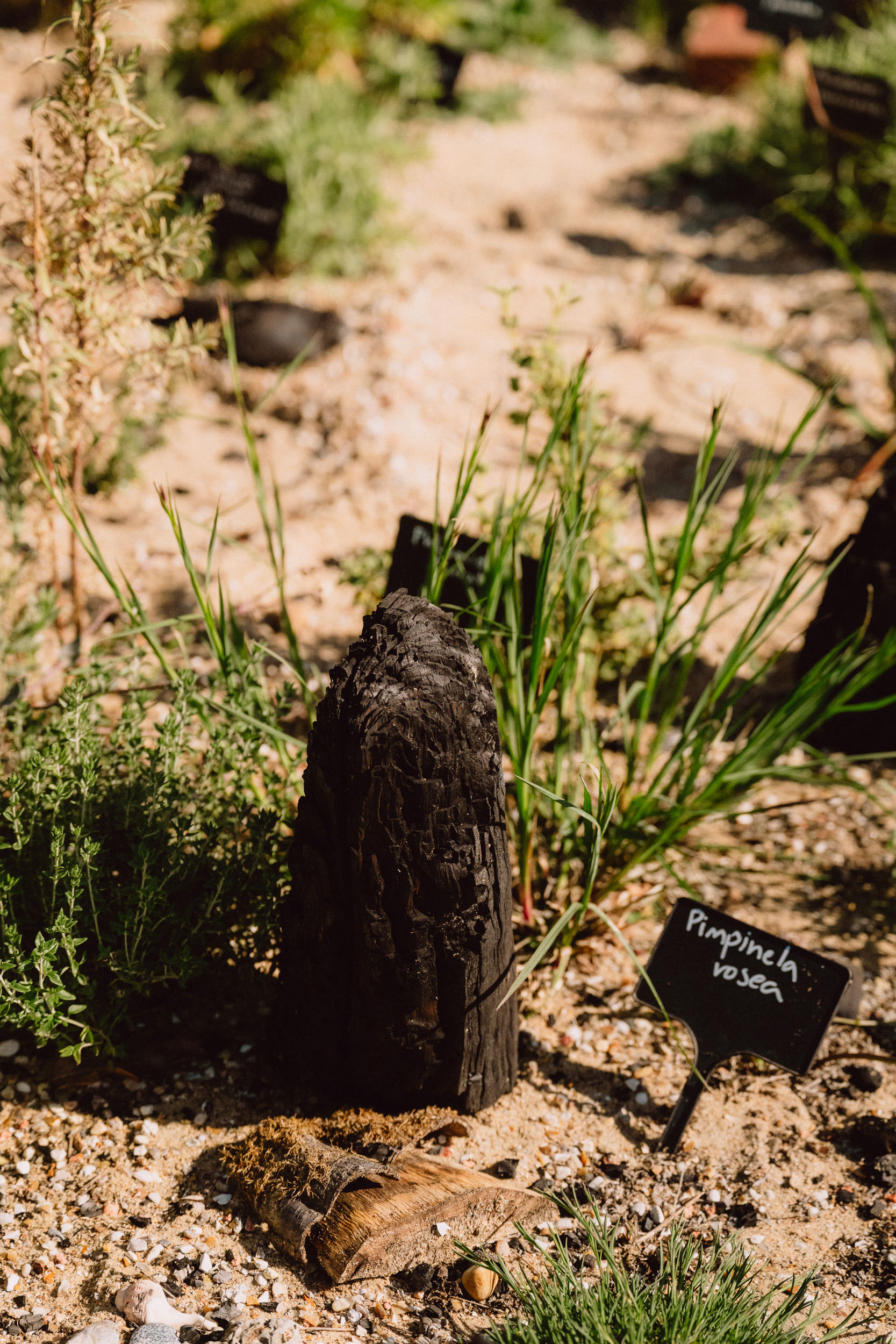
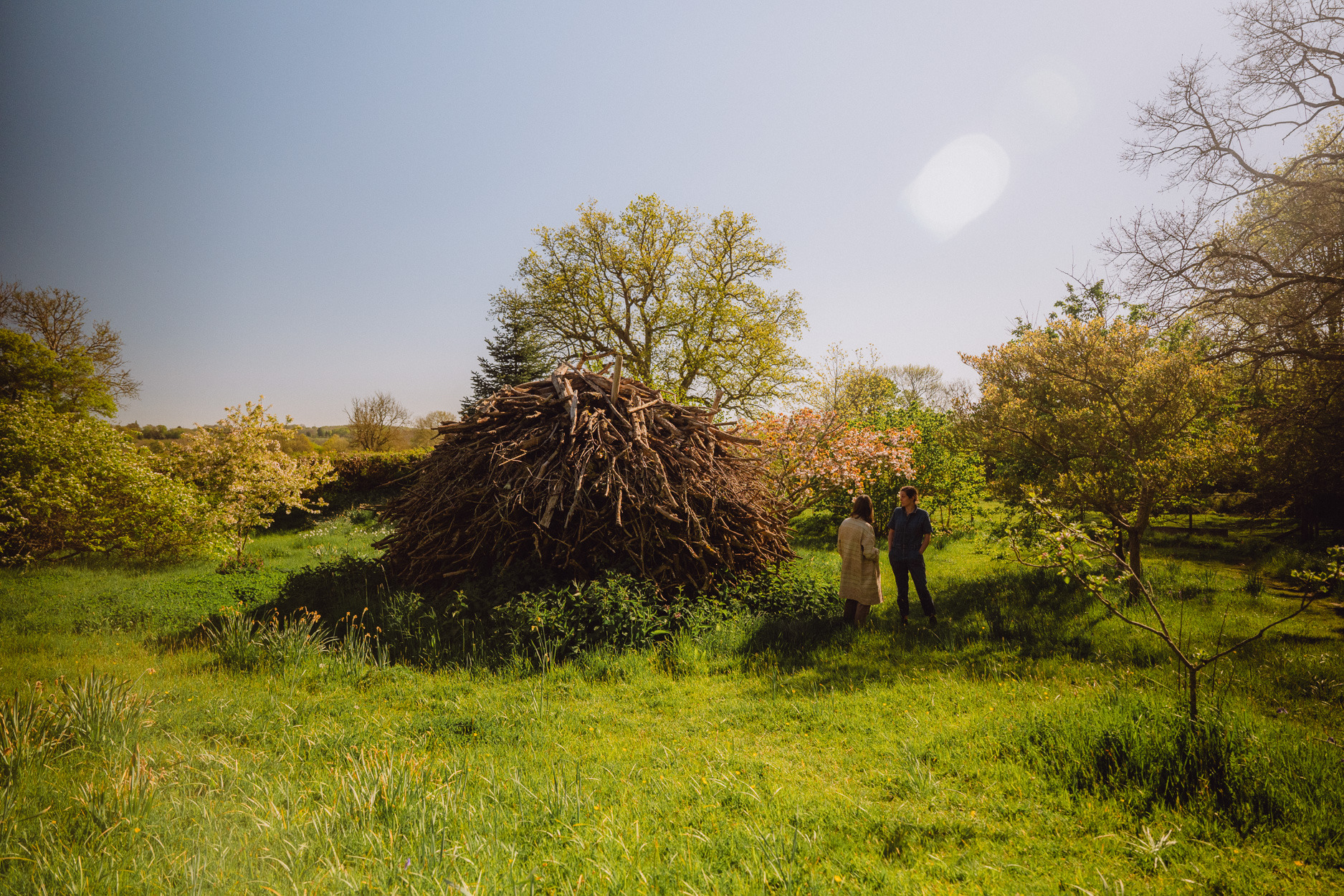
Finally, I met assistant head gardener Coralie Thomas next to one of the arresting deadwood stacks that populate the garden. Inspired by Romanian haystack shapes, Fergus has installed these in various habitats across the site to encourage their use by whatever proliferates nearby. The food chain starts with fungus, then insects and beetles, then whatever preys on those creatures gradually populates the stack.
Entomologist Andy Phillips has made sound recordings of stack inhabitants munching and sees Dixter as “a garden nature reserve” – an example of how conservation can be integrated into gardening. Spider counts have reported huge numbers, with wide varieties of birds, moths and bees recorded. The soil is active and alive, and is the basis of everything here. All this diversity, as vibrant in the beds as in the wild areas – despite the huge visitor footfall the garden endures.
Like its soil, Great Dixter is the result of a glorious mixture of anachronistic practices and cutting-edge innovation that has produced a much-loved garden and an admirable community.
Garden Clippings
Help fund a nursery scholarship
Give a student a chance by helping to fund next year’s scholarship, so they can gain the right training and experience to make a mark on the garden world. The nursery trainee is paid minimum wage and lives in subsidised accommodation on-site.
Garden clothing
During our visit, the students were wearing a range of garden clothing designed in-house to be sold at the Great Dixter shop. Please contact alice@greatdixter.co.uk for enquiries.
Great Dixter Gardens are open 11am-5pm from April-October, Tuesday to Sunday.