Art curator Natasha Landers on creativity and the role of art in the home
February 6th, 2026
Words Holly Nicholas
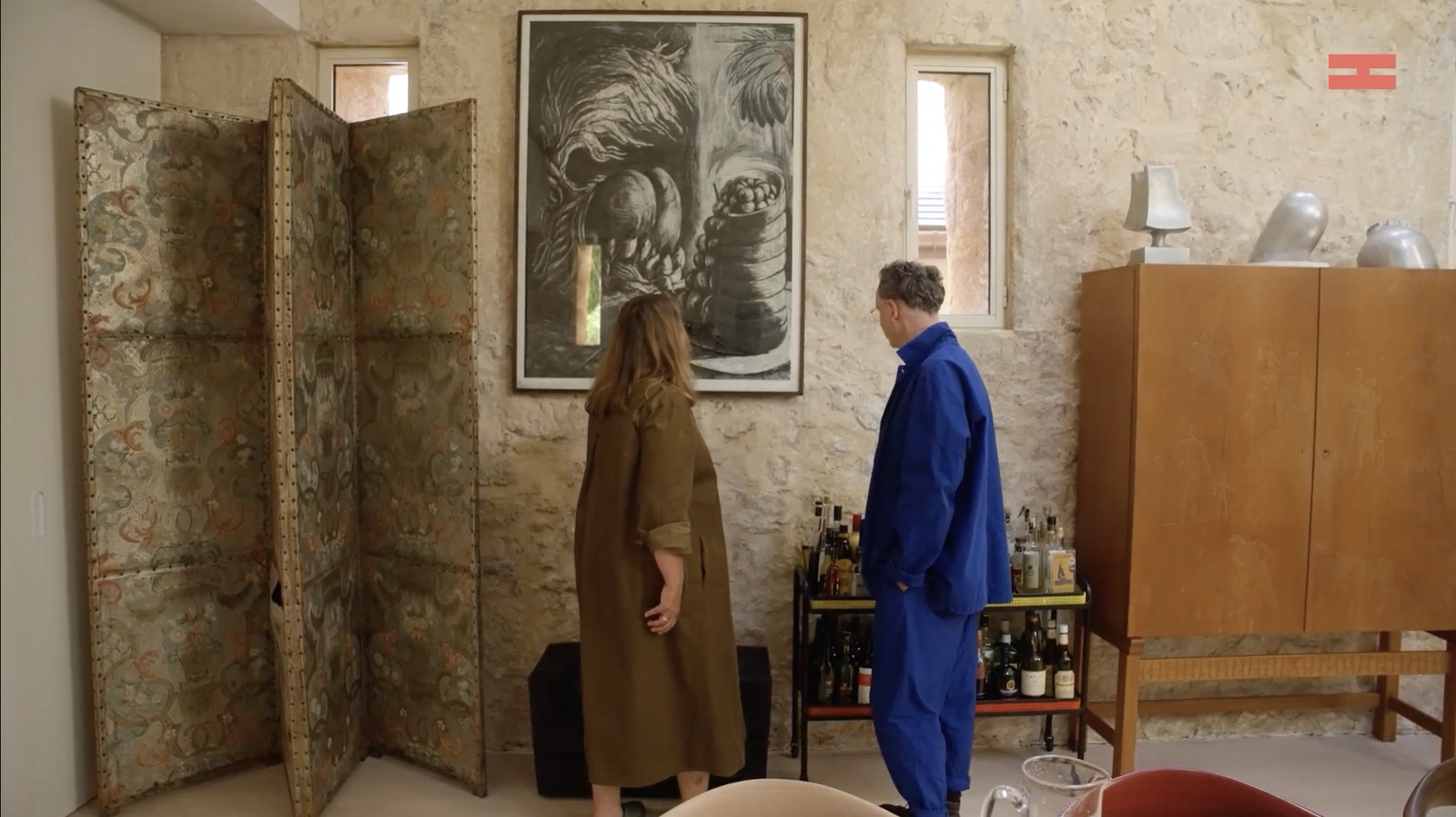
“I can't imagine a space without art. It gives me comfort. It kind of hugs me. So wherever I go, my art will go with me,” says interior designer and diversity consultant Natasha Landers. In the latest episode of the Homing podcast, she welcomes Matt into her colourful home in east London, which she regularly opens to the public as a gallery showcasing the work of Black artists. Natasha explains how her home represents her and is “interwoven into [her] personality,” and how both she and the house have evolved together over 26 years and counting…
In the podcast, Natasha describes growing up on a council estate in Hackney, a warm, safe and colourful home where she was given the freedom to design her bedroom, with chocolate-brown walls and flower-patterned Dolly Mixture wallpaper. Although while growing up she felt cultural pressure to “get a good job” in business, Natasha says, “I was always very creative in the way that I dressed and also in the way that my room was, and I was allowed to explore that. So even though I wasn't acknowledging my creativity, it was definitely coming out from a very early age.”
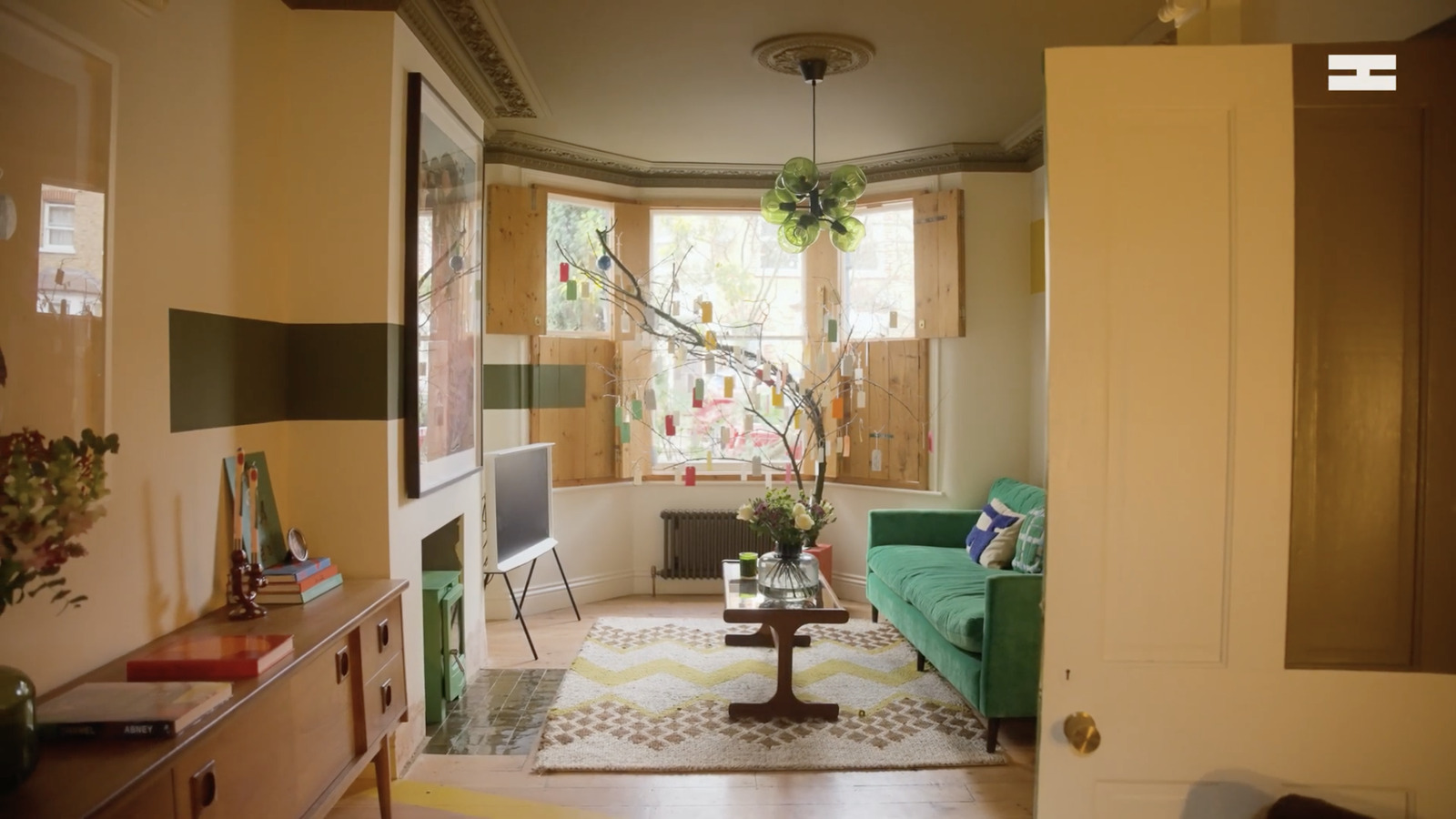
After studying at university in the valleys of Wales – “a huge culture shock” compared to the city life of Hackney – Natasha returned to London, working for the council and later as a diversity consultant. She is also an interior designer, as well as a co-founder of The Lemon Seed Project, a curated home gallery which transforms her house into an installation and a gallery for Black art, open to the public at various times throughout the year.
Natasha describes the project as “a love letter to Black artists,” whose work she has collected for the last 30 years. She explains, “I grew up at a time where there wasn't a lot of representation of people that looked like me in art, film, in books, even toys weren't representative. So as an adult, part of my home being a home was having art that that I could relate to.”
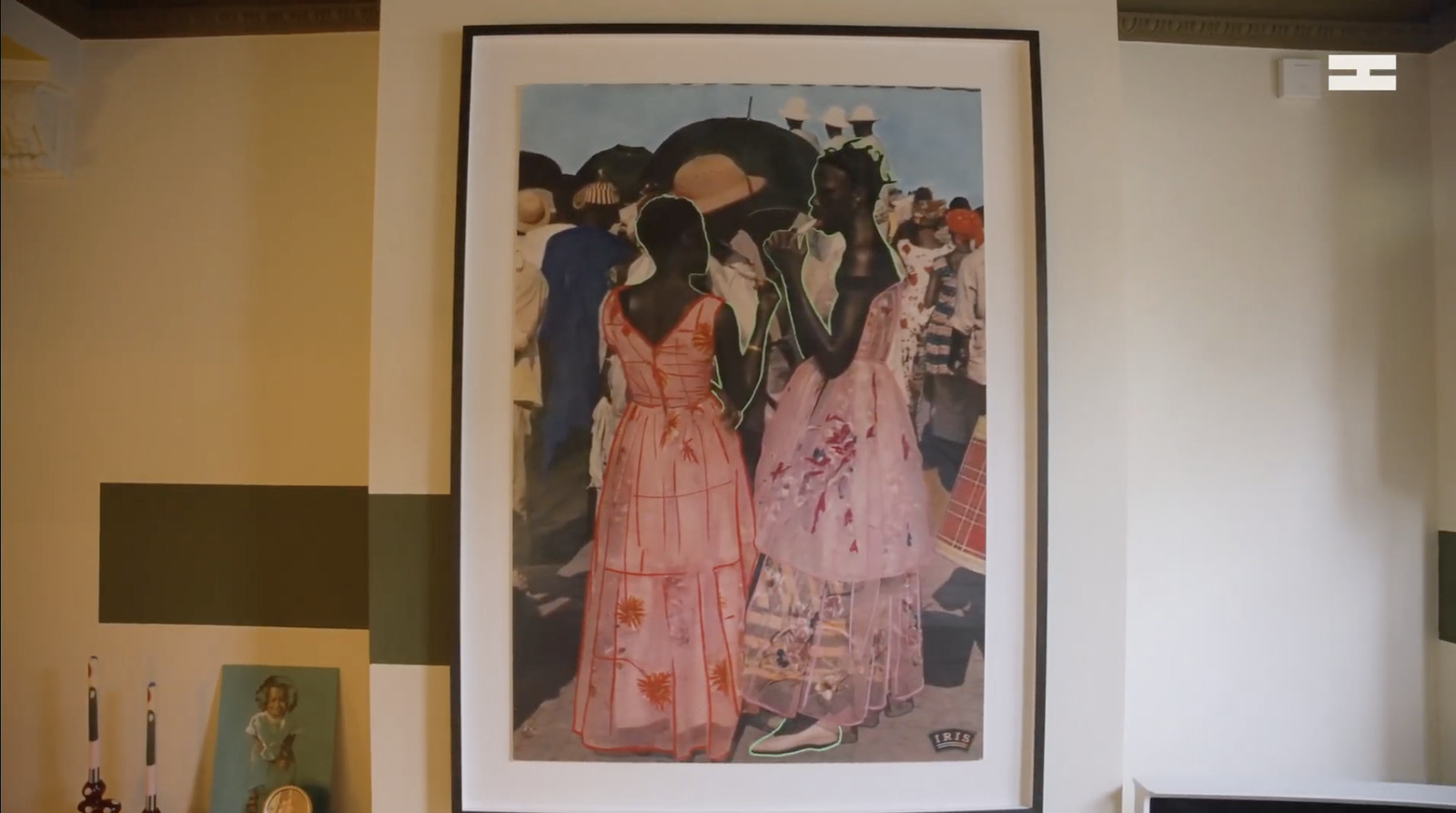
As well as providing a platform for Black artists to show their work, Natasha hopes that “using the house as an installation in itself can show people that art can translate from a gallery into a home. I live in a two-up, two-down house. It’s not tiny, but it’s not huge. But I’ve got big pieces of art. I’ve got small pieces of art. They’re shown in all different ways. So it’s to inspire them.”
While the house is used as a location house and a gallery, it is first and foremost a home. Natasha describes how when she bought it 26 years ago, she knew she would live in it for most of her life, “because it had the bones of what I wanted in a Victorian house,” despite the fact that many of its original Victorian features had been removed by the previous owners.
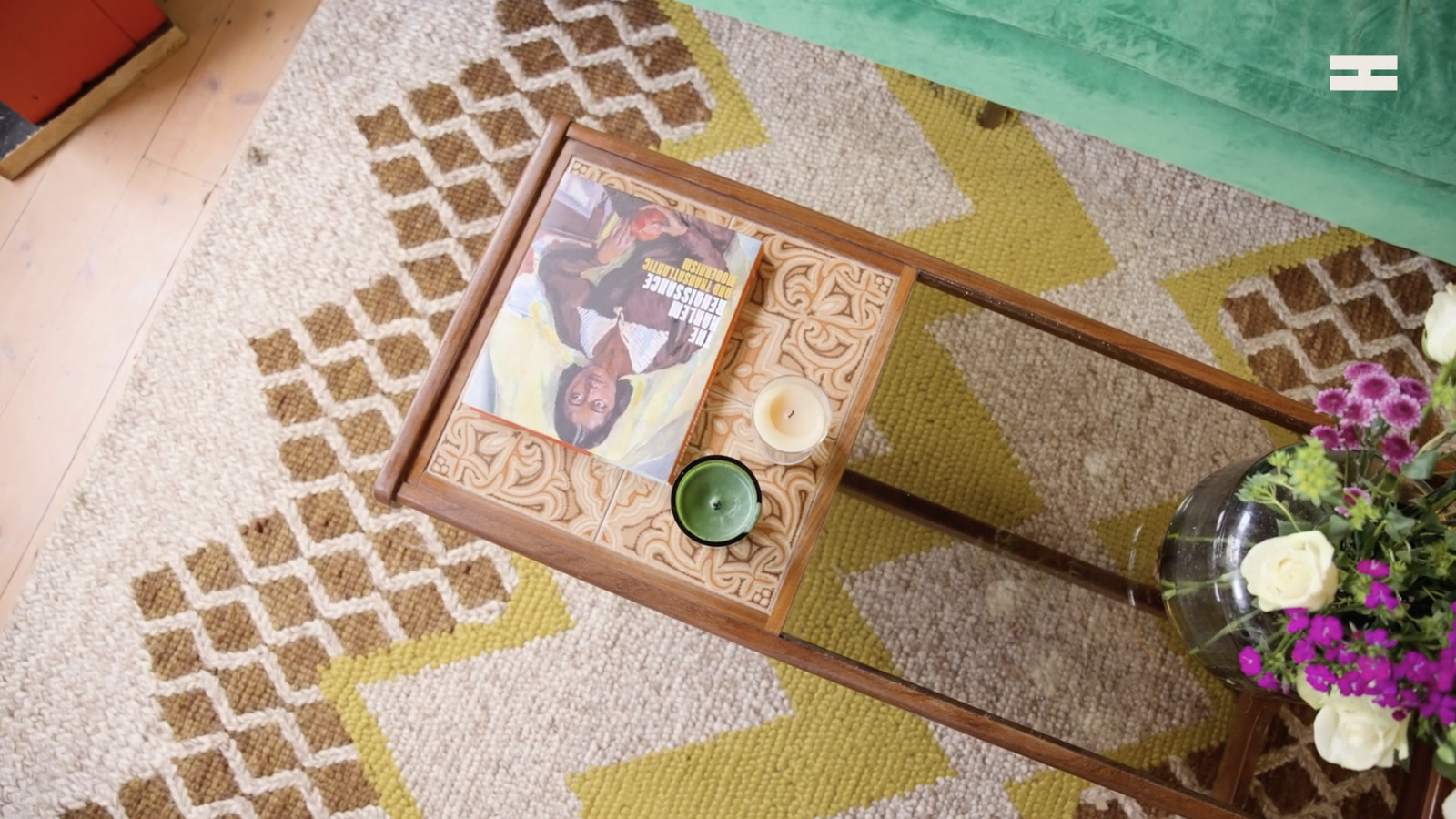
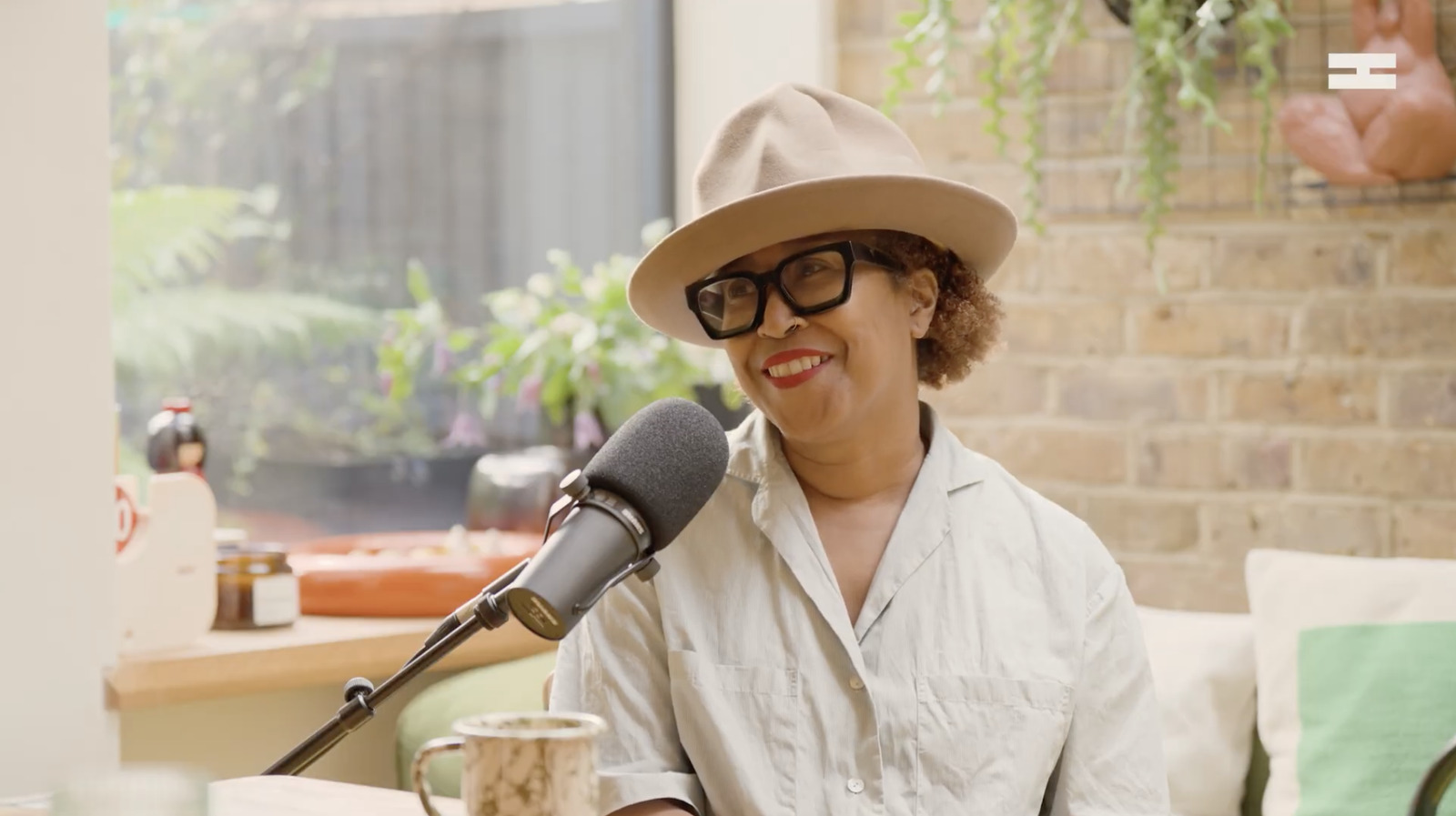
“It’s allowed me to express my creativity over time,” says Natasha. “I didn’t realise I was patient, but [it has given me the] patience to let it evolve as my life evolved and as money evolved. It really was about saving up money wherever possible and doing things bit by bit.”
From a sunshine-yellow rubber kitchen floor to a bright, bold hallway inspired by Lego bricks, Natasha’s creativity and style defines the house (an exclusive video tour is available for members on Patreon, priced at £6 per month).
She explains, “I often talk about how I dress like my house and my house dresses like me. It’s interwoven into my personality. It doesn't matter to me whether someone else likes it or not because it feels comfortable. It feels like whatever's going on in the world, I can open the door and come in and just leave that heaviness outside. That’s what home feels like to me.”
Forthcoming episodes of Homing feature the author Alain de Botton and the artist Sam Taylor-Johnson. Subscribe to Homing or become a member of Patreon and as always, happy listening.