How My Garden Grows: a magical Japanese-inspired conifer garden in the middle of nowhere
December 2nd, 2025

Words Francine Raymond
Film and photography Ellen Hancock
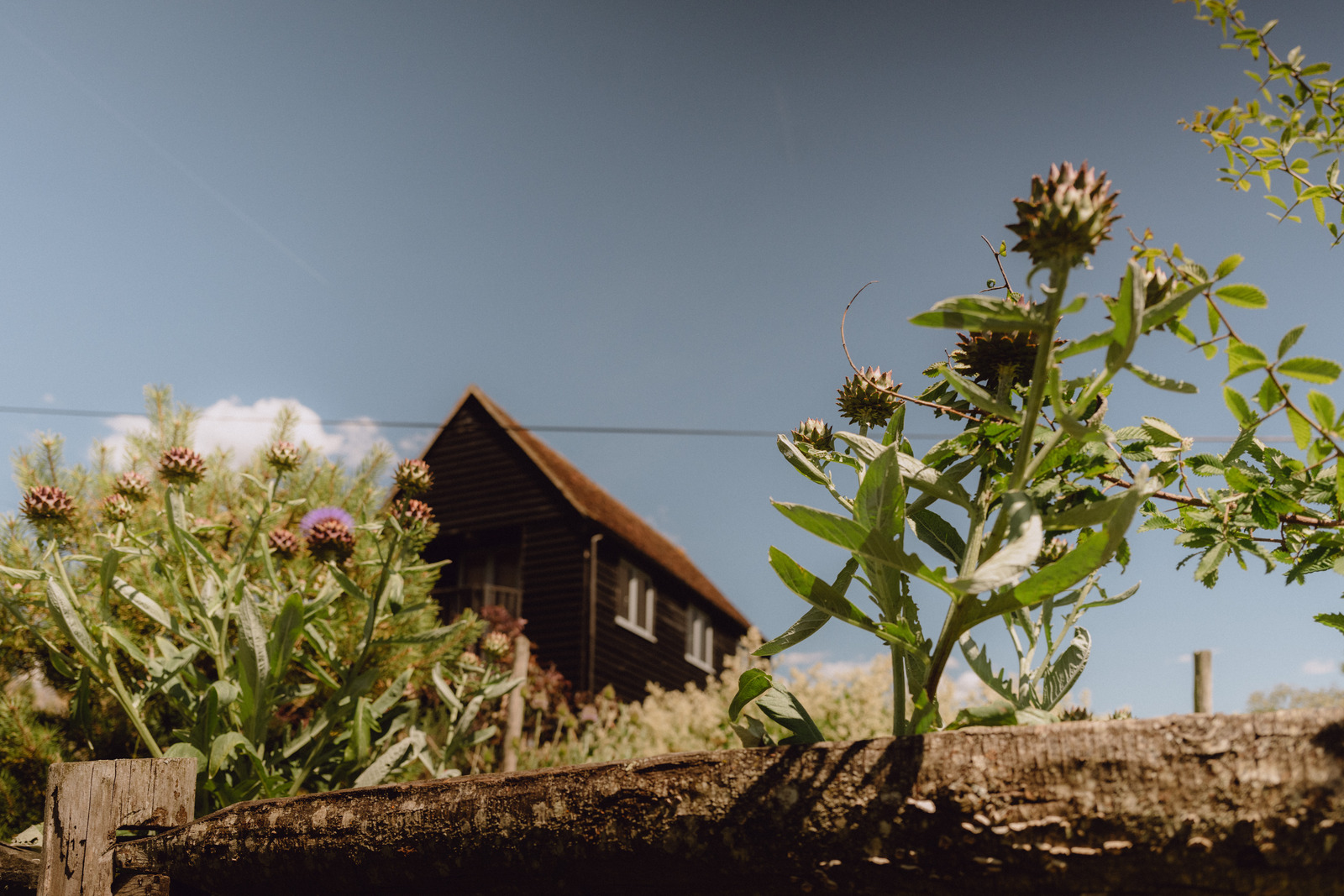
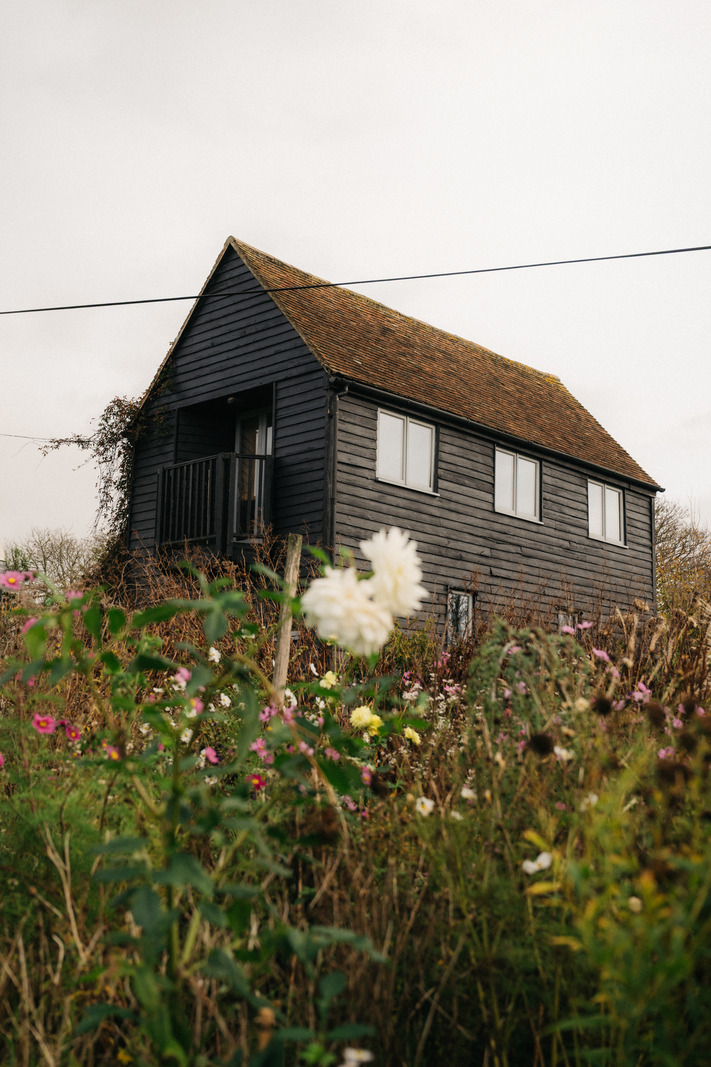
Think of a child’s drawing: a simple black house in a garden surrounded by a fence in the middle of a field. An elemental image that has a particular place in all our memories and one that special effects artist Andrew Salter has created in the Kent countryside.
It's a brave gardener who invites scrutiny in winter, but – as we discovered for the third episode of my podcast, How My Garden Grows – there is beauty to be found in the garden’s dying days, in tiny spots of colour, in the season's smells and sounds, and small signs of hope.
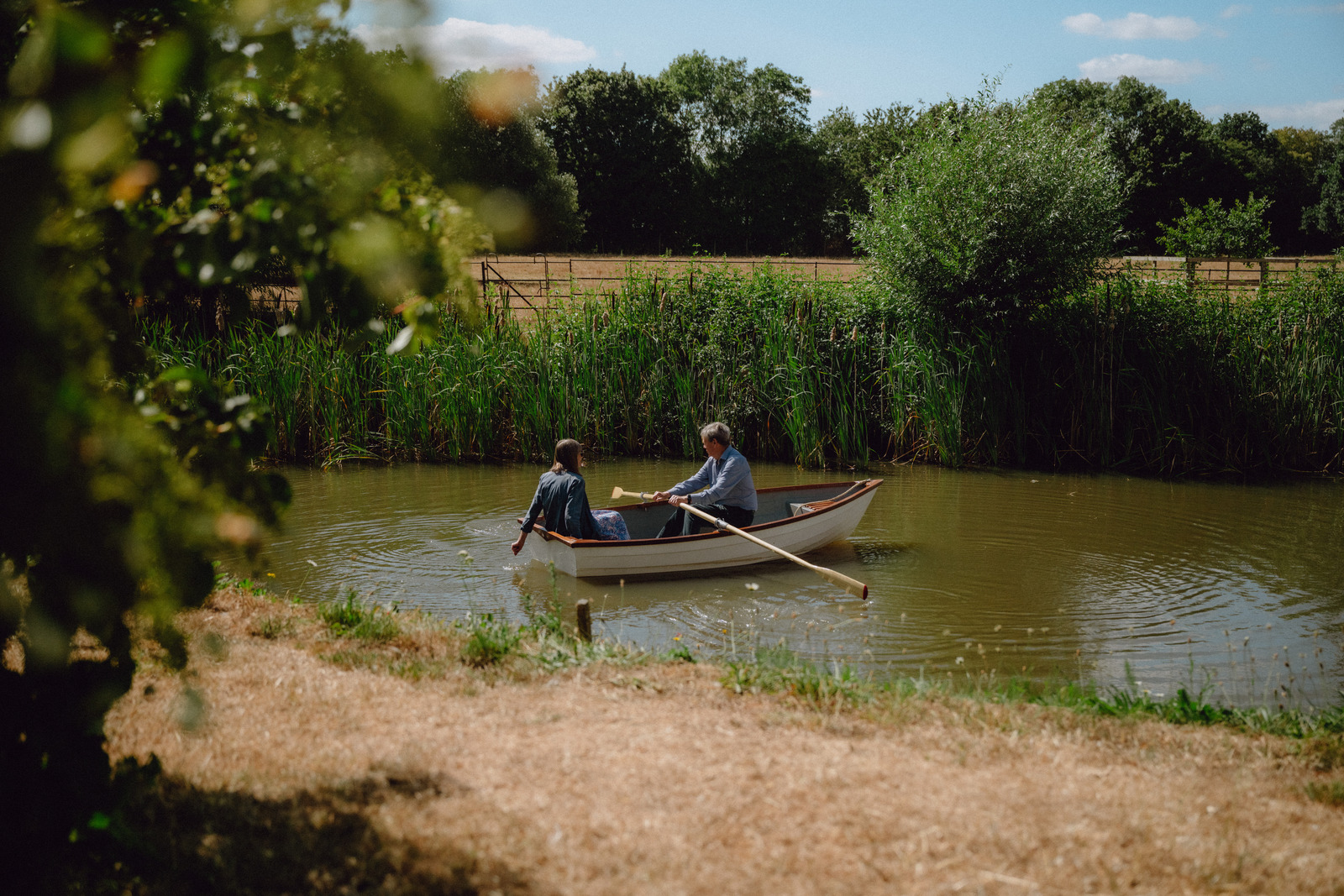
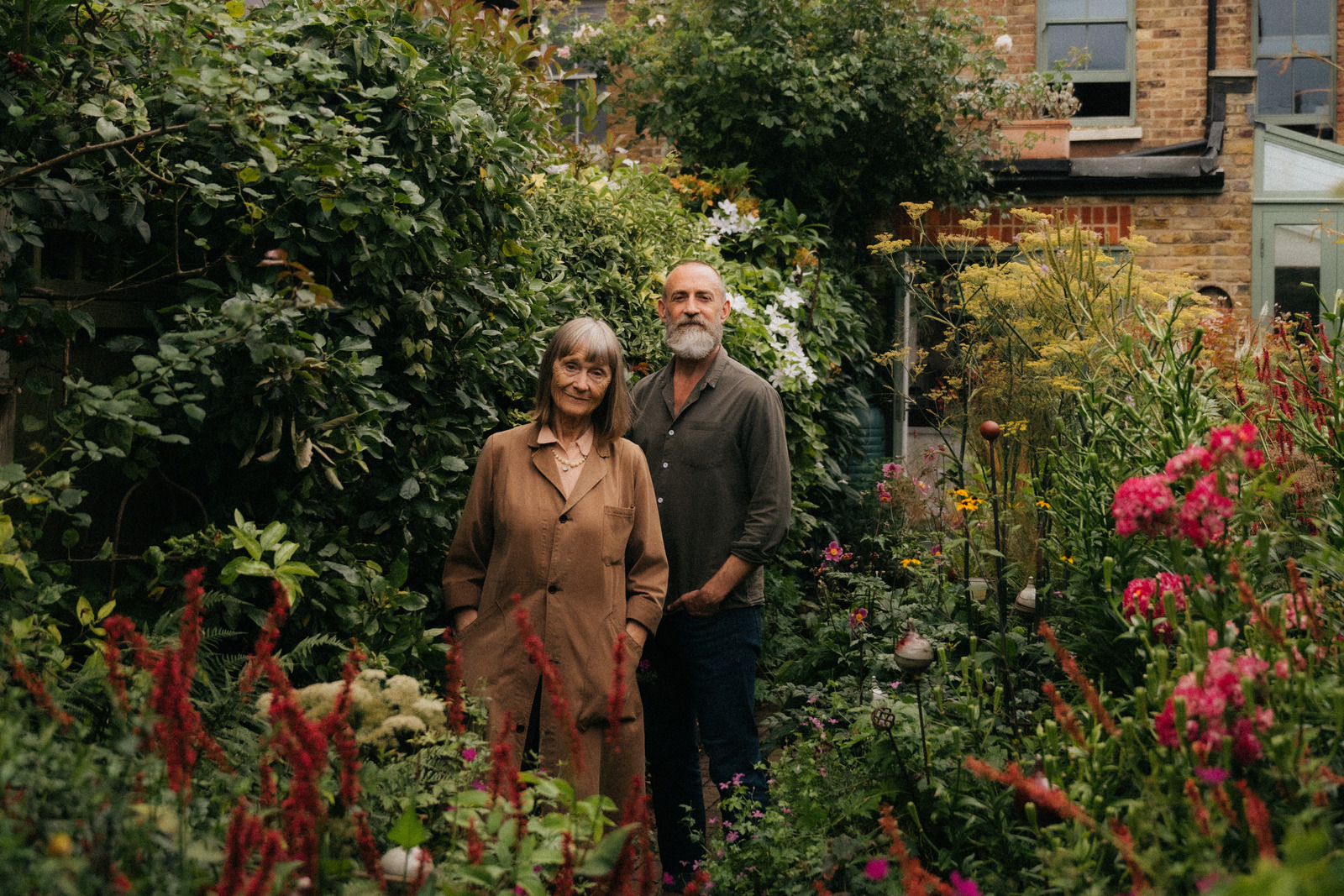
I was initially alerted by an image on Andrew's Instagram that the garden was open to view one summer’s day last year. We got completely lost as we approached on foot across the fields but somehow the whole day had a magic that couldn’t be spoilt. We were welcomed in with others who’d appeared from the same direction and spent a happy morning meeting Andrew and his partner Victoria, exploring the densely packed beds and then relaxing on a rug on the grass by the river.
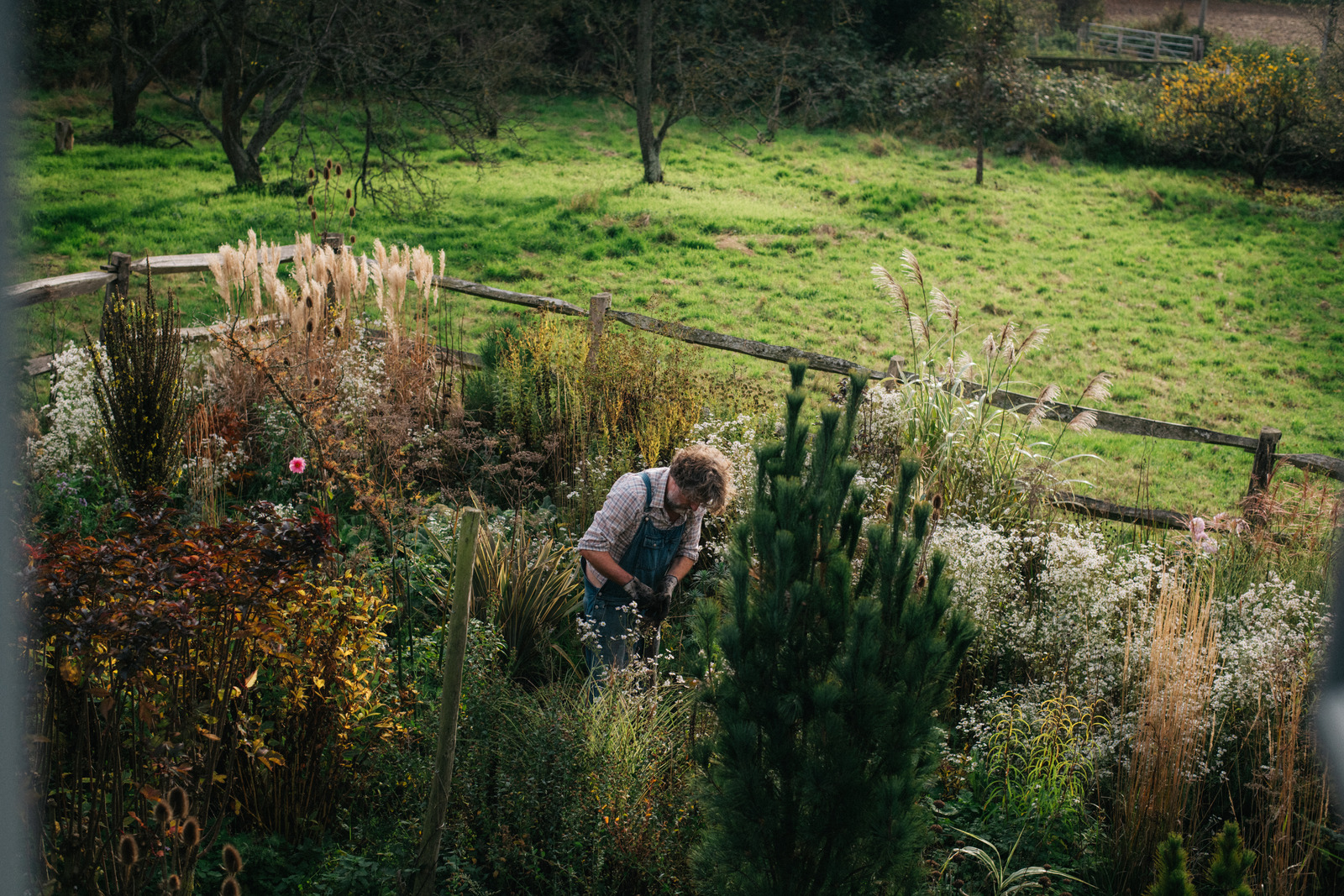
Andrew's is a small garden densely packed with interest. The perfect viewpoint would be bird’s eye, but next best is by drone or from inside the house, and then by walking the fence perimeter, peering in through clumps of grasses, shrubs, perennials, even annuals in season, plus the evergreens that give the garden its structure, texture and character. Then to wander and maybe sit and rest on the decking that gives access to the inner boundary peeking in among the plants, inhaling the perfume and admiring the spectrum of colours.
None of these types of plants will be new to gardeners, except perhaps the conifers. Many of us punctuate our planting with evergreen yew or box (sadly fewer of the latter due to blight and moth) and they give backbone or, better still, winter interest to our plots, but few make the most of this wide group of trees that grow well in the UK. There is a lot to be said for this plant division; and who can resist stroking its foliage, sniffing and admiring its shape and form?
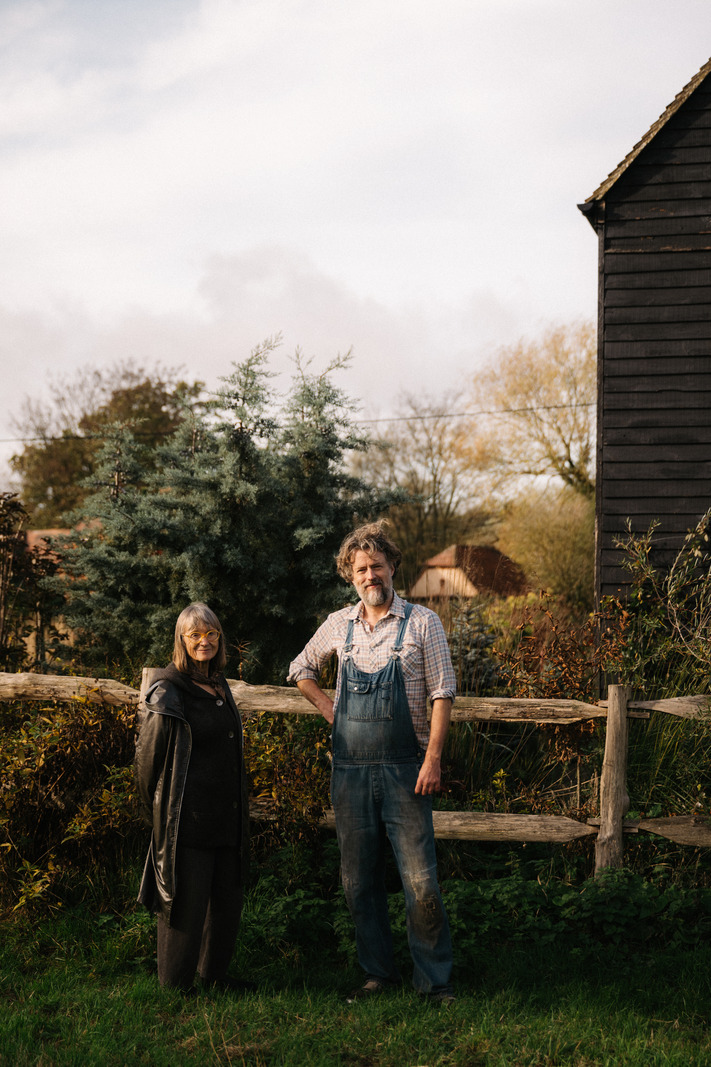

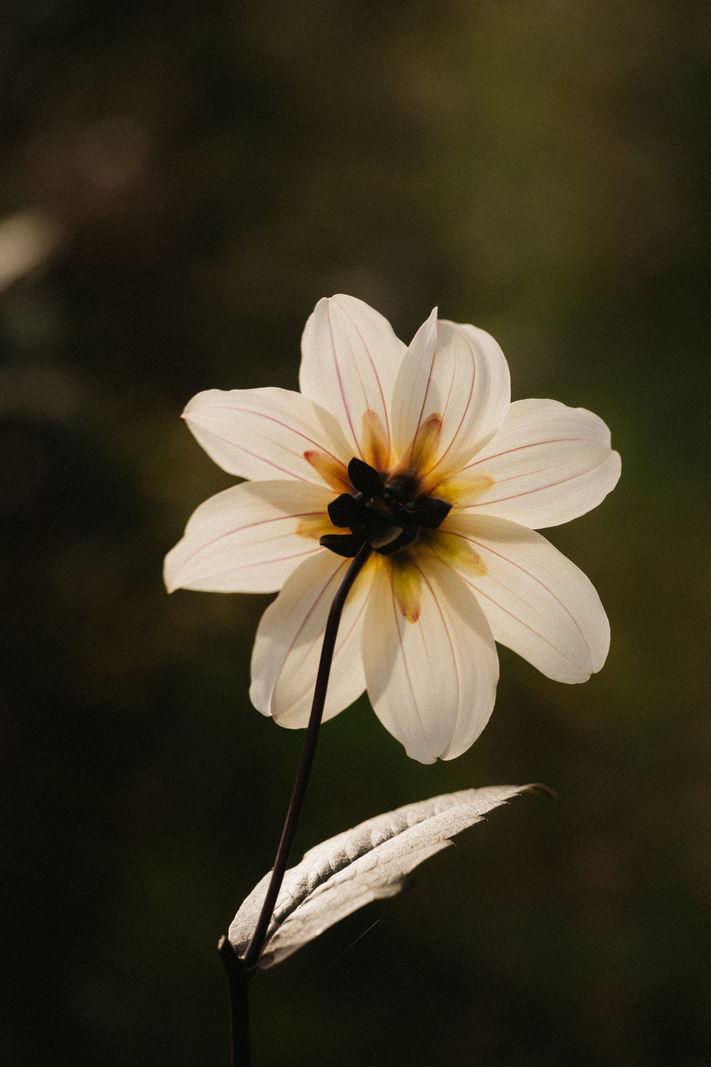
Where did Andrew discover his love of conifers? Japan of course. He tells us: “Some people are baffled by my use of them, but I don’t use them to be thought odd or a rule breaker, and I know they’re not fashionable, but I discovered during a trip to Japan that 45 per cent of their gardens are made up with these solid, muscular shapes that balance the masculine and feminine elements. They are kept to human scale by endless pruning and give this garden an important structure.” (Discover Andrew's favourites below.)
He has negotiated the perfect work:life ratio with just 100 days working and the rest travelling and gardening. The couple try to visit Japan every year to visit the Temple gardens in Kyoto. Andrew adds, “Without exception, they all have a wooden verandah set around their temple perimeter for observing the surrounding garden – an idea I admit to stealing, but the first one I visited after reading about it aged 17 in Kerouac’s The Dharma Bums was Ryoan-ji, which is still a special favourite.”
His favourite Japanese designer? “I can’t say I have a favourite; every garden is a mind melter. However, the obvious choice would be Shigemori Mirei, the last great Zen designer and scholar who was responsible for the moss garden at Tofuku-ji and astonishing dry rock gardens at Zuiho-in and Kongobu-ji".
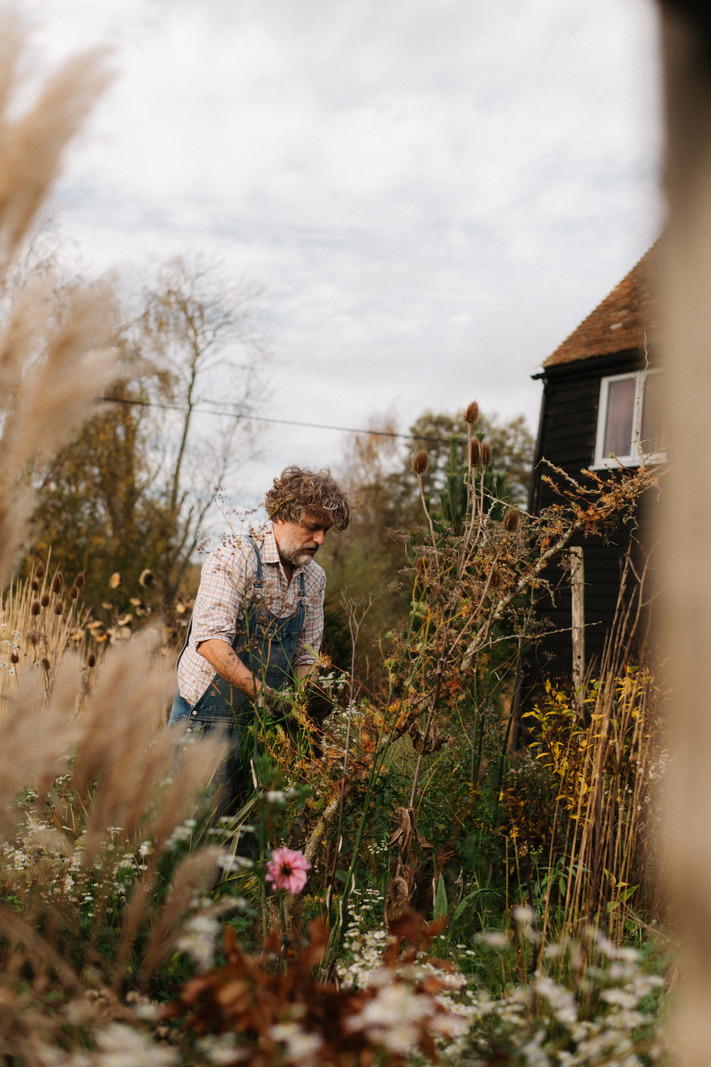
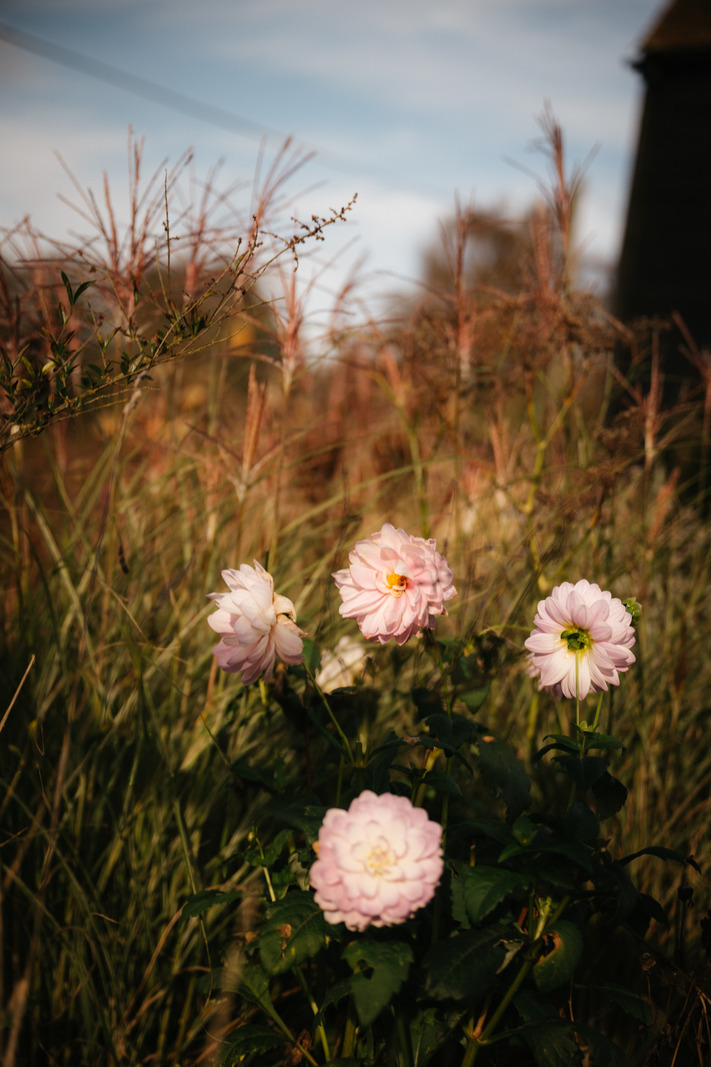
Andrew gives one of the best explanations as to why gardening is so good for us, such balm for the spirit. “There is no better place to be. I completely immerse myself in the garden, switching off the intellect. I’m led by the plants, it’s as though I’m part of the garden.” He substantiates what has been proved by endless medical reports including one by the King’s Fund on the benefits of gardening showing significant reductions in depression and anxiety. Many gardeners feel their work’s progress is suggested by the garden itself, with gloriously symbiotic benefits.

Garden clippings
Conifers
Visit any Victorian or Edwardian municipal cemetery to see a wide range of conifers in full glory or take a trip to The Bressingham Gardens in Norfolk, where Alan Bloom’s collection of conifers growing in island beds with heathers at their feet still exist – a tribute to mid-century garden style.The only native conifers are Scots Pine, juniper and yew. Many unusual conifers are hard to find, except at specialist nurseries.
Andrew's favourite conifers
*Chamaecyparis lawsoniana ‘Karaca’ – a fine dome-shaped Lawson’s cypress with greenish yellow foliage (larchcottage.co.uk)
*Picea pungens ‘Erich Framm’- bright silvery blue pyramidical spruce (frankpmatthews.com)
*Cryptomeria japonica ‘Dacrydioides’ – the Whipcord Cedar, a shrubby conifer with spreading habit that turns bronze in winter (larchcottage.co.uk)
*Pinus densiflora ‘Pendula’ – Japanese Weeping Pine with red bark (larchcottage.co.uk)
*Pinus engelmannii, the Apache Pine with super-long needles. (panglobalplants.com)
Garden trips to Japan
Many travel companies offer garden trips to Japan. Andrew goes under his own steam; on his first visit he bought a bus map in Kyoto and followed the routes denoted by a flower symbol.
Su and Paul Vaight, whose garden Pheasant Barn at Ore in Kent opens by appointment for the NGS, recommend the Hokkaido Garden Path, a 200km garden tour that takes you through Furano and Tokachi and can be accessed by train from Sapporo.
Gardener Katherine Pickering lived in Japan for 15 years. She suggests visiting Sengan-en Kagoshima with the borrowed view of an active volcano, and Shukkeien Hiroshima with miniaturized famous landscapes.
Andesignkyoto.com offers visits for small groups within Japan and gardenhousebrighton.co.uk organise trips from the UK.
Look out for invitations to view @big_drewland during the summer months.