How My Garden Grows: autumn's glut is turned into garlands and greengage Martinis
October 8th, 2025


This article is more than a year old and may contain information that is out of date. Sorry about that.

Words Francine Raymond
Film and photography Ellen Hancock
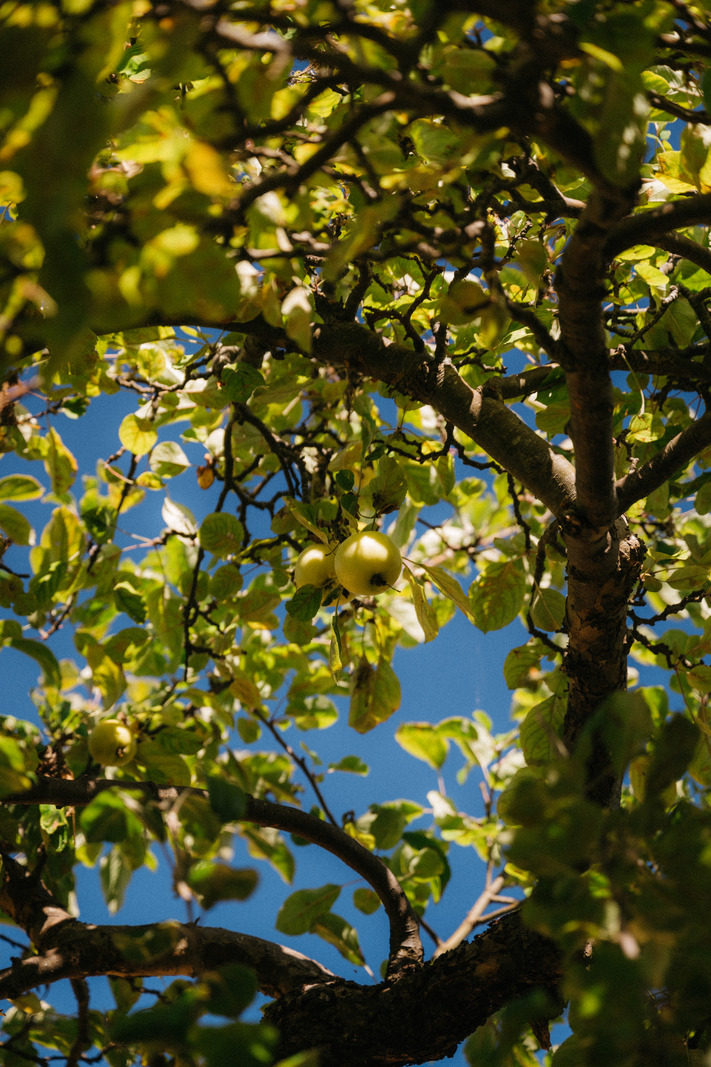
Nowadays I’m far from being self-sufficient, but I’ve always tried to make my garden as productive as possible. When I moved to the Garden of England in Kent 15 years ago, I concentrated on growing fruit. Beautiful in blossom in spring, hanging heavy with fruit in season and generous both to local wildlife and friends, who have learnt to avoid me when carrying paper bags in times of glut.
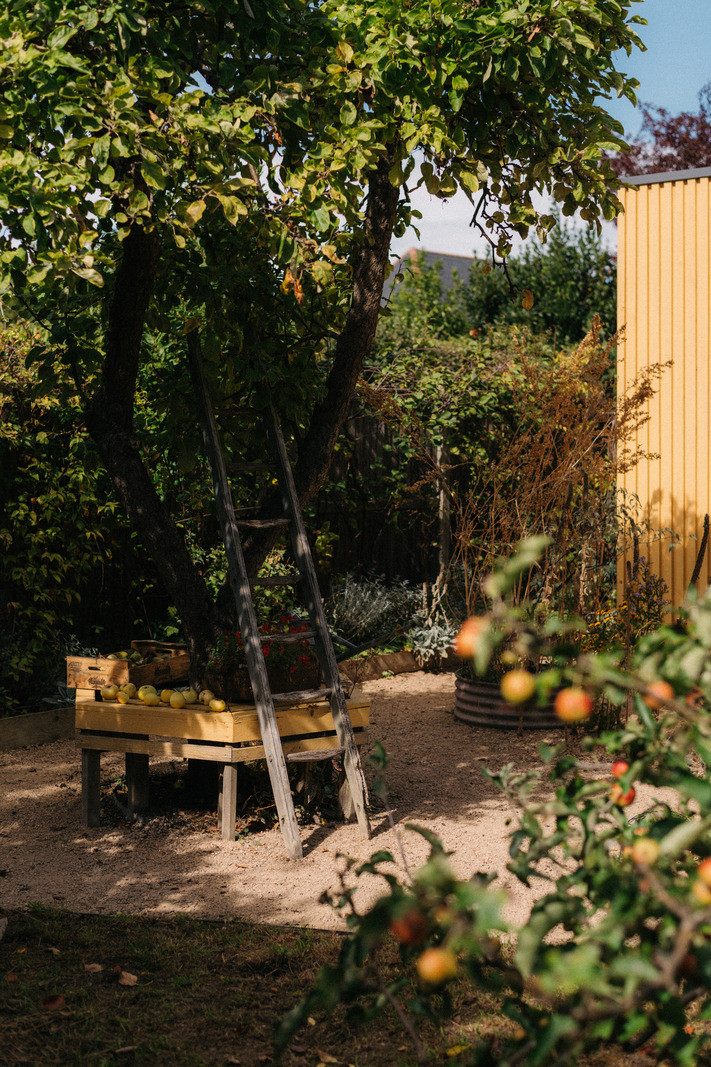
This year has been extraordinarily bountiful, which is why, in the latest episode of my podcast, How My Garden Grows, I've decided to focus on the seasonal glut. Stone fruit: cherry plums, morello cherries, greengages and damsons fill my freezer, while apples and quince are still ripening on their ladened boughs. My nut harvest has been energetically harvested by squirrels, but there are herbs and spices galore for flavour.
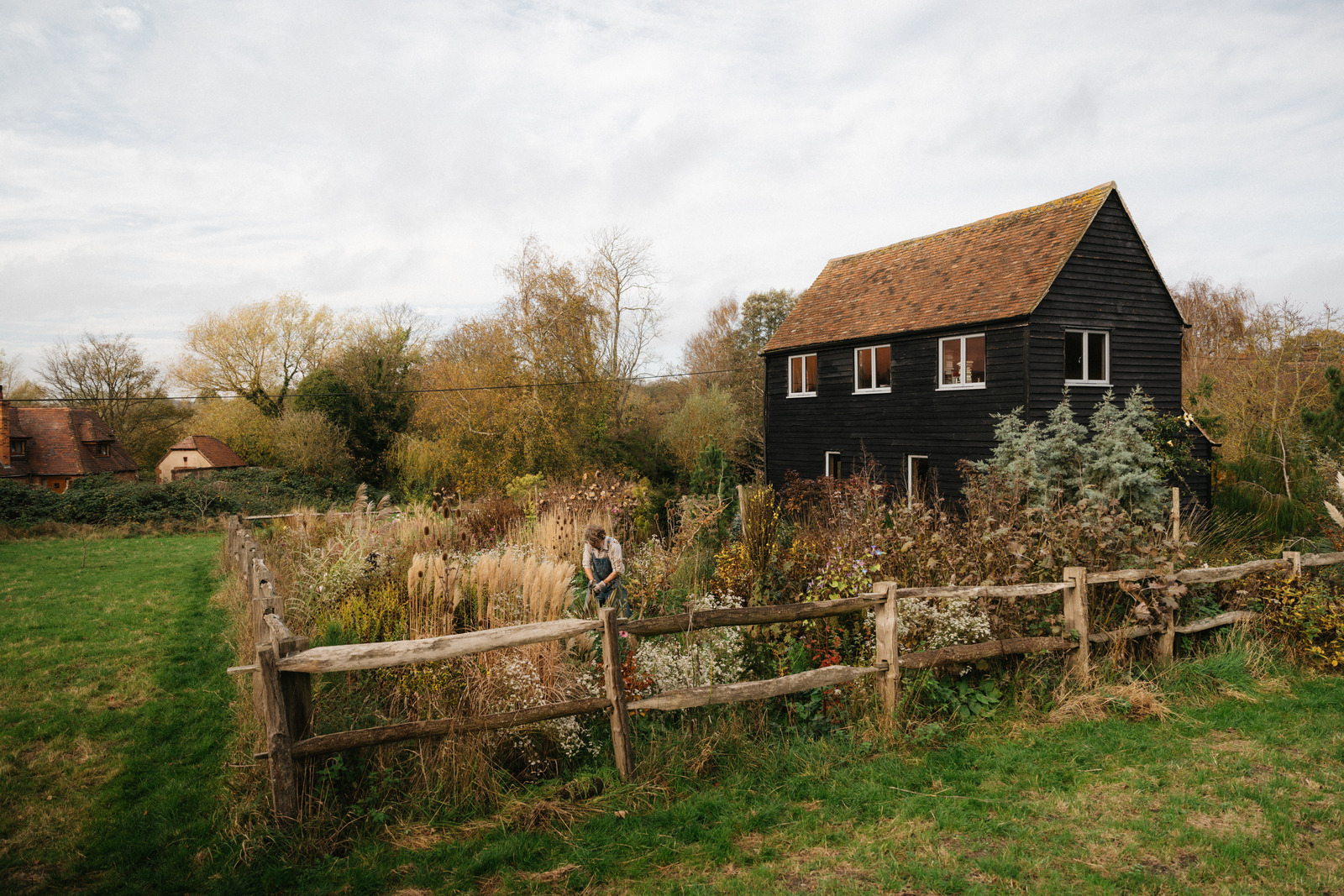
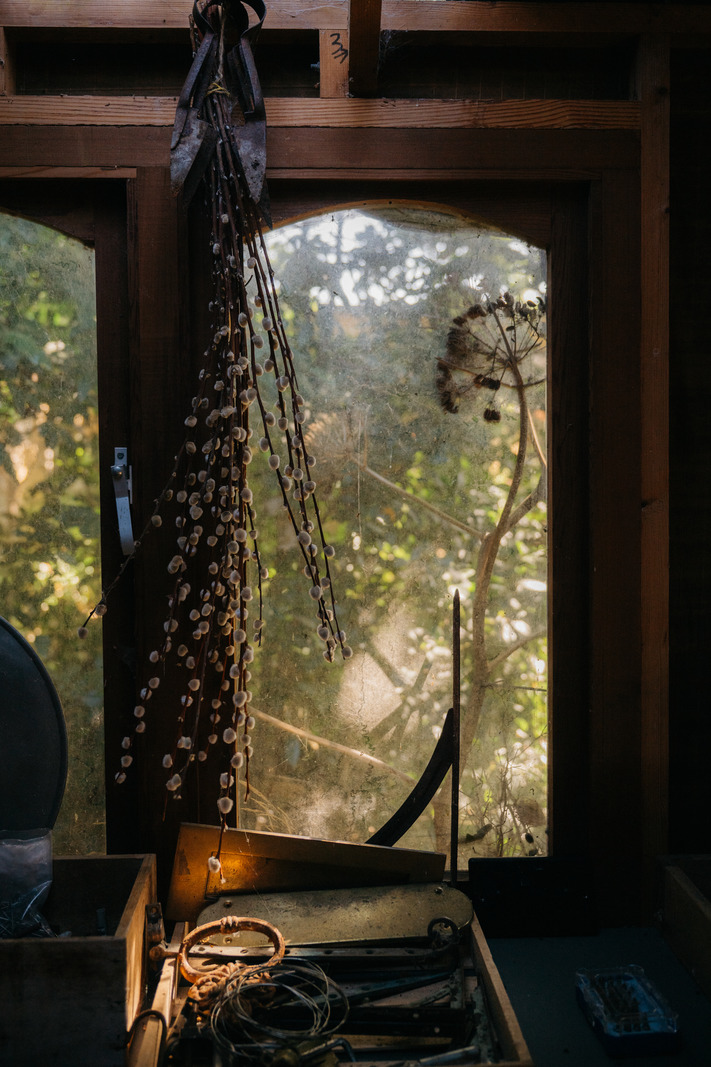
We recently built a house in the middle of the orchard, meadow and chicken run, so here I am surrounded by the fruits of my labours. Wandering through the late season grasses and Fauvist ochre, orange and mauve daisies, I collect seeds to sow, and harvest seedheads to decorate the house. Pick a time before the autumn winds blow away their beauty and hang them upside down somewhere dry. I bring bunches of flowers into the kitchen to dry in their vase, continuously adding the odd windblown stem.
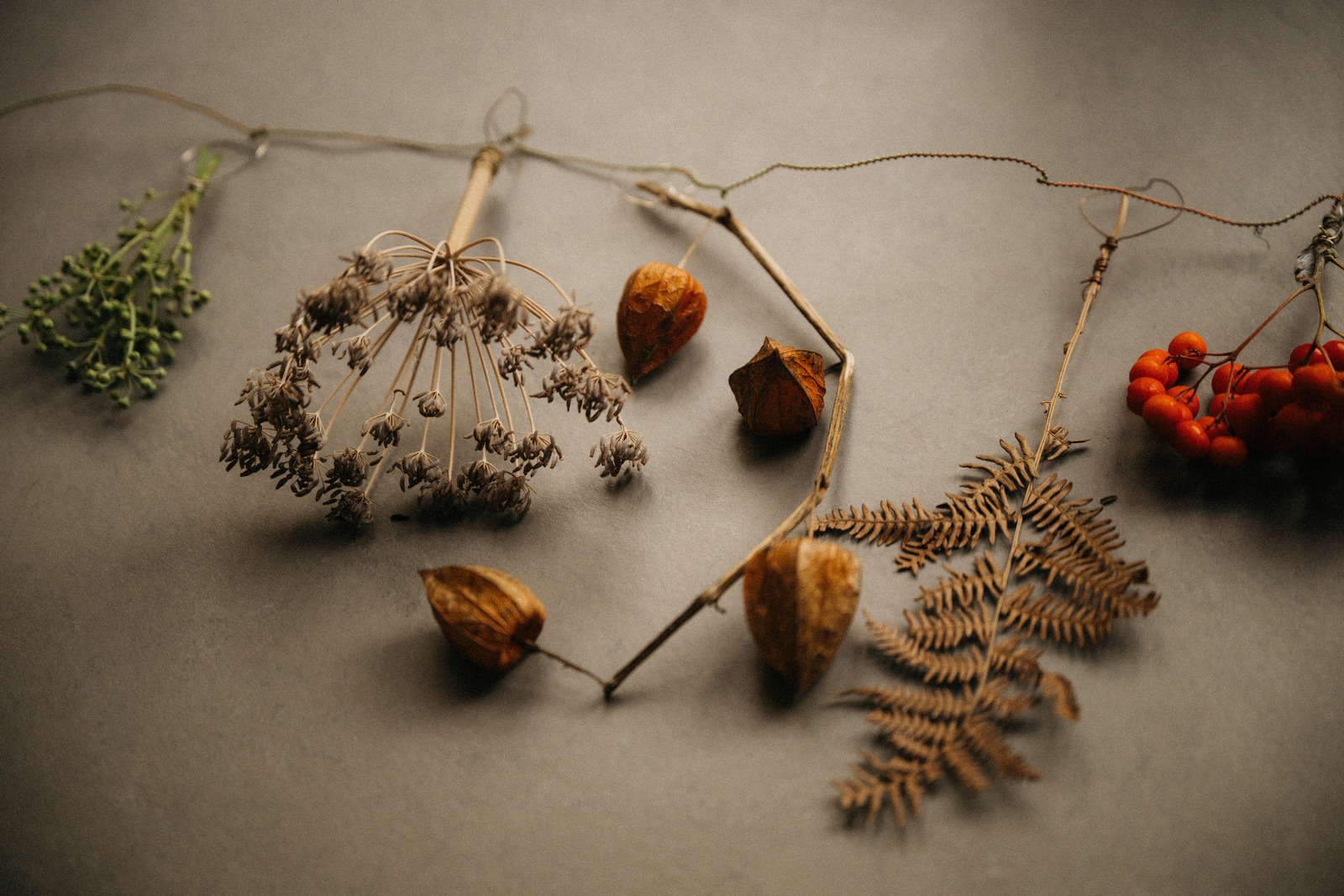
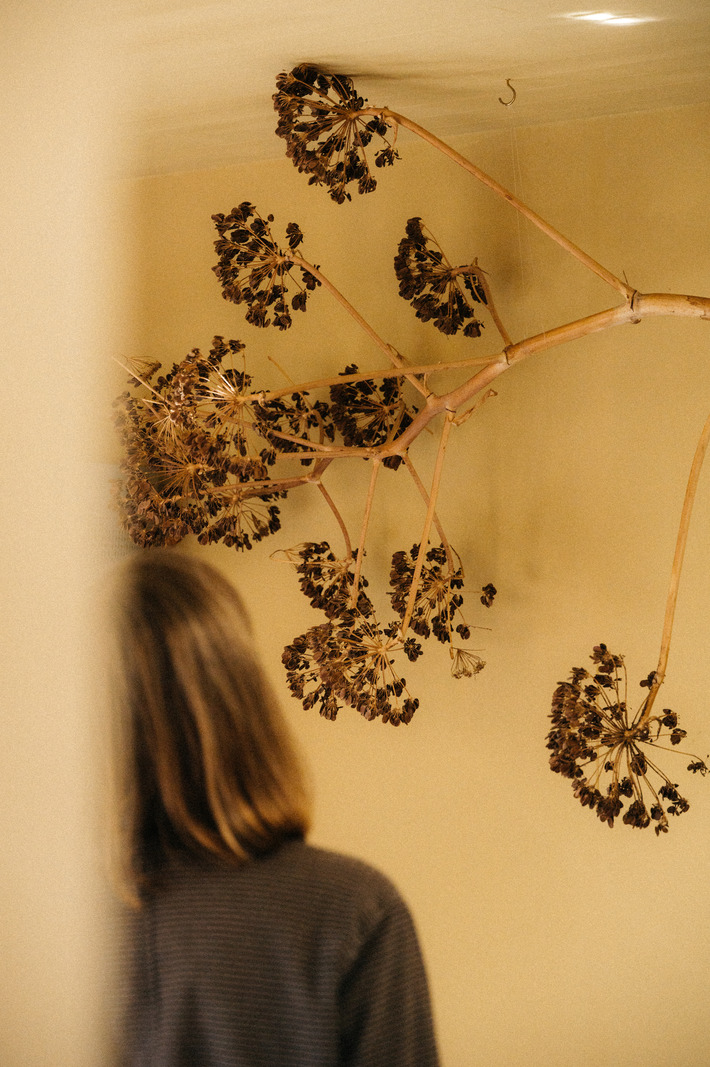
Try not to think of flowers as past their best as they move through their life cycle, either in the vase or in the flowerbed, and leave the garden untidied until spring, to offer food and shelter for wildlife and beauty in their winter guise. I suspend branches of seedheads and hips with transparent fishing line from the kitchen ceiling and garlands of small bunches of berries, seeds and pressed ferns hang from the mantlepiece or over doors.
Coming in from the garden into the kitchen, I can’t wait to welcome my friend Katy Cox from the award-winning Wasted Kitchen. Katy turns excess food into delicious dishes and she has come to share recipes of ways to make the most of garden produce. (All these dishes can be made from shop-bought ingredients, too.)
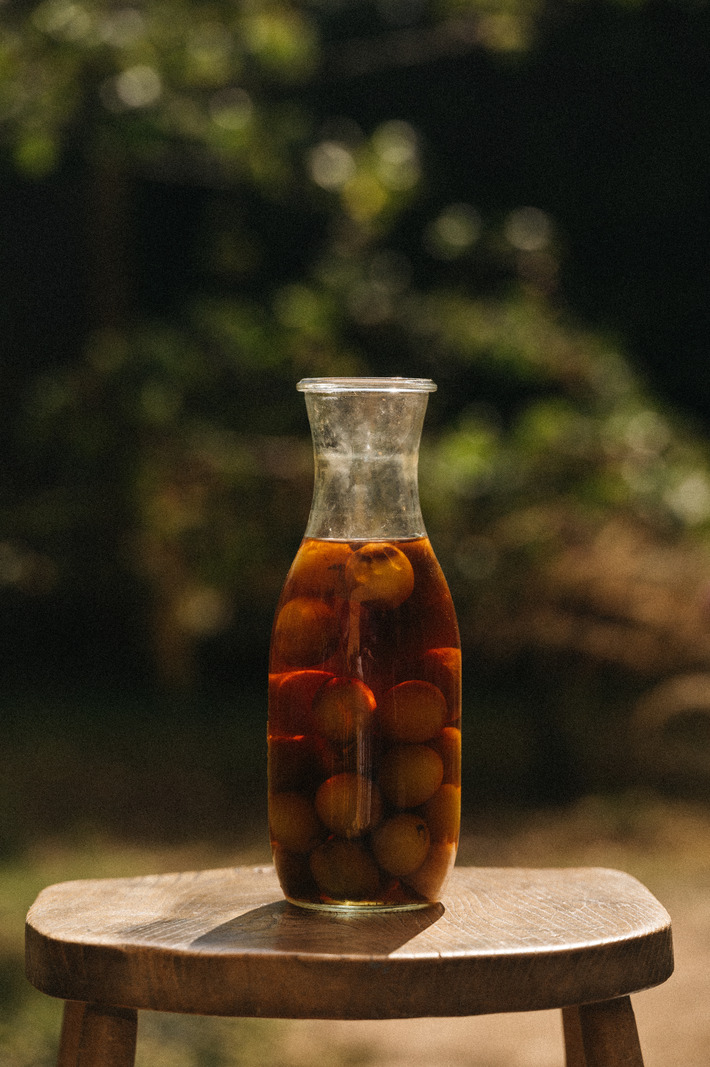
We start with a tawny greengage and a ruby damson gin. Popping each fruit (stones and all) two thirds up into a wide-mouthed bottle, we topped it up with cheap gin and screwed on lids. We can add sugar, honey or agave syrup later to taste.
Experiment with small amounts in jam jars: flavour any fruit in rum, brandy or vodka with bay leaves or rosemary, or with spices such as cinnamon sticks, star anise or nutmeg. Just shake occasionally and your tipple should be ready in a couple of months. Stock up now for Christmas. (Read on for Katy’s recipe for a Greengage Martini, below).

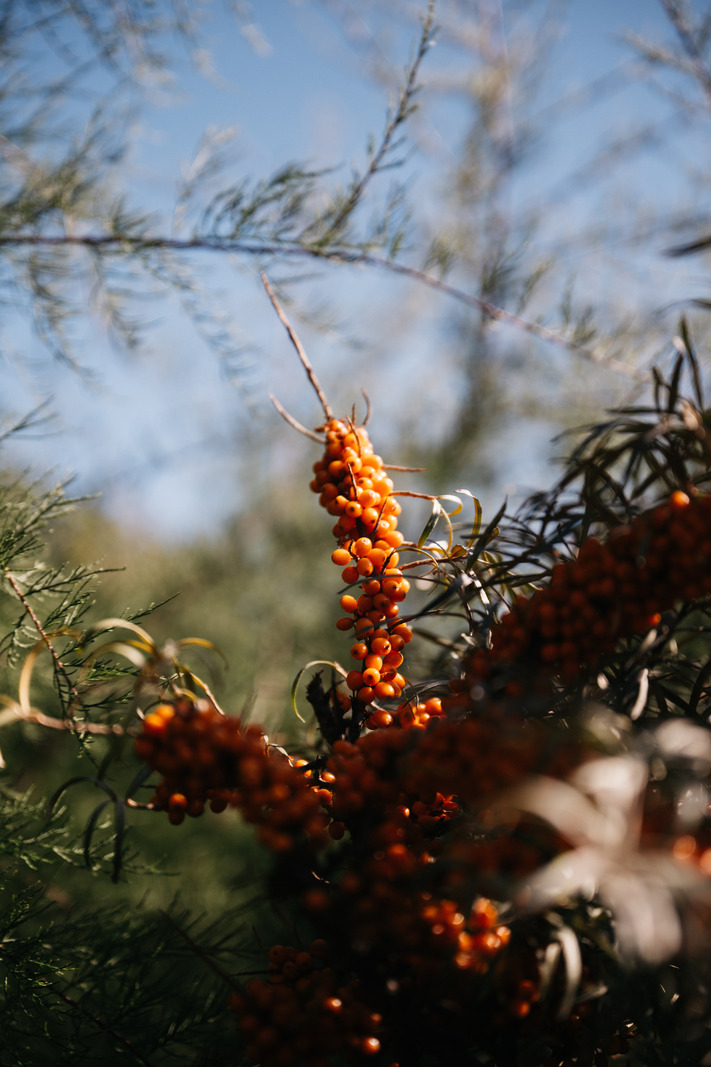
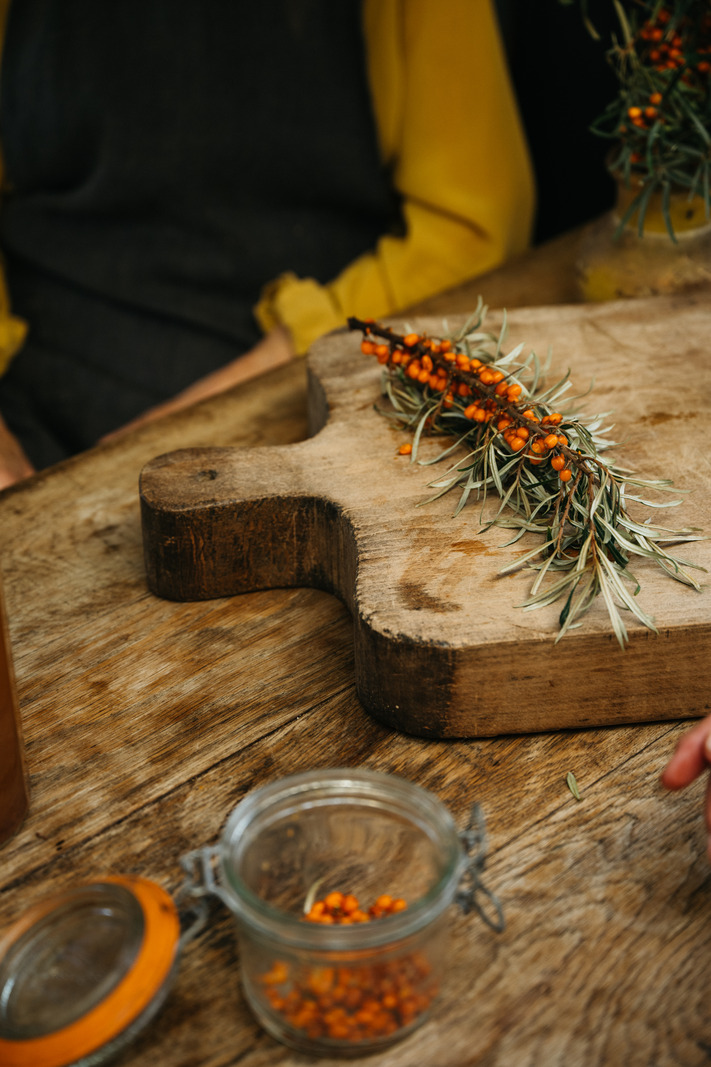
Our second venture was to make a flavoured vinegar. I grow sea buckthorn – a grey-leaved shrub with bright orange berries – as a hedge in my front garden. So, we picked handfuls of these vitamin C-packed, extra-sour beauties into a jar of apple cider vinegar to use in a month or two. Again, experiment with raspberries in white wine vinegar or garlic in balsamic or evergreen herbs in a red wine vinegar.
Did you know you can grow ginger at home? I have a big pot on my terrace. A few years ago I took a root from the supermarket and planted it in a large pot of compost. It dies down in autumn and must be rescued inside before the frosts. Label and wait till new shoots arrive in early summer. Harvest new roots the following October. See below for how to make a versatile ginger and lemon paste.
I even grow nuts! My young walnut is yet to fruit, but my collection of six Kentish cobnuts flourishes and produces nuts almost entirely for the benefit of the scurry of squirrels that live in the oak tree. You can also grow chestnuts, hazelnuts and even almonds in the south of the country. We made a dukkah, which is a nut and herb spicy topping. Again, read on for the recipe.
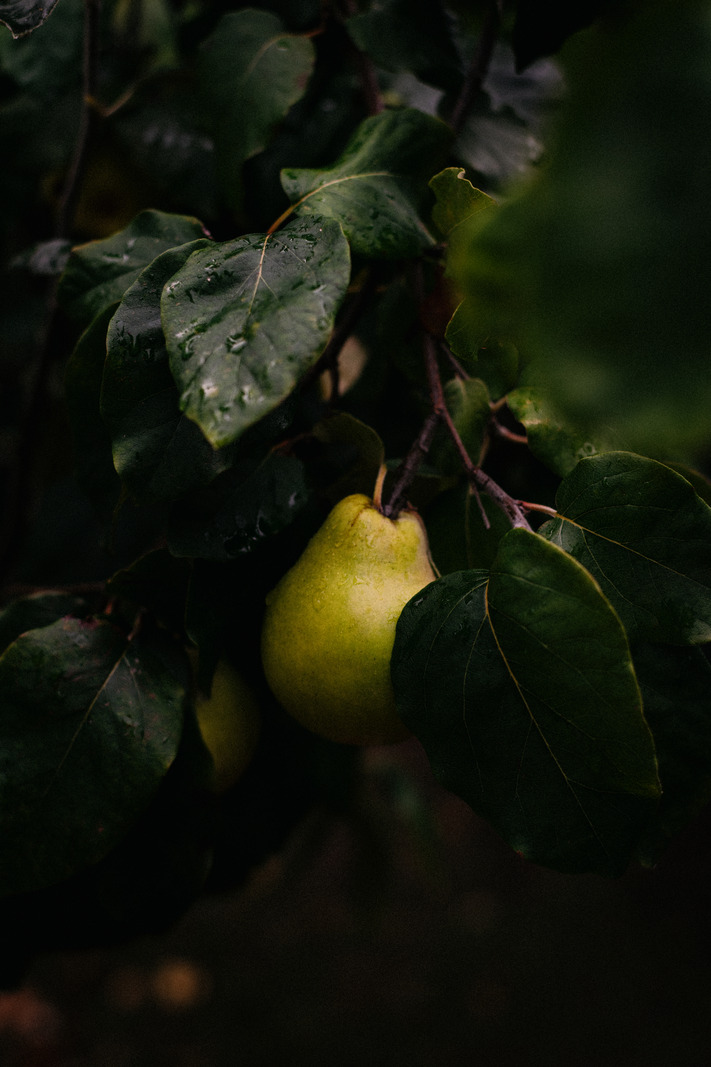
Our final homegrown recipe is for quinces. Quince trees are a perfect small garden tree with grey felted leaves, art deco buds, pink open flowers and gorgeous aromatic fruits to bake in the oven till soft, then chop to use in brandy, or as quince jelly or as an addition to any apple tart, pie or crumble. A bowl of quinces in the kitchen makes a delicious reminder that autumn is coming, to light a fire and enjoy the garden from the warmth of your home.
Garden snippings
Rewarding trees and shrubs
Greengage ‘Oullins Gage’ produces a delicious large yellow gage. A vigorous tree unless grown on dwarfing stock, available from keepers-nursery.co.uk
Damson ‘Merryweather’ with large blue-black fruits growing abundant organic fruit from walcotnursery.co.uk
Quince ‘Champion’ (Cydonia oblonga) is a productive semi-dwarf tree with medium-sized aromatic fruits from rootsplants.co.uk
Cherry Prunus cerasus ‘Morello’ will grow on a north wall with pretty pink blossoms and acidic red cherries for jams, cordials and gins from fruit-trees.com
Japanese Wineberries (Rhubus phoenicolasius) is an attractive red hairy-stemmed climber with sweet red berries harvested in August from otterfarm.co.uk
Gooseberry ‘Hinnonmaki Red’ from Finland. Easy to grow and harvest in July. Thin the early fruits to cook and save the later bigger fruit to eat later straight from the bush from organiccatalogue.com
Plants to grow for autumn interest
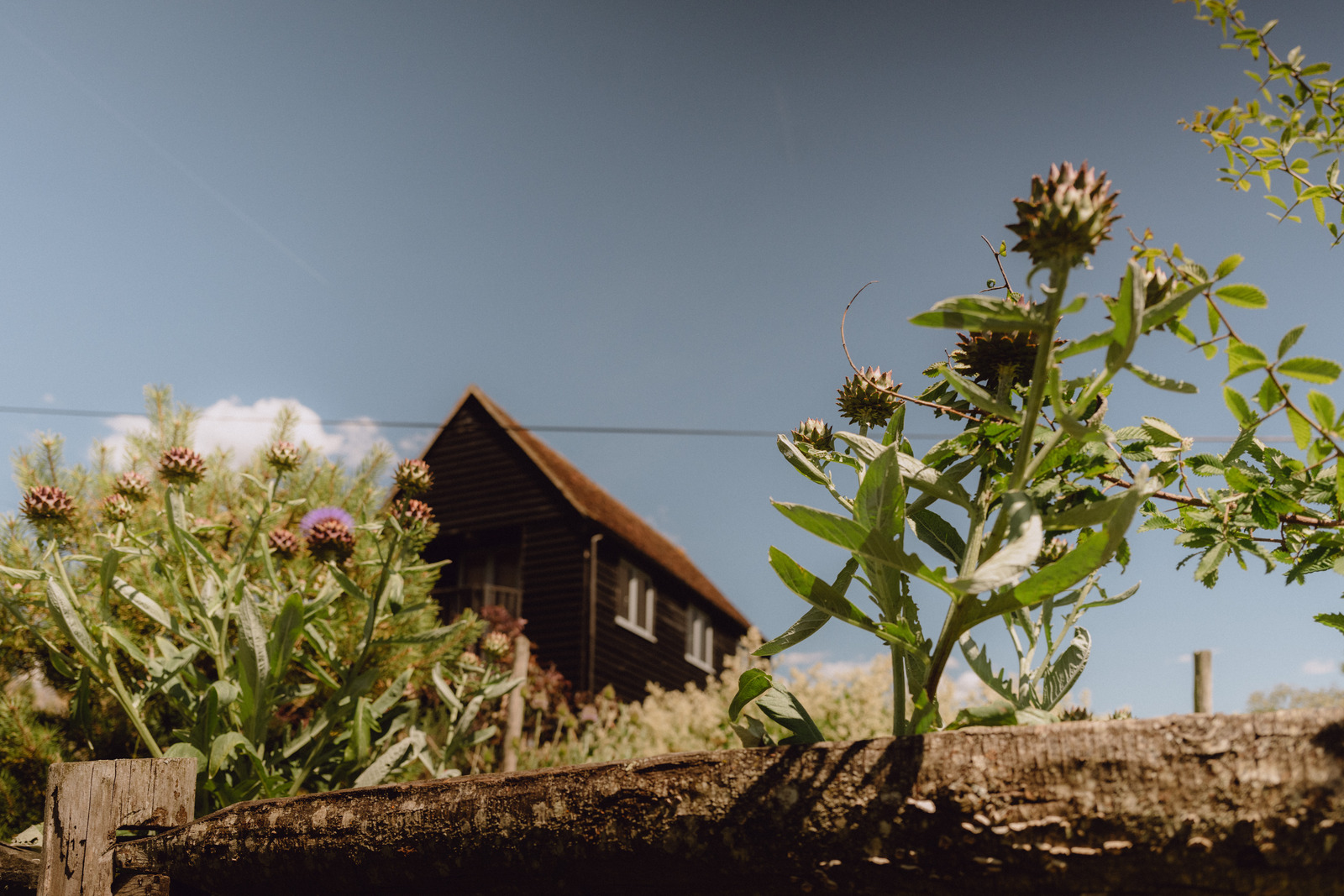
From small trees such as Crab apples with tiny brilliantly coloured fruits that are great for jellies and wildlife, to delicate Cyclamen that will grow in dry shade and later produce prettily veined foliage, autumn doesn’t have to be a dreary time of the year. With striking scarlet climbing vines (Vitis vinifera); elderberries for wildlife; grasses such as red-leaved Imperata cylindrica, fountain grass and Miscanthus standing tall throughout winter; and stand-out architectural plants such Giant Fennel (Ferula communis) and cardoon seedheads, all will pack your garden with interest for the rest of the season.

Roast hazelnut (or cobnut) dukkah
In a heavy pan, dry fry a handful of shelled hazelnuts (or cobnuts) with a tablespoon each of cumin and fennel seeds. Pound together in a mortar and pestle. Add a sprig of thyme, a pinch of sea salt and black pepper and serve with a little good olive oil as a topping for roast fish or meat or to add texture to soup and salads.
Ginger and lemon paste
Peel half an unwaxed lemon without its pith and add the flesh without its pips. Wash and peel a piece of ginger root, and blend together to make a paste. Place in a screw top jar and use as a base for soups and stews or to flavour a health-giving hot drink. Keeps in the fridge for up to two weeks.
Katy’s greengage Martini
60ml unsweetened greengage gin
A splash of Vermouth (Noilly Pratt is good)
Ice
Put lots of ice into a glass, pour in the gin and vermouth and stir for 30 seconds until chilled. Strain into a martini glass. Salute!
Francine’s book on productive gardening, The Garden Farmer, is published by Penguin Square Peg