'Buildings should contribute to your life' – at home with photographer Tif Hunter
July 17th, 2025
This article is more than a year old and may contain information that is out of date. Sorry about that.
Words Lily Le Brun
Photography Tif Hunter
Film Finn Beales and Guy Stephens
Portrait photography Finn Beales
“I just couldn’t not visit them,” says the photographer Tif Hunter, remembering the first time he saw pictures of the romantic ruined barns at the foot of the Black Mountains that he now calls home. Moving out of London, where he had lived and worked as a photographer for the past 30 years, had not been on the agenda. But when he and his partner (now wife) Leanne went to see the barns on a drizzly February afternoon in 2017, it was a coup de foudre. “We absolutely fell in love; tears were shed. It was a case of the barns finding us.”
Tif chose Rural Office to oversee the renovation of the buildings, parts of which date back to 1620. He bonded quickly with Niall Maxwell, the principal architect. “Niall asked lovely questions that put me at ease, such as how do you live? How do you want to live?”
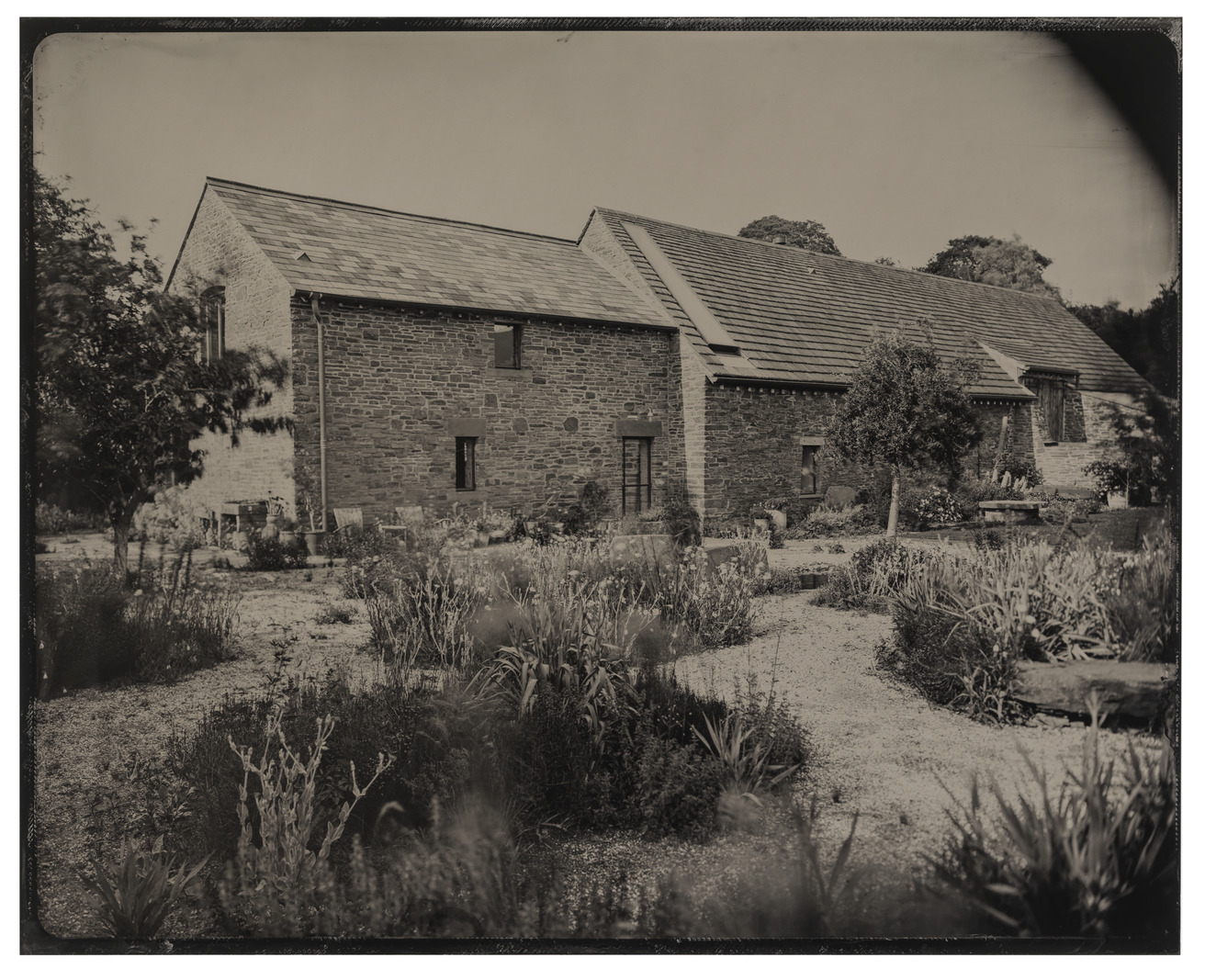
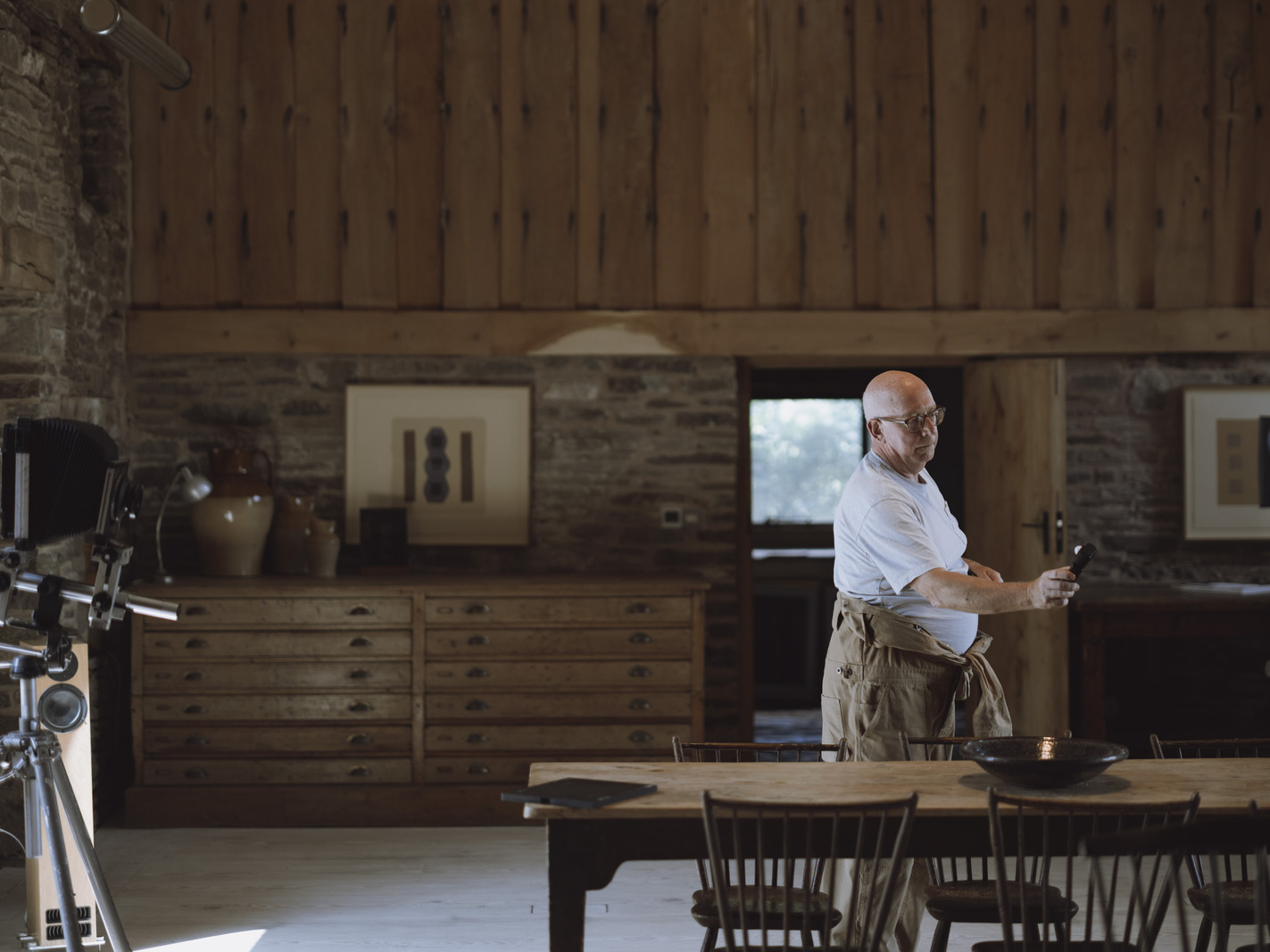
As well as being a home for Tif and Leanne, the barns needed to be a creative place where Tif could continue his photography practice. They also needed to be able to expand and contract with visits from family and friends. Tif’s priority for the design was to maintain the feeling of volume and sense of history that initially attracted him to it, embracing as much of the original layout and materials as possible. “Timeless,” is how he describes his aesthetic. “I love form and function. If something was built for a reason, I want to love it and to adapt it to our life.”
Converting the derelict barns into liveable spaces was not without its challenges. About a month after buying them, Tif got a phone call from his new neighbour telling him that the roof had fallen in; one of the ancient trusses in the oldest barn had collapsed. Nature moved in fast. By the time they had managed to secure it and protect it from the weather, grass and plants were flourishing within. But as Tif says, “It's had a life. All its bumps and bruises are a thing of beauty to me.”
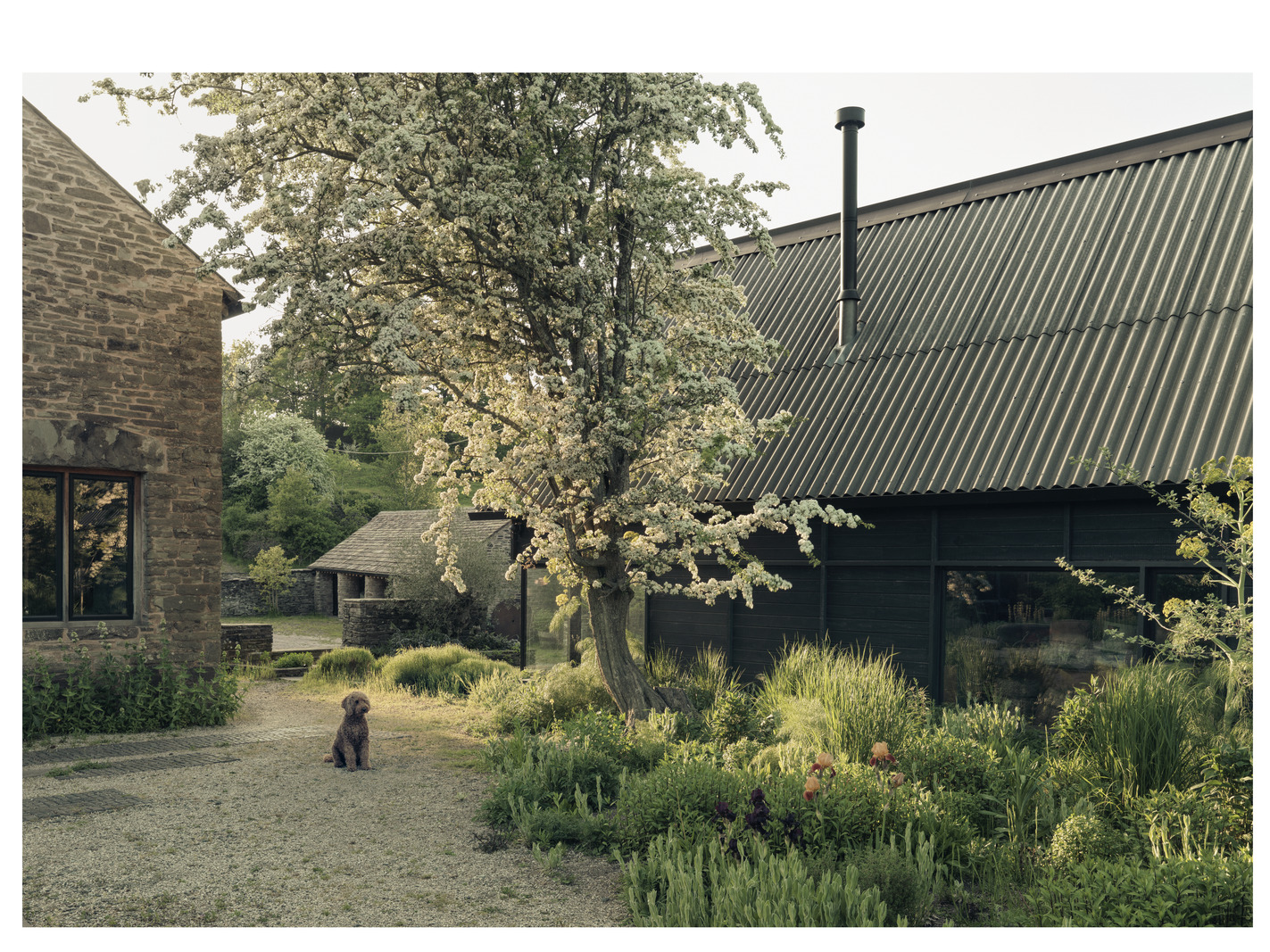
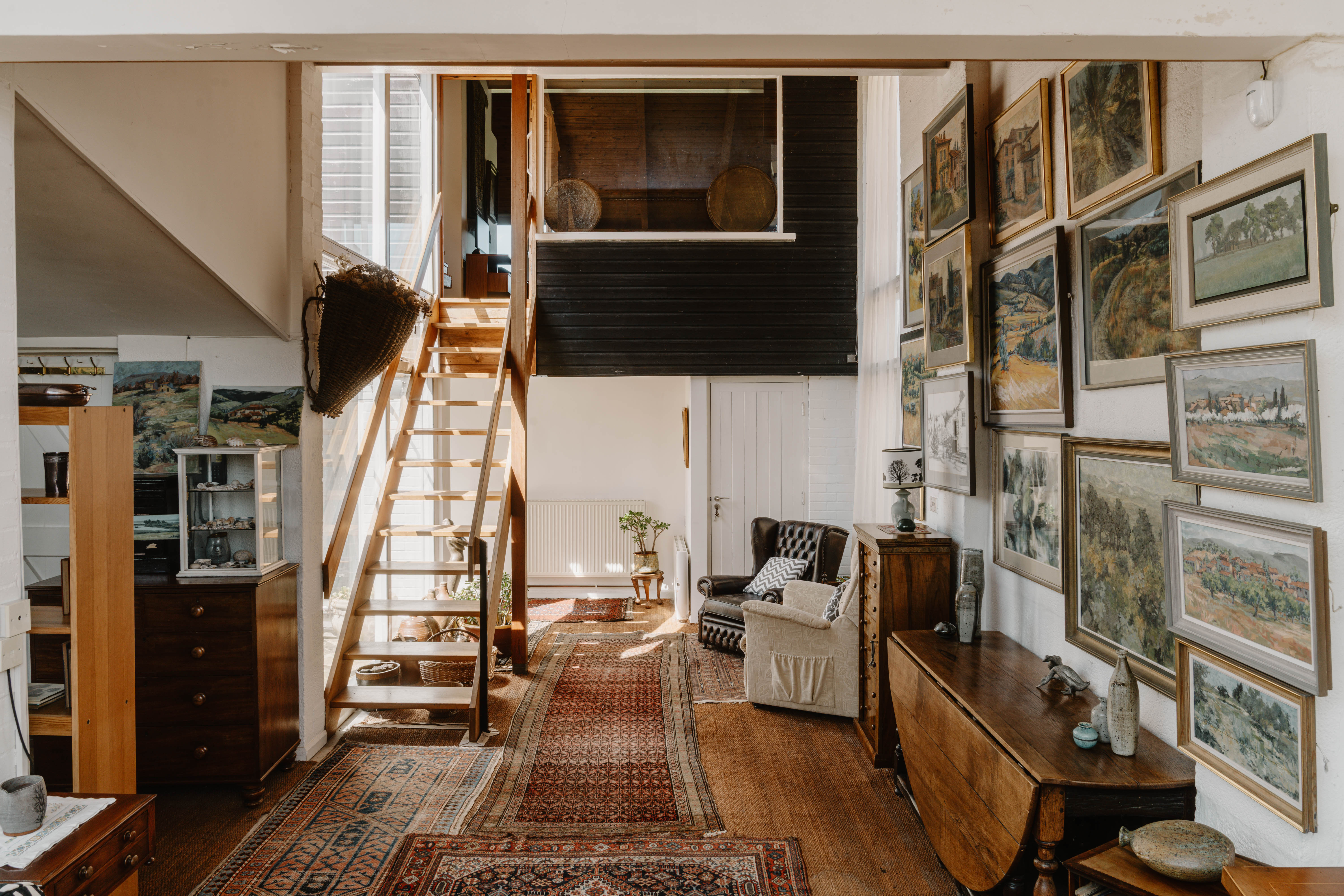
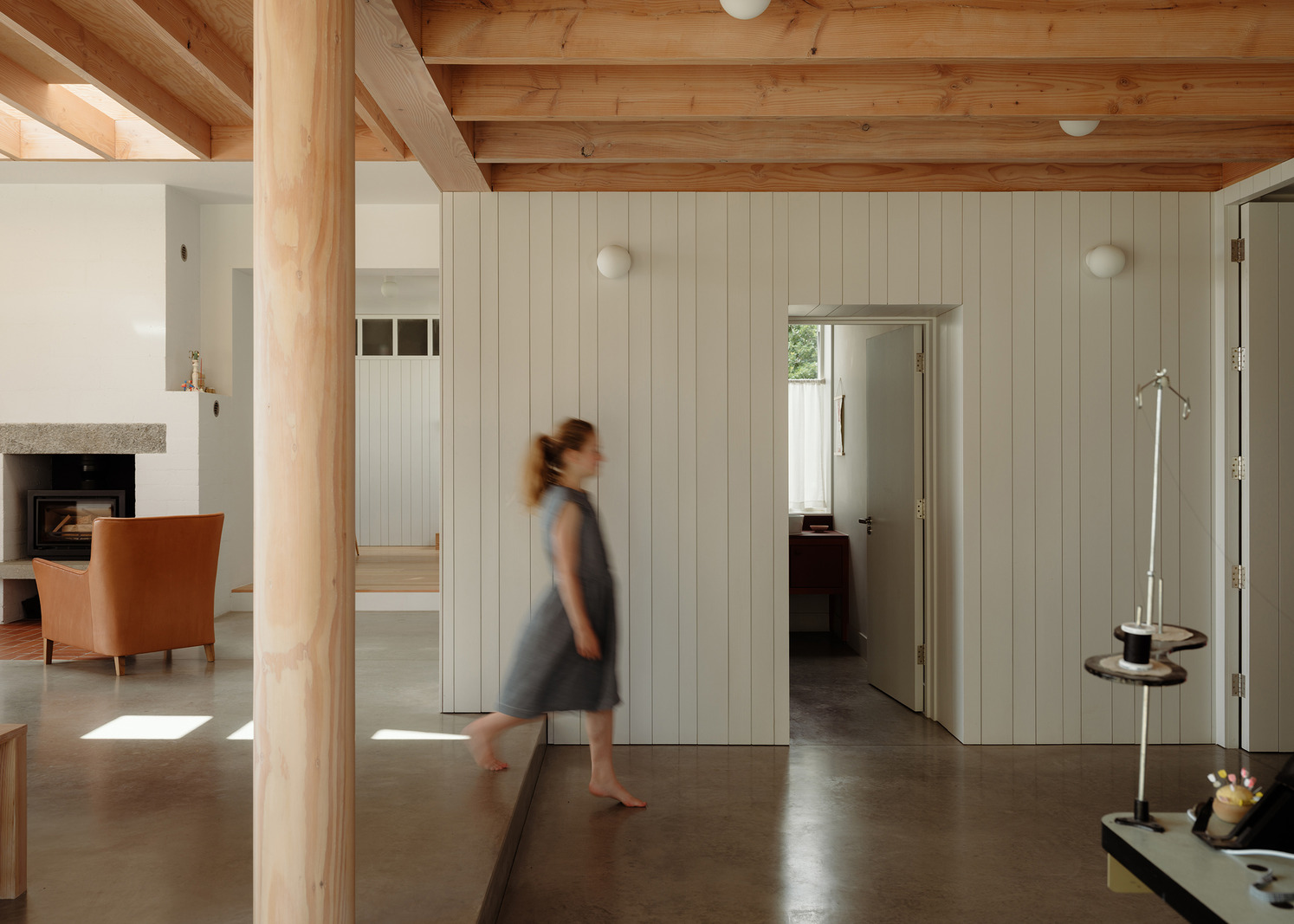
When it came to configuring the spaces, they were tempted to situate the kitchen and main living space in the spacious 17th-century threshing barn, with its characterful stone walls and ancient oak beams. “But Niall pointed out very quickly that day-to-day, heating it and maintaining it might not be the way to go. He deftly steered us to the youngest barn at the other end, which was already configured with an upstairs and a downstairs when it was built in the Victorian era. The masterstroke was raising the height of the original trusses on the upper level so that the beams no longer came to tummy height.”
“The idea was to make spaces that could be cosy or could be expansive and open. On a summer's day, the doors and windows are wide open and there is lots of light, and then, in the winter, the big spaces do need a fire on a cold day, but even then, it's by no means gloomy.” The result is a sequence of rooms that have a satisfying variety of volumes – ranging from the kitchen, which has lower ceilings and is cocooned by the original wooden stable divisions, to the living room, which is open to the rafters and looks over the farmyard through huge barn doors. This is where Tif likes to listen to music: “The acoustics in this space are amazing.”
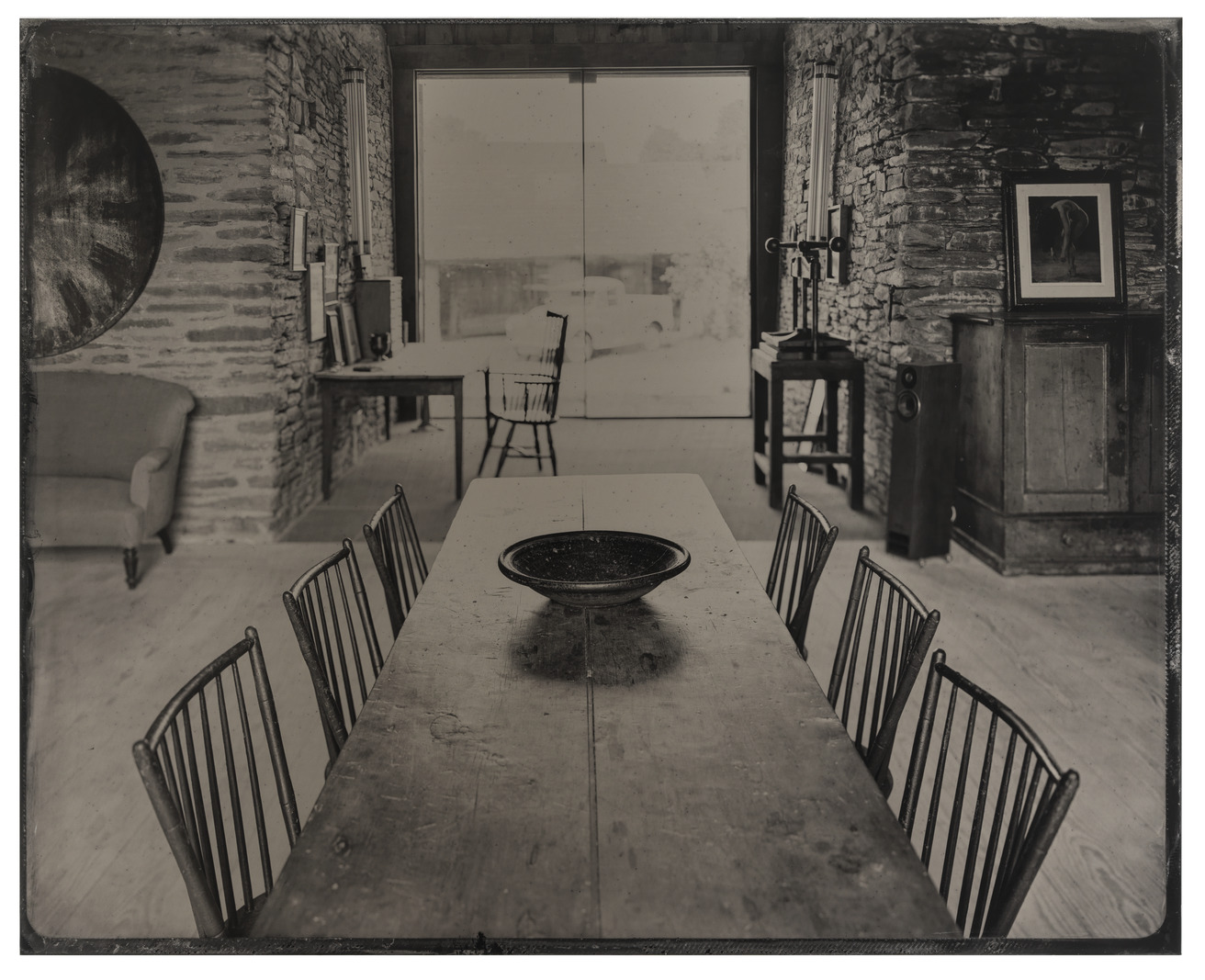
In London, Tif had lived in a former saddlery in Bermondsey, therefore much of the furniture he already had suited the large scale of the barns. It is evident that his eye is drawn towards objects with a history, which is reflected not only in his attraction to the buildings themselves, but in his own work as a photographer. “Where we live - and everything that I'm interested in- is about looking at things and loving their imperfections.”
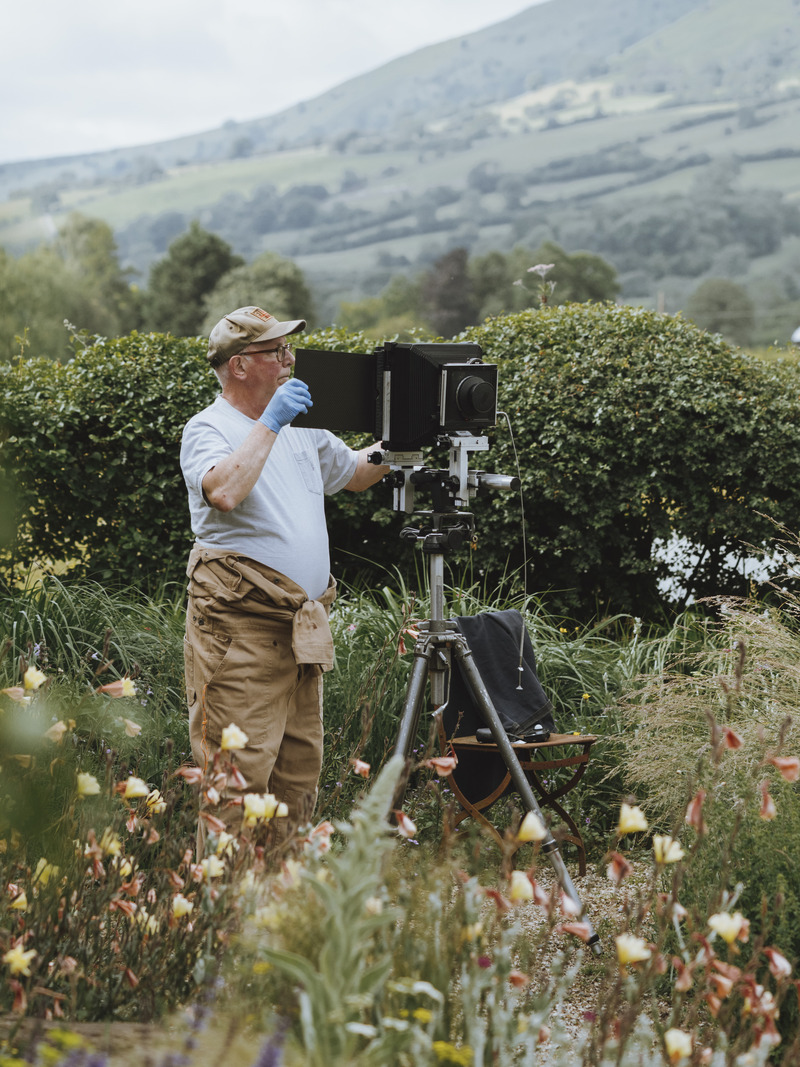
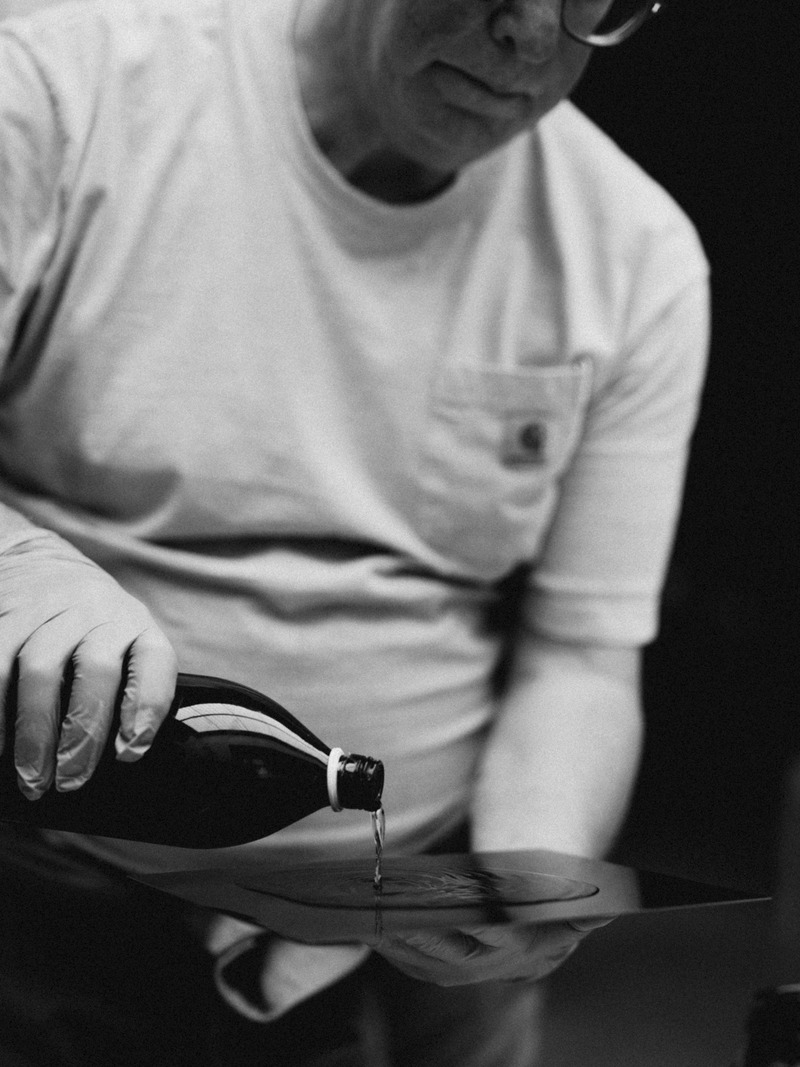
For many years Tif worked purely as a commercial photographer. “My work was about perfection –photographing a BMW car for a billboard, for example, was about making it look as perfect as possible. But my actual belief is imperfection is the most beautiful - it’s the truth.” This philosophy eventually drew him towards tintype photography, a decidedly analogue form of photography that was at its most popular in the late 19th century. After travelling to New York 20 years ago to learn the process from one of the few masters of the medium, Tif became “completely hooked.” Shooting mainly still lifes and portraits, he loves the “tactility of the object, the fact what I end up with is a thing,” as well as “the way the quality of the tonality of the image makes it sculptural rather than just flat.”
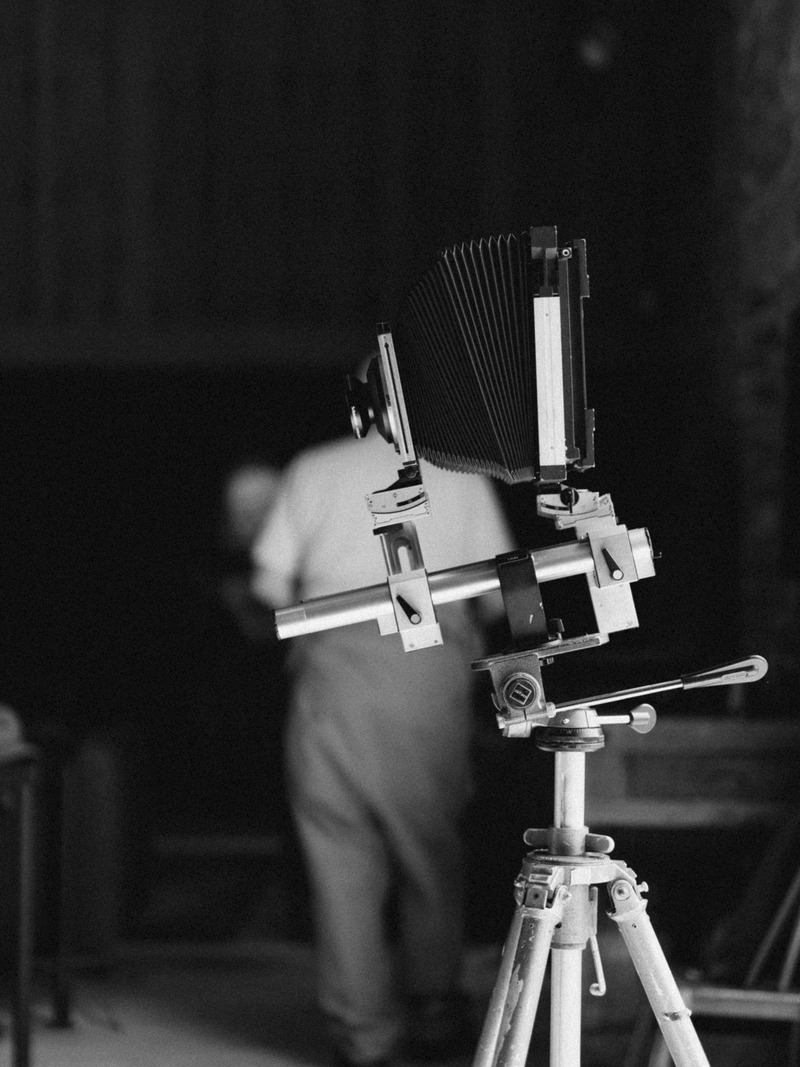
Looking back, he can see that it was no coincidence that his passion for tintype photography arose at the same time digital photography began to change his working landscape. “What had excited me to enter the world of photography in the very first place was a magical experience in a dark room as a young teenager. Digital photography is a very effective and wonderful way of making a record, but it's not an emotional thing. And this is an emotional thing.”
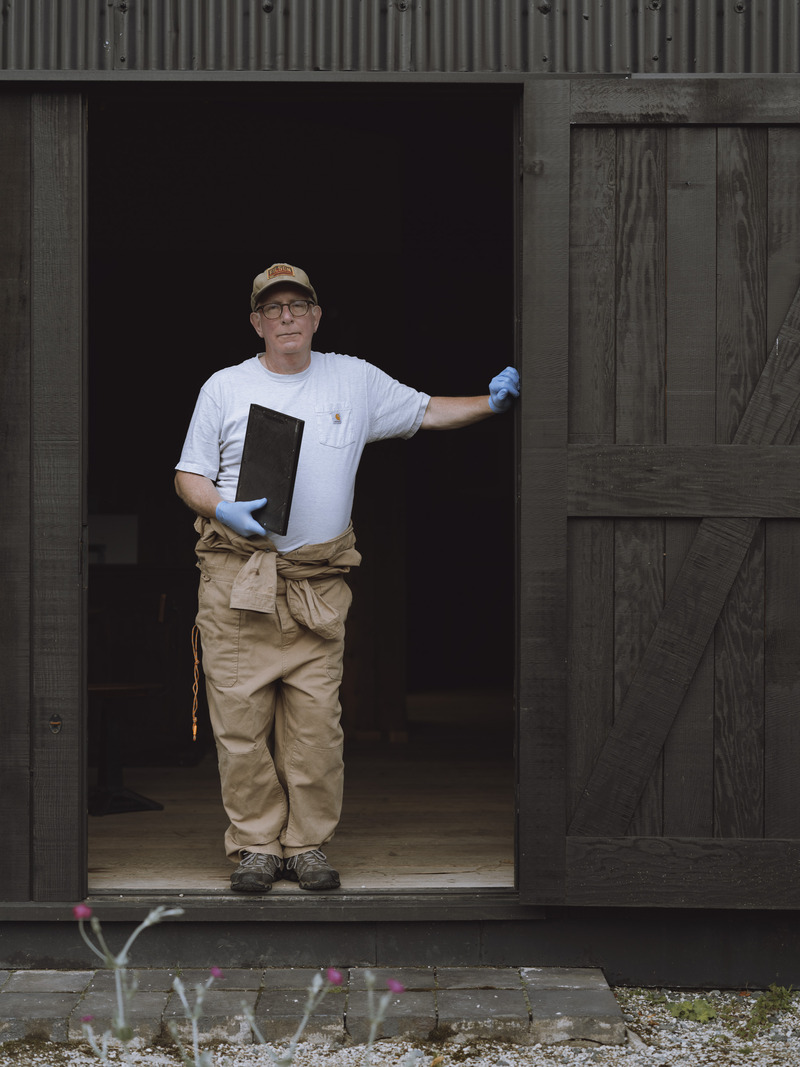
The barns have allowed Tif to deepen and develop his own photography practice as well as share his passion with others. As Black Barn Arts, he runs tintype workshops from the large Dutch barn that also houses his studio and dark room. In his own work, objects and plants from the immediate surroundings are entering his still lifes – in 2021 he had an exhibition at Messums of photographs of things he had gathered purely from the hedgerows and found in the barns. He has also started to shoot the landscape around him, taking with him a Canadian ice fishing tent that he uses as a mobile dark room.
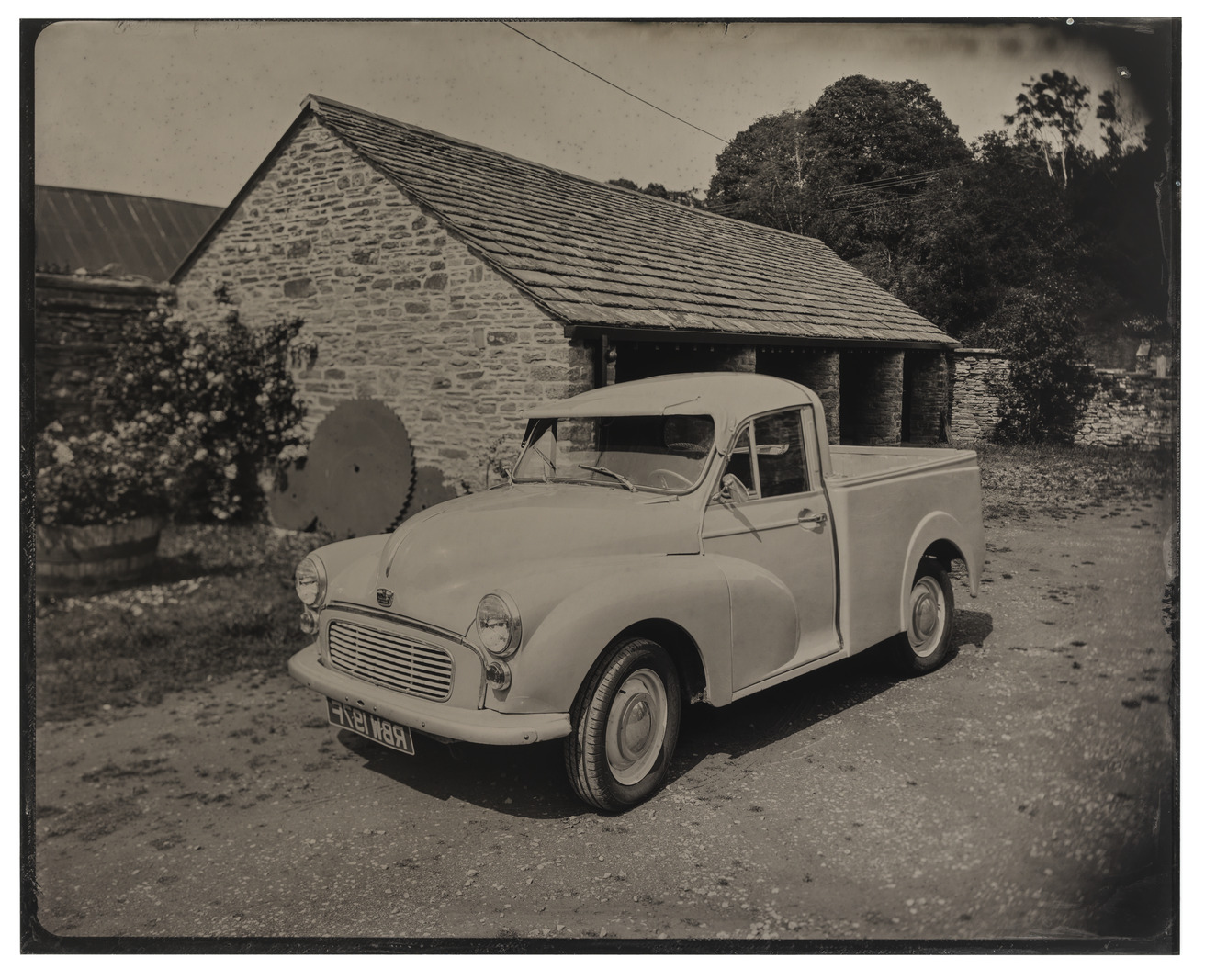
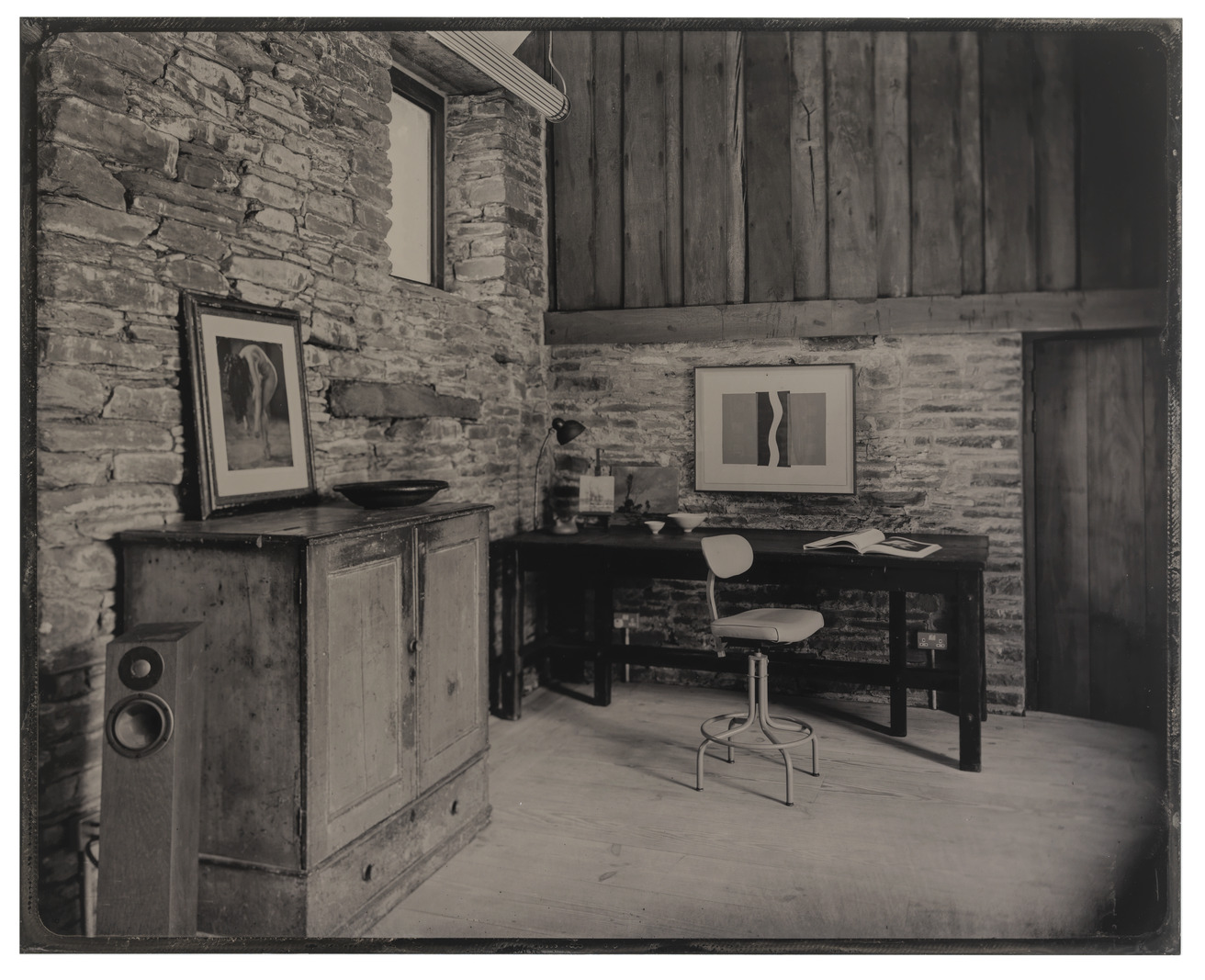
“A pixel is a repeatable piece of information,” he points out, “whereas on a tintype plate individual molecules of silver nitrate are expressing themselves with my help. There are elements that I can’t control. I love that fact that something might arrive that will surprise and amaze you. It’s like the building – the best part has been that it is a collaboration.”
Tif has an open studio during Herefordshire Art Week (6th-14th September), including bookable portrait sessions on 12th-13th September.