‘Away from the world’: Our co-founder, Albert Hill, remembers Peter Aldington
May 7th, 2026
Words Albert Hill
Photography Rich Stapleton
The great architect and gardener Peter Aldington has recently died at the age of 93. He will be hugely missed although his incredible houses, many of which are listed, will live on.
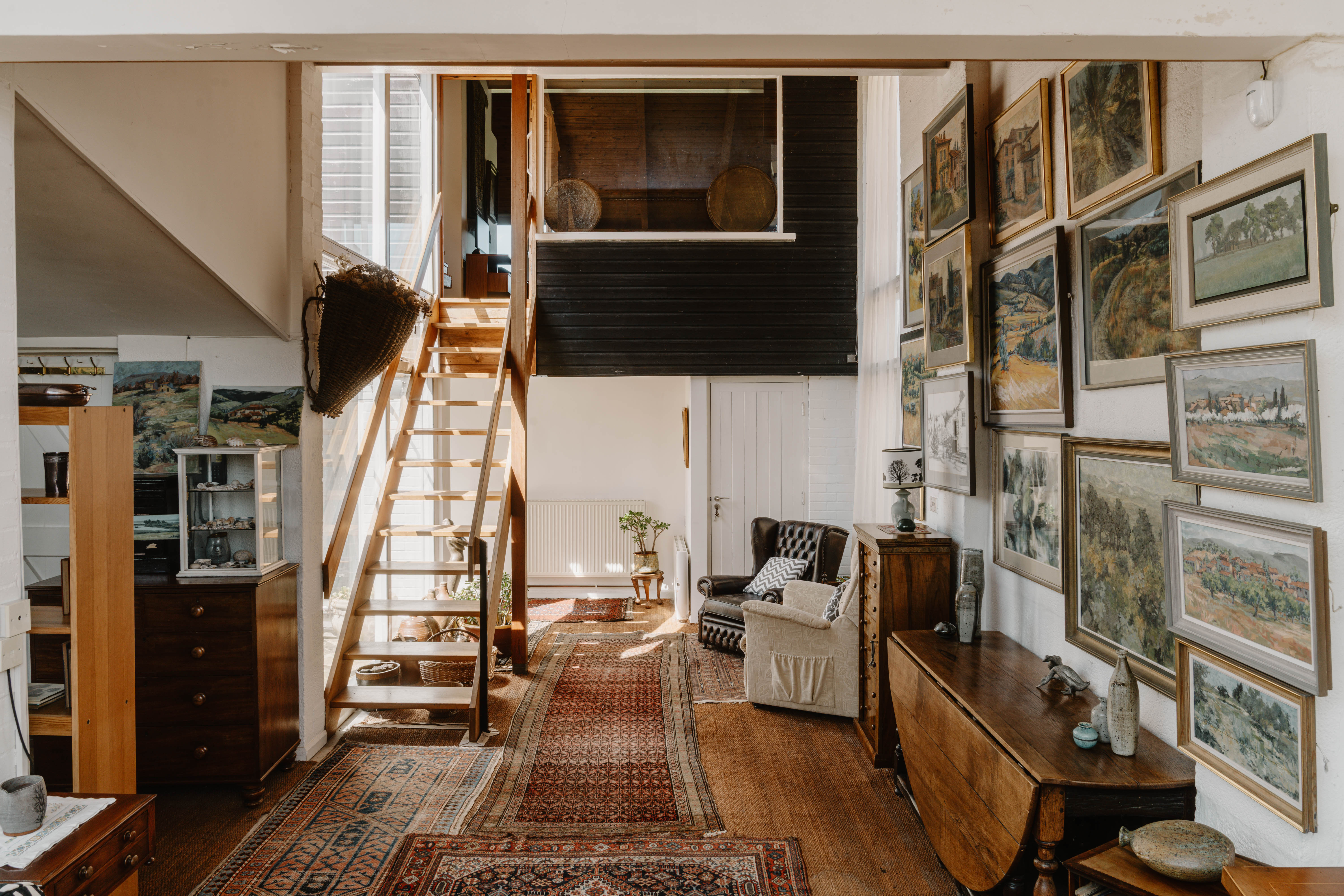
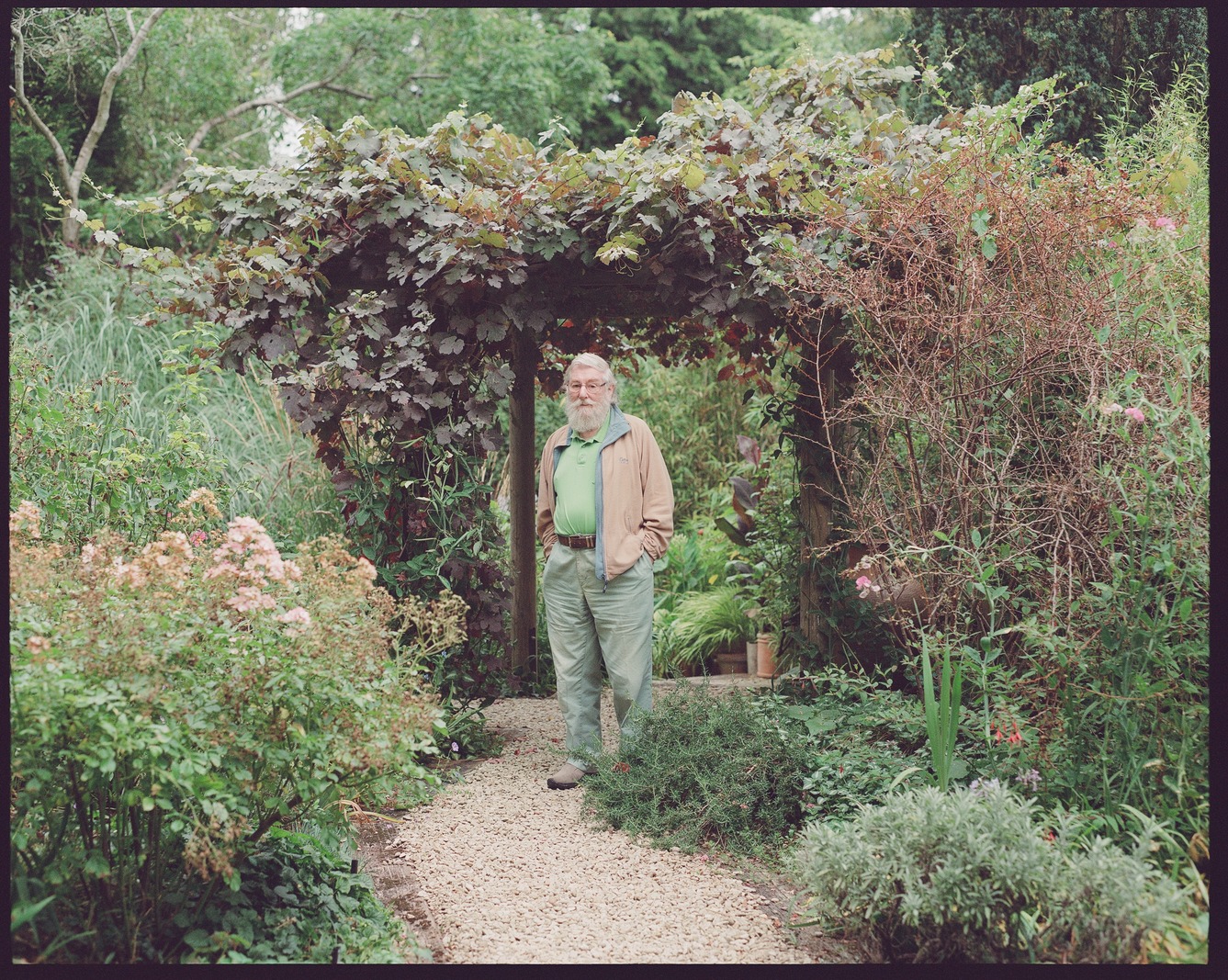
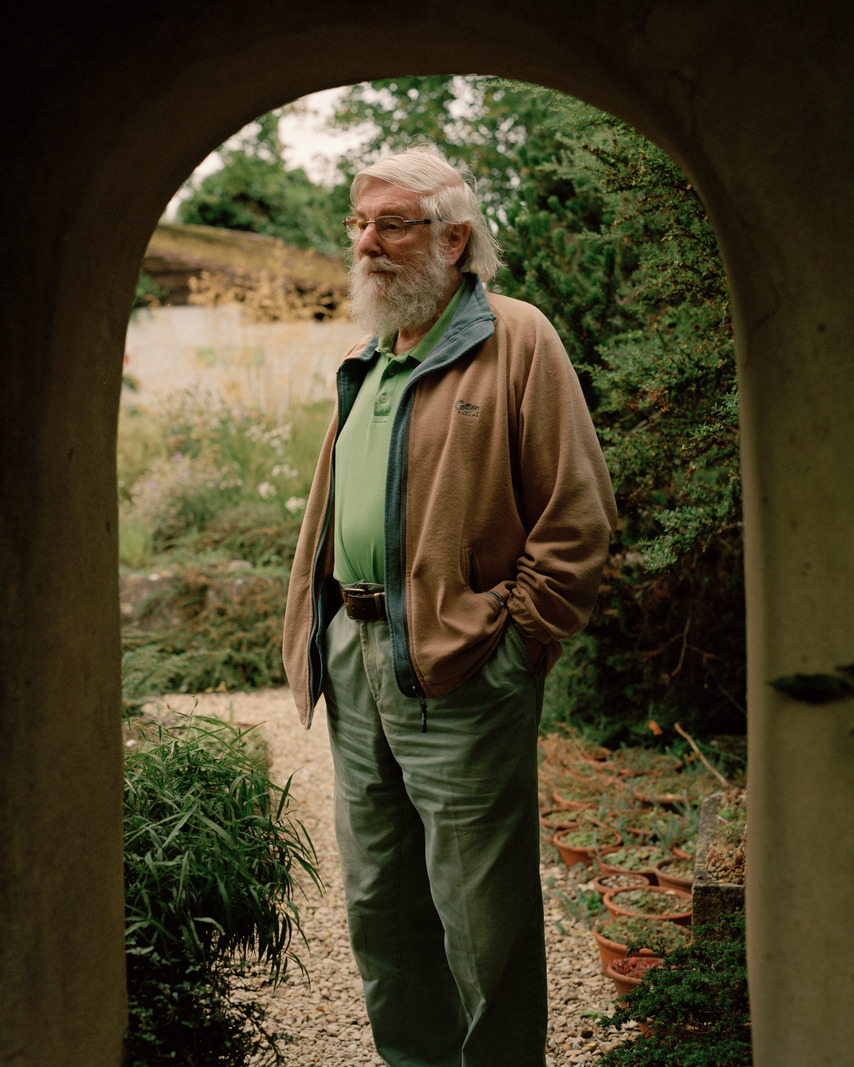
I was a regular and enthusiastic visitor to Turn End – the house and garden that Peter called his “haven away from the world, and yet clearly grown out of it” – and on occasion brought along the entire TMH team. Peter, invariably wearing green cords and a colourful fleece, was always a wonderful host. The tea and biscuits were always appreciated, but even better was getting to experience, with Peter and his wife Margaret, one of the quiet masterpieces of 20th century.
“This is design that shows an understanding of everyday life rather than the architecture of grand gestures”, as I wrote in reverence following a recent visit. Or, as Peter himself more eloquently put it, “Materials and people; understand them – and then build”.
Peter portrayed himself as a practical man. He was proud of the fact that he helped build many of the houses he designed and he liked to deliver pithy, no-nonsense explanations of his work in his characteristic Lancashire brogue. Yet his homes were full of poetry – from windows for cats to lush internal gardens.
His body of work might be small – largely houses in the Buckinghamshire area where he lived and worked – but Peter Aldington’s contribution to British architecture was huge.
[The following article was originally published in issue 4 of The Modern House Magazine.]
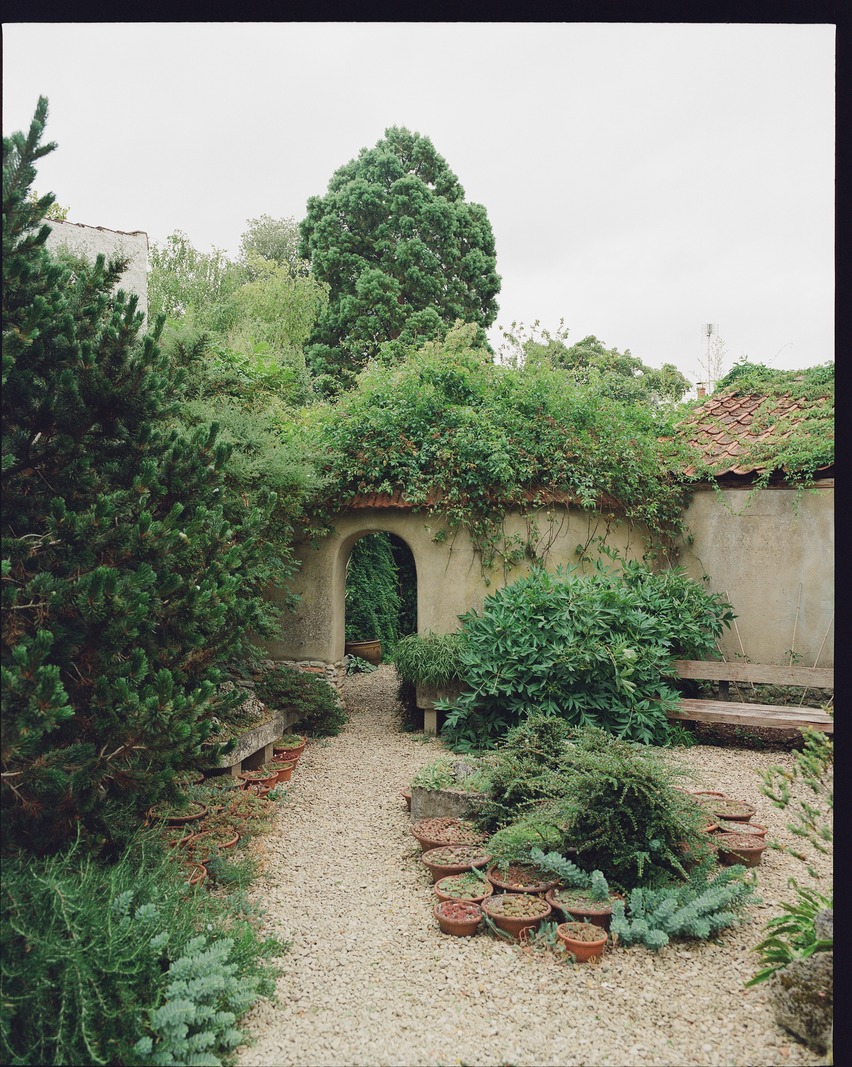
As the co-founder of The Modern House, I frequently get asked what my favourite Modern house in Britain is. What’s the best that I’ve ever seen? What’s the Modern house I’ve visited that I’d most like to live in? What do I think is the G.O.A.T.? That sort of thing. Pointless parlour-game questions, I sometimes think, except for the fact that I always have the same simple answer: Turn End in Haddenham.
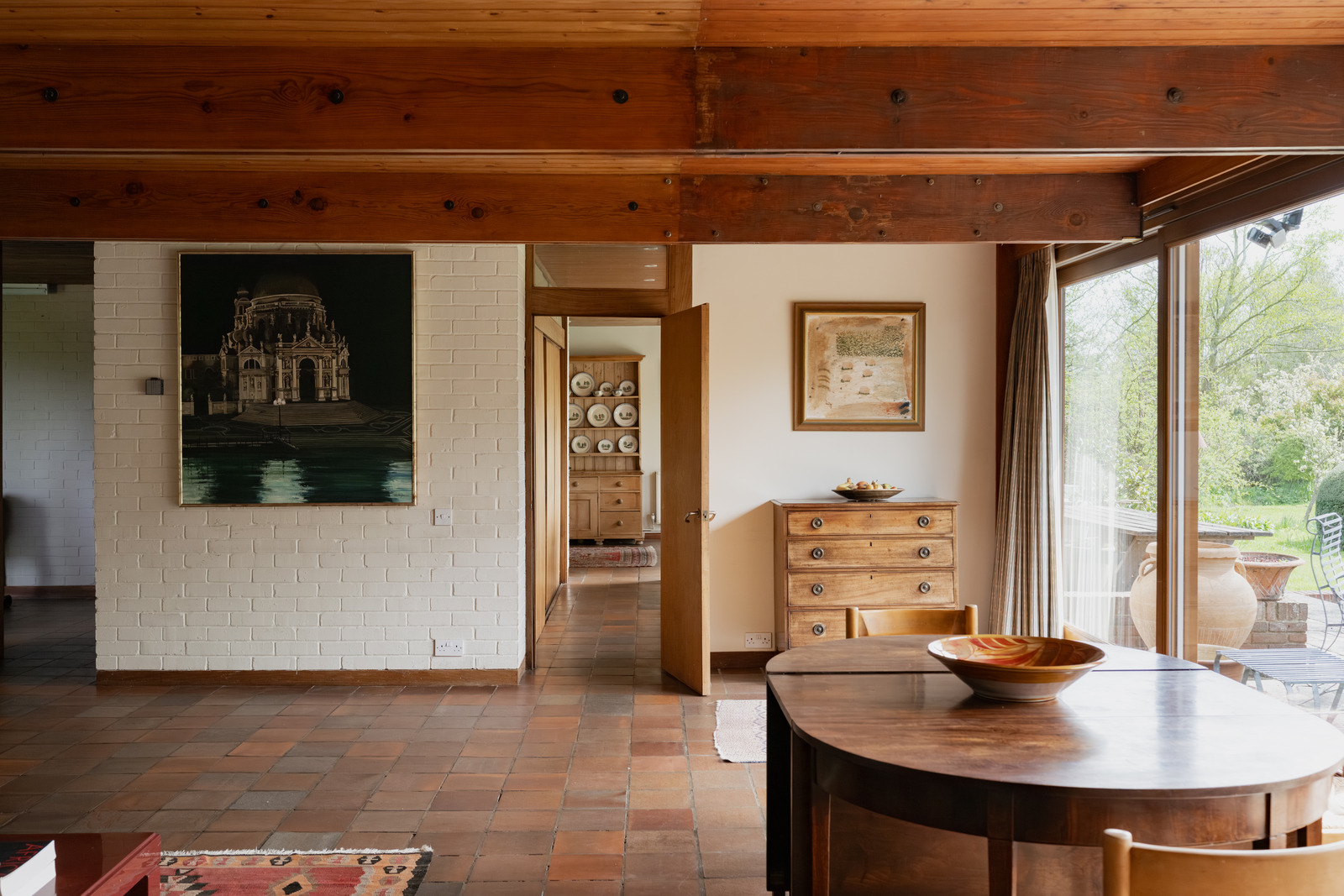
Turn End was designed by the architect Peter Aldington and built largely by himself and his wife Margaret, in the late 1960s. To call it a house is to rather undersell it. It is actually one of a group of three houses, surrounded by remarkable gardens (as much a part of Turn End as the buildings) all on a half-acre site in an ancient Buckinghamshire village.While I’d love to say that the many delights of Turn End were a well-hidden gem until I first stumbled on it in the late 2000s, the truth is that the architecture profession have been fascinated by it, as Aldington tells me, “since I first started building it”. Sitting in a Harry Bertoia highback chair in the small-but-perfectly-formed living area, Peter recalls a well-known architect, “turning up in his red MG” on the day that Margaret first began digging foundation trenches on the empty plot, “just to have a look”. Since then, the curious visitors (and accompanying praise) have been unrelenting. “The best postwar houses I know”, affirmed the renowned architect and historian Lionel Esher. “The most beautiful houses built in England since the war” wrote Peter Davey, editor of the Architectural Review.
I met Peter and Margaret on a misty day earlier this year [2022] and thankfully there were few signs that decades of lavish acclaim have gone to their heads. Margaret, after laying out tea and biscuits (with gluten-free option just in case), seems more preoccupied with the grey squirrels in the garden while Peter, visually impaired and without smell after an accident, is wondering if the hyacinths have begun to bloom. Indeed the only evidence that they have entertained so many admirers over the years is Peter’s stock of well-honed one-liners about the house and his fascinating career.
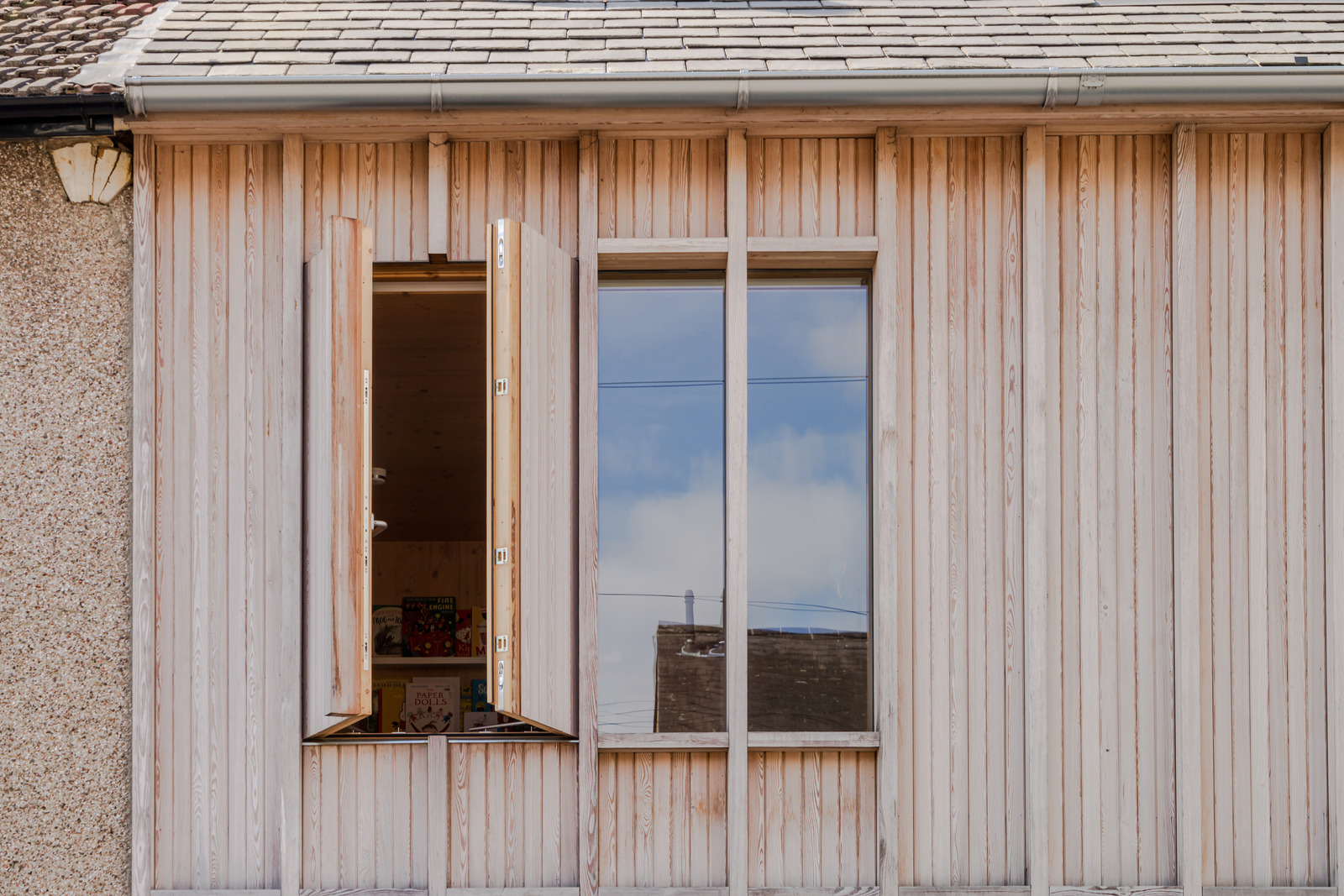
“I knew where the toilet roll holders were going before I even laid the foundations”, he utters with his usual half-smile, the traces of a Lancashire accent still just about there. It bears testament to the exceptional amount of thought that Aldington gave to every little element of the spaces that he designed. Everyone who knows his work has their own favourite Aldington detail, be it the tiny, floor-level window that he put in one house to give the cat a view or, in my case, the custom-made, untreated door handles and hand-made, wooden toilet flushes. This is design that shows an understanding of everyday life rather than the architecture of grand gestures.“Materials and people; understand them – and then build” is another characteristic Aldington phrase.
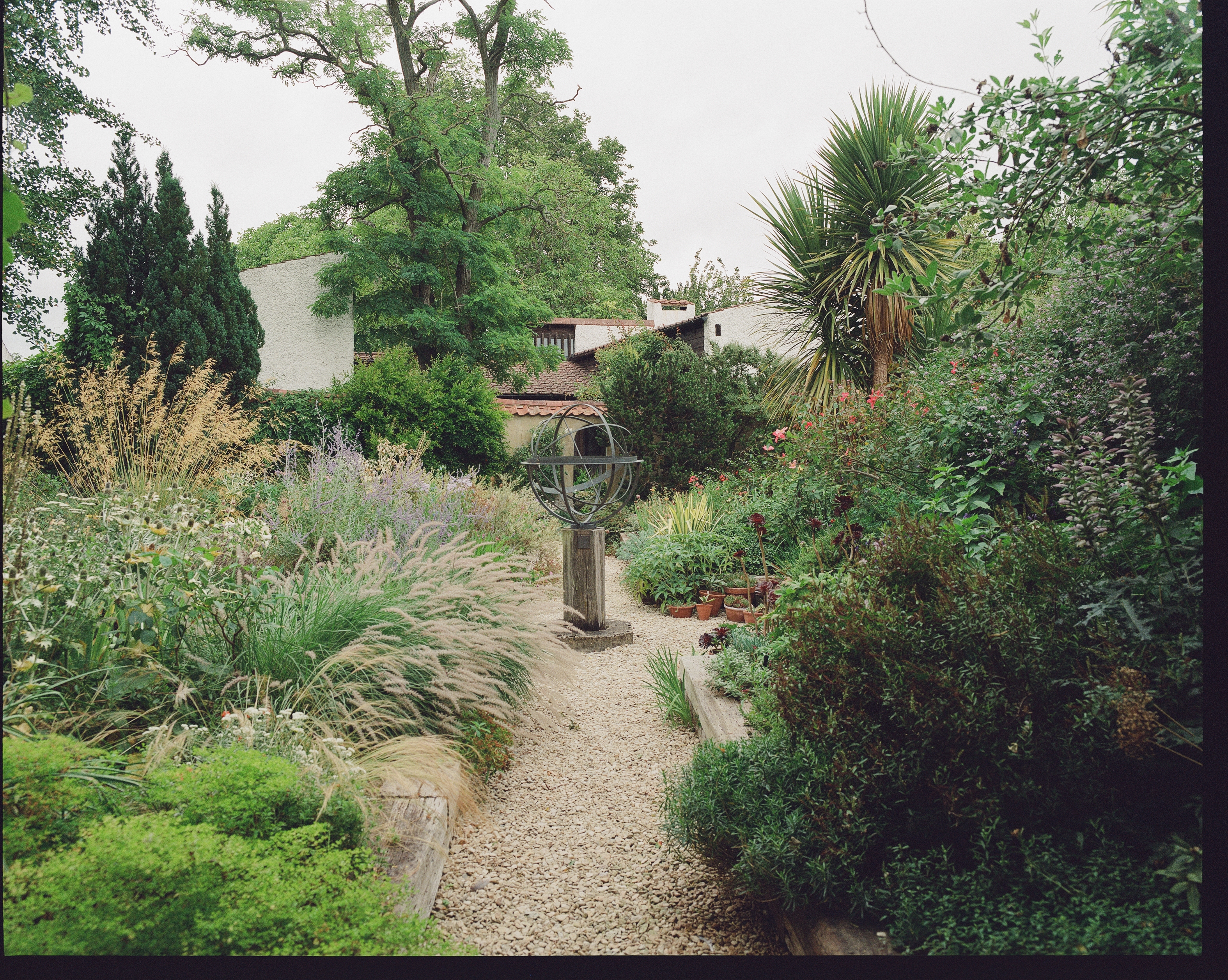
Aldington’s avoidance of big architectural set-pieces in favour of finely tuned, sensitive spatial design (“Turn End unfolds quietly”, as Davey has described it) make it very hard to capture the buildings on film. The famed architectural photographer Richard Bryant, who produced an illuminating book called ‘A Garden & Three Houses’ (note that the garden takes precedence in the title), said that “because of the subtleties and complexities involved, pictures can only hint at the experience”. Two dimensions, he seemed to say, just aren’t enough to capture the joys of actually being on site.
Perhaps the reason why his buildings offer a far richer experience in three dimensions is that Aldington was never much interested in two. “I have always been terrible at drawing” he happily admits and adds that his lack of abilities with the pencil (or computer mouse) meant that he failed numerous academic assignments. Talking about a landscape design module, he says he failed for being “a gardener rather than a designer”. The gardens at Turn End were created with very little planning on paper, rather Aldington recalls that they laid down bamboo poles across the site to denote which plantings went where.
Gardening was always Aldington’s first love yet he was persuaded to go into architecture by George Grenfell-Baines, the influential founder of BDP (Building Design Partnership) - a friend of the family in their hometown of Preston. Peter shows me a photograph of a house Grenfell-Baines designed for his parents and I assume that watching, as an impressionable young teenager, his new house by a celebrated architect being built would have proved inspirational. Peter’s less-than-enthusiastic response to my suggestion, however, and Margaret’s averted gaze suggest otherwise.
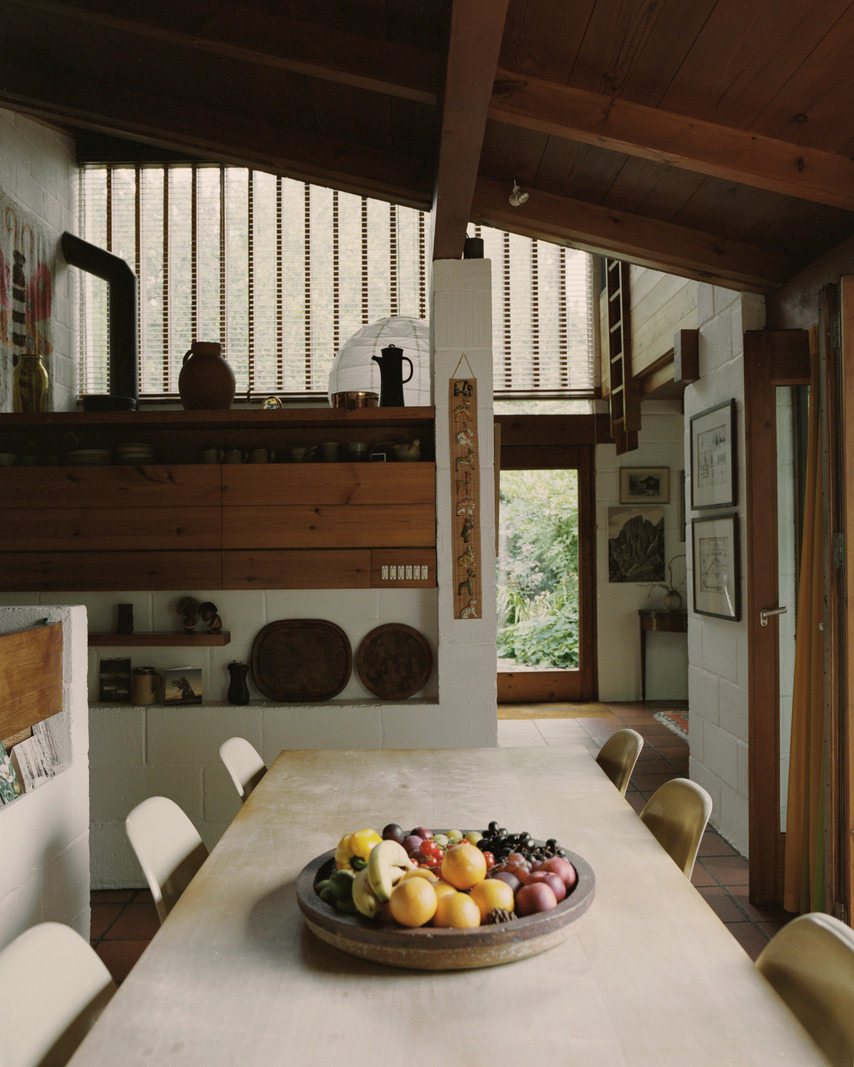
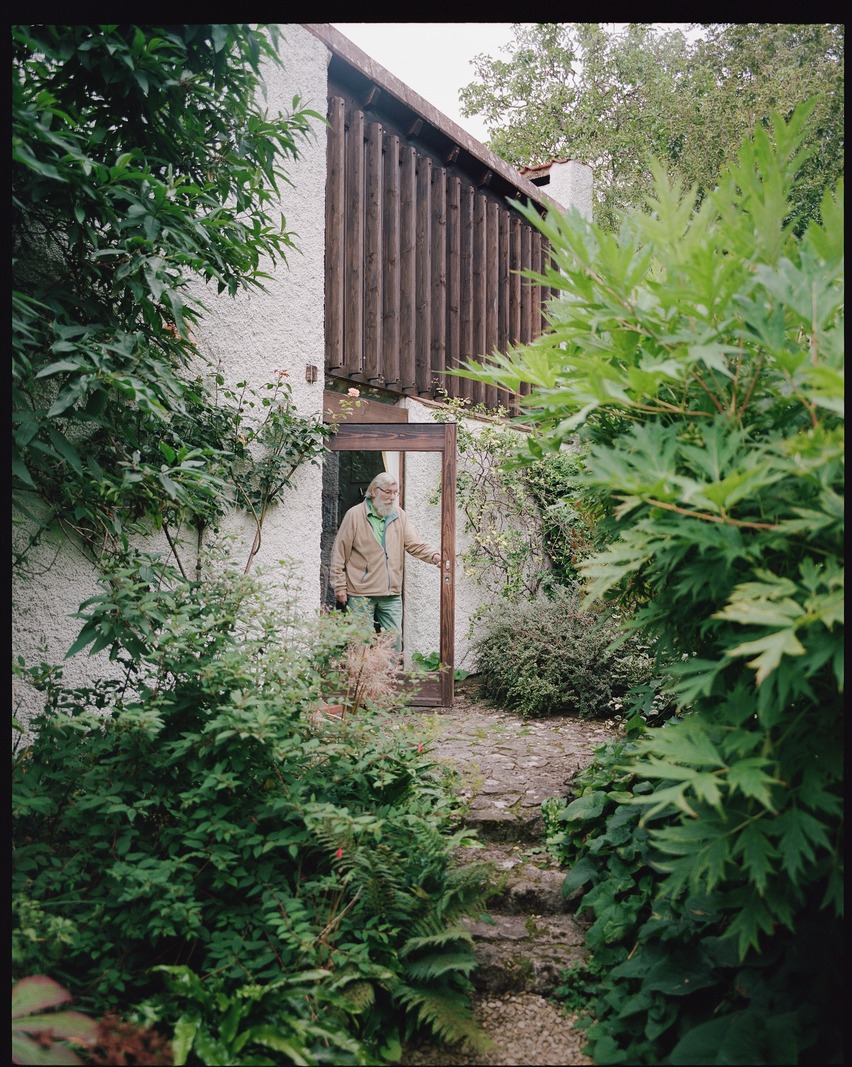
Indeed, pinning down Aldington’s inspirations isn’t easy. Some have read Mediterranean influences into the white rendered buildings with their orange-tiled roofs, others have clearly seen Scandinavian themes in the embrace of nature, while still more cite Japanese building traditions as an obvious antecedent. Margaret laughs as she tells the story of a group of Japanese visitors insisting, when they spied a branch that she’d recently displayed in a little Scottish pot, that she must surely be a long-serving student of Ikebana. Needless to say, she had never heard of the ancient art of flower arranging, just as Peter insists that he never studied any particular architectural style (“I don’t accept that there is such a word as style” he scowls) when designing Turn End.
The only thing that they will happily concede to being impressed by is the ancient crofters cottages of the Highlands. Both keen mountain-climbers in their younger years, they always looked admiringly at these buildings “which seemed to be a part of the landscape”. Turn End was always intended to become part of the local scenery in a similar way. They tried, for instance, to retain as many trees on the original site as possible and, most notably, they incorporated some of the original garden walls into the structure of the new house. The garden walls were built of wychert (white chalk and clay mixed with straw) that has been used in Haddenham and the local area for centuries. This considered blending of old with the new, the traditional with the forward-thinking, is clearly something in which the Aldingtons take great pleasure, although it is because of this subtle combination that Turn End has sadly never quite made it into the canon of more iconic Modern houses.
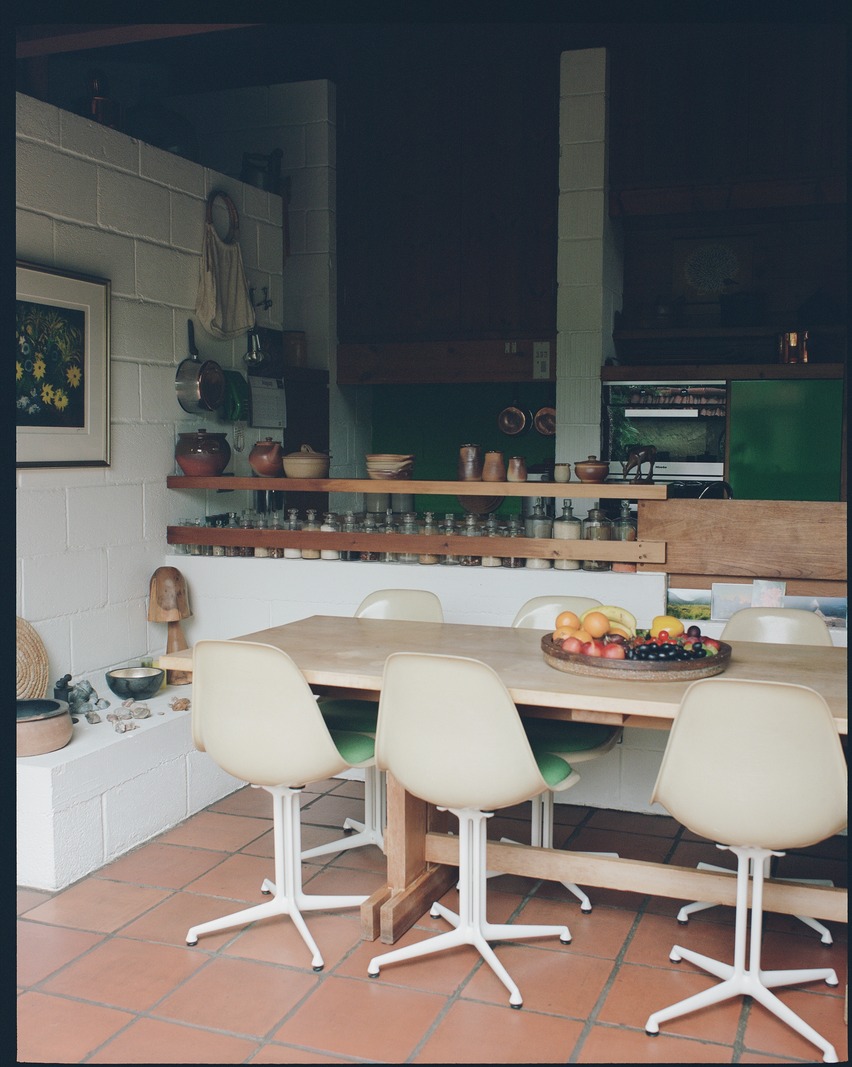
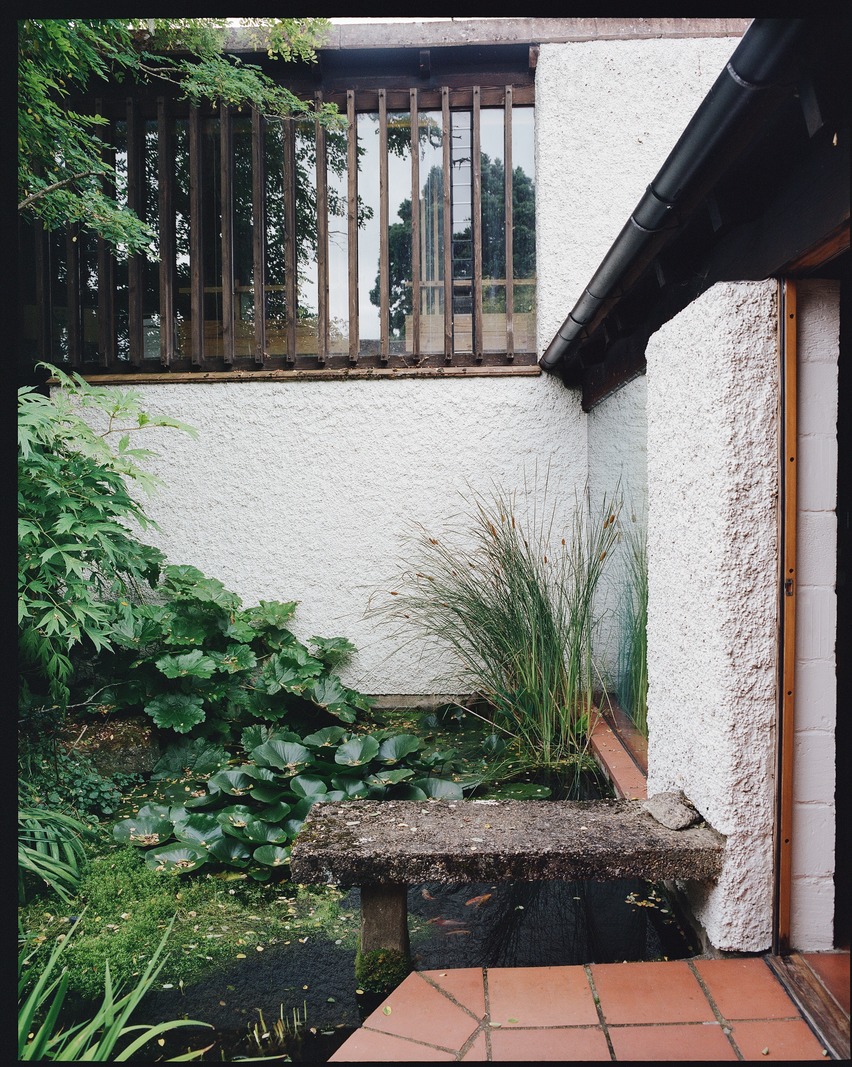
Further blurred boundaries exist around indoor and outdoor spaces at Turn End. They are, as Peter puts it, a “continuum”. Some rooms have small internal gardens (an amazing feature that I’m surprised you don’t see more often) whilst externally the courtyards almost come into the living spaces and the gently shifting façades of the building refuse to overpower wilder features like the fish pond and sprawling walnut tree. It is Aldington’s ability to balance the formal and informal, order with exuberance, that is at the heart of his brilliance. “I believe that the structure of a design should be powerful enough to allow furnishing or planting to be flamboyant” he once said, succinctly, as ever, summing up his approach.
While the Aldingtons like to promote the fact that they are by and large practical people – they built Turn End themselves with only minimal assistance after all - there is little denying that what they have created is truly poetic. Even on a dull day, with the marauding grey squirrels having scared away the birds and a delivery of building materials dumped on the doorstep, the sense of place at Turn End is still overwhelming and the atmosphere almost magical. As Peter once described it, it’s “a haven away from the world, and yet clearly grown out of it”. Sadly my stay at this place that I’ve often named as ‘the Modern house that I’d most like to live in’ has to come to an end. I’ll just have to make do with ‘the Modern house in which I’d most like to spend an afternoon’.
Two Aldington-designed homes – Roebuck and Diggs Field – are currently for sale via Inigo and The Modern House