20th century visionaries: seven modernist masterpieces
March 4th, 2026

It is a little-known fact that in one of the WCs at TMH HQ, there is a framed copy of FRS Yorke’s influential book cover, The Modern House (1934). Our company name (and, come to think of it, our font) was inspired by Yorke’s study of modern European architecture. The book included just 14 pages of modernism in Britain but, three years later, his follow up, The Modern House in England (1937), was entirely devoted to homegrown modernism. As are we, almost 90 years on. From a Scottish home inspired by mid-century Californian architecture to a castle-like structure on the edge of Hampstead Heath, these eclectic homes are some of the finest examples of modernist architecture in Britain currently on our books …
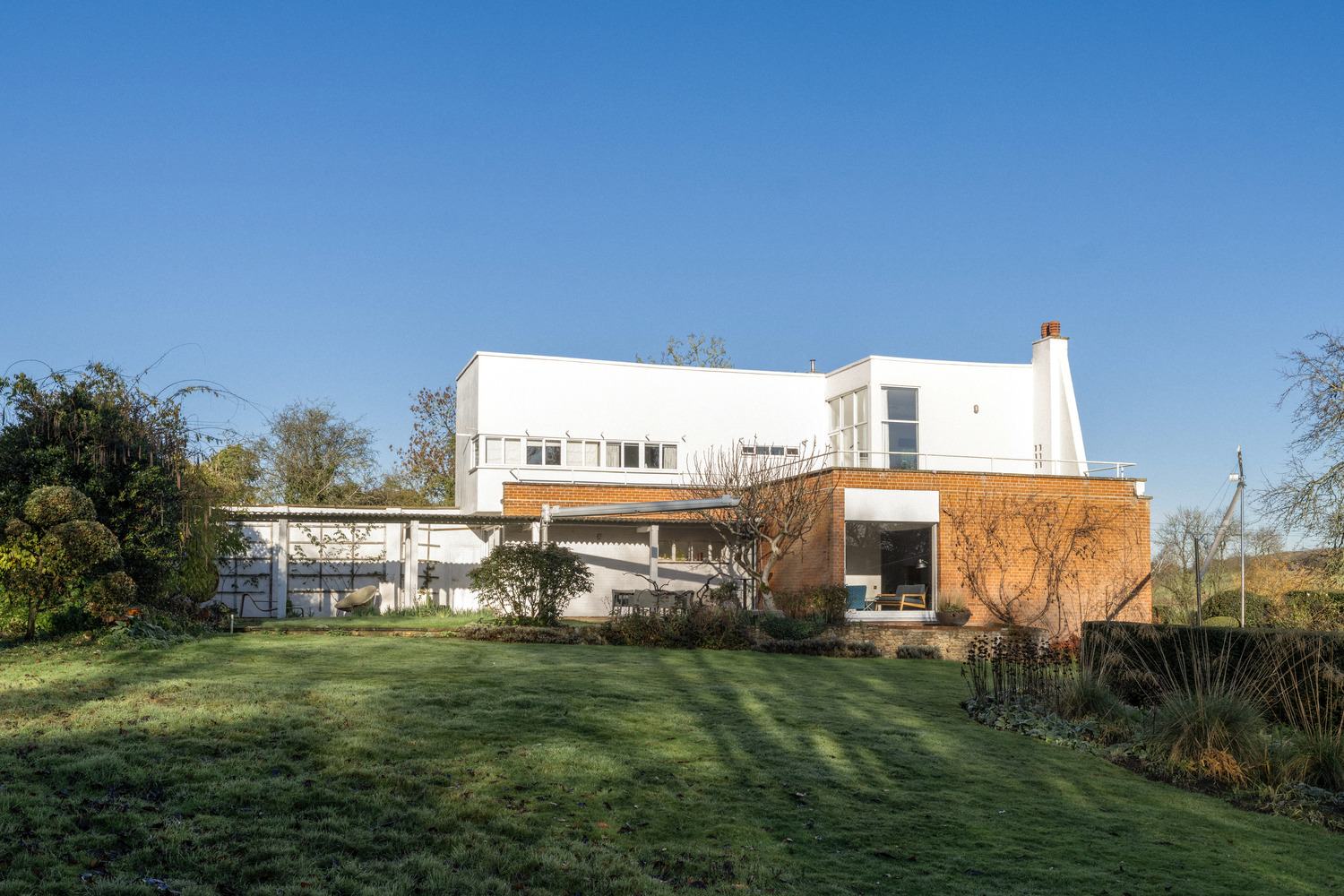
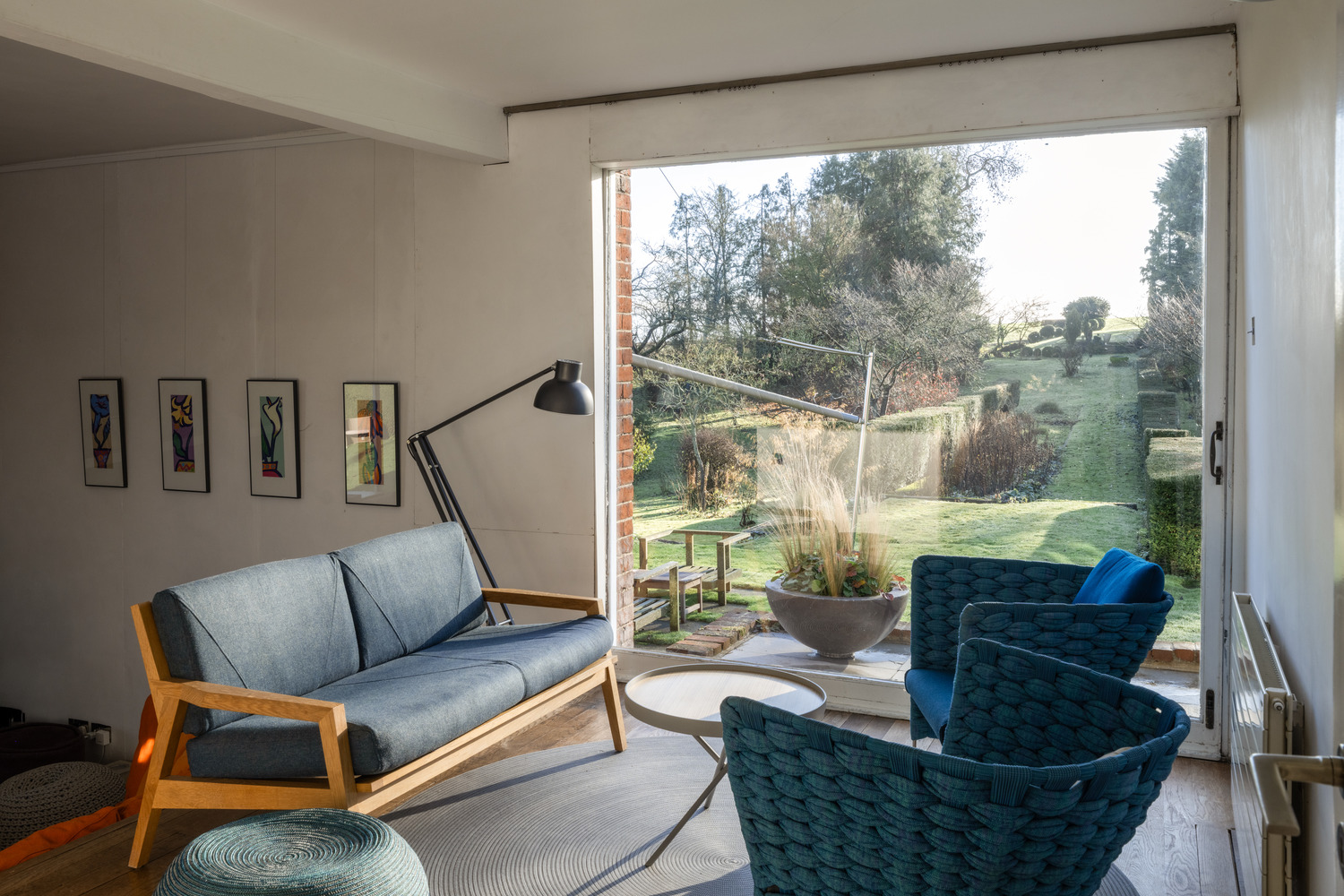
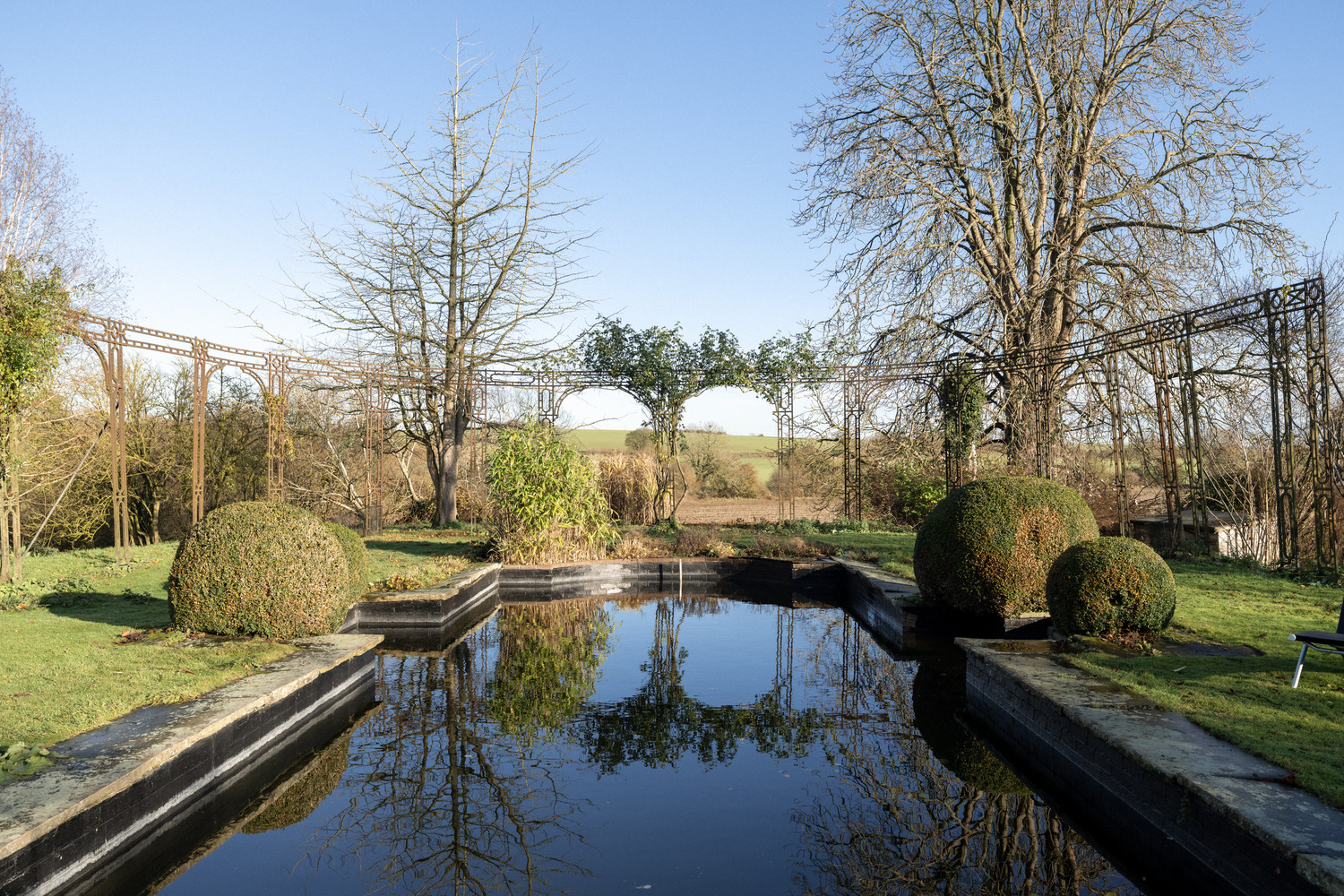
Hill Pasture, Broxted, Essex
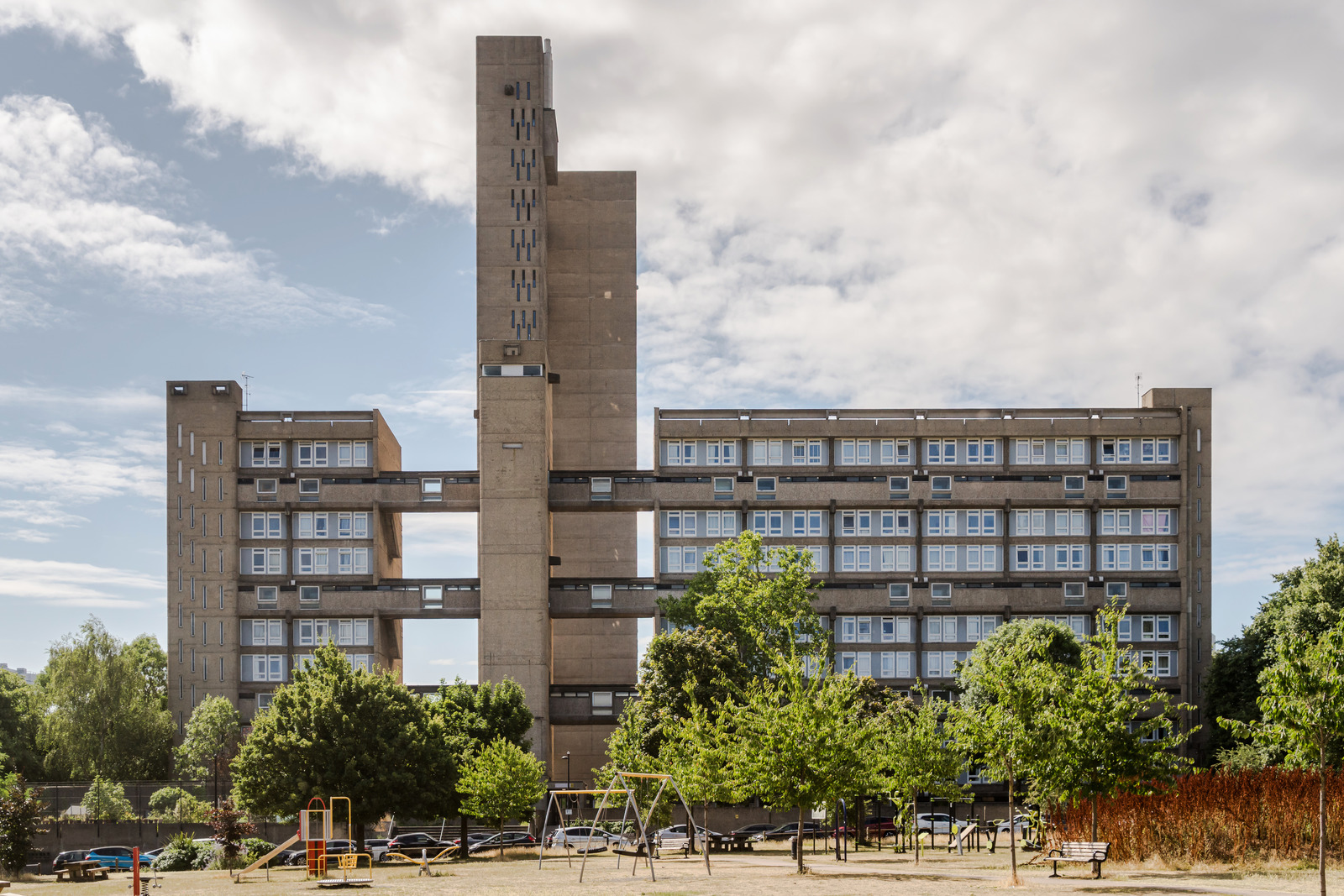
While Erno Goldfinger is best known for his iconic Brutalist tower blocks in London, the first house he designed was the spectacular Hill Pasture in the 1930s. Defined by its clean lines, red brick and white rendered façade and sheets of glazing, the house cuts a striking figure amid its peaceful rural location. Embraced by five acres of beautifully landscaped gardens – including an original swimming pool – the house was thoughtfully extended in the 1990s by renowned modernist architect John Winters.
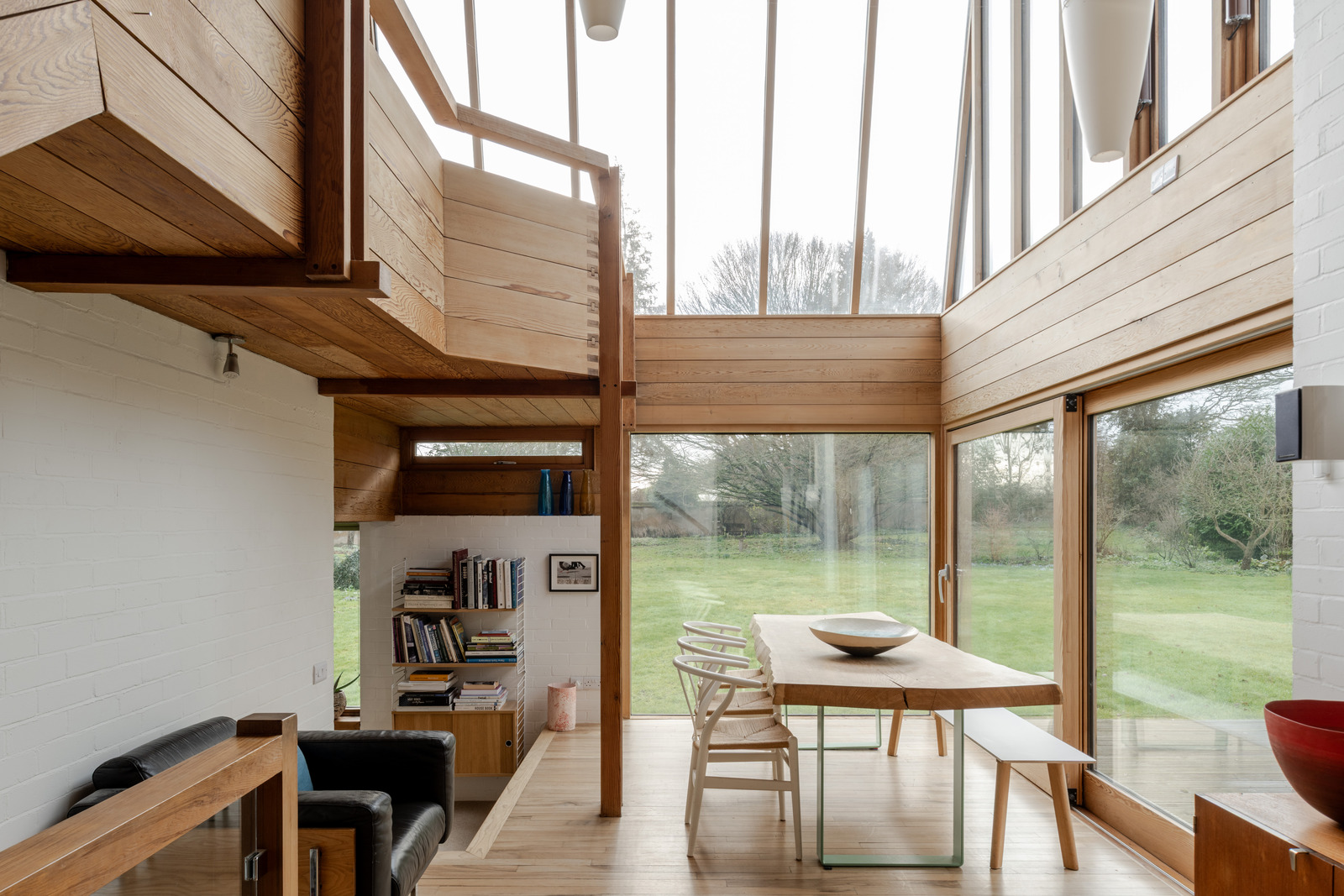
Diggs Field, Haddenham, Buckinghamshire
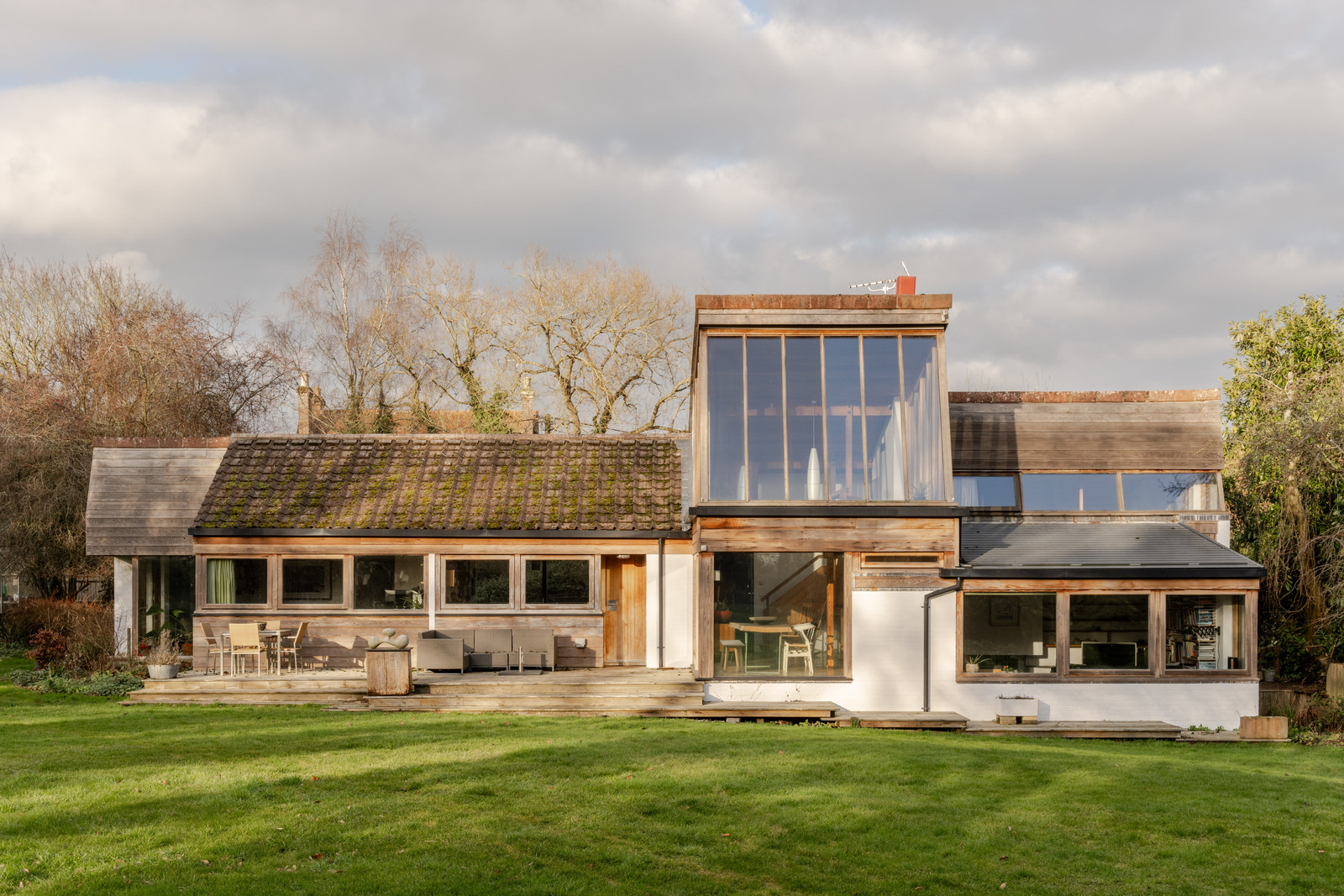
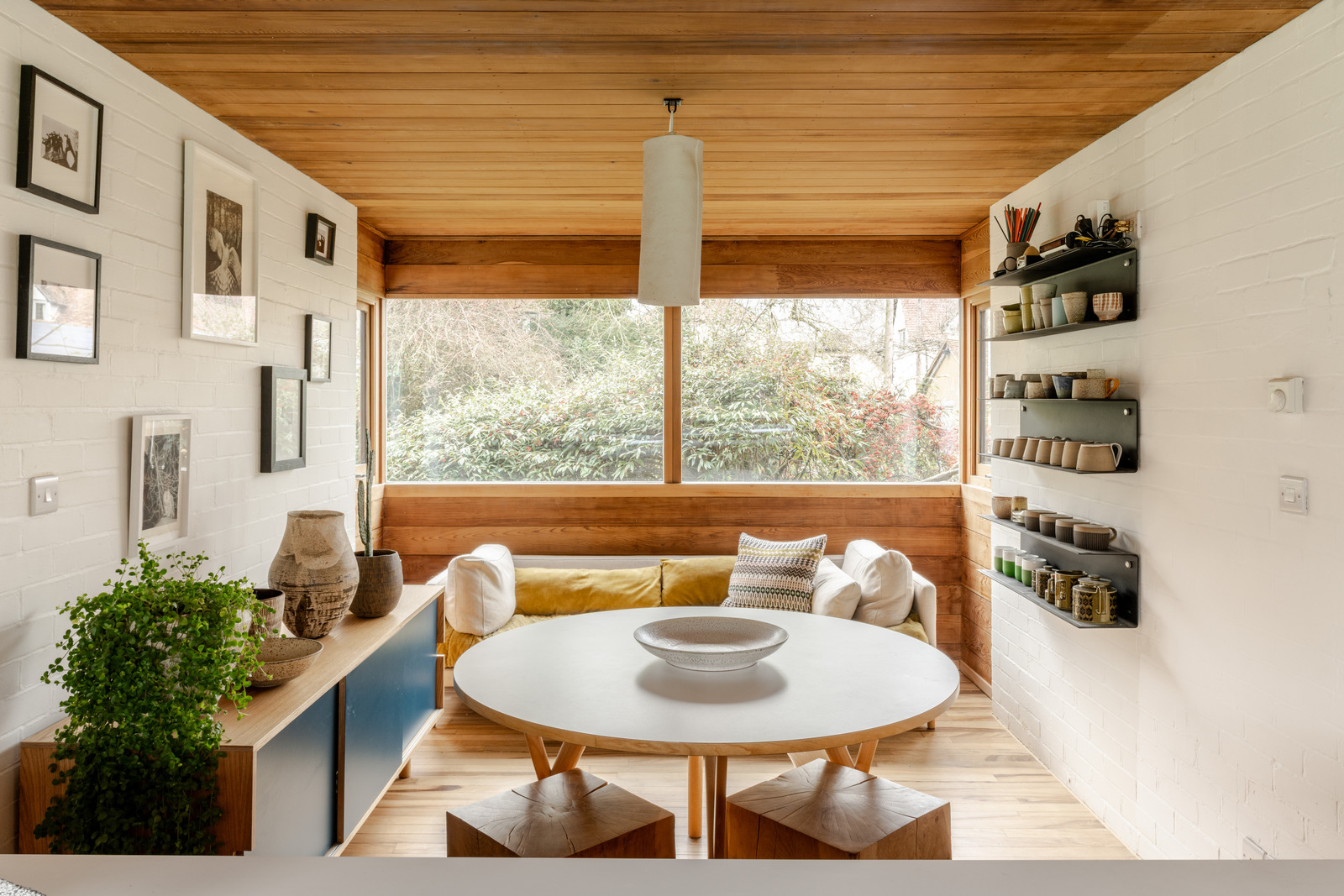
Designed by celebrated architect Peter Aldington, Diggs Field is a singular home characterised by a magnificent double-height sunroom with swathes of tall, angled glazing. Originally built for a couple and their lifelong friend, the house was designed with a series of private and shared living spaces, and sits within an acre of gardens. Natural materials have been prioritised throughout, with more recent additions by 5th Studio.
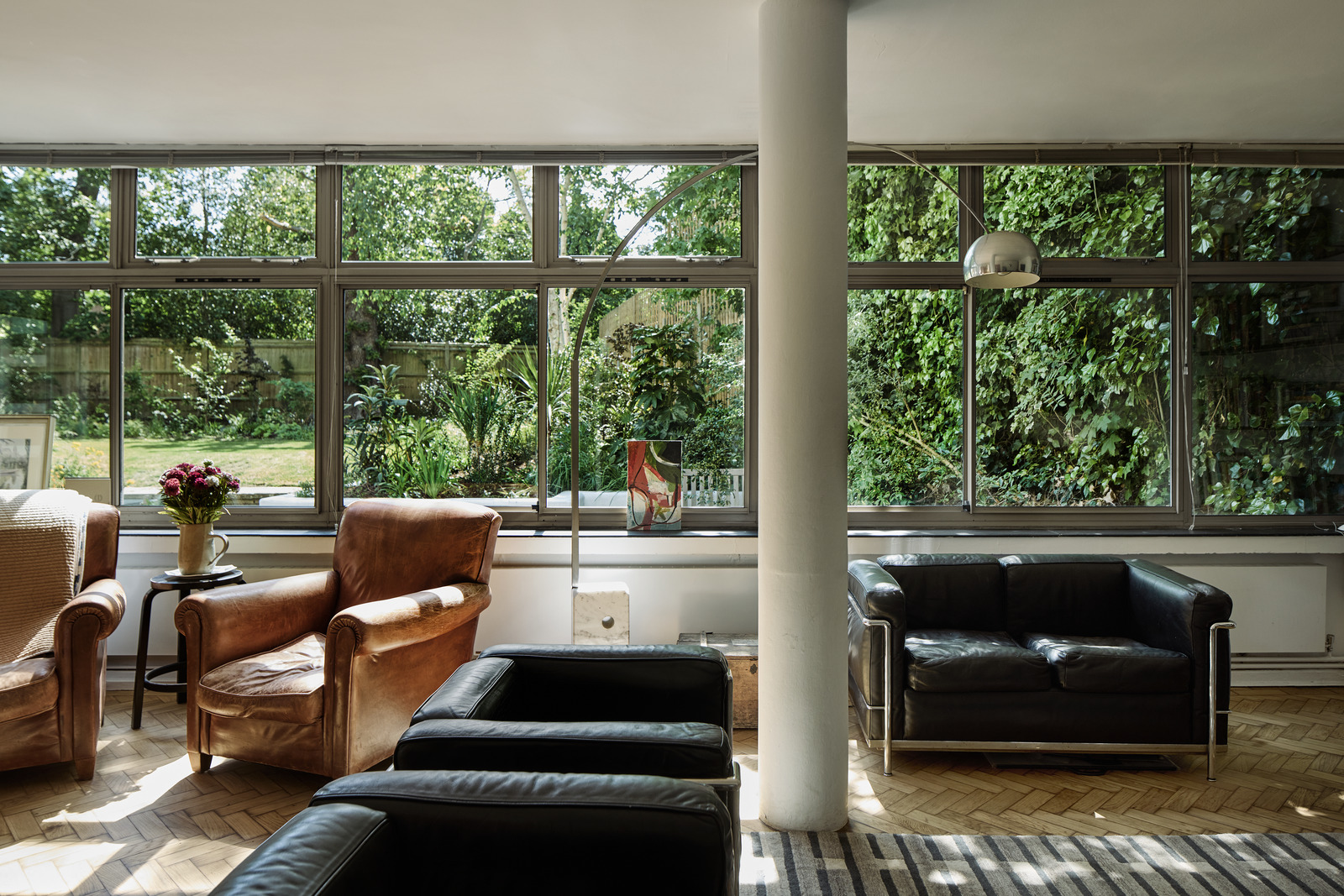
Six Pillars, London SE26
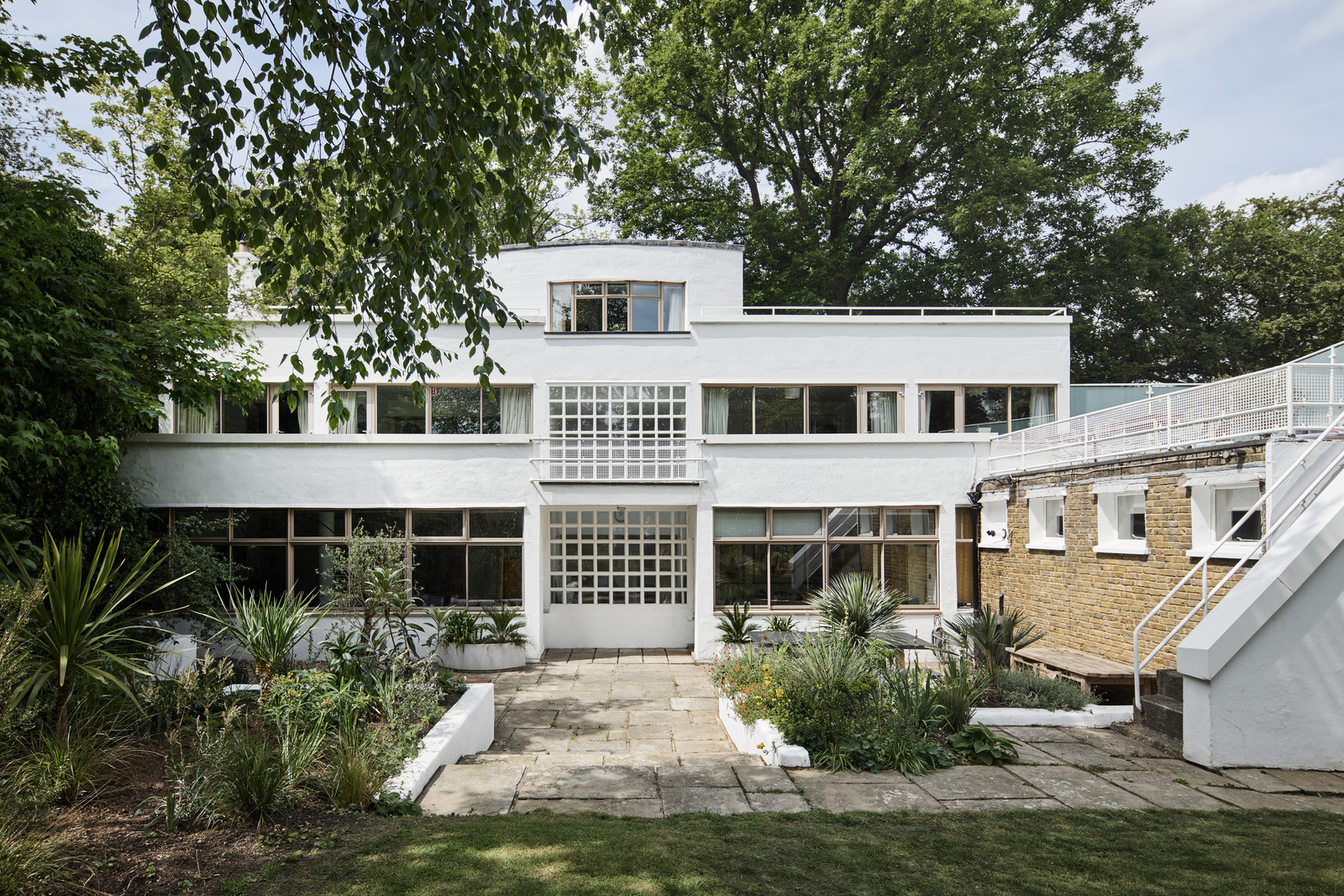
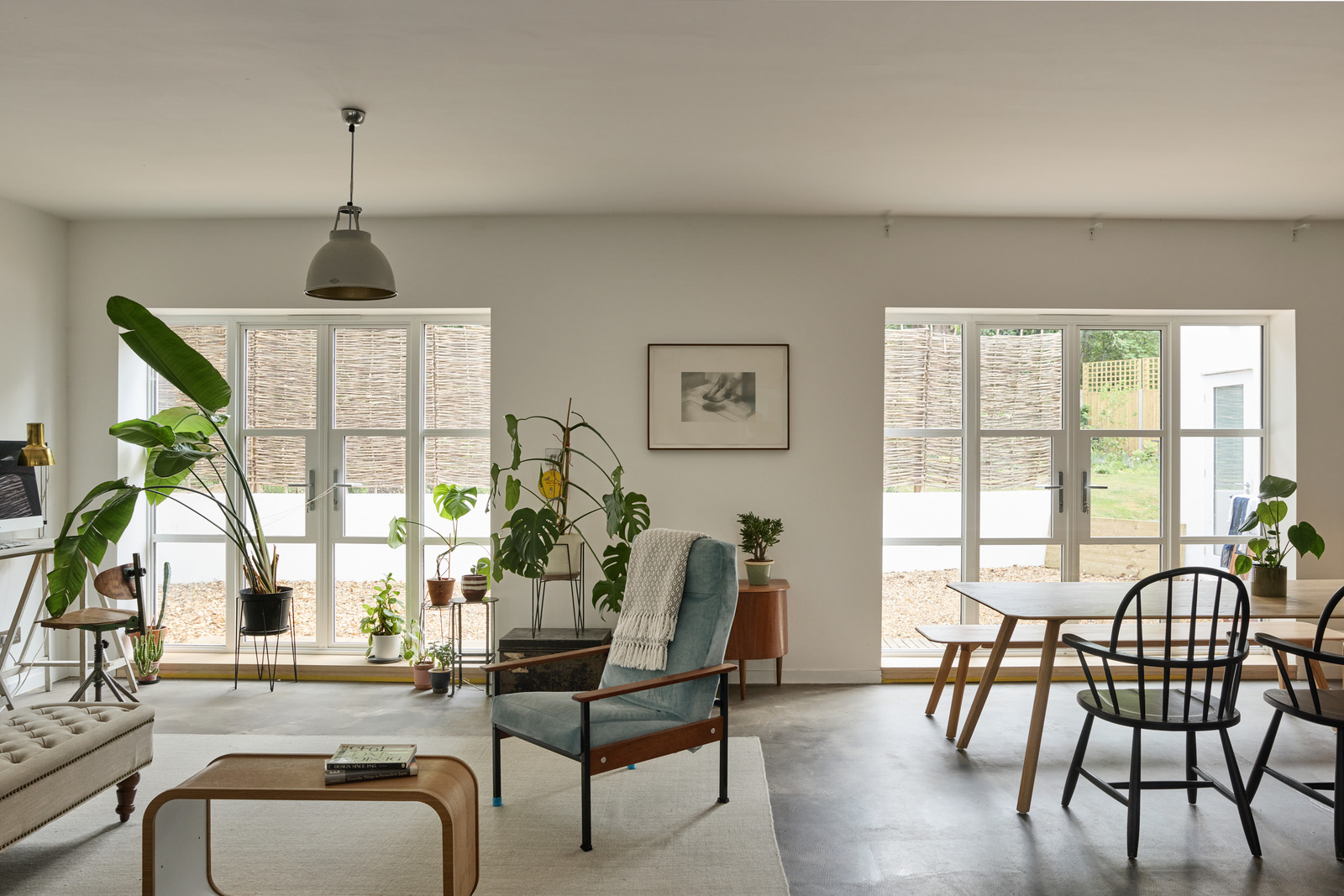
Six Pillars is widely regarded as one of the finest examples of modern domestic architecture in Britain. Designed by Valentine Harding and Tecton in 1932, the three-storey building is brimming with original features, including chevron parquet flooring, panels of gridded glazing and a sculpted staircase. Landscaped gardens are filled with deep herbaceous borders of shrubs and perennials, while a spectacular roof terrace is perfect for reclining in the sun.
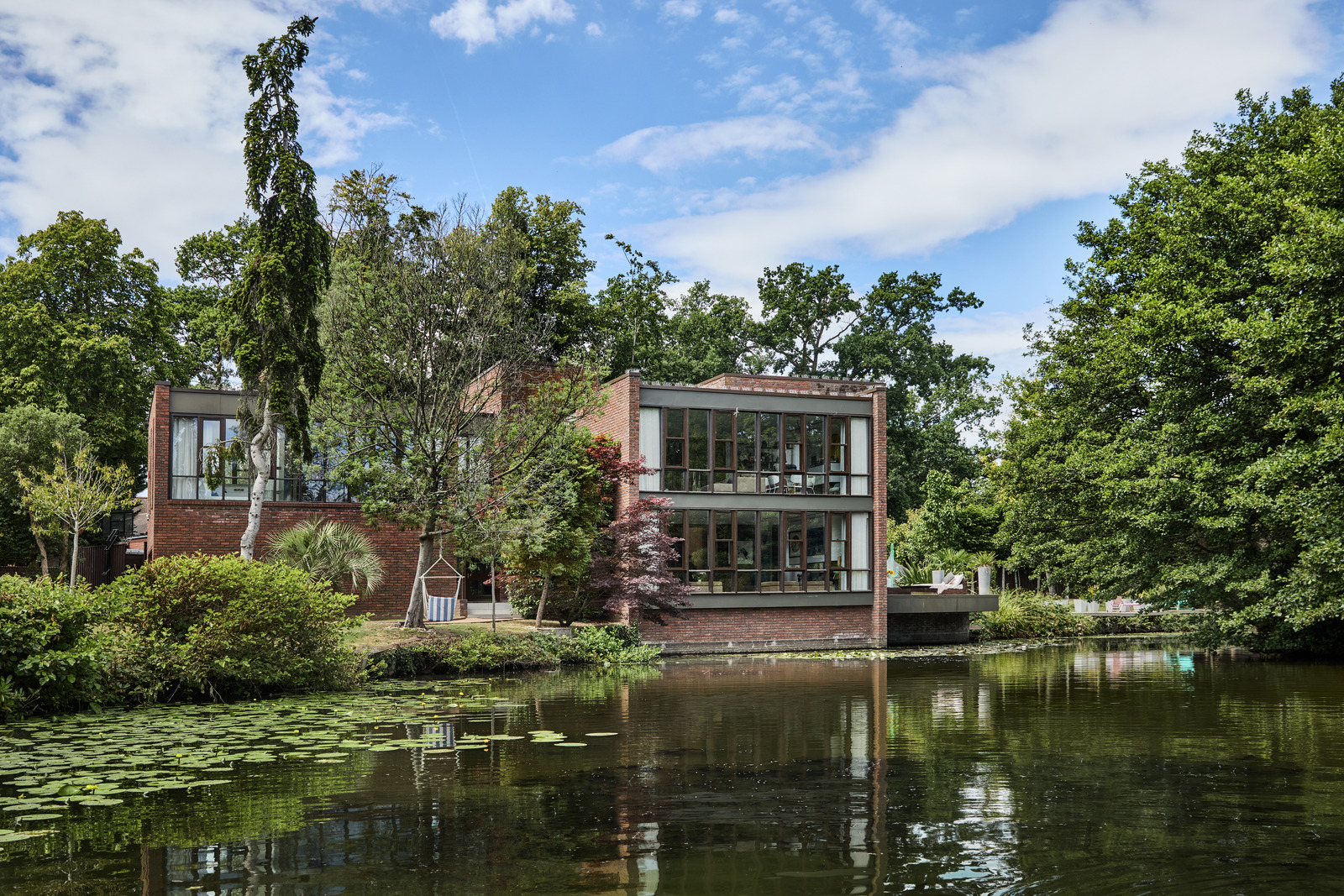
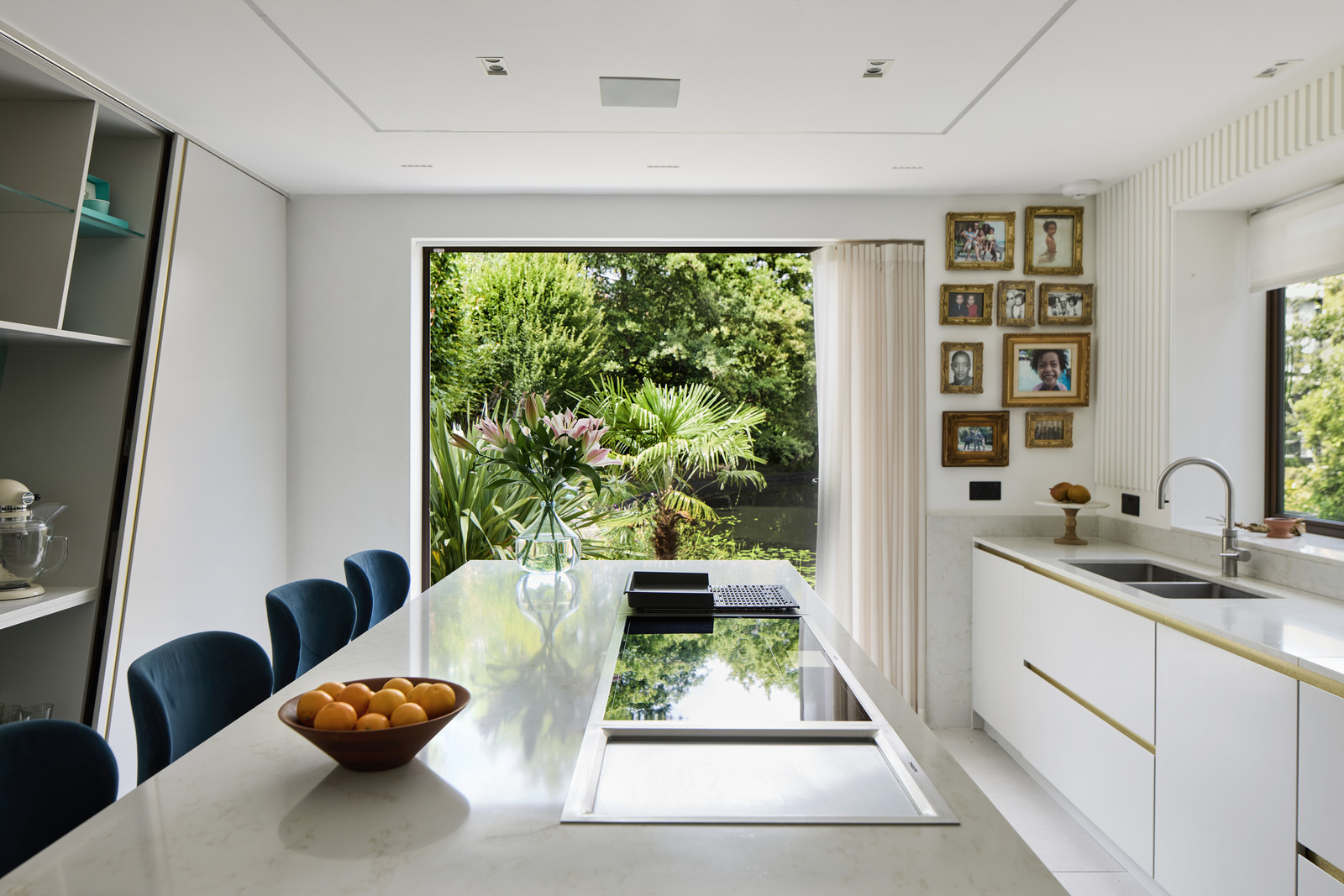
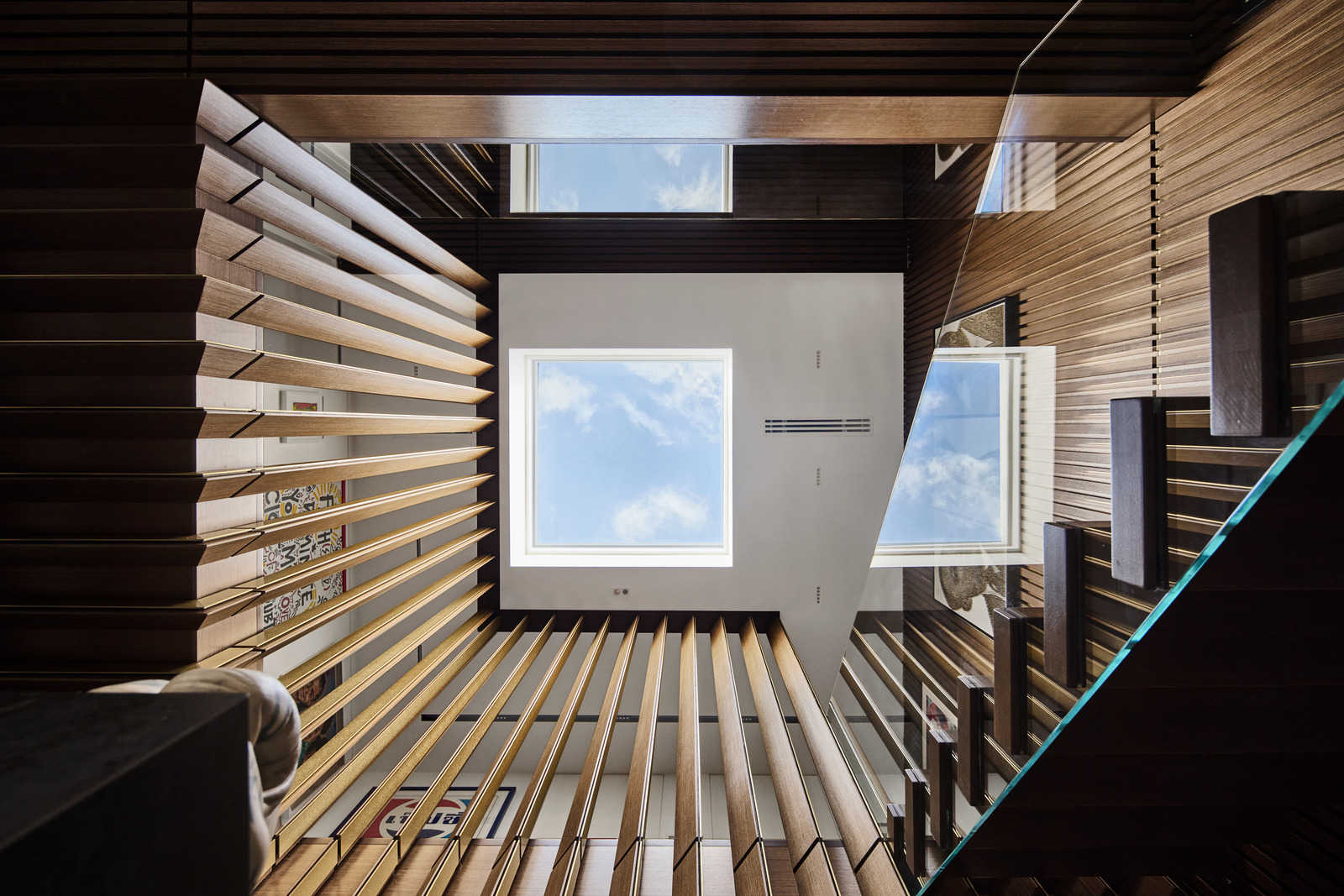
Lakeside Drive II, Esher, Surrey
This impeccable home forms part of Lakeside Drive, an award-winning collection of modernist homes set around a tranquil lake. Designed by Royston Summers in 1975, living spaces are bathed in light from full-height windows that frame serene views of the lake. Warm timber panelling runs throughout, while a dramatic open-tread staircase with glass banister ascends to the first floor. The house’s sweeping gardens border the lake, and a heated swimming pool is angled to maximise sunlight.
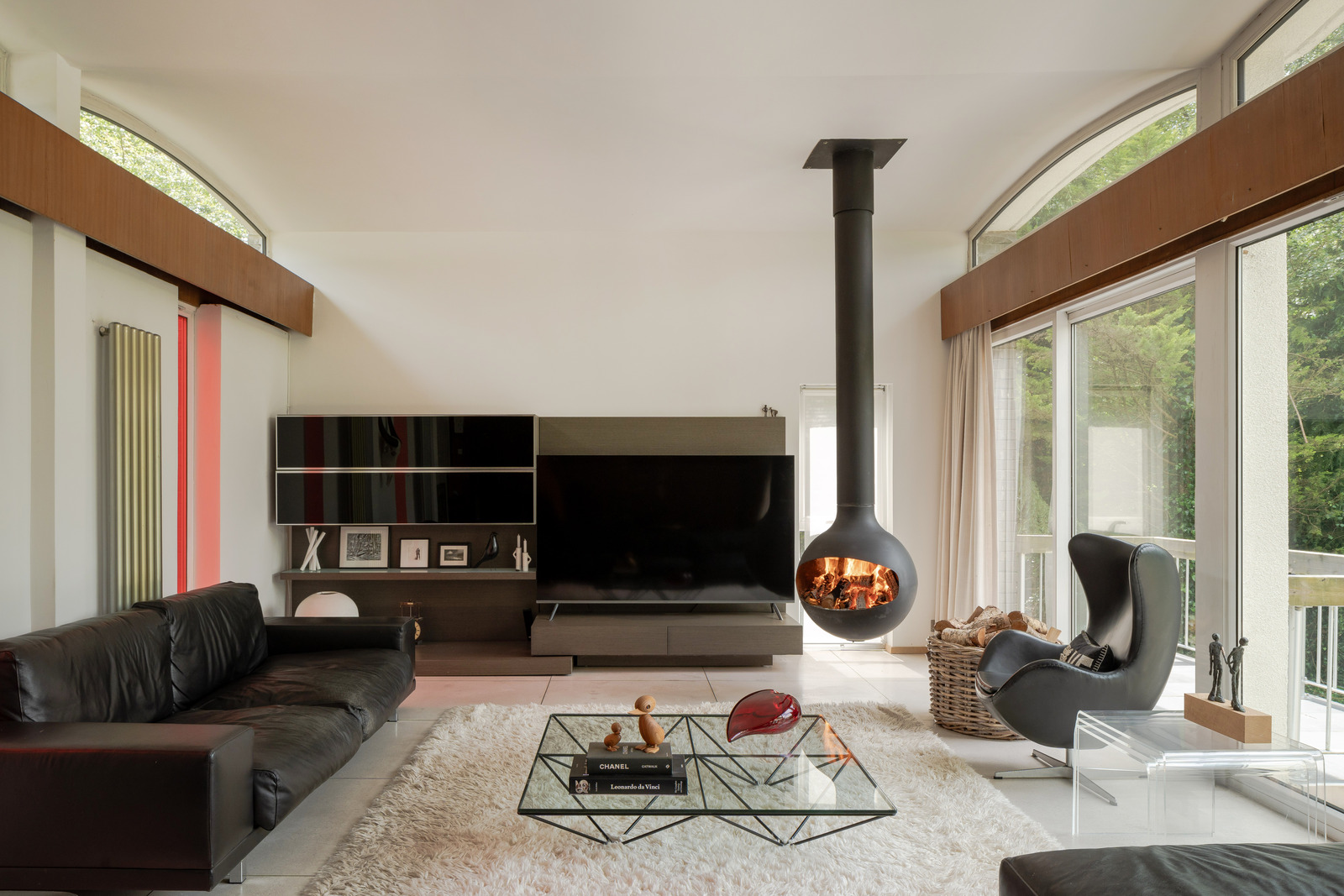
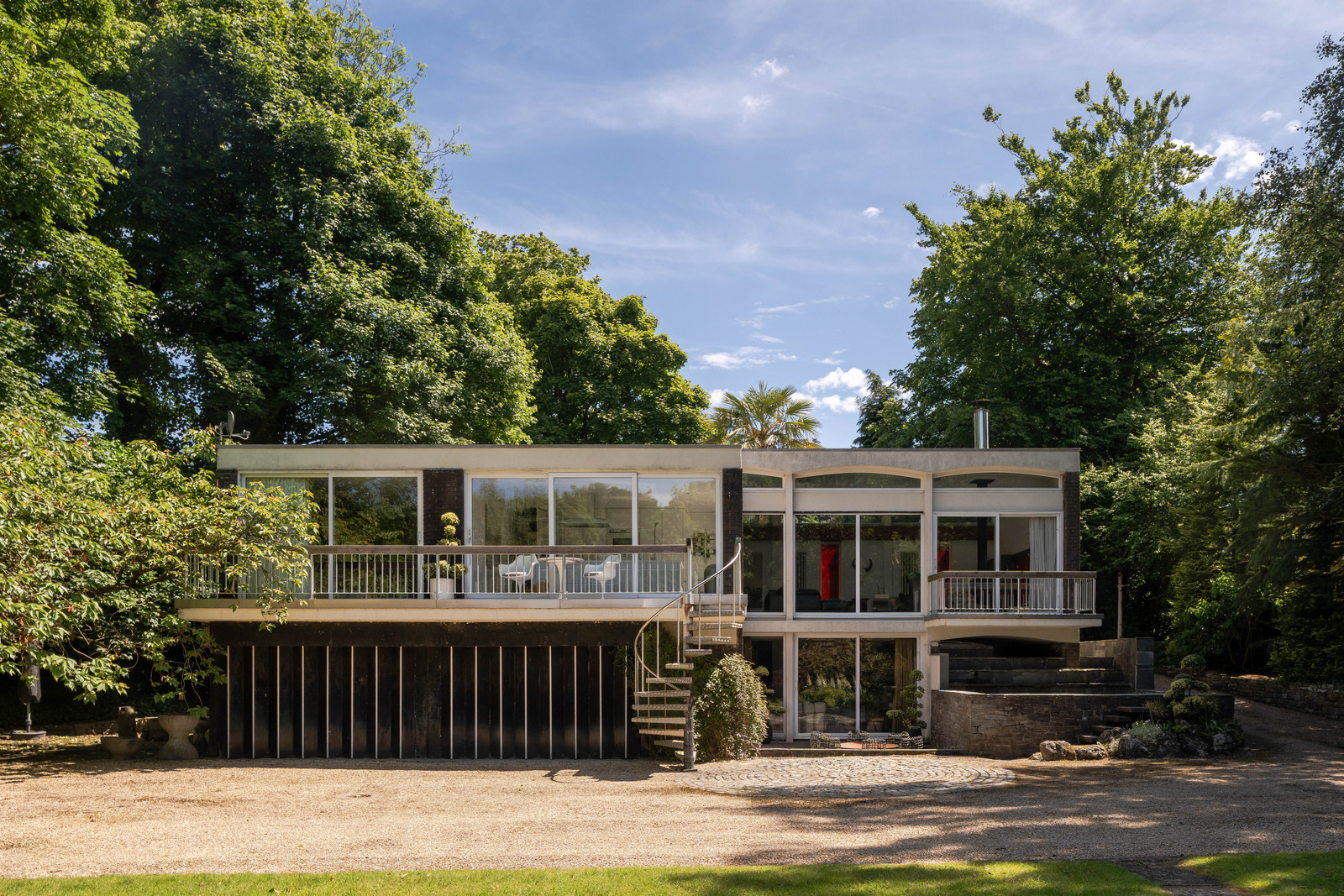
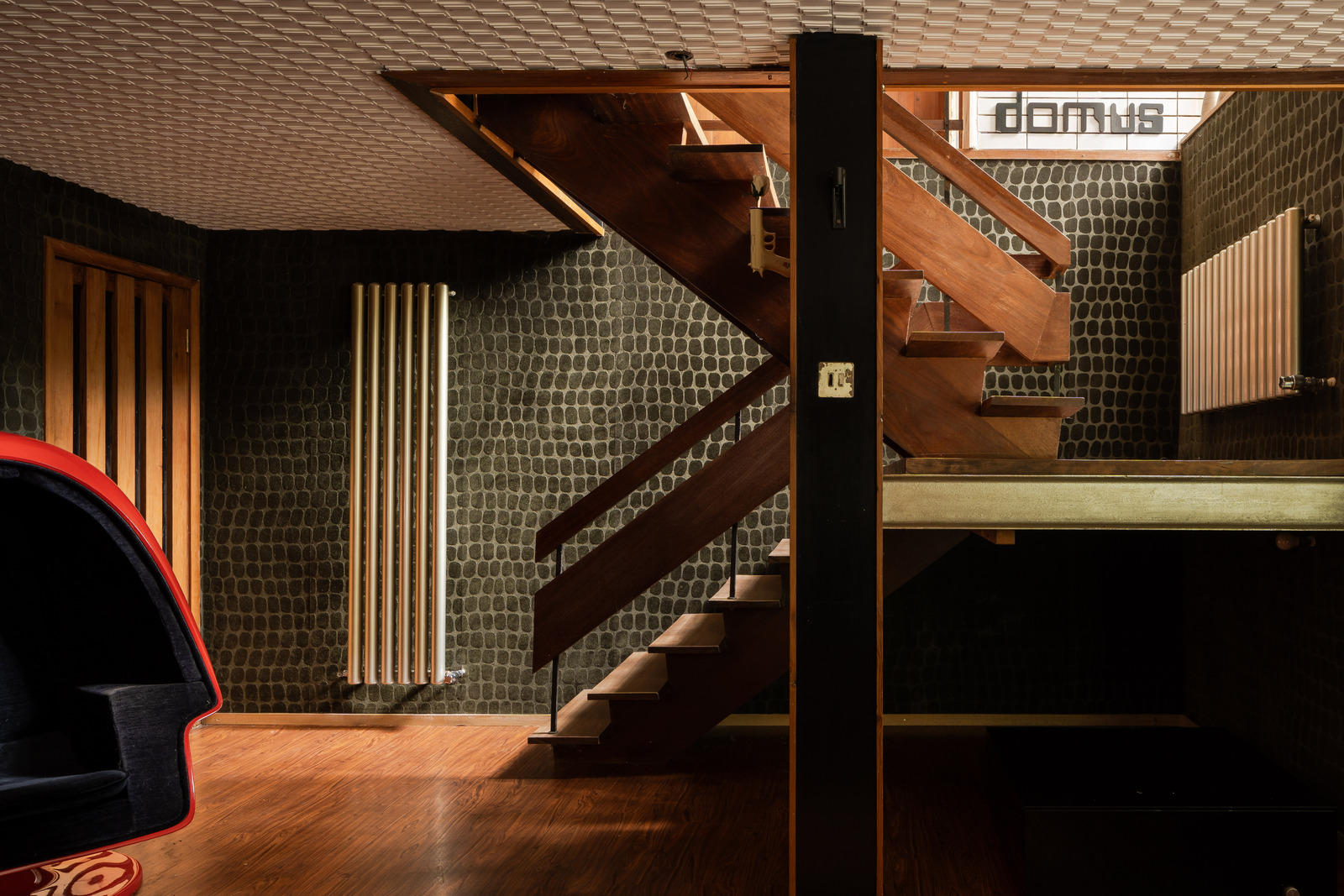
Domus, Reedley, Lancashire
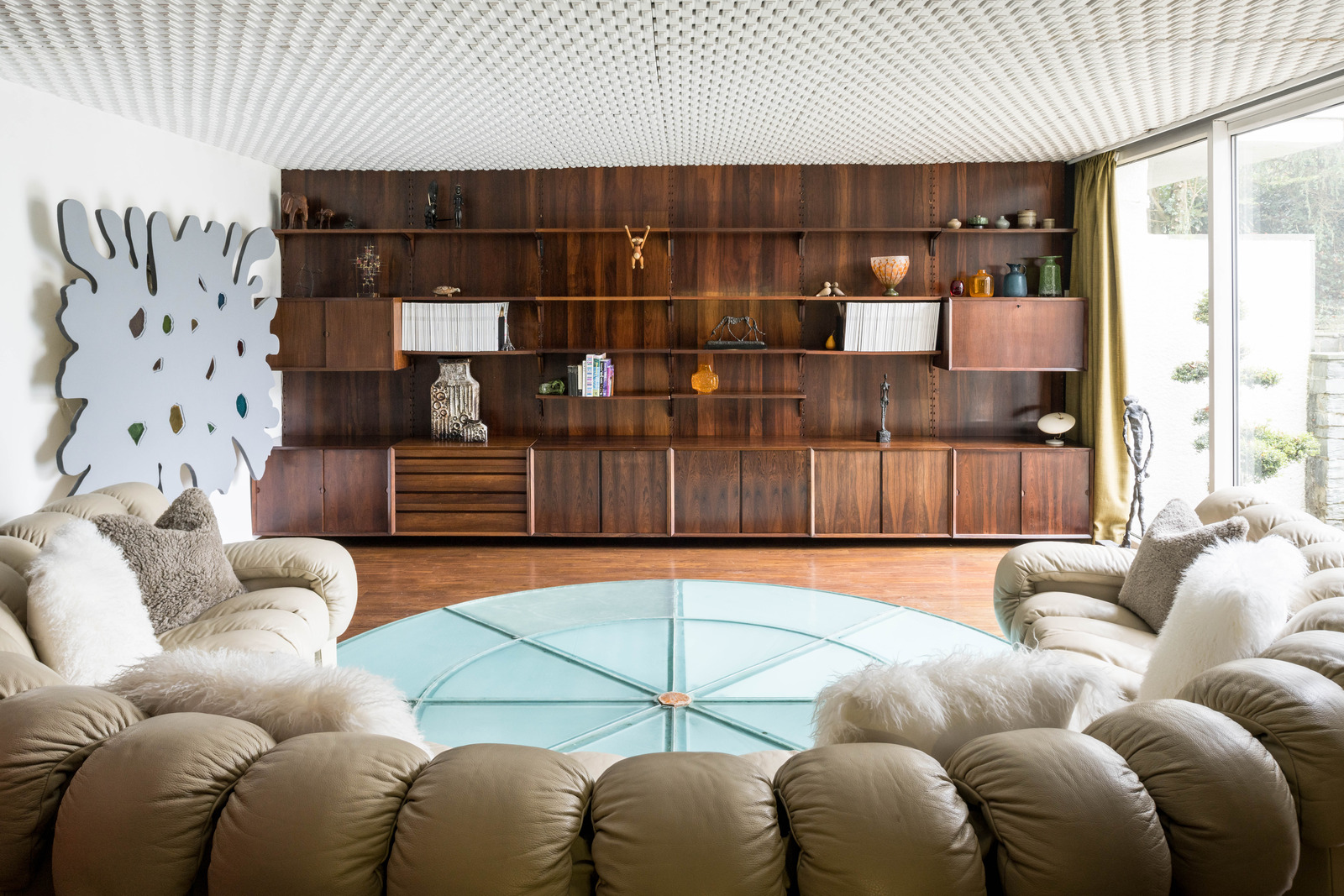
The inimitable Domus is thought to be one of the first modern houses in the country. Designed in 1958 by Alan Chambers, the building is intended for creating, communing and entertaining. On the lower ground floor, an entertaining lounge has a circular underfloor-lit glass dance floor and an intimate bar, while the upper level is home to a dining area with a canopy of hand-crafted rosewood joinery. A balcony with a gently curved staircase is perfectly positioned for taking in views across over five acres of gardens.
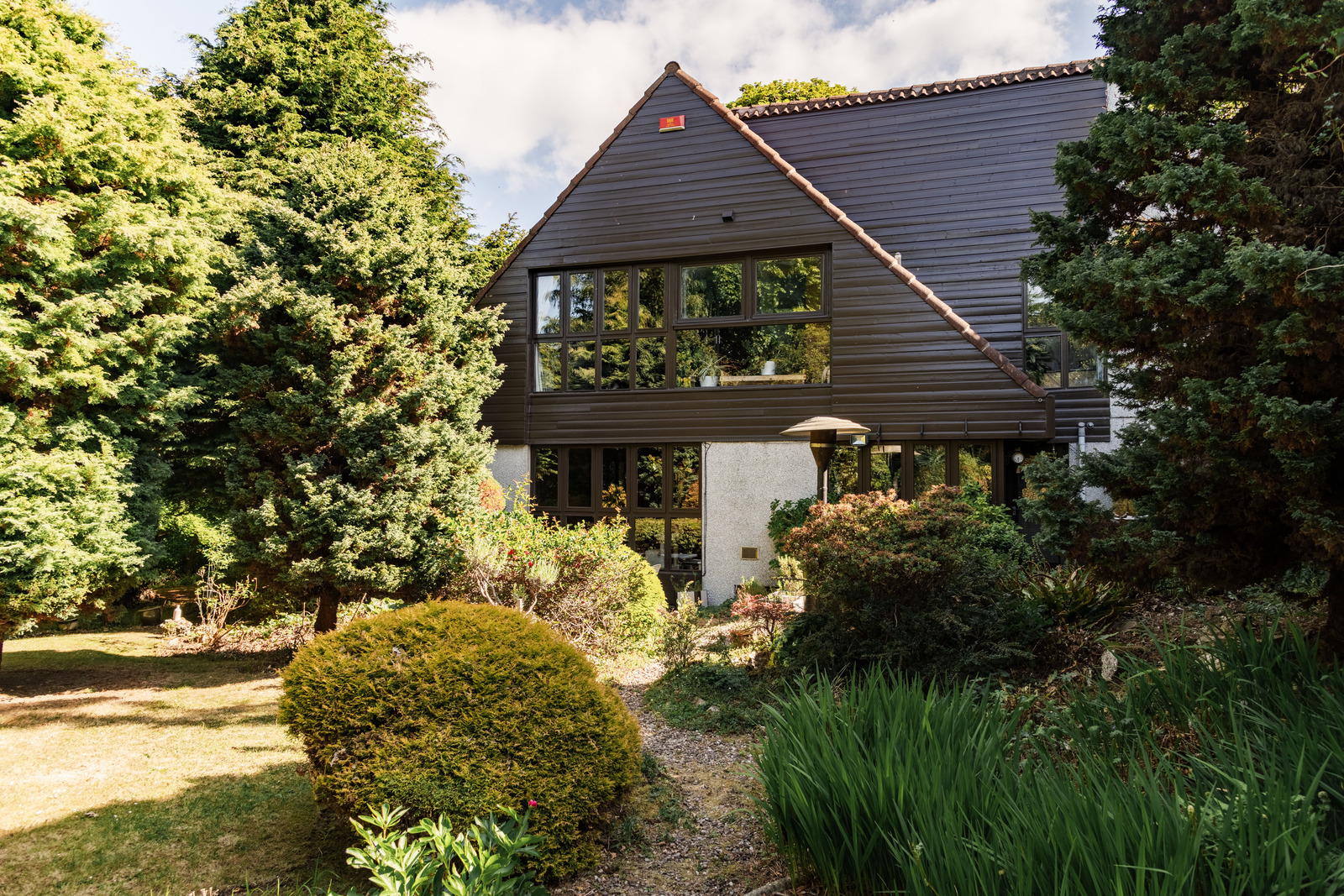
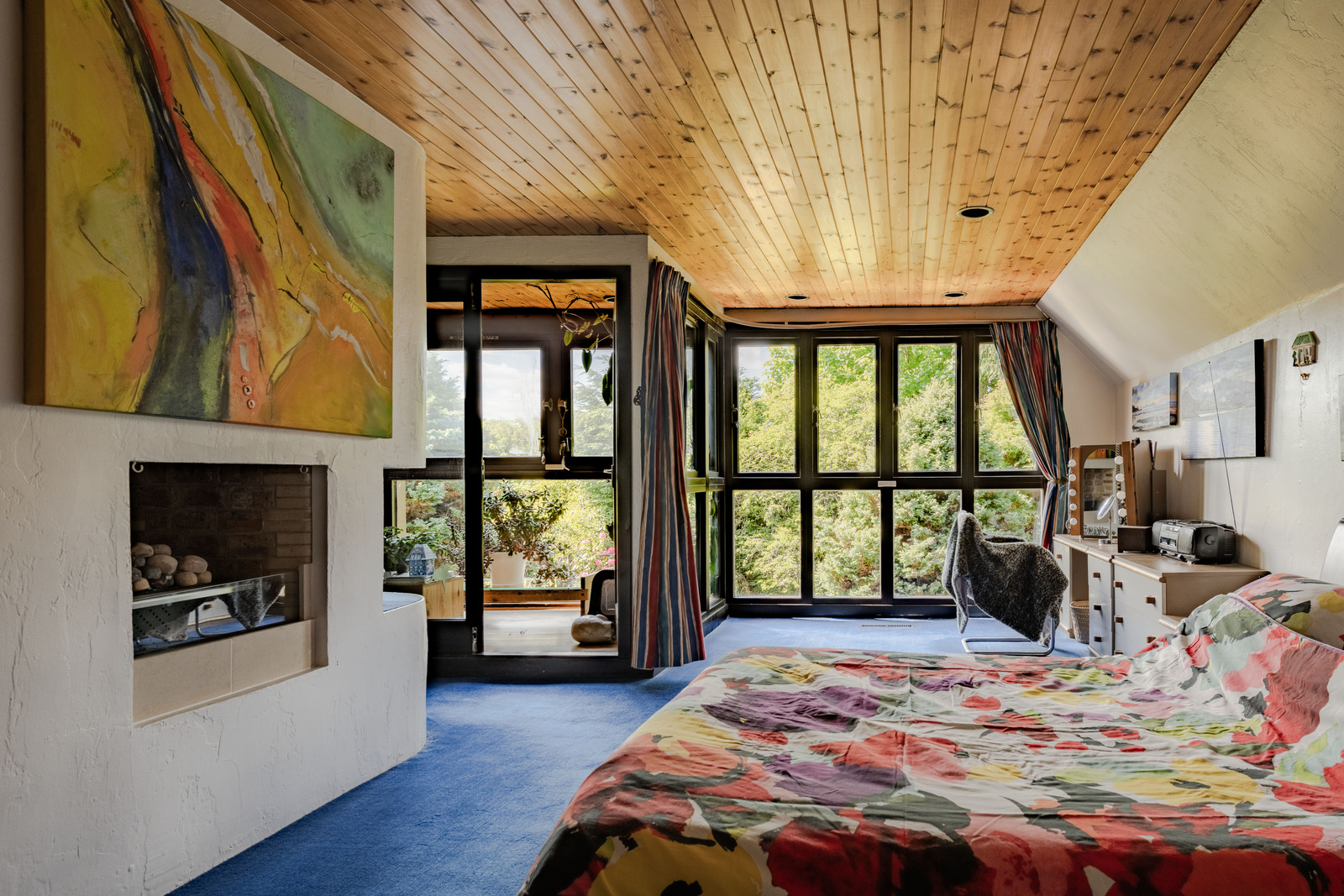
Barnton Gardens, Edinburgh, Scotland
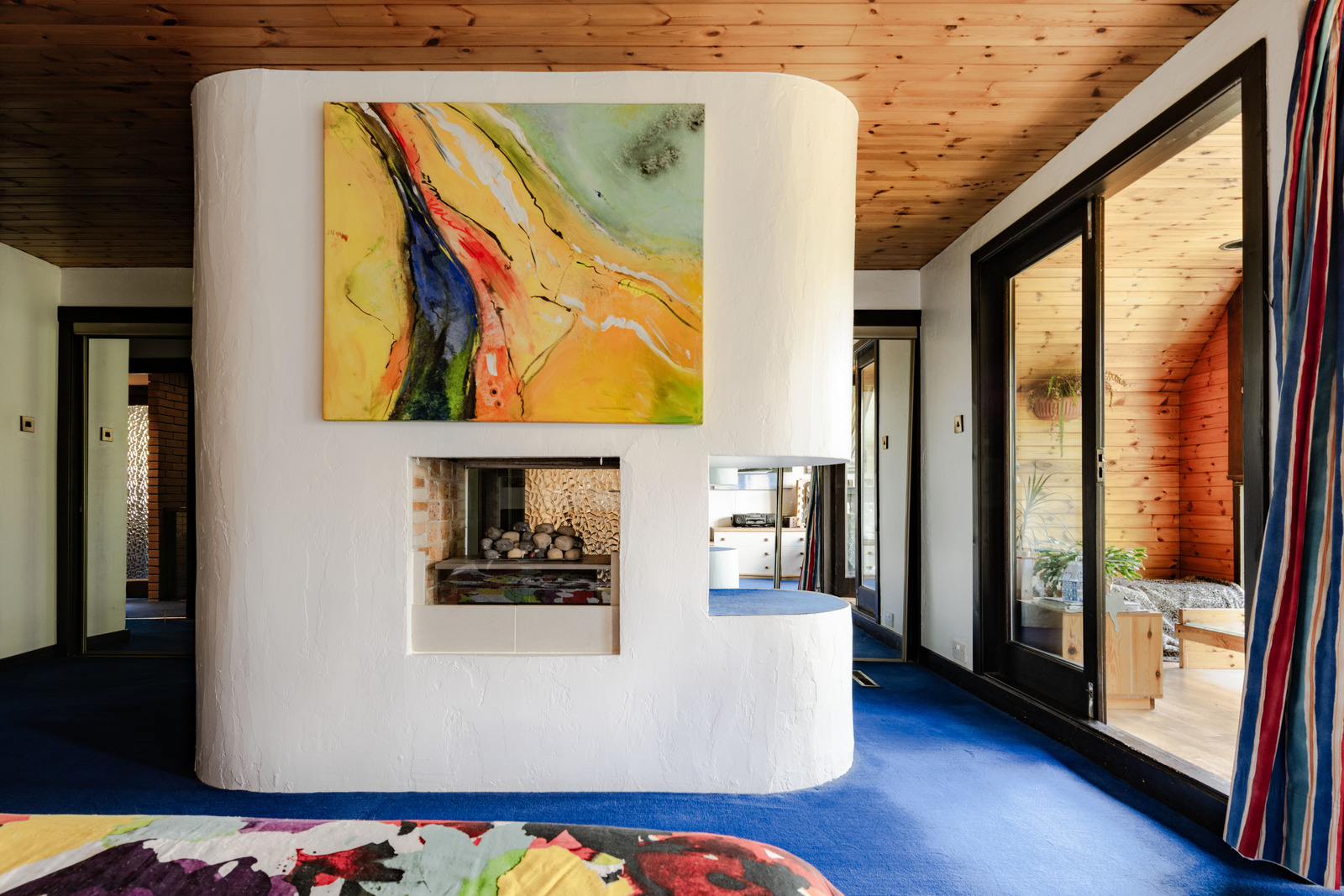
Barnton Gardens is an idiosyncratic home designed by Gareth Hutchison. Set into gardens filled with hydrangeas, ferns and wildflowers, the house is inspired by the architecture of mid-century southern California. Curved walls, Spanish terracotta tiles and pine-boarded panelling define the house, while a cylindrical open-tread staircase forms a focal point. Built in 1980, the house was a pioneering example of eco-friendly design, and originally served as a thermal efficiency show home for Scottish Gas.
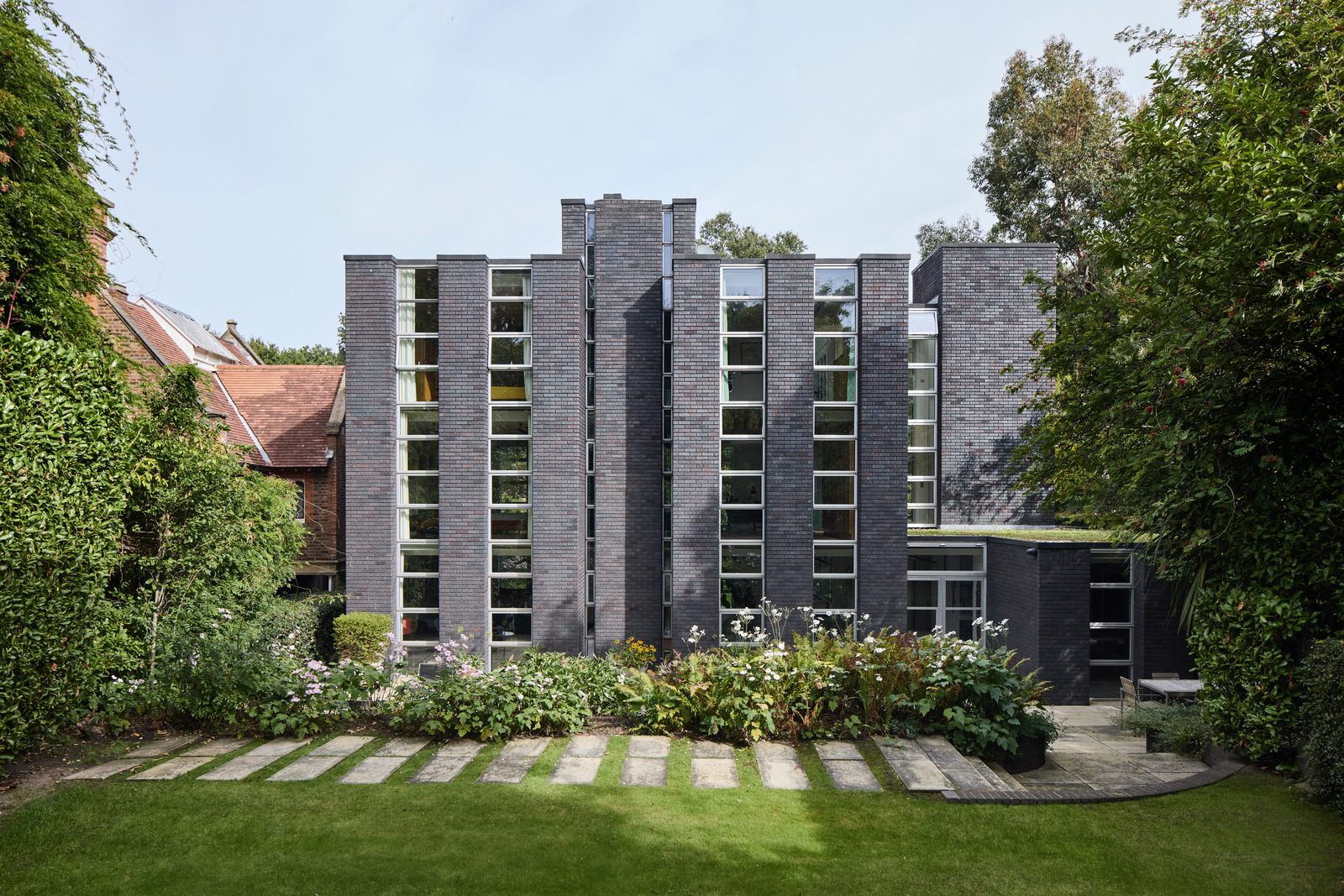
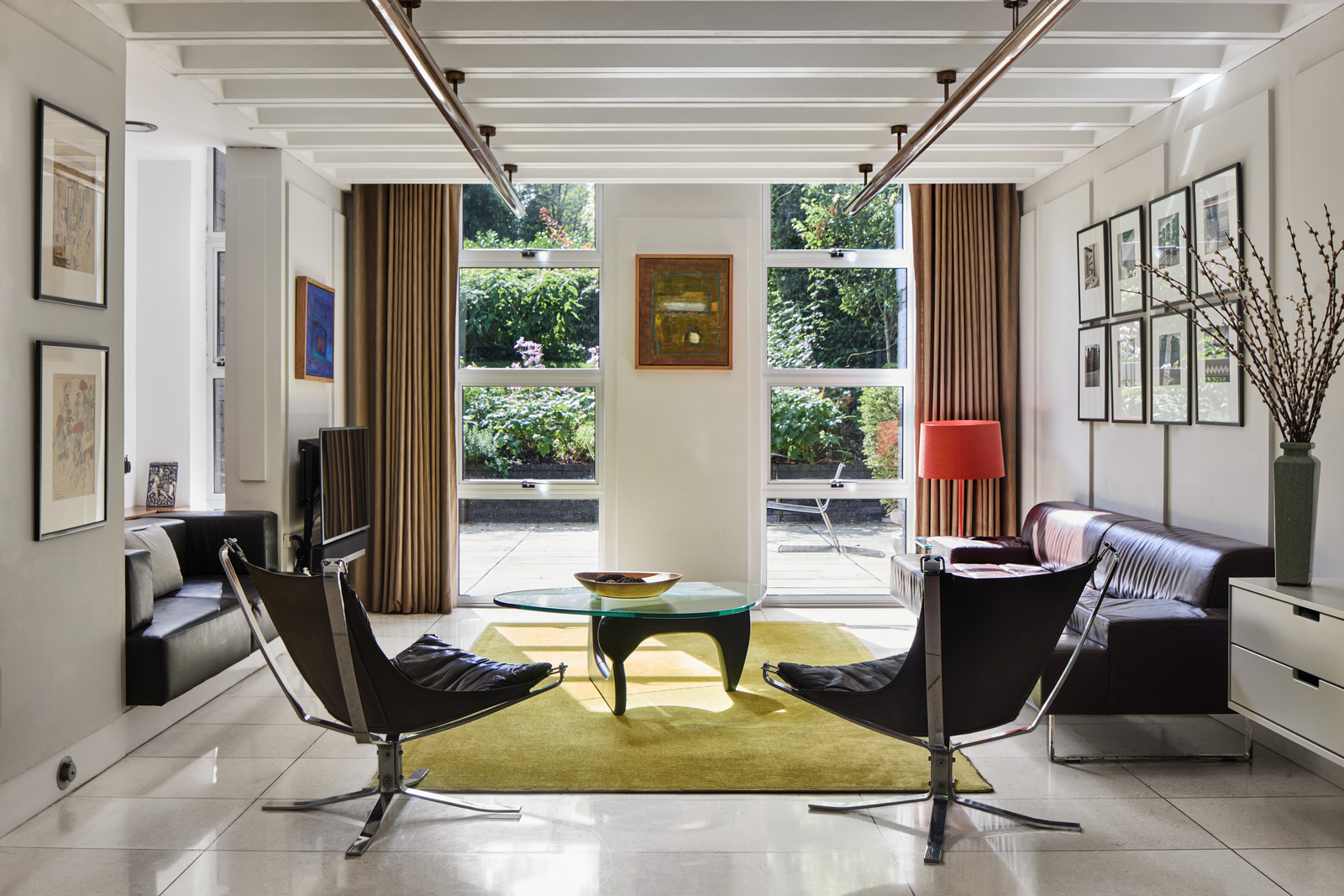
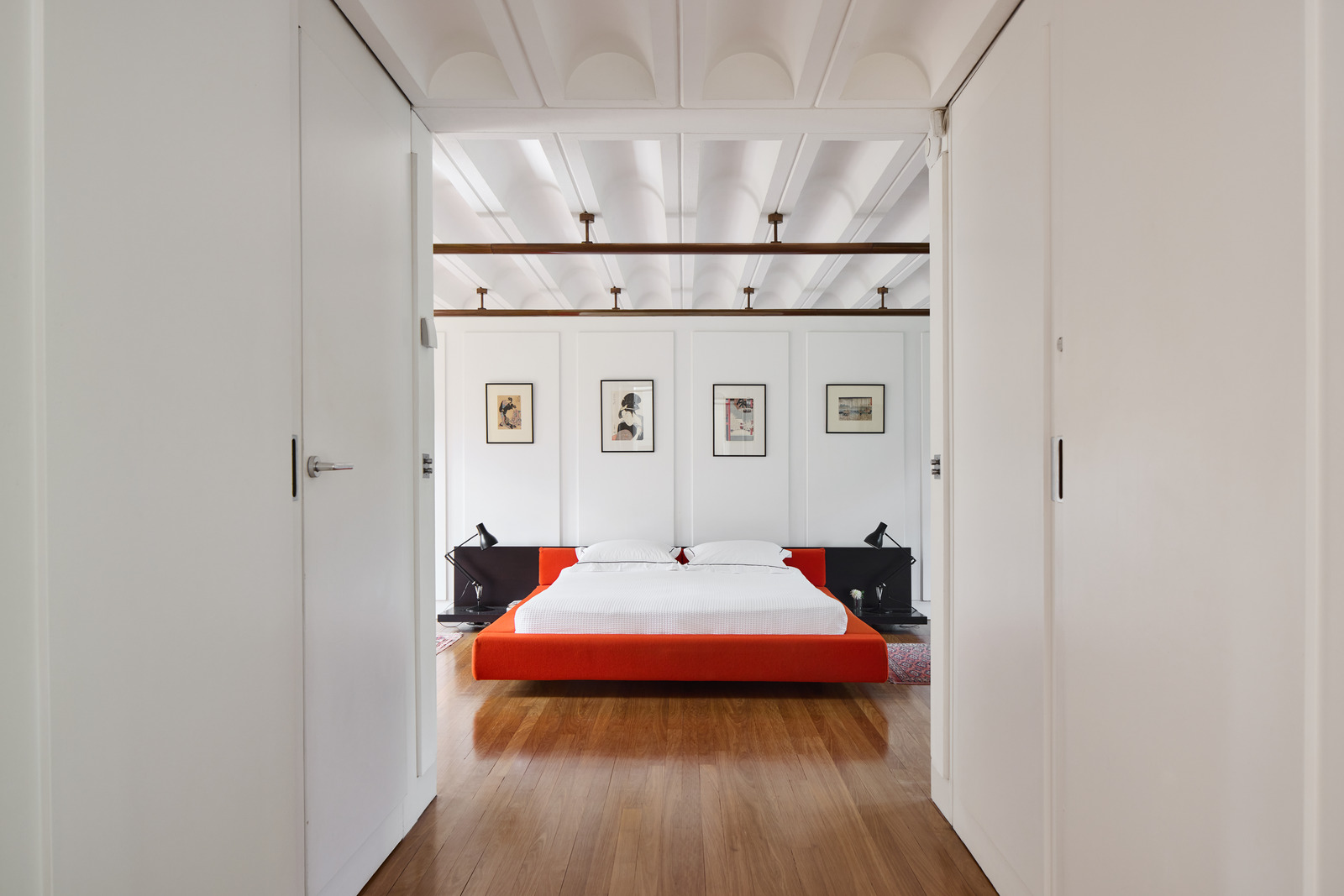
Schreiber House, London NW3
Described by Historic England as “one of the most significant town houses of the post-war period”, Schreiber House was designed by architect James Gowan for furniture designer Chaim Schreiber. Inspired by Scottish castles, its brick façade is reminiscent of crenellated turrets, and there is a “drawbridge” pedestrian entrance. This four-storey home retains much of its original built-in furniture, including steam-bent cabinetry and a teak and bronze dining table.