Sweet spot: the mid-century, candy-coloured apartment of James Hoy, co-founder of Uncommon Projects
June 16th, 2026
Words Wilhemina Madeley
Photography Rachel Ferriman
When James Hoy took on the challenge of finding the perfect home, he never expected to find ‘the one’ on a cold winter’s evening with a torch in hand. As a product designer and co-founder of Uncommon Projects – designers and makers of bespoke plywood kitchens – when he stumbled across a flat in a state of disrepair he immediately saw its potential. After reviving its original features and launching his own business, the apartment is now for sale.
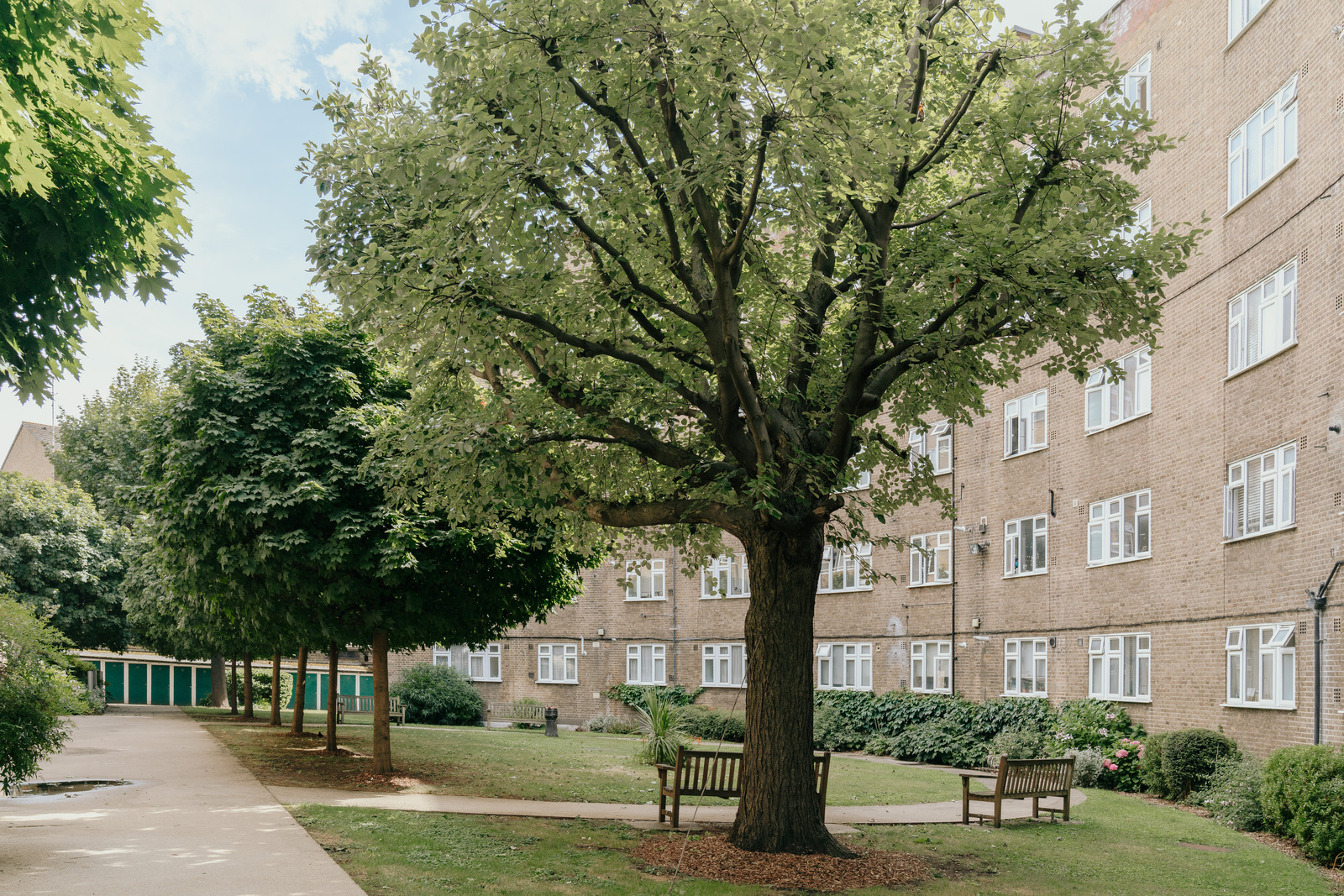
Benson House is a distinctive 1950s residential block situated just off The Cut in London's Waterloo. Despite suffering years of neglect, James was able to see past the old carpet and peeling wallpaper – many of its original features remained intact, including the curved moulded skirting that he went to great lengths to preserve. “What followed was many days of back-breaking labour,” he says, having chosen to undertake most of the work himself, with the help of his partner Flynn. His mission for the renovation was simple: "restoration rather than reinvention."
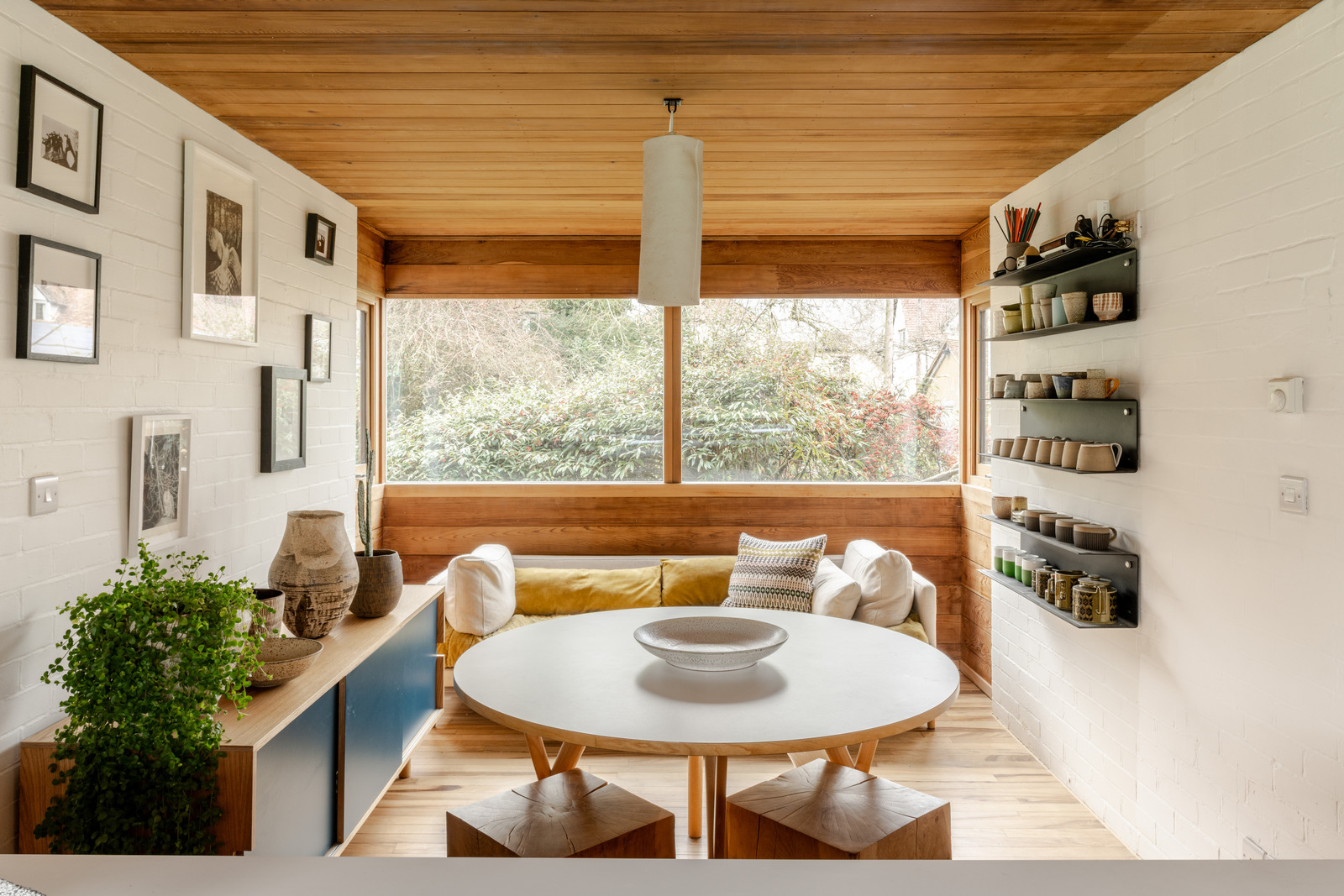
Today, it’s remarkable to think of the flat looking any other way. To say it stood as a ‘blank canvas’ for James’s designs, however, would be to overlook the distinctly modernist features that make a home like this so liveable. Each room branches off a central corridor; the ceilings are generous, and the rooms are well-proportioned. There are subtle details throughout that hint to its mid-century origins, like the dusty-brown quarry tiles that line the windowsills and the parquet block flooring that wears a patina of time.
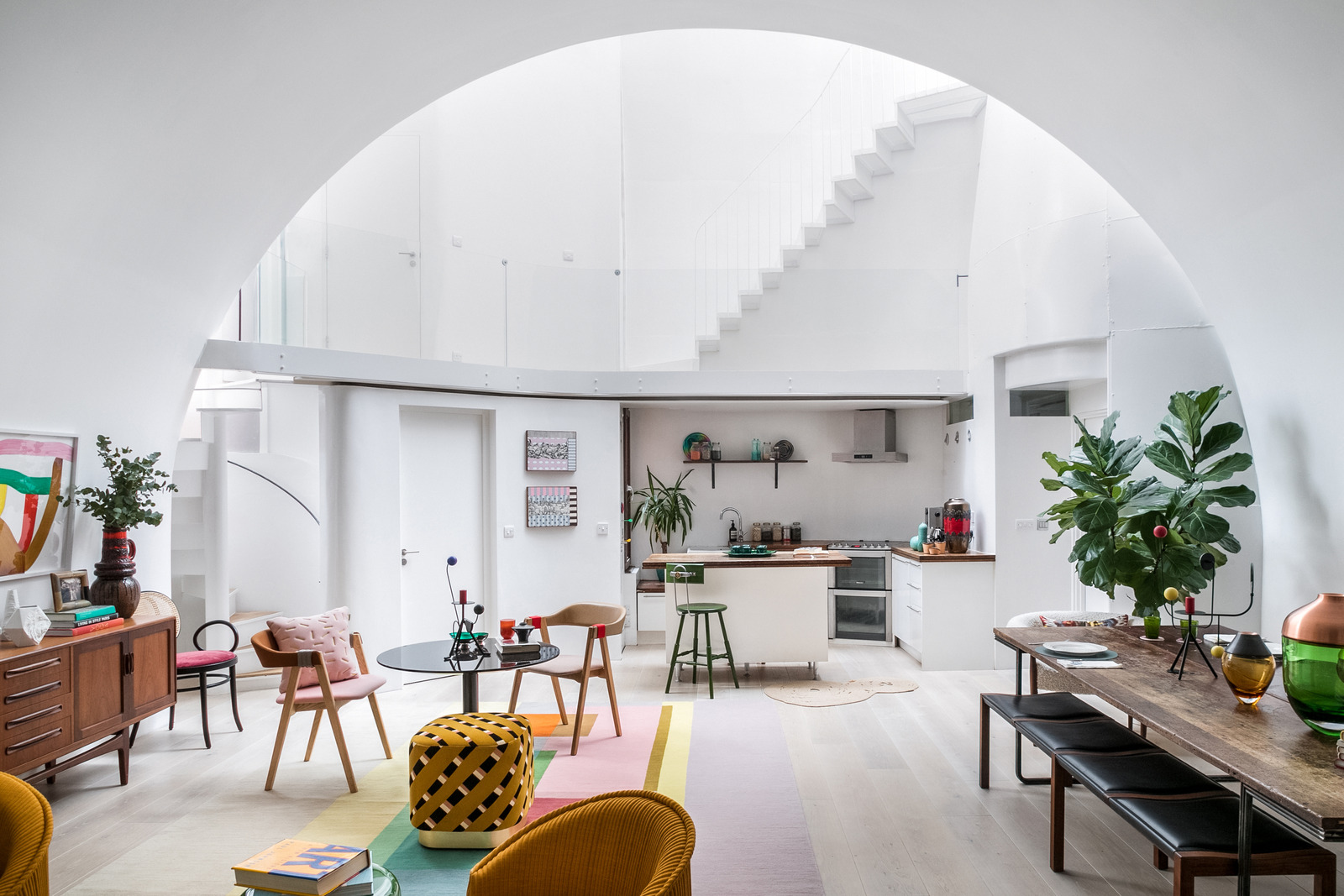
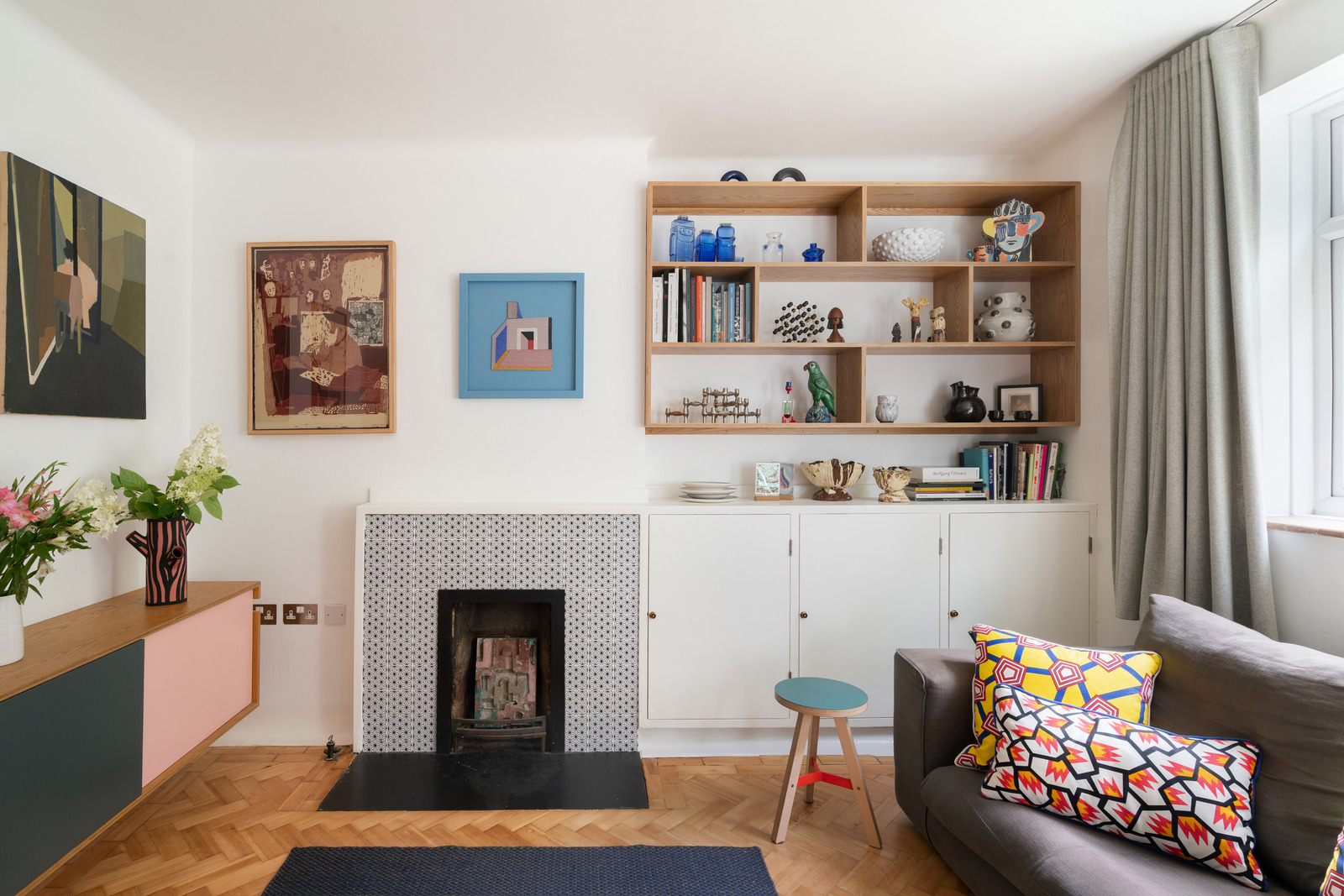
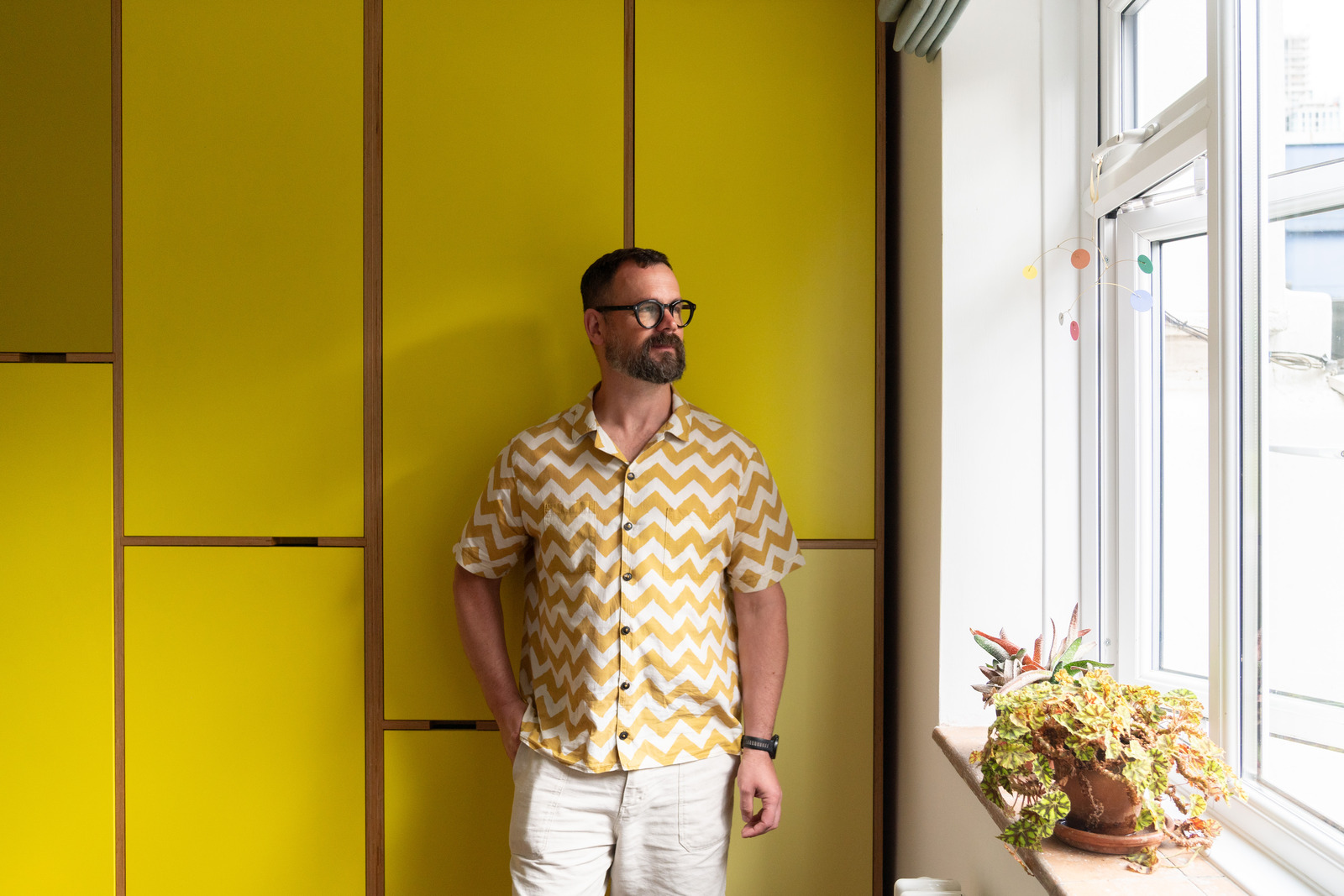
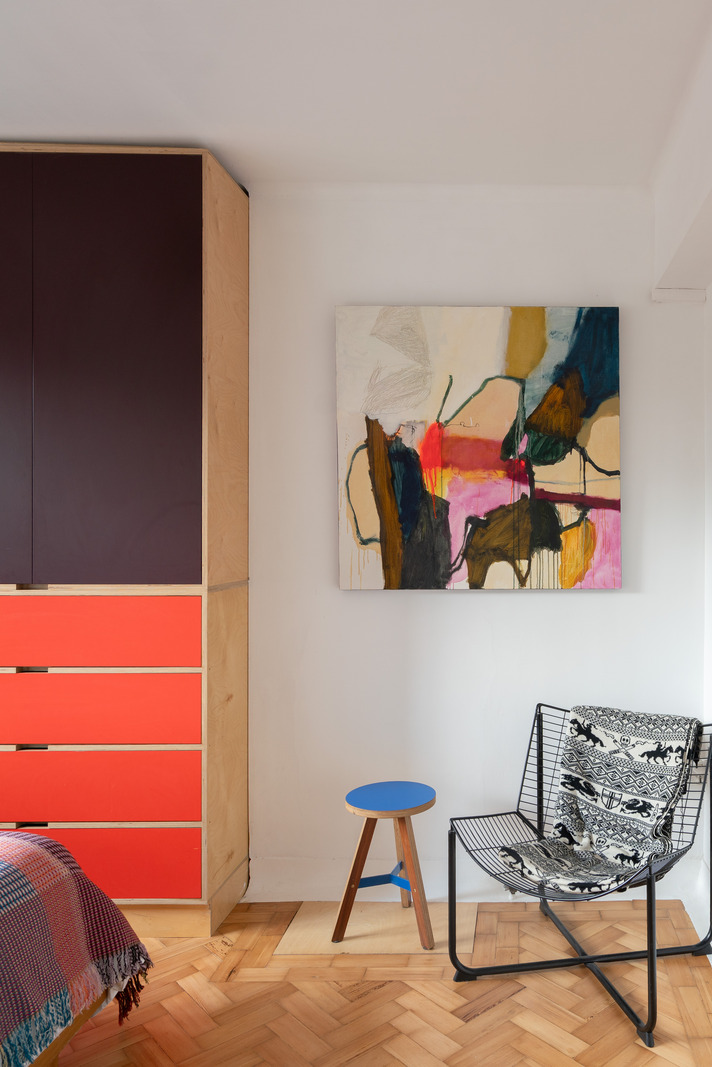
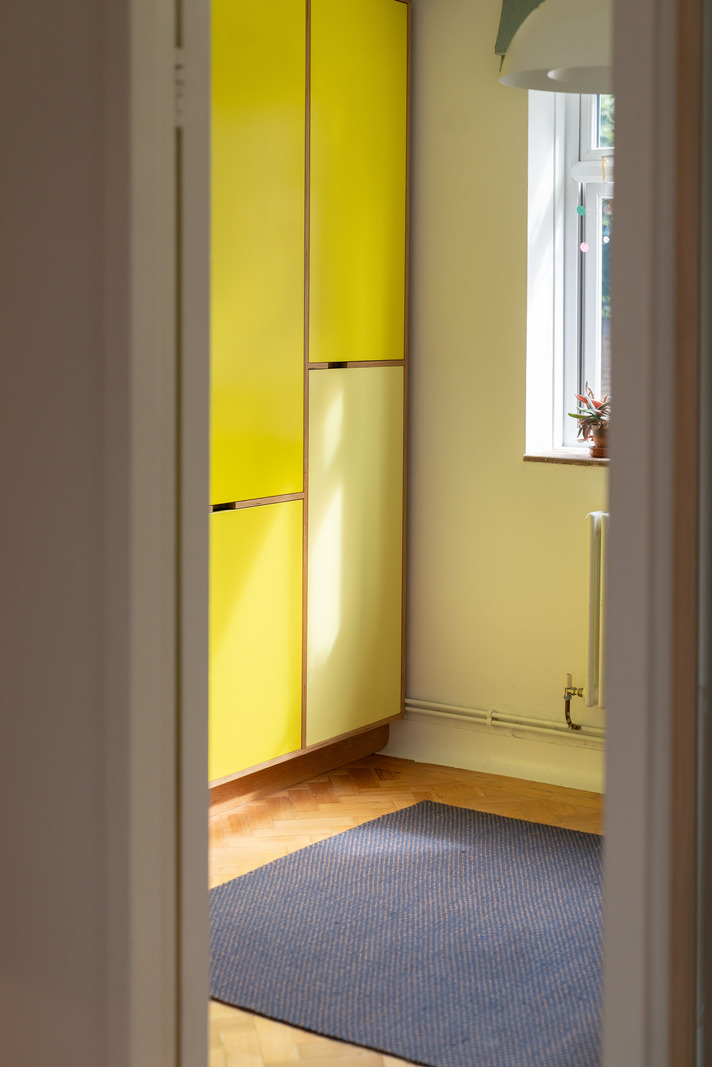
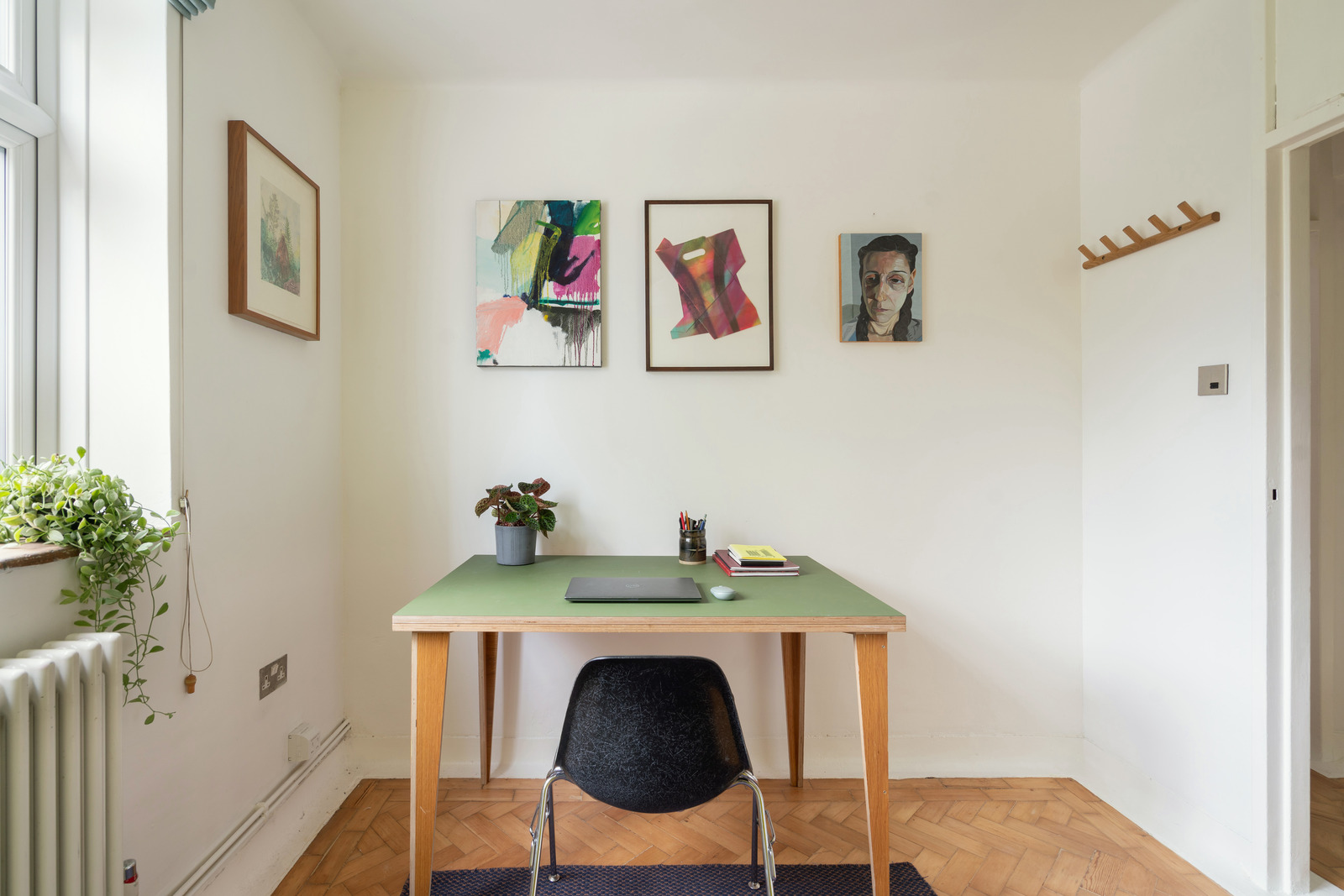
He has made clever use of vertical space and created ingenious built-in bookshelves and wardrobes. Many of the colours are surprising and confidently executed, given the walls’ neutral palette. The wardrobes in the study are acid yellow, framed with the designer’s signature exposed plywood edging, while there are splashes of petrol-blue and pink throughout the living area. These are the vibrant colour combinations you’d expect to see in a bag of Pick ‘n’ Mix, yet it doesn’t overwhelm the clean architectural lines of the building it resides within.
It makes sense that the flat in part inspired James to start Uncommon Projects, a name that has become synonymous with his distinctive, Tetris-like cabinetry, made from plywood. As his home comes to market, we discuss James' instinctual approach to colour, the cultural buzz of Waterloo and why the kitchen is his favourite room.
James Hoy: “Waterloo was a very different place in 2007 when I bought the flat. It was more of a cut-through for taxis than a destination, and so it was mostly overlooked by buyers. The Cut is now pedestrianised and lined with restaurants that spill out onto the pavements in the warmer months.
“Lower Marsh – once a somewhat grimy back street – is now full of great places to eat and buy food. I love the convenience of being able to walk to Oxford Street in 20 minutes or wander to Borough for groceries or coffee. When friends visit, I’m reminded how much the area has to offer – as we take a walk along the Southbank, or pop into the Tate Modern bar for a coffee and views over London.
“I suppose the flat was one of the inspirations for starting Uncommon Projects with Alan [Drumm]. We had both recently bought new homes and neither of us could find furniture that we wanted to live with.
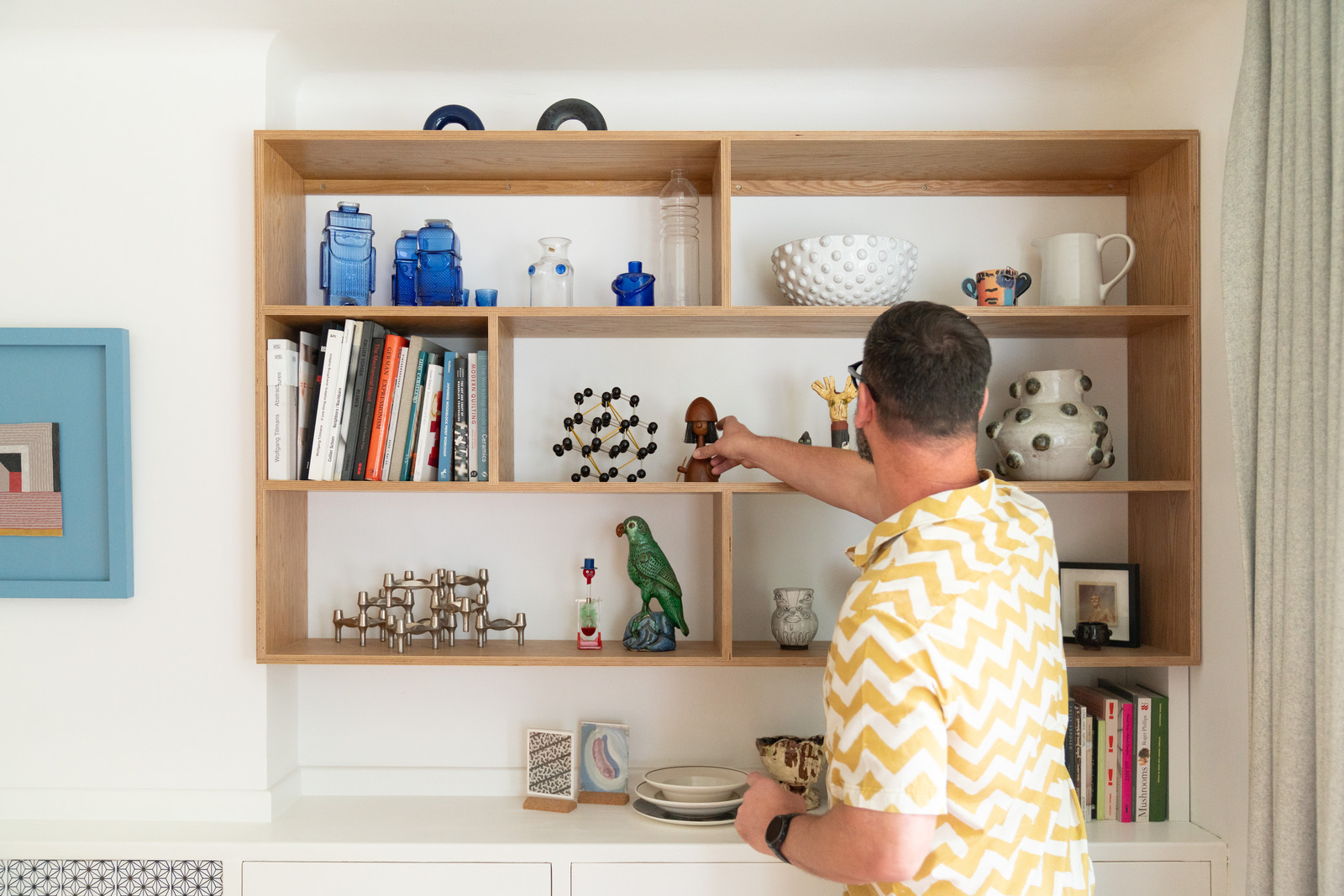
“We were looking for a combination of quality materials and good design. I had a background in art and product design, and Alan was an architect. With our combined skills, we worked out how to make what we couldn't buy. We’ve never stopped evolving, but the Uncommon Projects' DNA hasn’t changed significantly since we created our first shelving and kitchen.
“I grew up in a colourful house. My Mum was always repainting furniture, decorating, or making and wearing vibrant clothes. I remember once, as a toddler, helping her paint the living room a bright sunny yellow and thinking it was the best thing ever. I guess my love of colour must come from there.
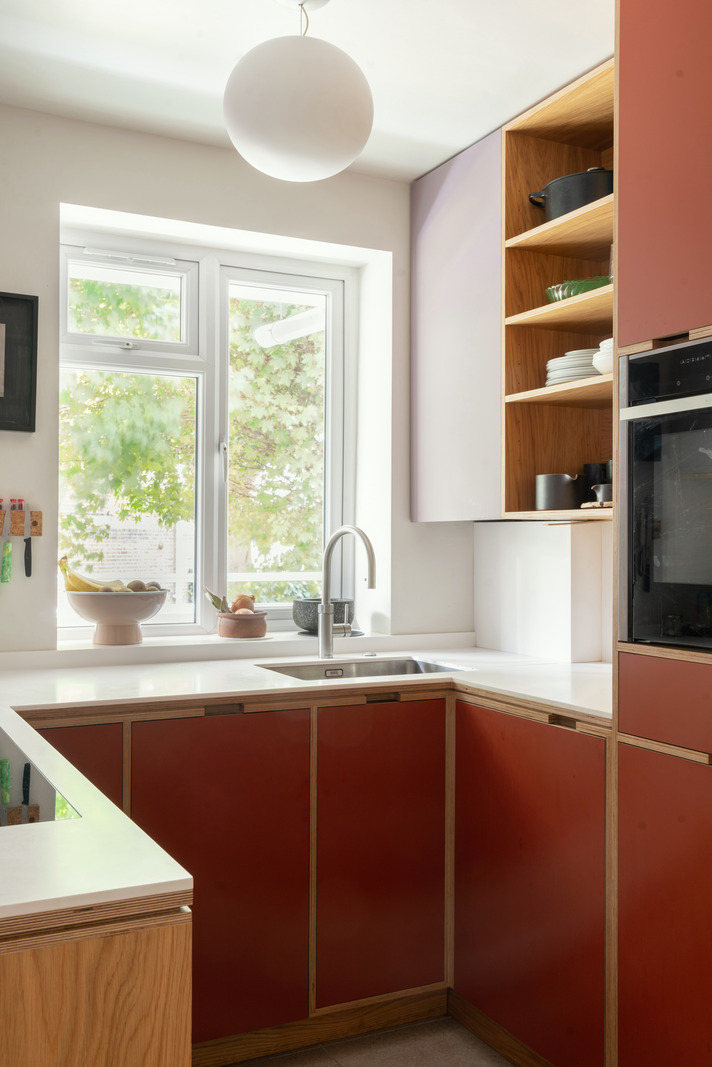
“The palette in the flat has evolved over the years. Sometimes the decisions happen instantly, sometimes it takes days of sitting in the space with samples. The terracotta and lilac colour scheme for the kitchen was almost instantaneous. I was sat with Alan and our designers at work, along with my partner, Flynn. One of us picked up the terracotta and I fell in love with it. Then someone else picked up the lilac. It's an unexpected pairing, but it just clicked. It felt joyful and right for the space.
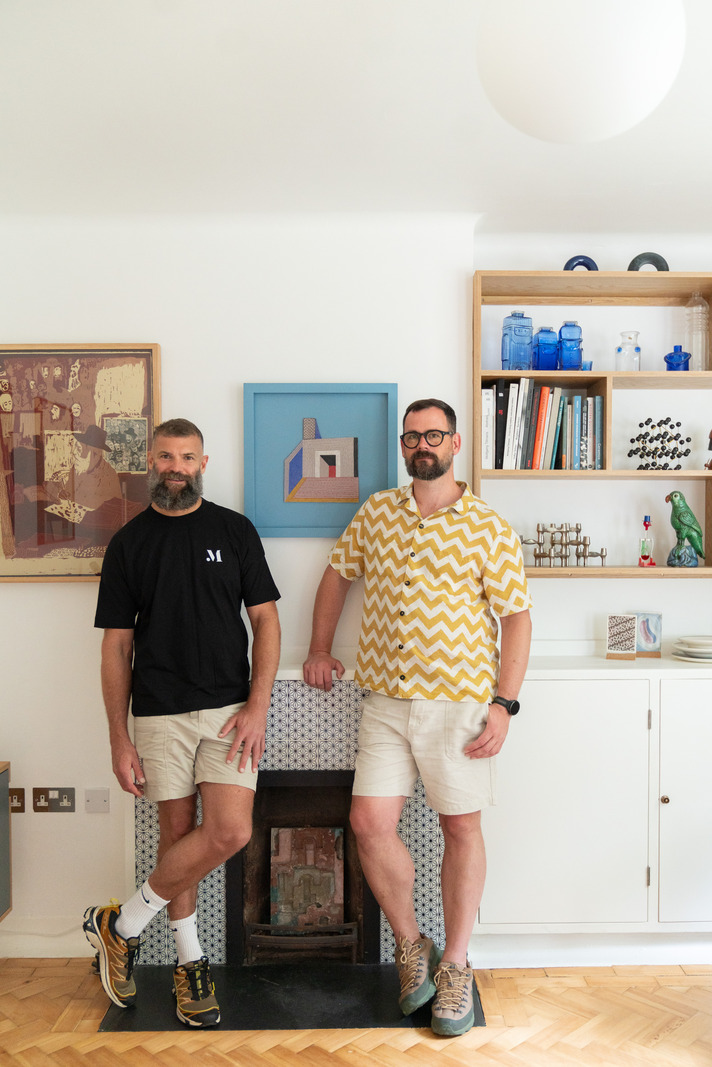
“The furniture represents the Uncommon story in many ways. Some of it dates to the very early days when we were just forming the company. The maroon and red wardrobes, for instance, were made when Alan and I were working evenings and weekends outside of our day jobs.
“The kitchen went in just last year. It transformed the room with its ample storage and functionality. I think it’s my favourite room at the moment and a joy to cook in.
“When we started Uncommon Projects, the concept felt so natural to us, but looking back now, I realise that we were doing something quite unusual. We had a lot of press at the time, likely because no one else was really working with plywood in the same way. Our clients were often designers and architects, or people who grew up in mid-century homes and felt a nostalgic connection to ply.
“Over time, more and more people have come to appreciate just how robust and high-quality the material is, especially for kitchens. Today, our clients come from all walks of life. What we’ve always aimed to show is that well-crafted plywood furniture can feel just as at home in a Georgian villa as it does in a modernist flat, like this one.”