The art of repair: a creative retreat hidden deep in Devon's Exe Valley
January 29th, 2026
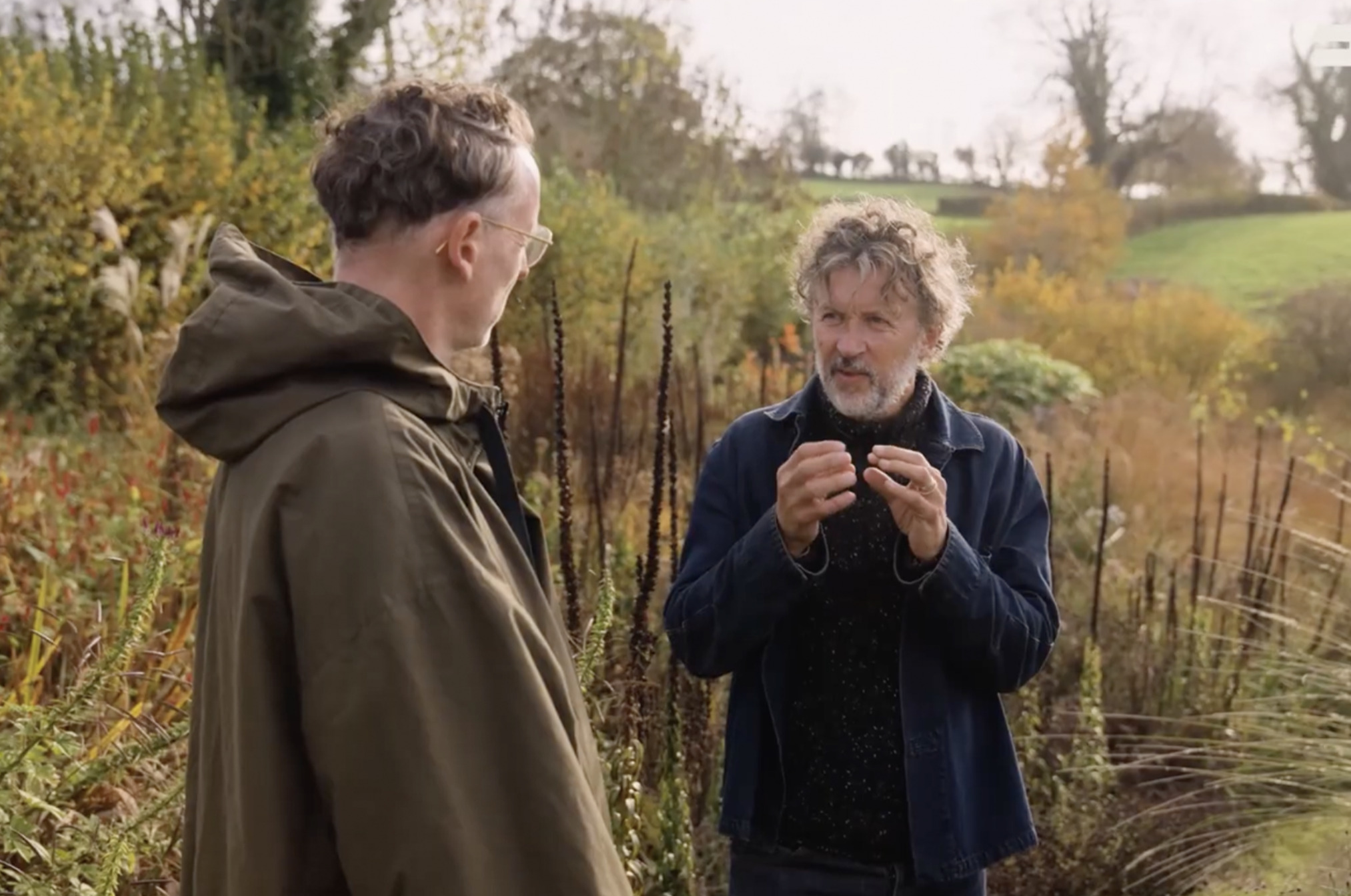
Words Lily le Brun
Photography Paul Whitbread
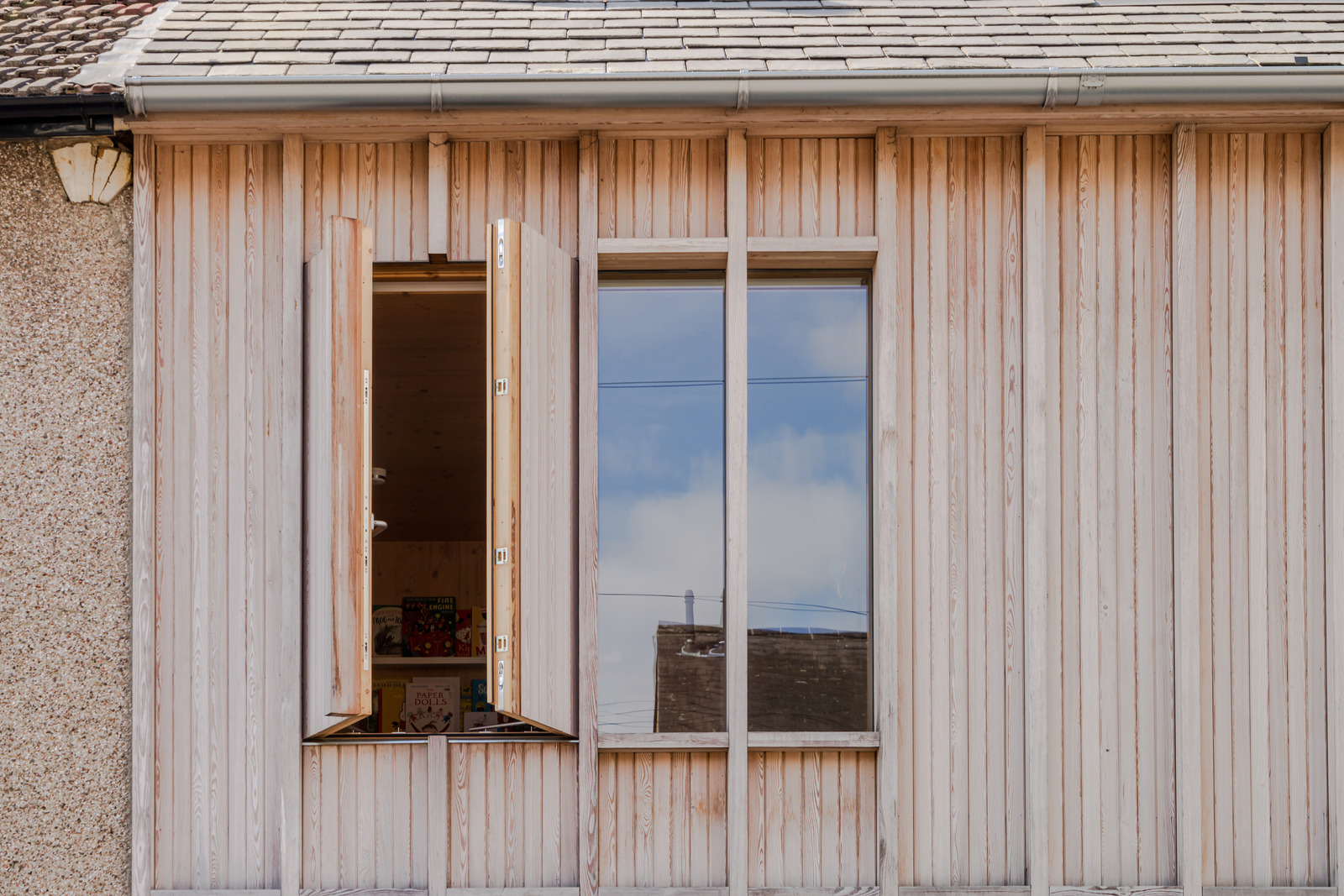
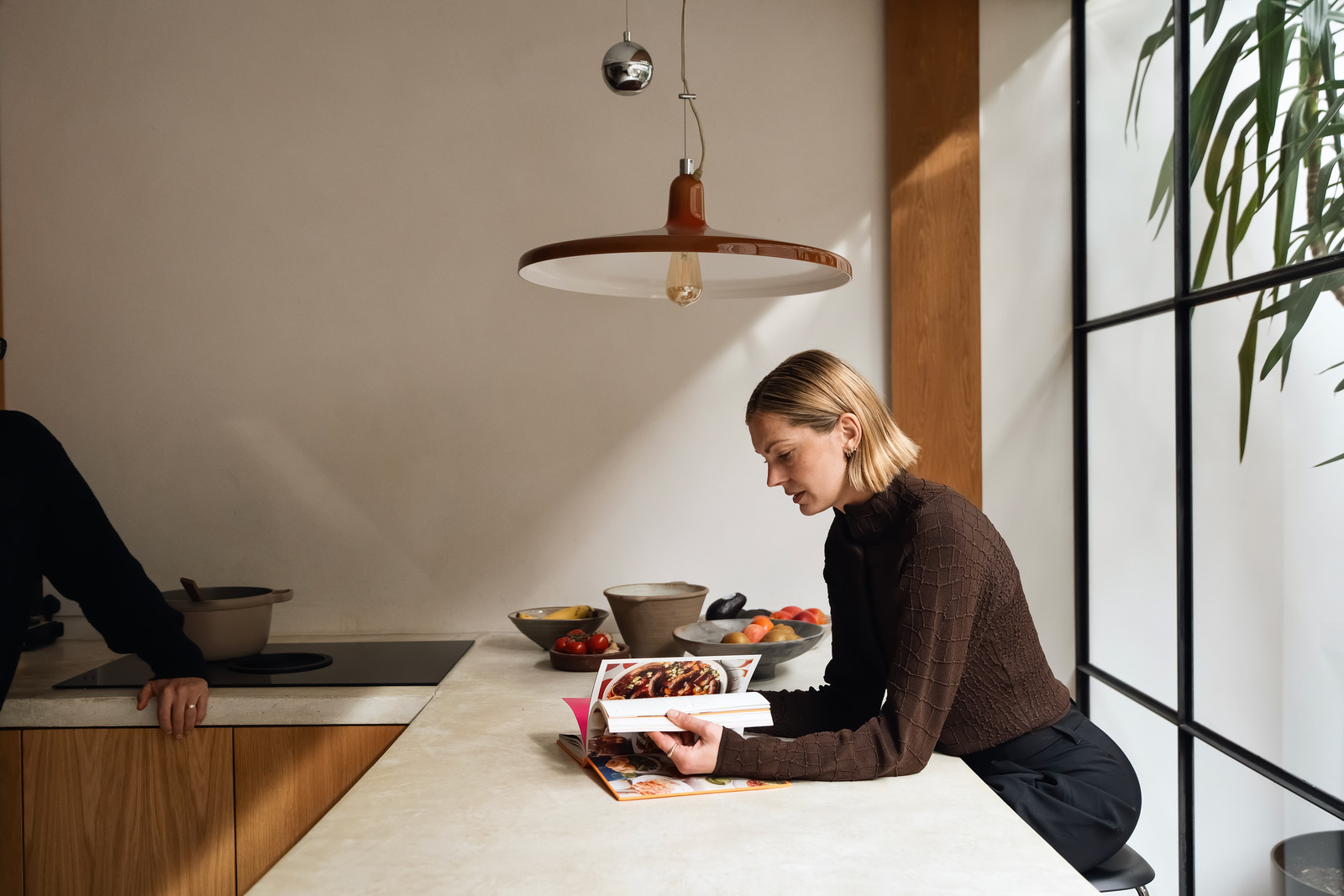
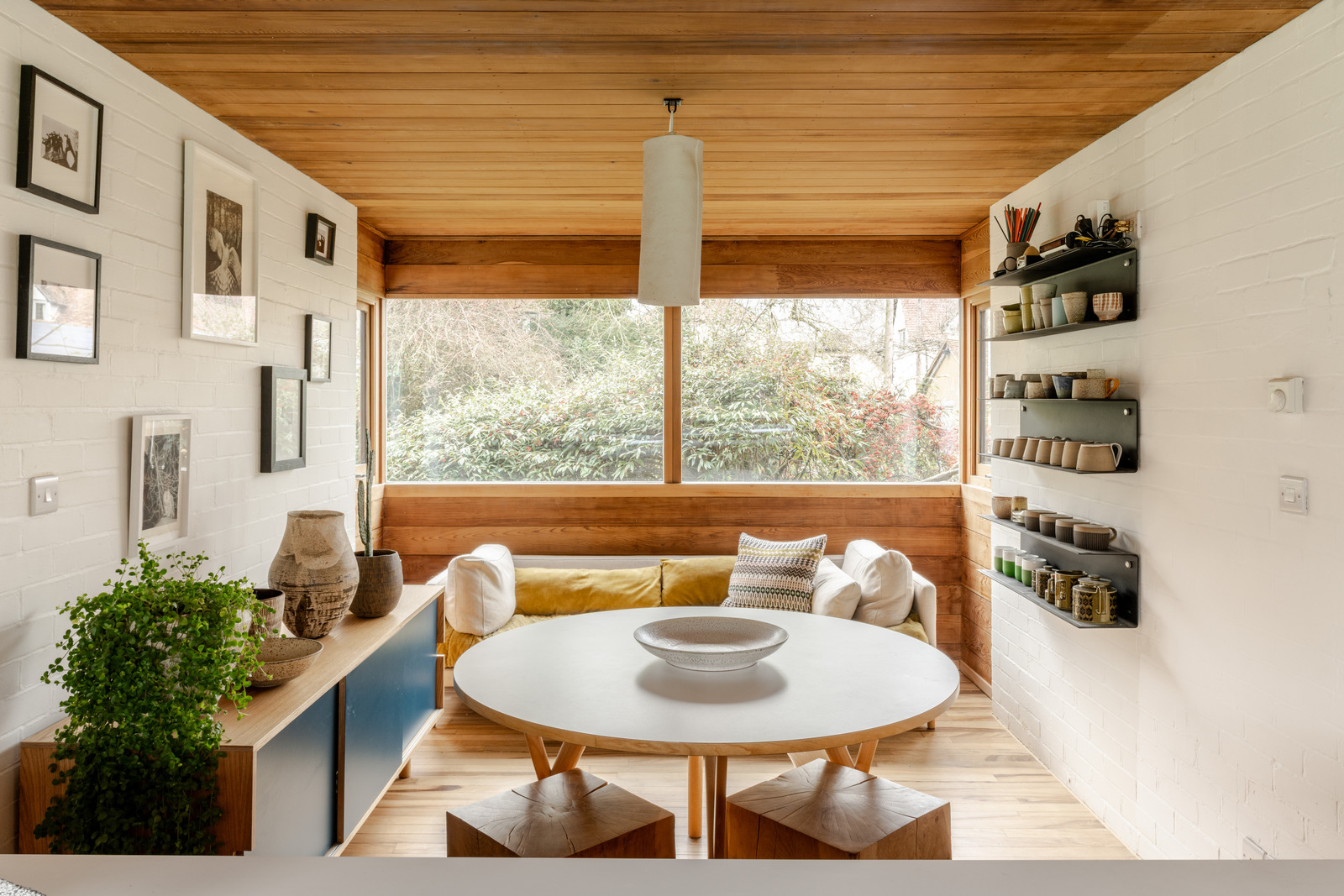
Artists Leila El-Kayem and Sophie Mayer had been living a global, urban life before they stumbled across an abandoned Victorian walled garden and a few dilapidated outbuildings in Devon in 2020. Entranced by the wildness of the garden and its beautiful surroundings in the Exe Valley, they set about patiently transforming a derelict squash court and boiler room into a two-bedroom home and painting studio, with Leila doing much of the design herself.
“It was definitely a labour of love,” they say – involving three years of staying with friends and family, and even in a Norwegian-inspired teepee made from Devonshire pine. But the result fulfilled their vision of a place that works as well for entertaining as it does for retreating and working – both artists are clear that living here has inspired and developed their creative practices. Designing the living spaces to retain a tangible connection with the outdoors, they have managed to preserve the sense of ferality that so enchanted them when they first discovered the place – so much so that when talking about their home, Leila and Sophie refer to it not as “the house”, but as “the garden.” Now for sale, the couple look back on the transformation of this forgotten pocket of wilderness into an inspiring home and studio.
Sophie: “When we flew from Berlin to look at the house and saw this garden in August, it felt magical. It was so unique; we’d not encountered anything like this on our searches. There's something about walking into an untamed space that gives you permission to become untamed yourself. It reduced us back to an instinctive way of living, and that became very humbling and formative for both of us. We don't have to do much to keep it feral because we're in the beautiful Exe Valley. There's shooting stars, full moons, owls, woodpeckers and pheasants pottering around the garden ...”
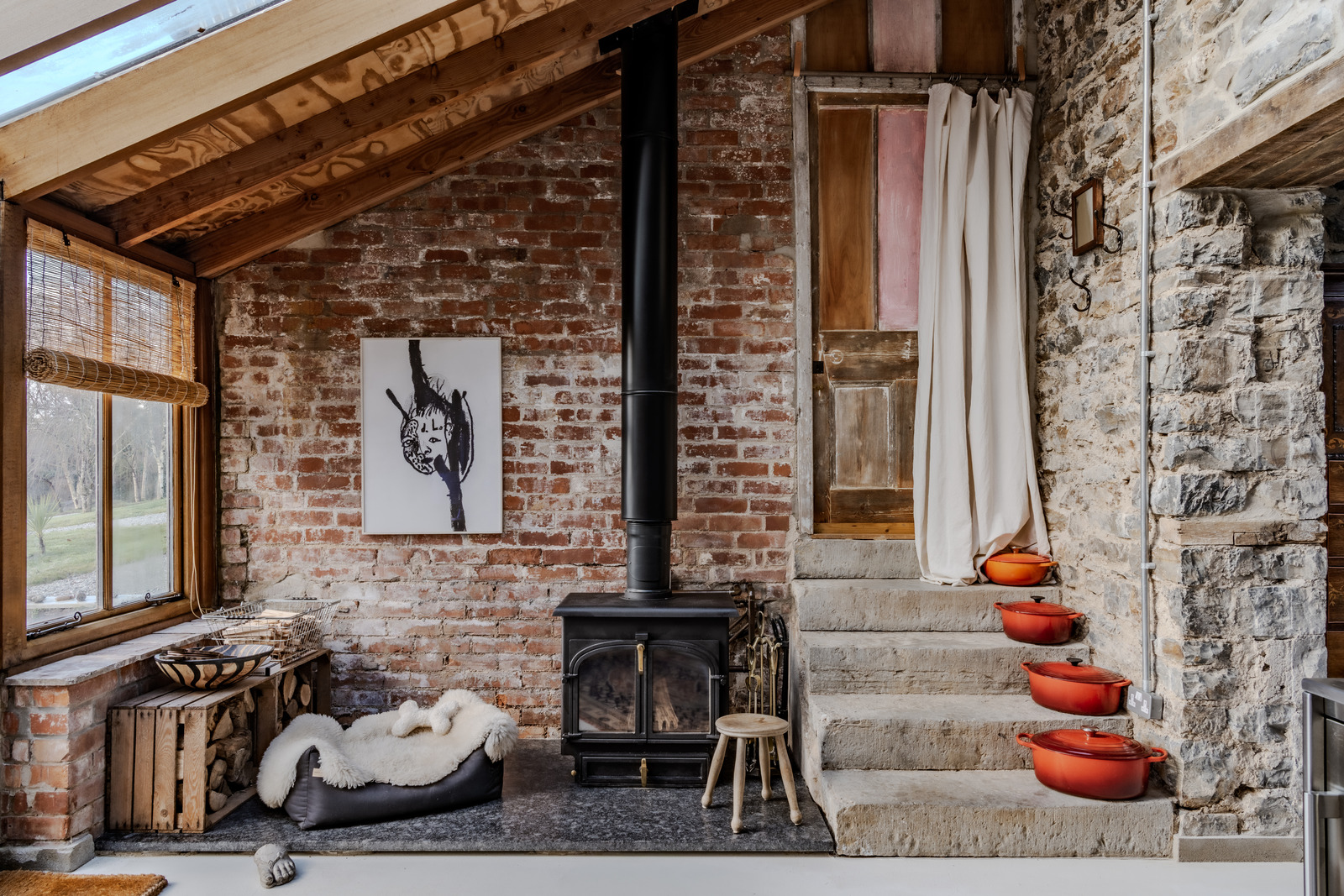
Leila: “We wanted to retain as much as possible of what was already here, so we worked with the existing materials to make sure that we honoured what came before us, preserving the romanticism of the ruin. We haven't knocked anything down. We just tried to keep the integrity of what's here and slowly repair it.
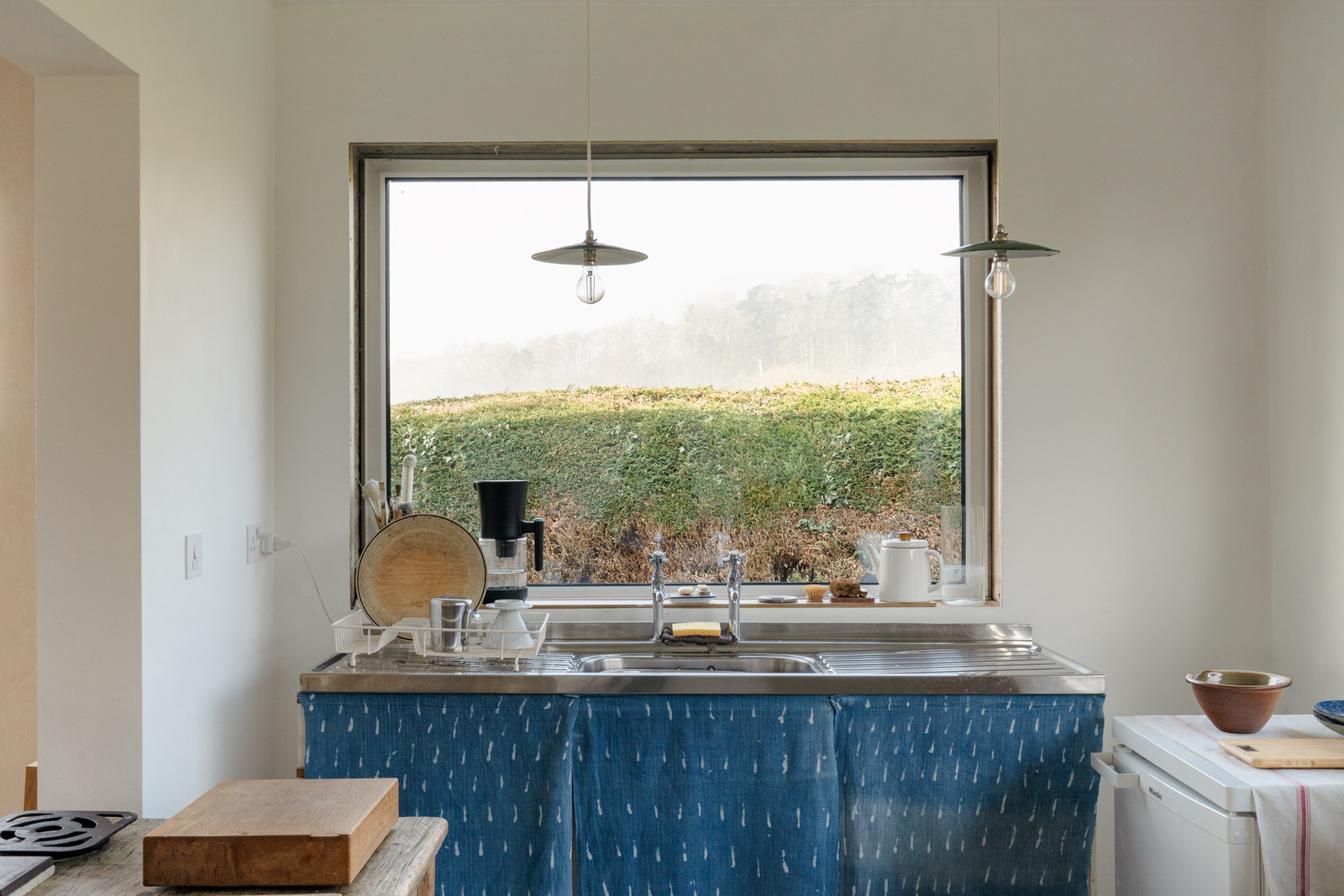
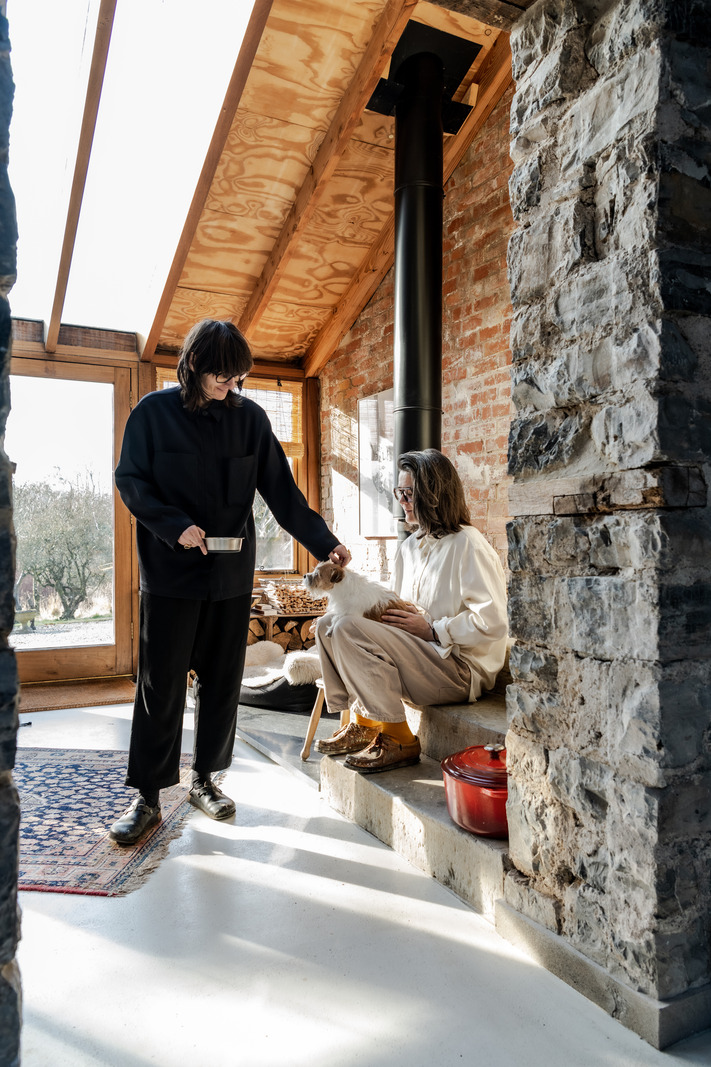
“When we first moved here, we got in contact with McLean Quinlan architects, who we felt shared our values and love of materials. We got planning permission to build a new architectural home – an additional annexe, or another artist’s studio – but decided to start with the existing structures. I worked with the builders to design and plan the layout of what we call the bothy (the old boiler house), as well as the lean-to sheds. We worked with the materials that were here, developing – or rather repairing – it into a two-bedroom, two-bathroom home.
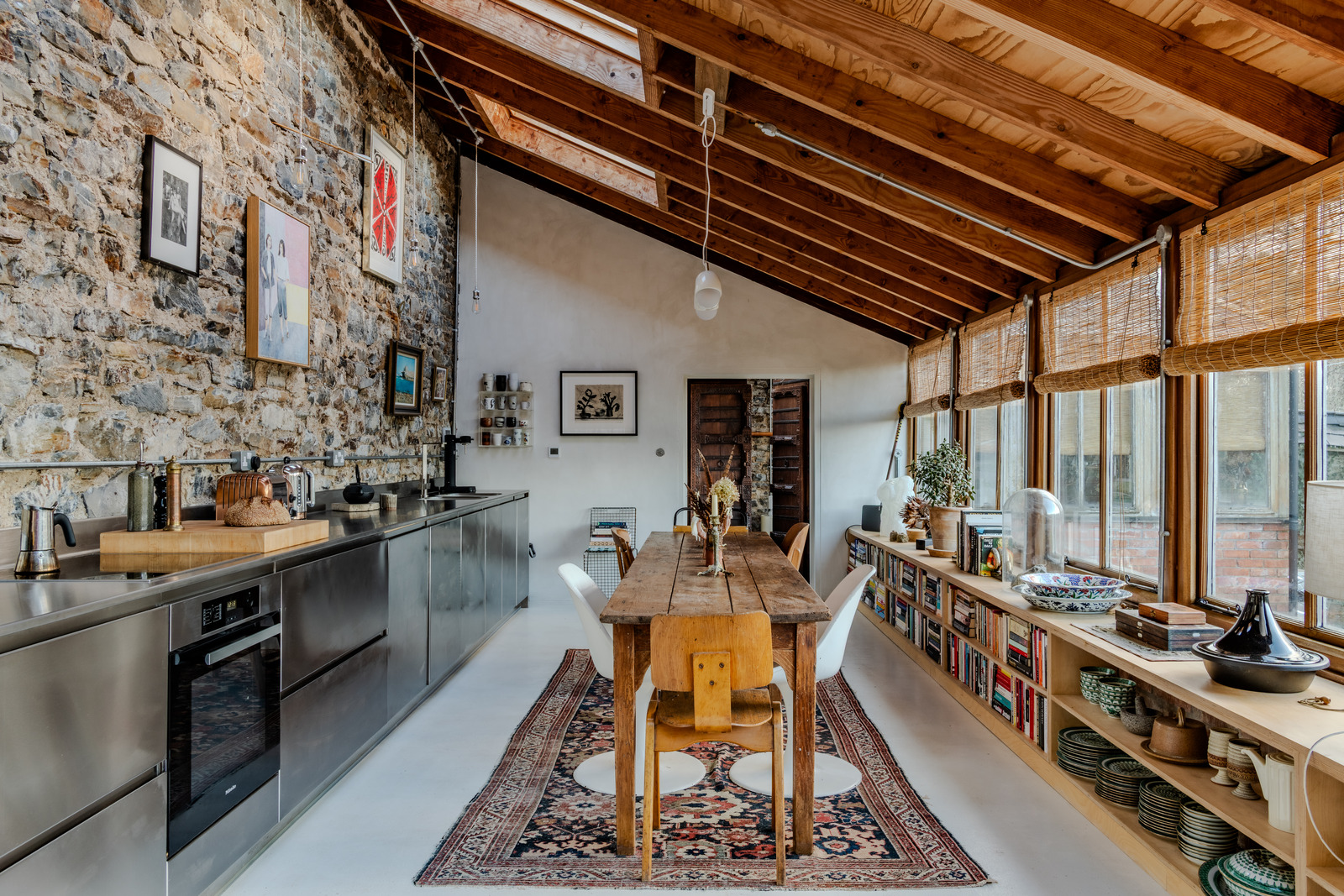
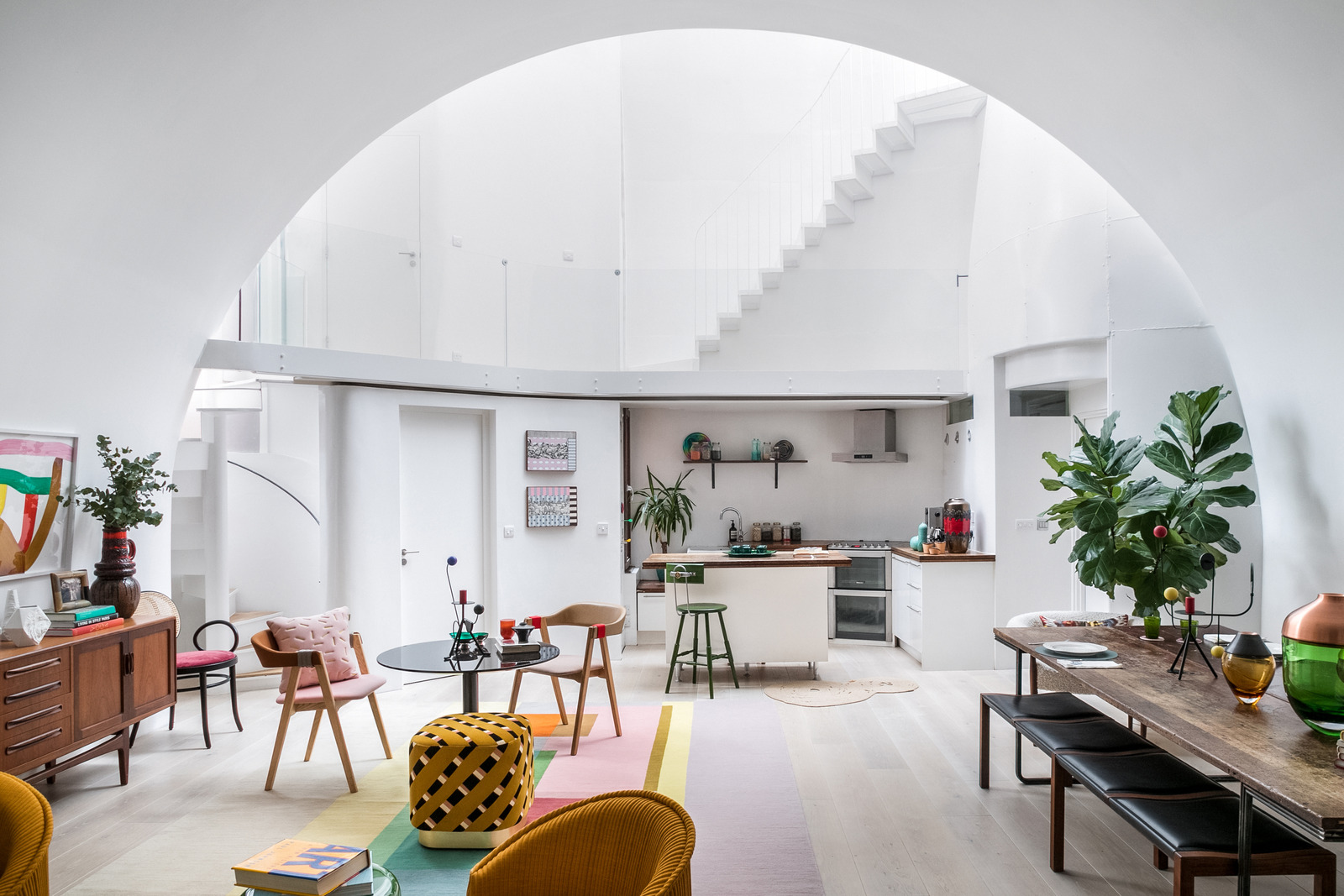
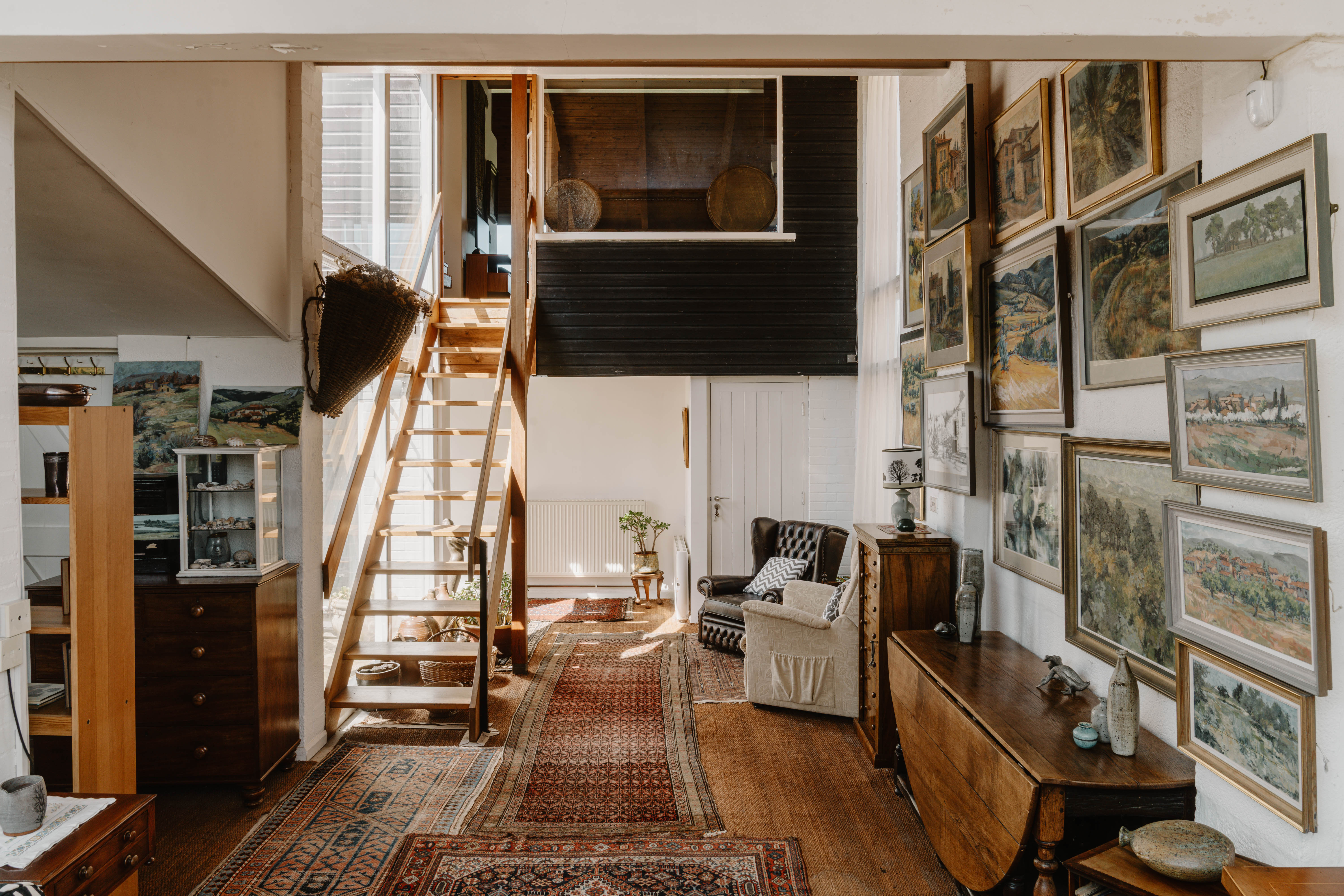
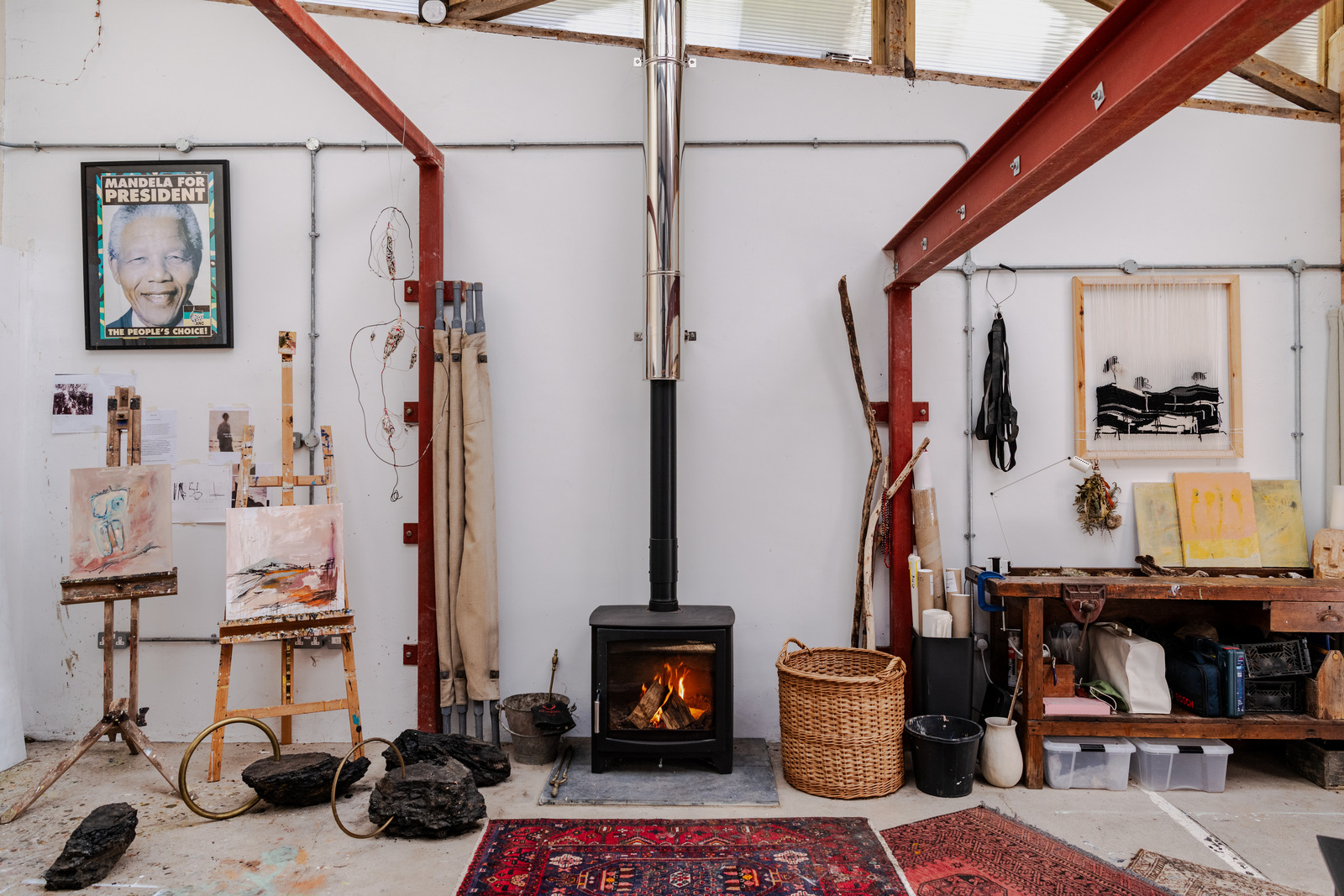
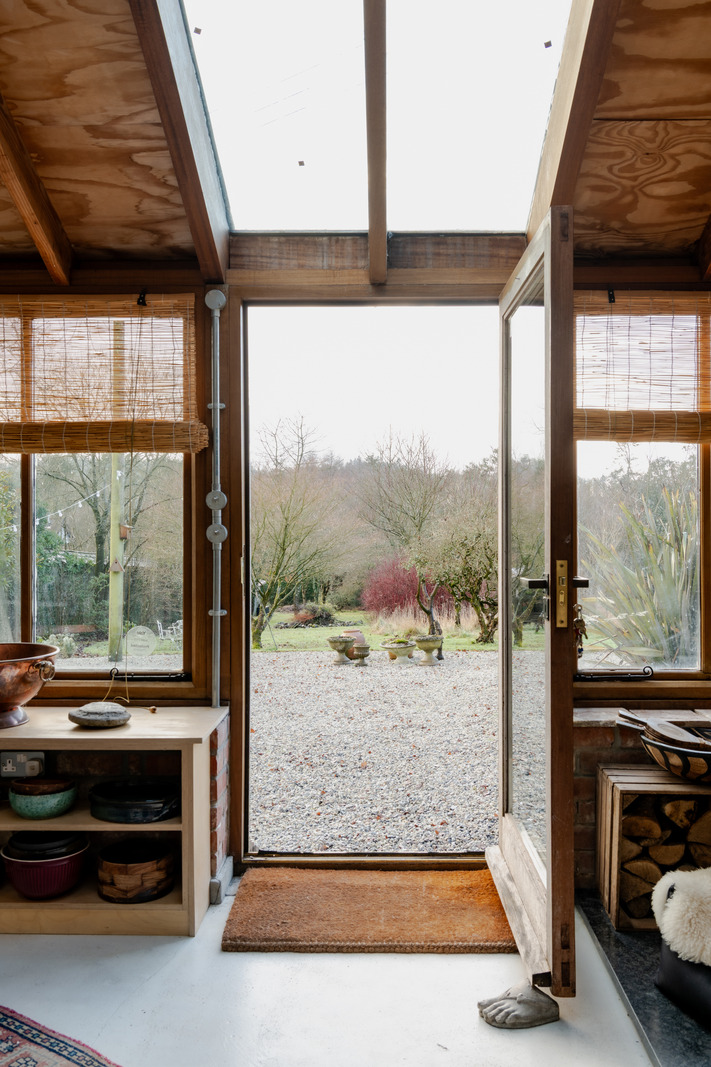
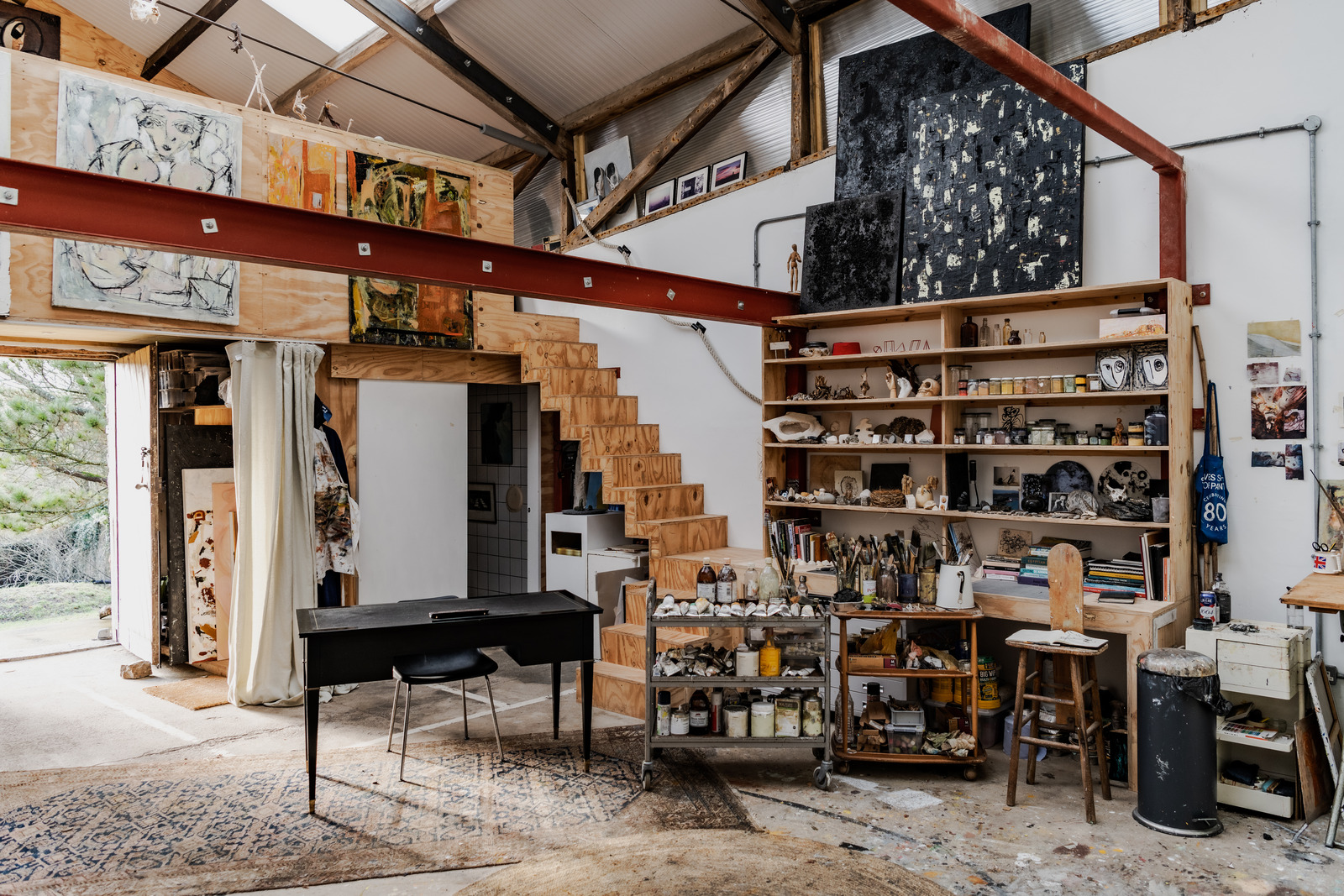
“We then put a new roofing structure on top of the old greenhouse, which had completely collapsed, and turned that into a gathering space for entertaining. Lastly, we repaired what was the squash court into an artist’s studio, retaining all the original features and the double-height ceiling, and adding a mezzanine. This is now where Sophie paints.”
Sophie: “The larger scale of the studio has allowed me to increase the size of my paintings and bring a larger gestural act and a physicality to the works themselves. It’s increased my confidence, giving me space, time and permission to be brave.”
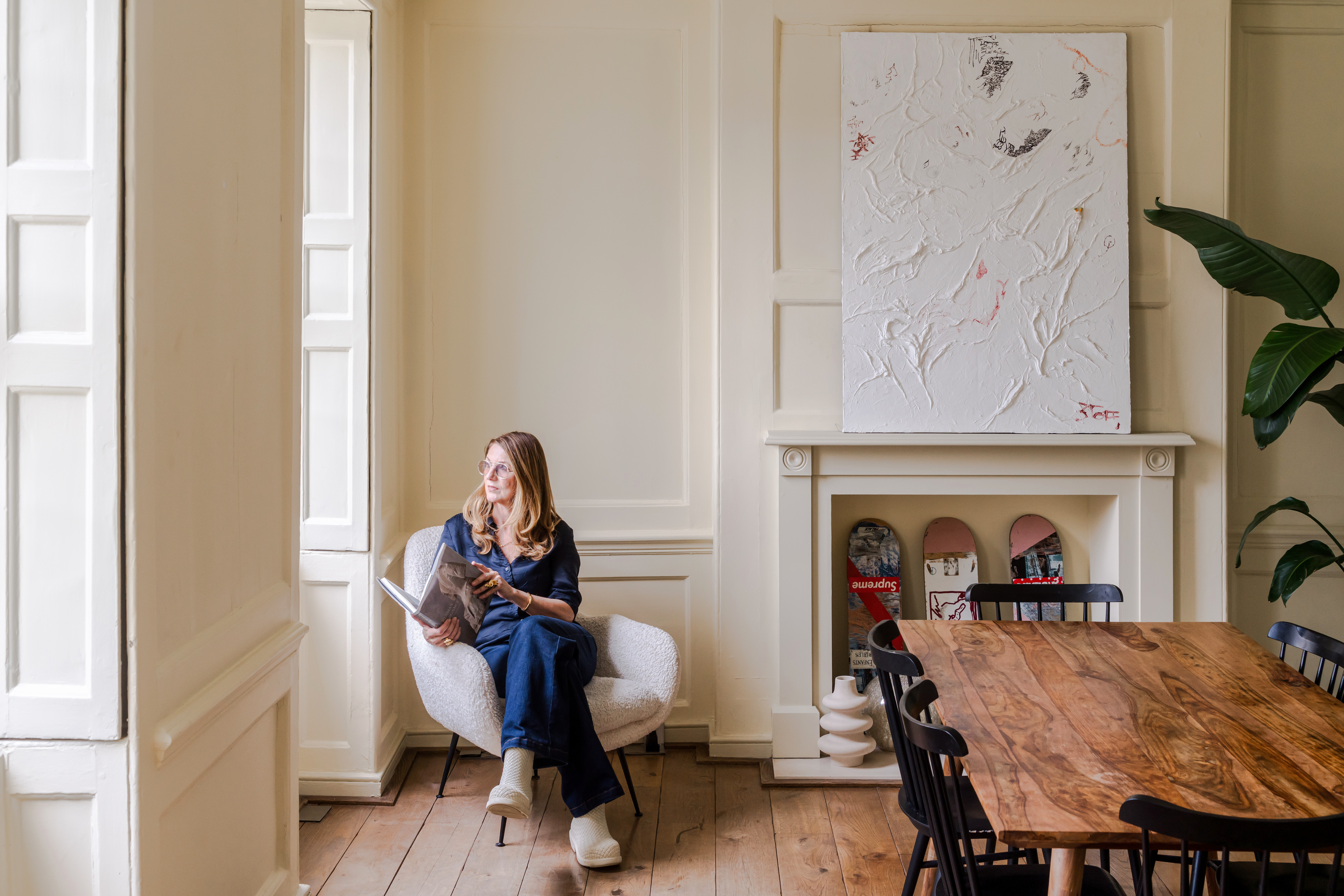
Leila: “I am also an artist, but I've been focusing on writing at the moment. I have a writing room in the bothy that I work from. My work directly interrogates the landscape, specifically the feminine relationship to the landscape, so being in a garden has been intrinsic to my development.
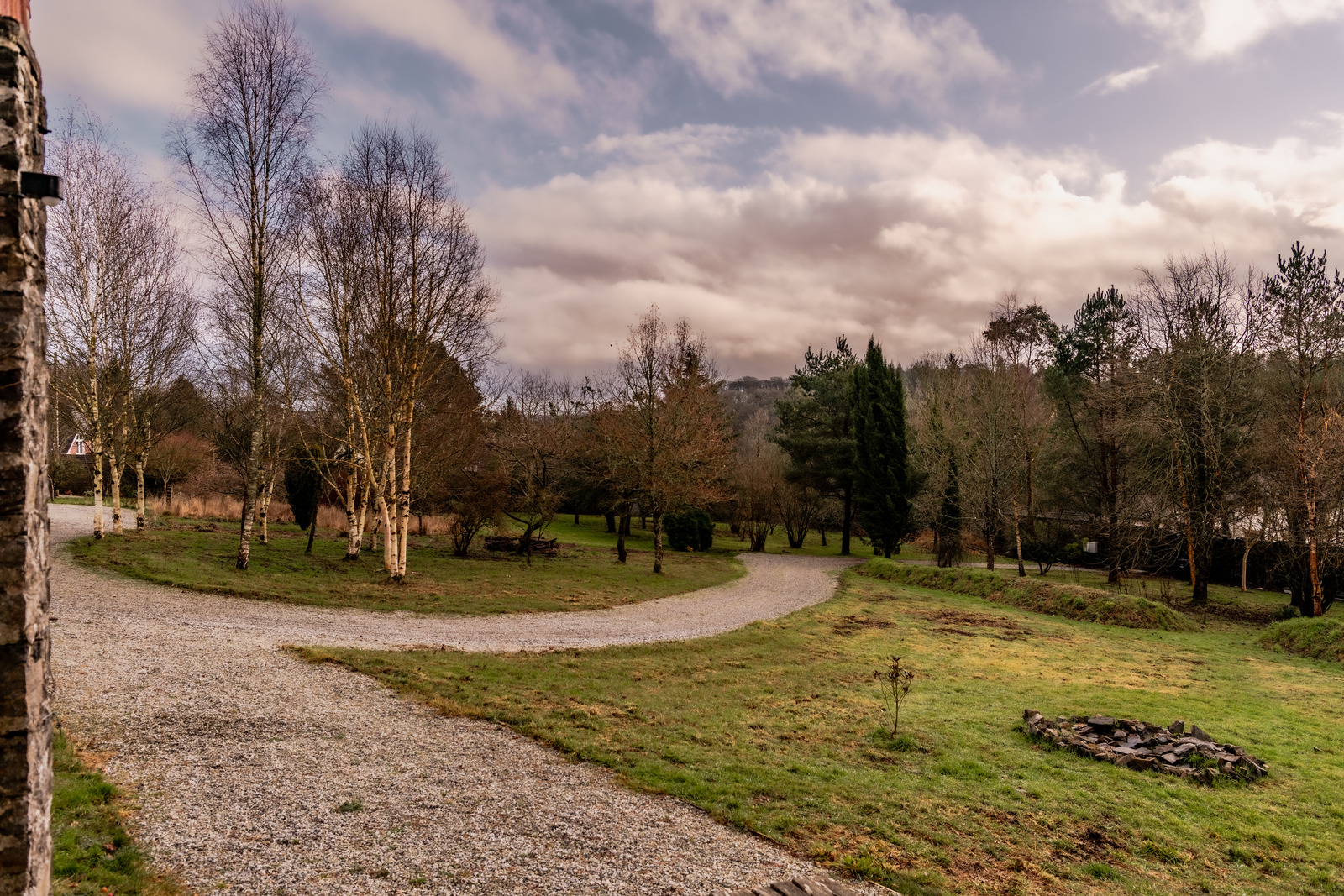
“Because of where the bothy is, in the northern corner of the garden, it’s the space that receives the most and longest sunlight. Just in front, we've got a gravelled terrace where we sit. Because we're on a slope, it almost looks like the sky begins at eye level. Spending time there, in the colder months in front of a fire, or in the warmer months with a cold beer allows you to look into the vastness of the world. That's one of my favourite spots in the garden.”
Sophie: “Apart from wrestling large canvases in the studio, my favourite thing about the space in the garden is the enormous fire pit. We're so spoiled with local produce; I spend hours outside cooking. I also love listening to the birds and watching the trees, getting to know them all and seeing them change over the year.”
Leila: “We're just up the lane from a village called Bampton, which has a strong community. There's a lot of sharing between neighbours – there’s a sense of abundance of produce. They say if you put your thumb in the soil here, it'll grow.”
Sophie: “In the garden we have fig trees, kiwi trees, plum trees, apple trees, cherry, walnut, chestnut, cob trees … We are in an area of Devonshire red soil and we've actually used it in the house, rendering it on the walls in the guest bedroom and bathroom.”
Leila: “In the warmer months people say our terrace feels like the south of France or Tuscany. We get out a long table and light the barbecue. Around twice a year we invite the whole village here to share the space. In the summer, we’ll entertain in the garden; in the winter months we invite everyone into the studio.”
Sophie: “We have ended up with an entire English village dancing to Berlin techno, which is quite fabulous! Although we like to entertain, we also like to retreat and hibernate. The space allows us to be sociable, but it also offers secrecy and the ability to hide away.
“There’s still so much potential here. You could build another architecturally- inspired home or guest cottage. You could also just live in the bothy. I think that's why it's an interesting moment for us to move on – it’s the right time to hand The Walled Garden over to someone who can make their own mark.”