Dune remake: a secluded retreat nestled into the unique coastal landscape of Camber Sands
January 20th, 2026
Words Kate Jacobs
Photography Adam Firman
Portrait photography Sam Grady
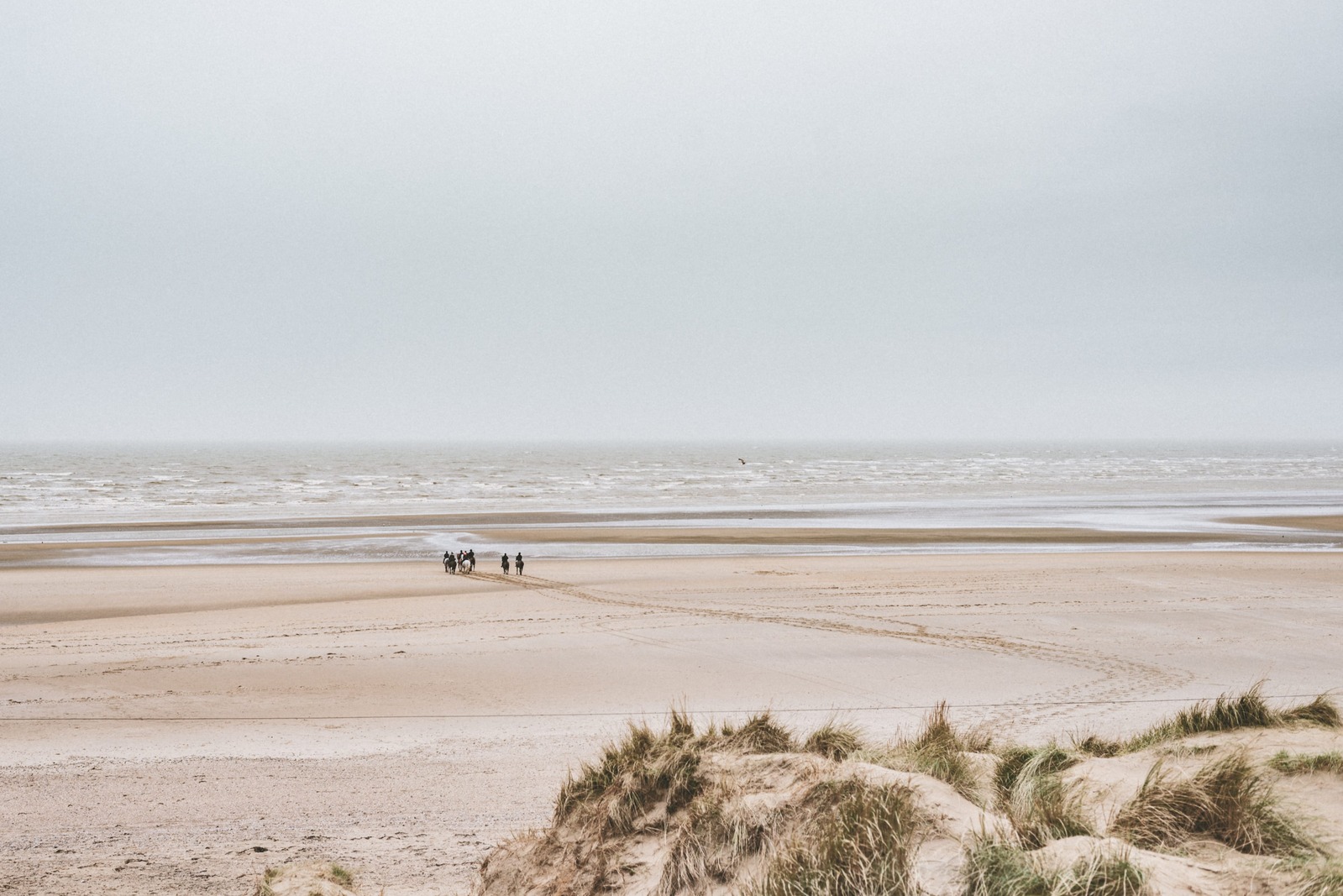
Perched between Rye and Dungeness on the East Sussex coast, Camber Sands is famed for its soft, golden sandy beach and has become a popular place to rest and recharge, although few beach-goers seem to notice the discreet cul-de-sac on which Duneland sits. Unusually, the bungalows here have direct access to the small town’s celebrated sand dunes, a designated Site of Special Scientific Interest.
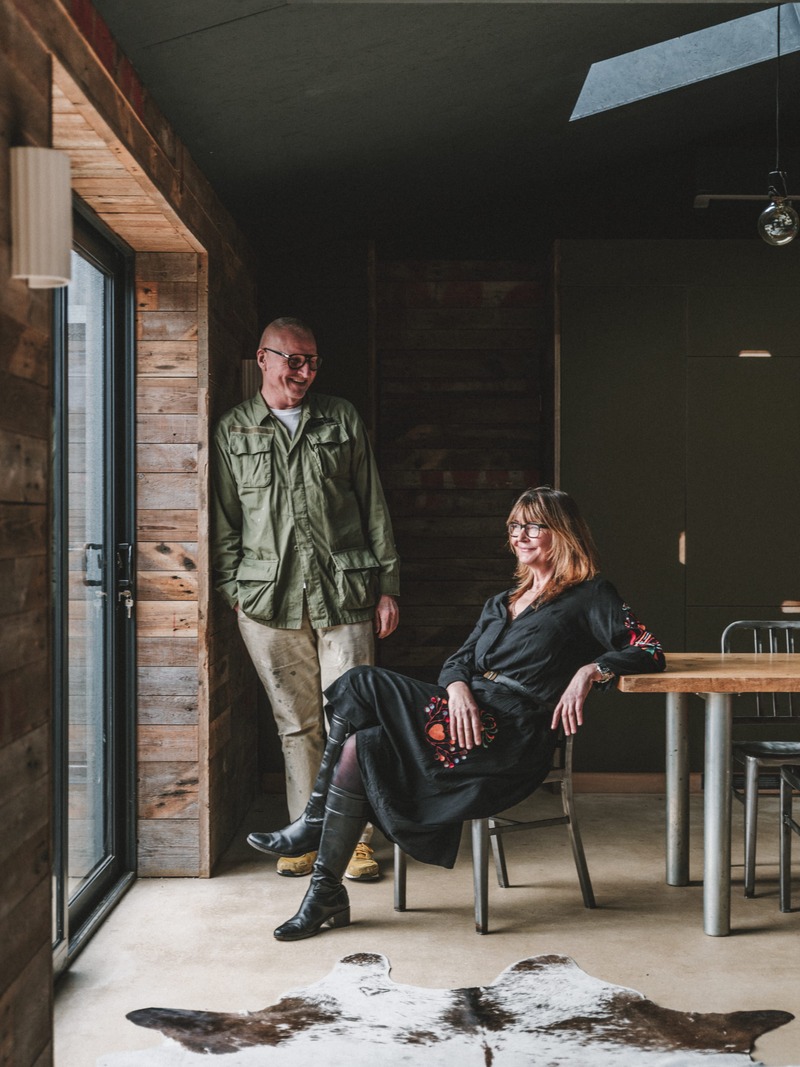
“Our estate agent had been here 30 years and said he’d only been down this road twice,” recalls owner John Carver, who created this home with his wife Anna. The pair used to run their own creative agency. Now Anna is a psychotherapist, while John is working on a Fine Art Master’s at Goldsmiths. They made the move from Primrose Hill to East Sussex in 2007 and poured their collective creative skills into renovating several houses in the area, before turning their attention to this semi-detached bungalow a few years ago. “We’re always looking for unique places in need of renovation in amazing locations,” John explains. Now that Duneland is for sale with The Modern House, the couple look back on their bold yet sensitive reimagining of this coastal home.
Anna: “We’ve built several homes in and around this area. I’m particularly interested in wellbeing-centred design principles. It’s important to us that our redesigns are respectful of place while being unmistakably original.”
John: “I view each project as an installation. An artwork that can be lived in. I pay meticulous attention to every detail. Living a creative life is inspiring and enhancing. Our projects help make this possible. I guess this is why they’re bought by actors, directors and designers. Discerning people that share and appreciate our passion and ruthless, rigorous questioning of every shape, surface and material.”
Anna: “When we first saw the bungalow, it was quite plain and sad-looking, but we could see the potential. It was all about the location, south-facing so that we get all the sun, with an outlook straight onto the dunes, and very quiet, except for the sound of the waves on the beach beyond. It’s secluded and immersive. The houses on the beach have people peering in all day, but no one knows we’re here and the prickly sea buckthorn that grows over the dunes means that walkers take other routes.”
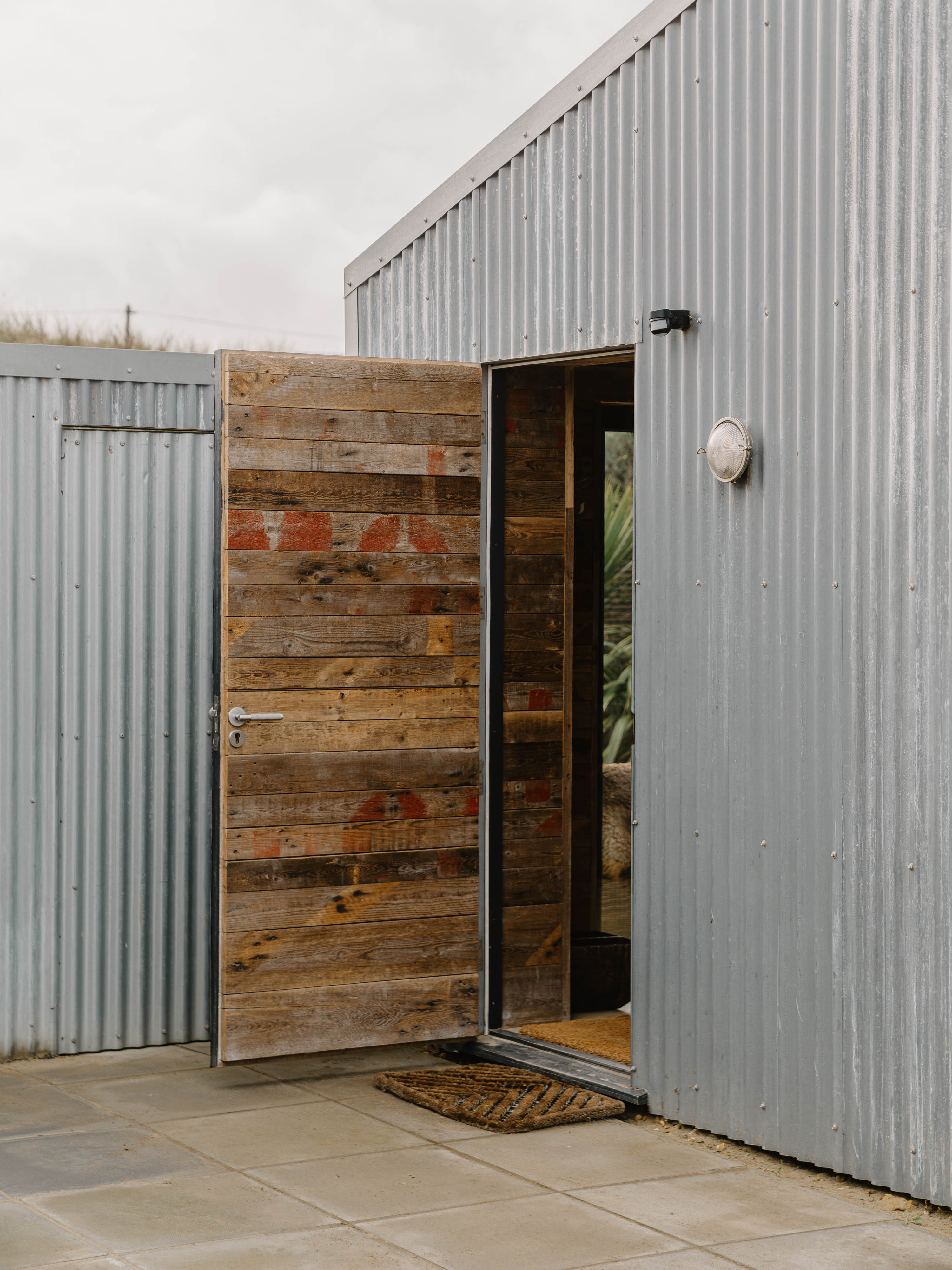
John: “As it’s semi-detached, we had to hold onto the exterior walls but other than that, it was demolition rather than renovation. Essentially, it’s a new house with new electrics, plumbing, drainage – everything. Working with a group of brilliant local builders, we added masses of insulation and an air source heat pump with air conditioning throughout, so it’s warm in winter, cool in summer. It was a big investment, but now the energy bills are very low. We’ve wrapped the whole exterior in naturally finished corrugated steel. It felt very appropriate to reference places where we like the aesthetic. We think of it as Montauk meets Marfa, not just modern and sharp, but also lived-in, laid-back – and exquisitely finished.”
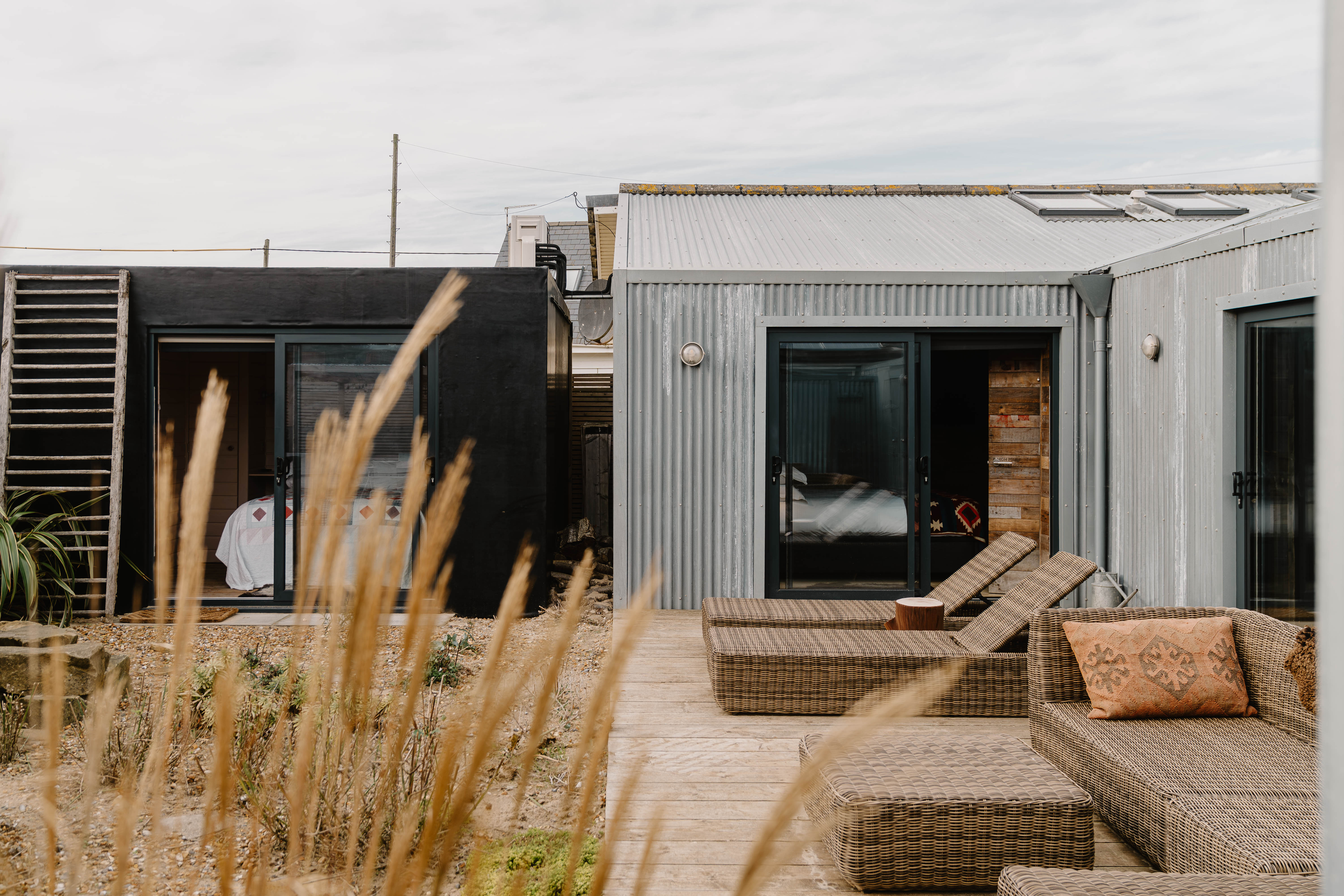
Anna: “We were also inspired by the seamlessness of Rural Design’s Tinhouse on the Isle of Skye. Here in Camber Sands, the corrugated steel has an honesty and a rawness and an industrial quality, but it sits well with the residential coastal vibe. It feels cosy, rather than clinical and cold.”
John: “And it sits very well alongside the black rubber-clad studio that we’ve created next to the main house. For this we were inspired by Simon Conder’s Black Rubber house over at Dungeness.”
Anna: “The corrugated steel and the black rubber seem to both fit in, and feel incongruous, in equal measure – there’s something dramatic about that. The house and studio form an L-shape around the coastal gravel garden, which has been carefully designed to be low-maintenance and incorporates some of the plants that grow in the local area, such as red poppies and sea kale. We have also used cordylines and phormiums, as they grow particularly well in the sometimes harsh coastal environment and add architectural interest. Around the dining table we have jasmine that grows up the pergola during the warmer months, adding a lovely scent, as well as white passion flower, another climber that softens the lines of the wooden structure. We wanted to get the most out of the outside space, so there’s a terrace lounging area, firepit, wood-fired oven, a hot tub, and an outdoor shower. We created a seating area that’s under the covered pergola, taking the edge off the sun and allowing us to spend time out here even when it’s drizzling. There have been lots of parties and gatherings here, gently illuminated by ship-style bulkhead lights.”
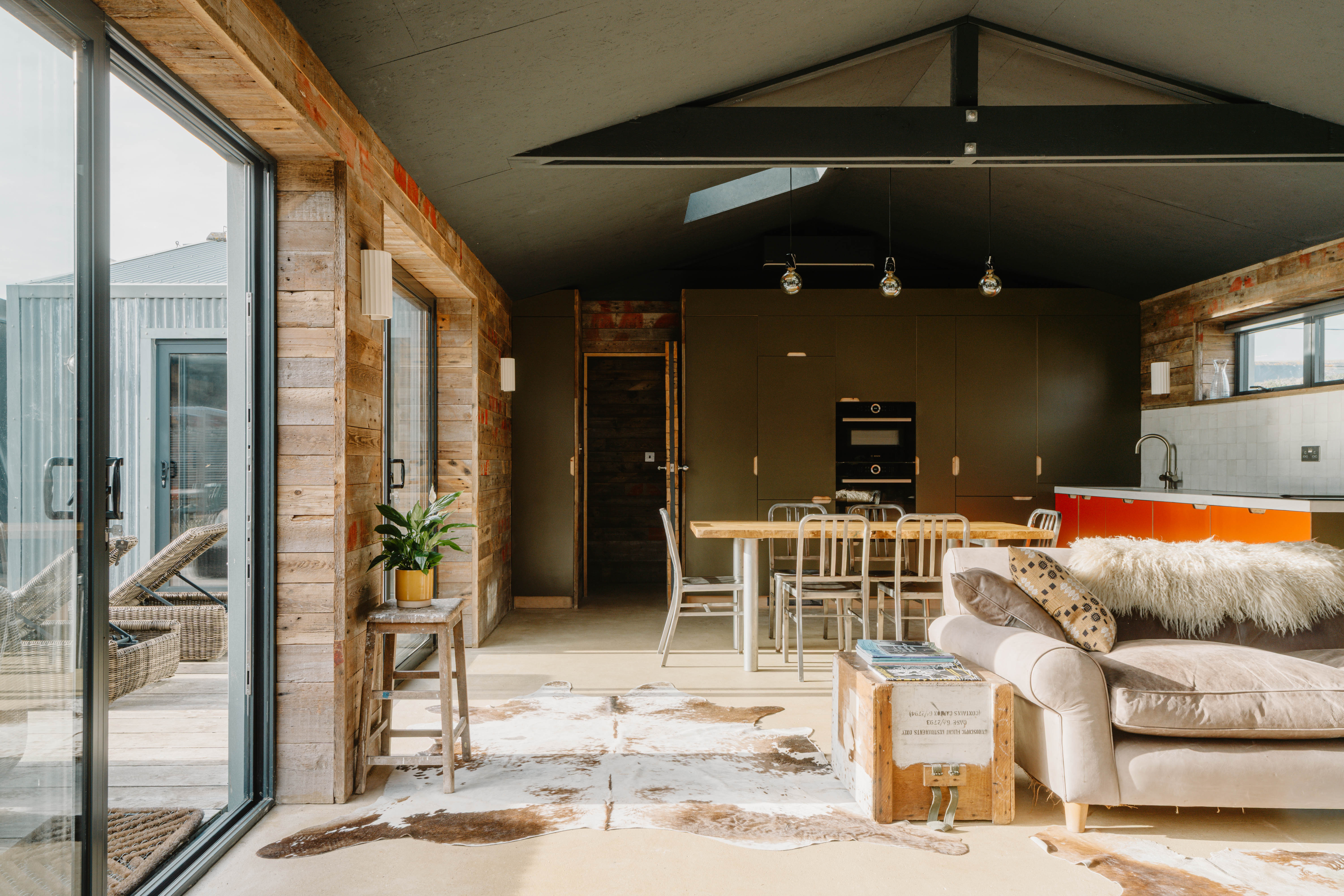
John: “Inside, our attitude was to make sure there is everything you need so that six people can spend time together happily, with enough storage space to make it comfortable and practical. We completely reconfigured two bedrooms, each with their own bathroom, and the generously sized kitchen-living-dining room has huge windows opening onto the garden, as does the main bedroom. From the street side, the house feels very tucked away and discreet, while the garden is bounded by the studio and a high fence, so we aren’t really aware of the neighbours, it feels so private and secluded.”
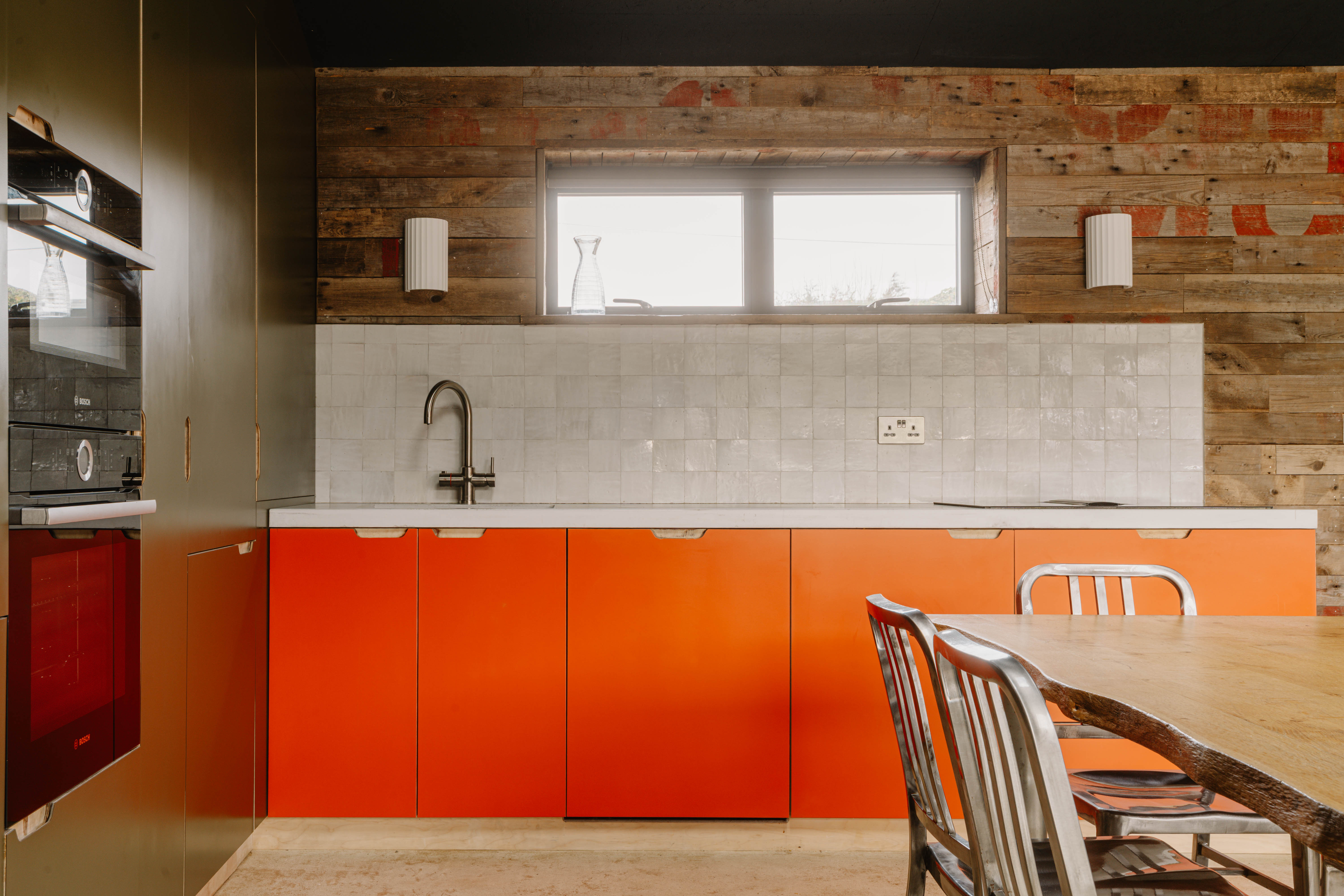
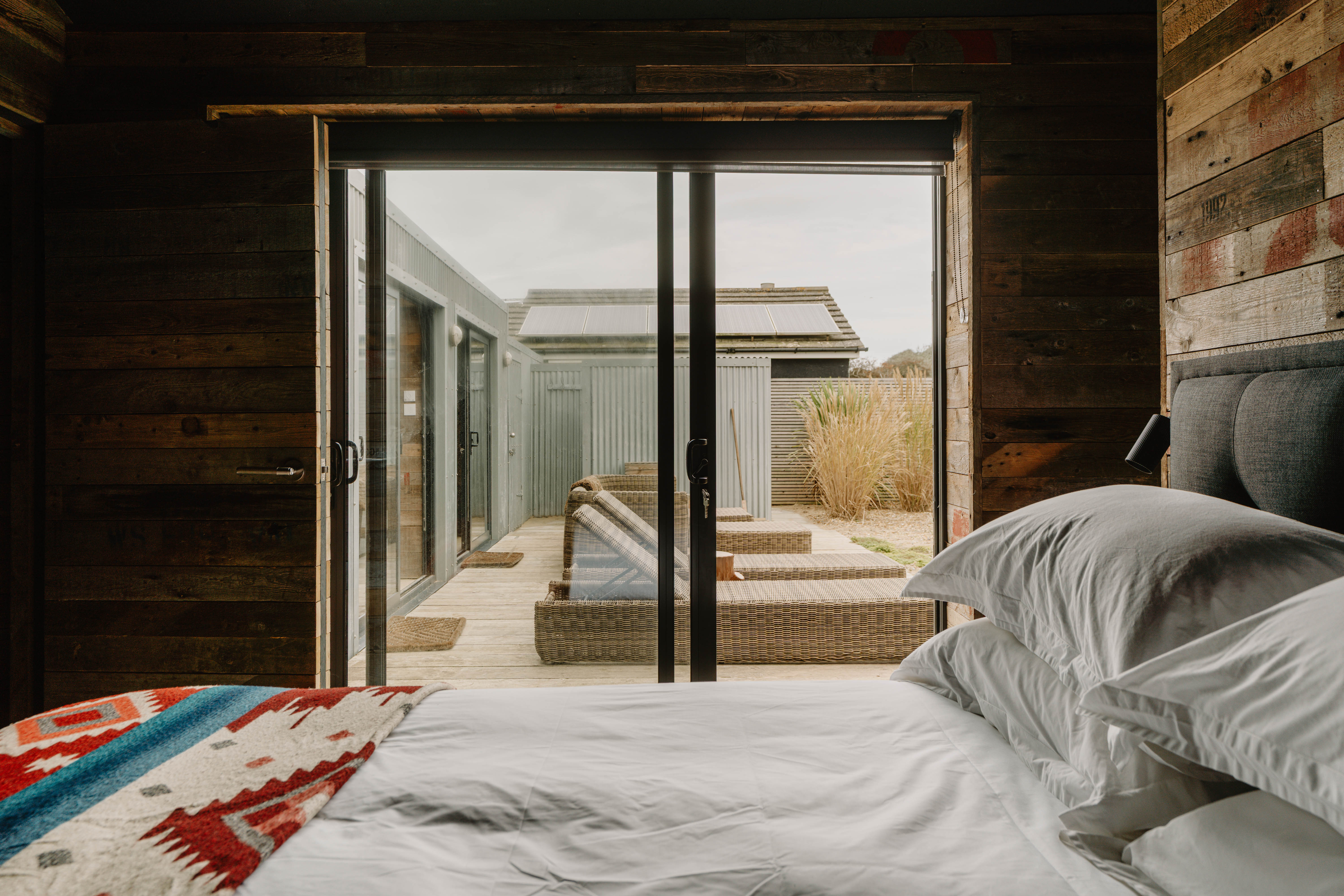
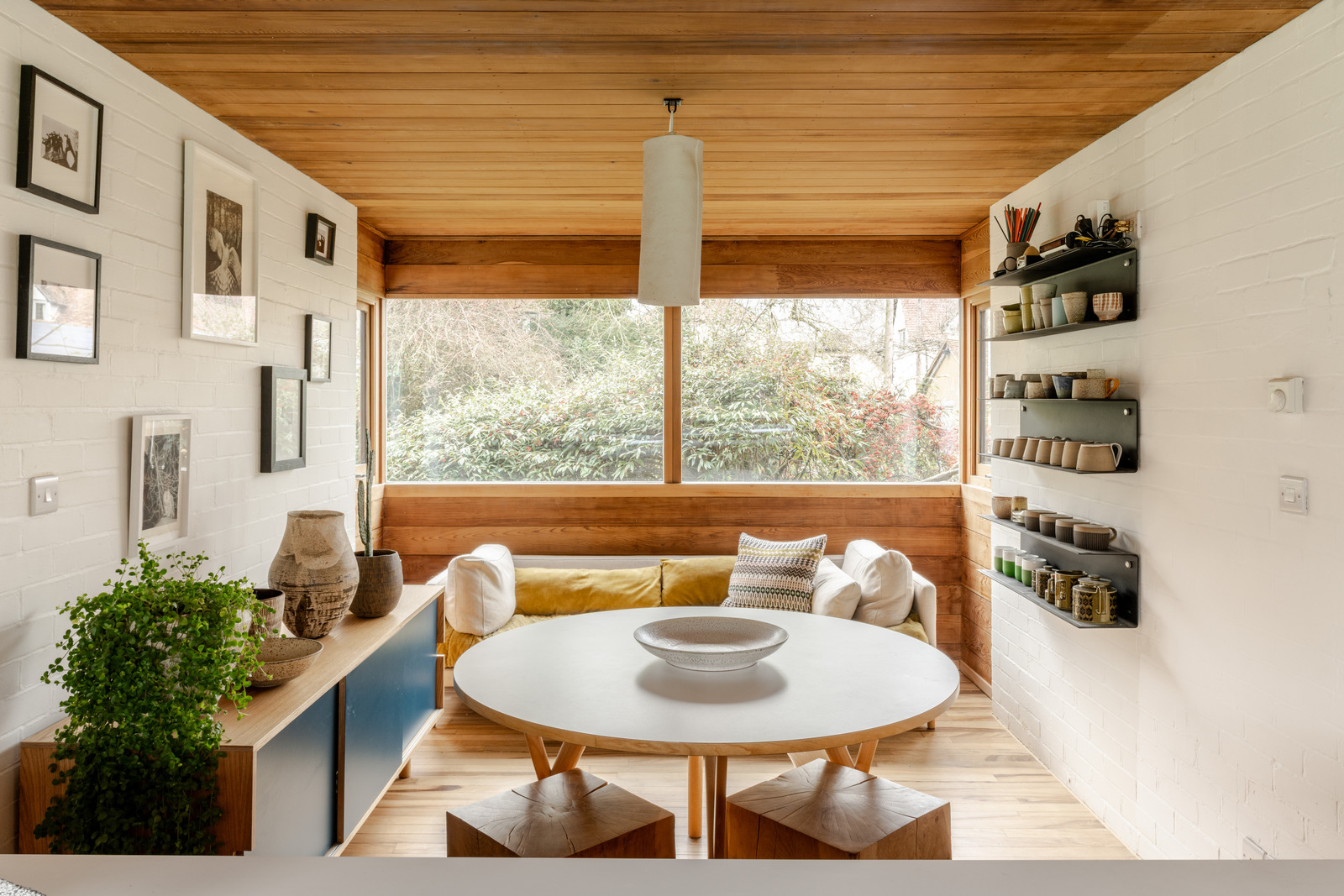
Anna: “There’s a similar feeling of cosiness in the main inside space, with the timber-lined walls. In terms of the effect of wooden cladding on mental health, it’s a biophilic connection, imprinted on our DNA, to love nature and to experience lower stress levels when we are in it. There's also a sense of comfort and protection, so you feel calmer and more secure. And in terms of acoustics, the wood absorbs sound and reduces noise stress, so it’s good for focus and relaxation. It’s also good for grounding as it’s natural and elemental. So with the timber, the corrugated steel and the firepit, along with water – through the sound of the sea – and the wind, that’s all the elements covered!”
John: “The timber sums up our approach; we used reclaimed potato crates sourced from a local farmer. They’ve been dismantled, power-washed, dried and perfectly finished. There’s a patina and irregularity to the planks, particularly with the red sections, creating a warm, cosy, vintage look, but they’re all from the same source and carefully engineered and constructed for a perfect, premium finish.”
Anna: “The concrete floor complements the timber – they’re both raw and honest materials. For the kitchen, we wanted something bold that worked with the red patches on the timber, so we went for an orangey-red, a colour that we both love, along with a dark khaki-olive colour, something earthy that fitted with the brown tones.”
John: “The whole kitchen, carcasses and all, was made from scratch in local workshops that we’ve connected with over time. There’s a lot of interesting, creative things going on down here now, with lots of artists and writers moving in, either full-time or with second homes.”
Anna: “It’s understandable. Spending time in Camber Sands is really calming and tranquil. And with Duneland, we’ve created a house to relax and unwind in.”