Degrees of learning: the singular vision behind a 70s self-build
September 15th, 2025
This article is more than a year old and may contain information that is out of date. Sorry about that.
Words George Younge
Photography Carole Poirot
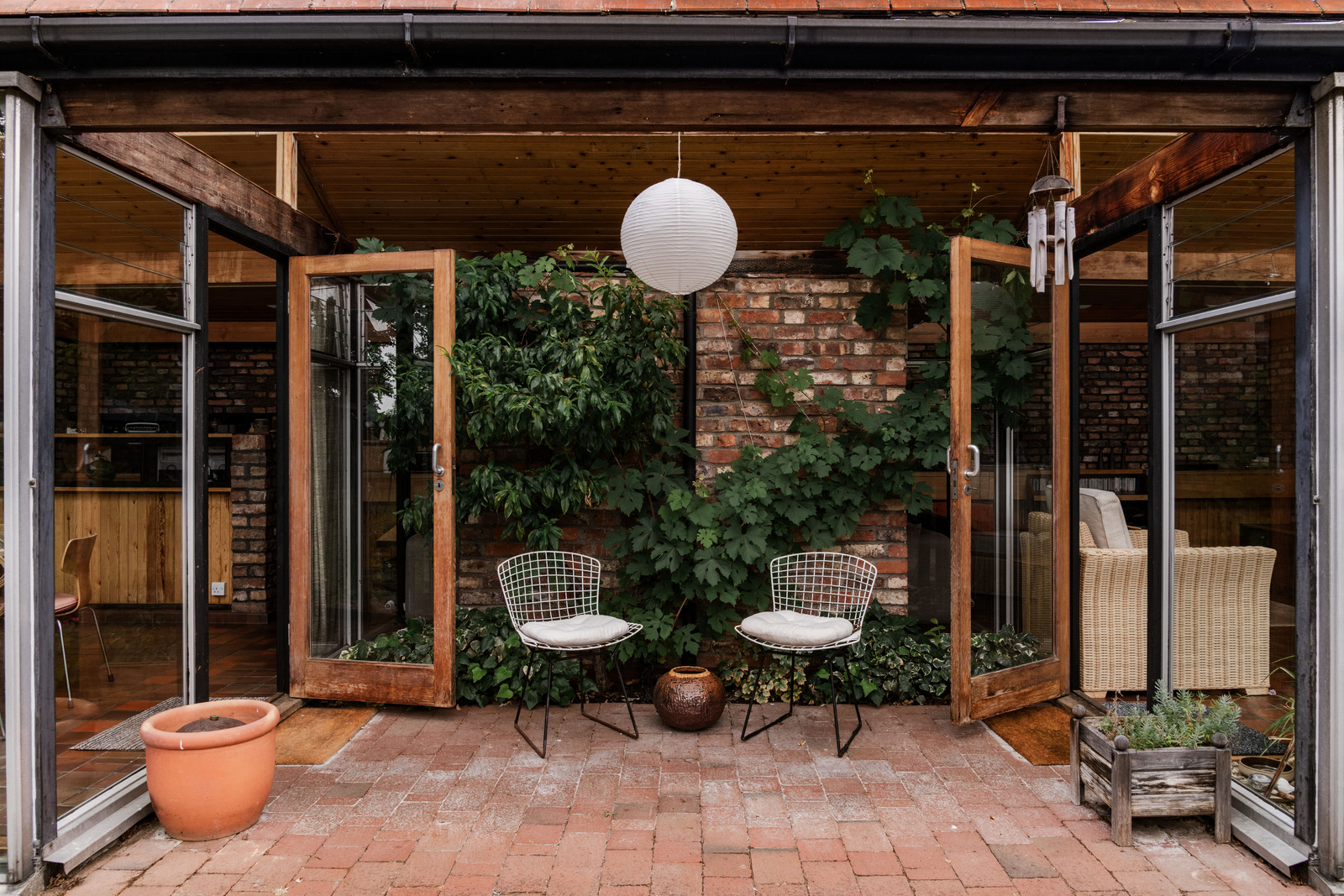
Among the lesser-known subgenres of modernist design is what might be called the ‘architectural professors’ self-build’ – houses dreamed up by academics with as much love of theory as of timber and brick. The house on Church Lane, on the edge of York, which has recently sold subject to contract, belongs firmly in this tradition. The brainchild of architectural historian Stuart Sutcliffe and his wife Beryl, an accomplished potter, it carries the imprint of their rich intellectual and artistic lives.
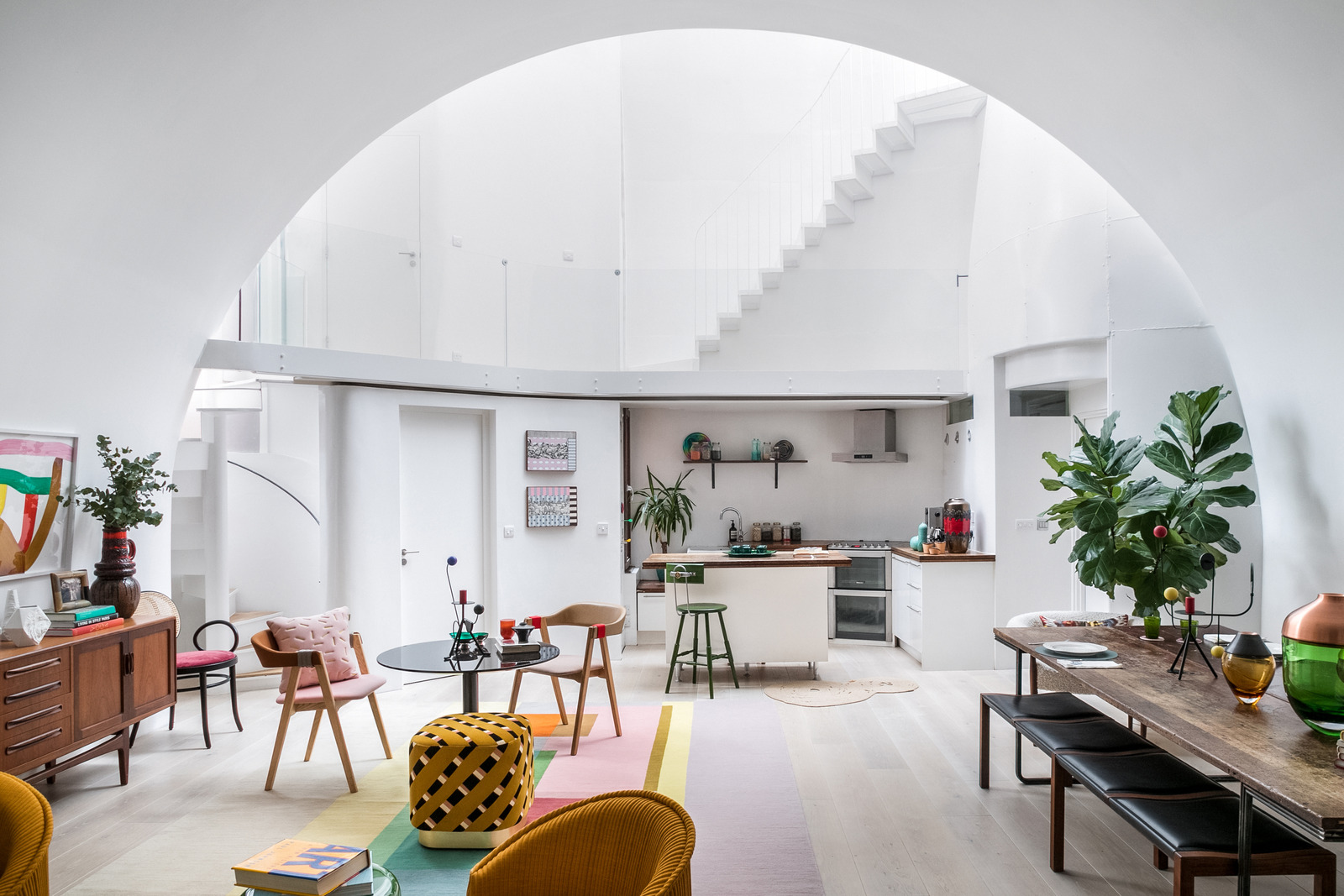
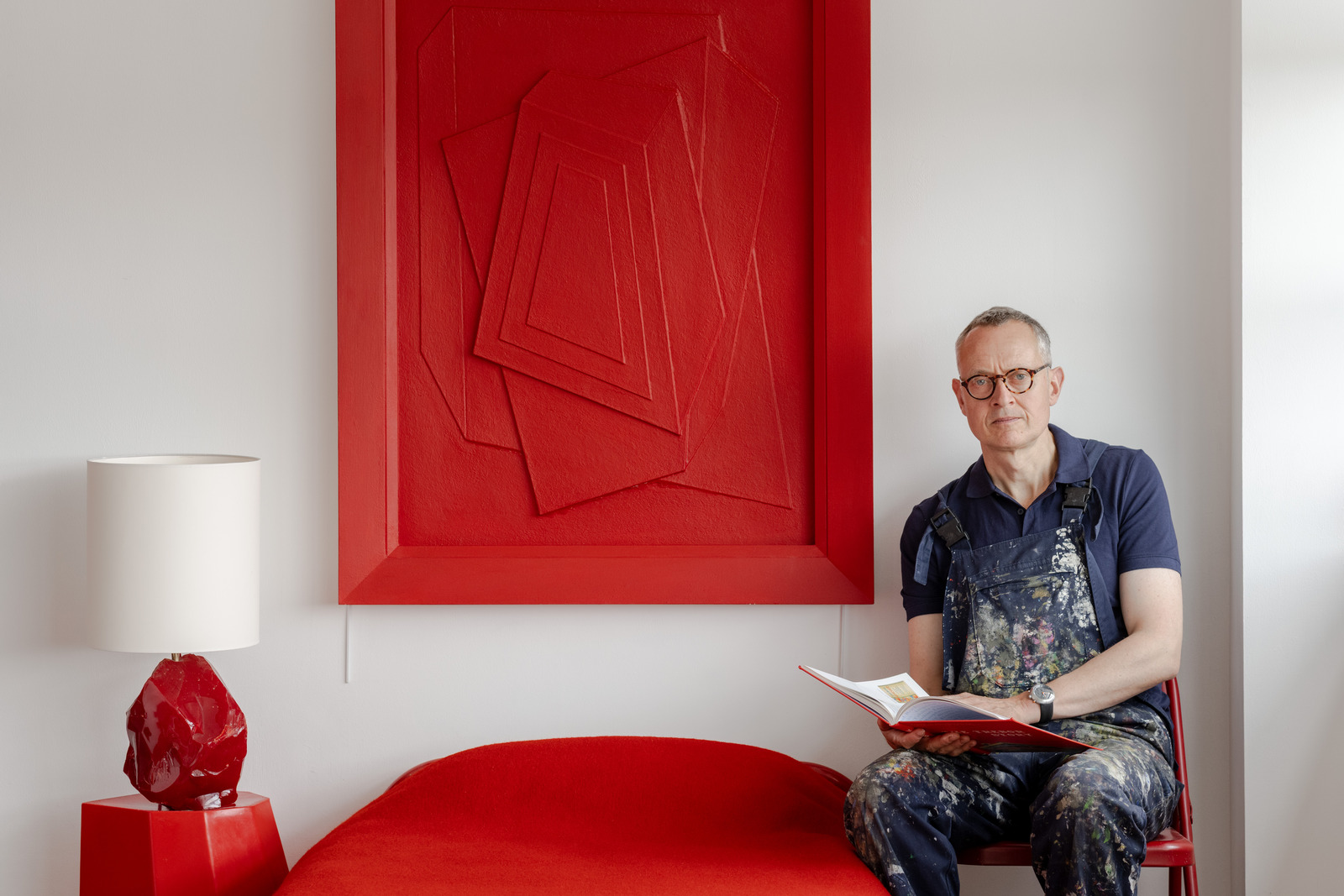
Church Lane is not unique in this respect but part of a small and fascinating constellation of such homes. Another example, for sale with The Modern House, is Marcial Echenique’s wood and glass prefab on Chesterton Road in Cambridge. Inspired by Walter Segal, the pioneer of the self-build, Echenique’s structure reaches up into the canopy of the surrounding trees, allowing its original owner, a lecturer in architectural history, to read his books with the birds. A more recent take on the genre is the Charlotte Perriand inspired interior that I made for Otto Saumerez-Smith, a specialist of mid-century architecture and urban planning at the University of Warwick.
The Sutcliffes moved to York from Cheltenham in the 1970s, when Stuart won a post as Director of the Institute for Advanced Architectural Studies based at Kings Manor, a majestic medieval building in the centre of York. In its heyday, the IAAS was a world-renowned centre for architectural studies and a jewel in the University of York’s crown. Stuart and his colleagues promoted sustainable building long before it was fashionable and taught generations of students the fundamentals of historic conservation, illustrated with reference to Kings Manor.
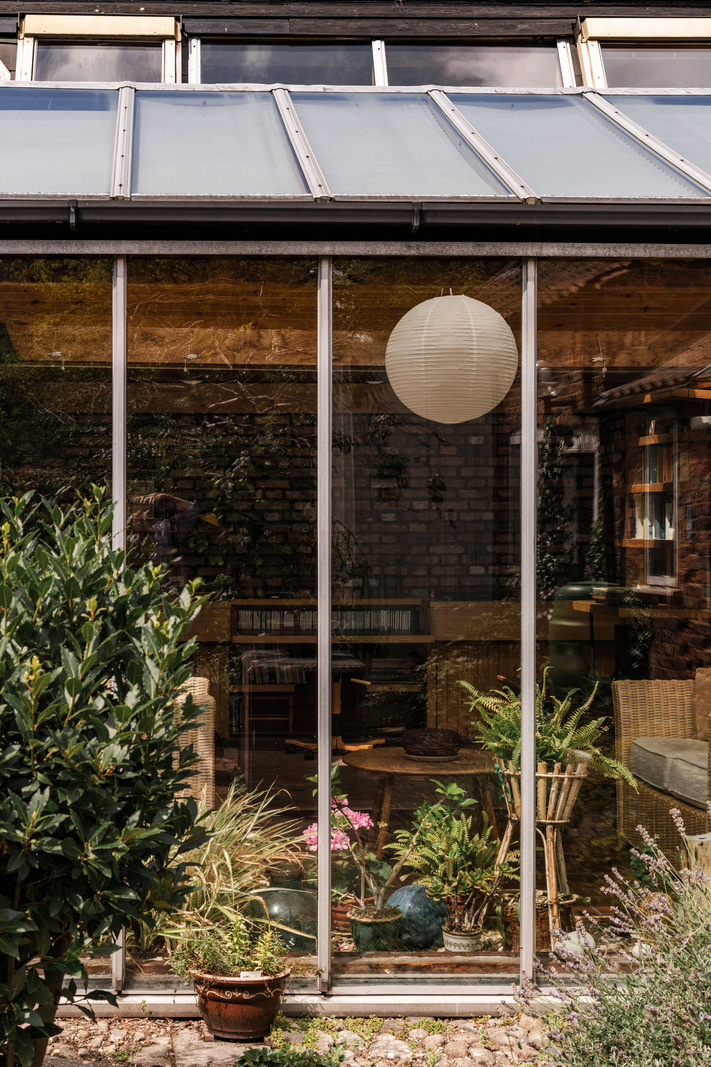
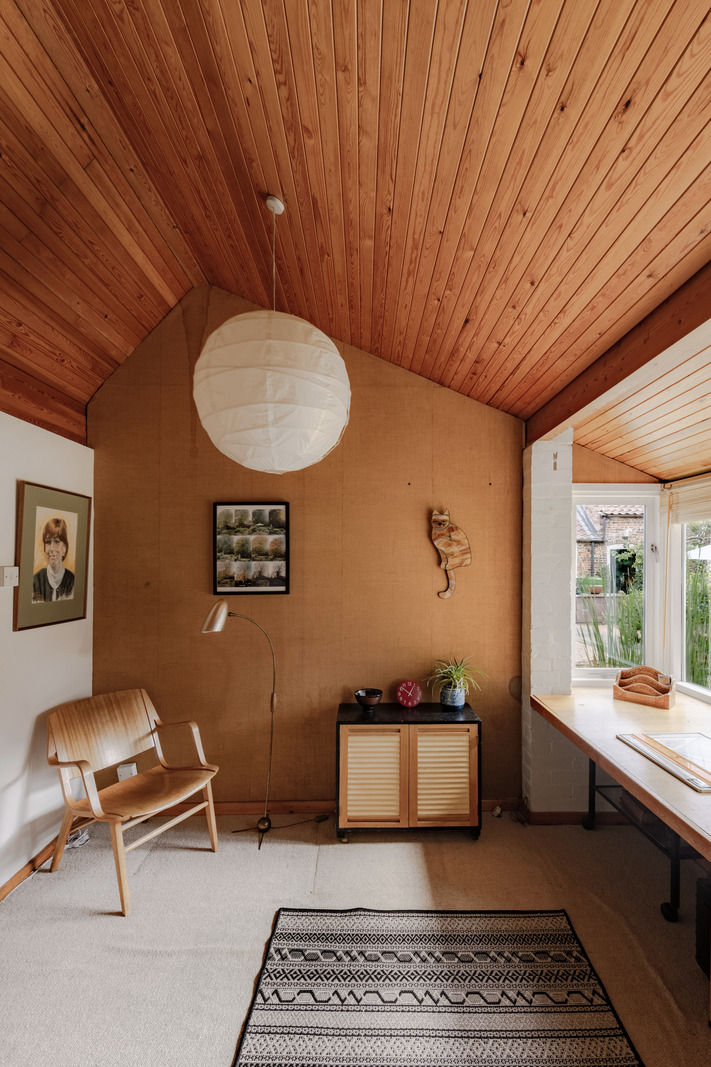
After a few years living on campus, the Sutcliffes turned their attention to finding a home. “My parents wanted to build their own house, that was their mission, and they spent many years looking for a suitable bit of land,” their son Chris told me as he showed me around. “Eventually the perfect plot presented itself in the form of a walled garden offered for sale by the Church of England.” After winning the land at auction, Stuart and Beryl became the owners of “a big barn sitting next to a huge greenhouse that was formerly the garden of the vicarage".
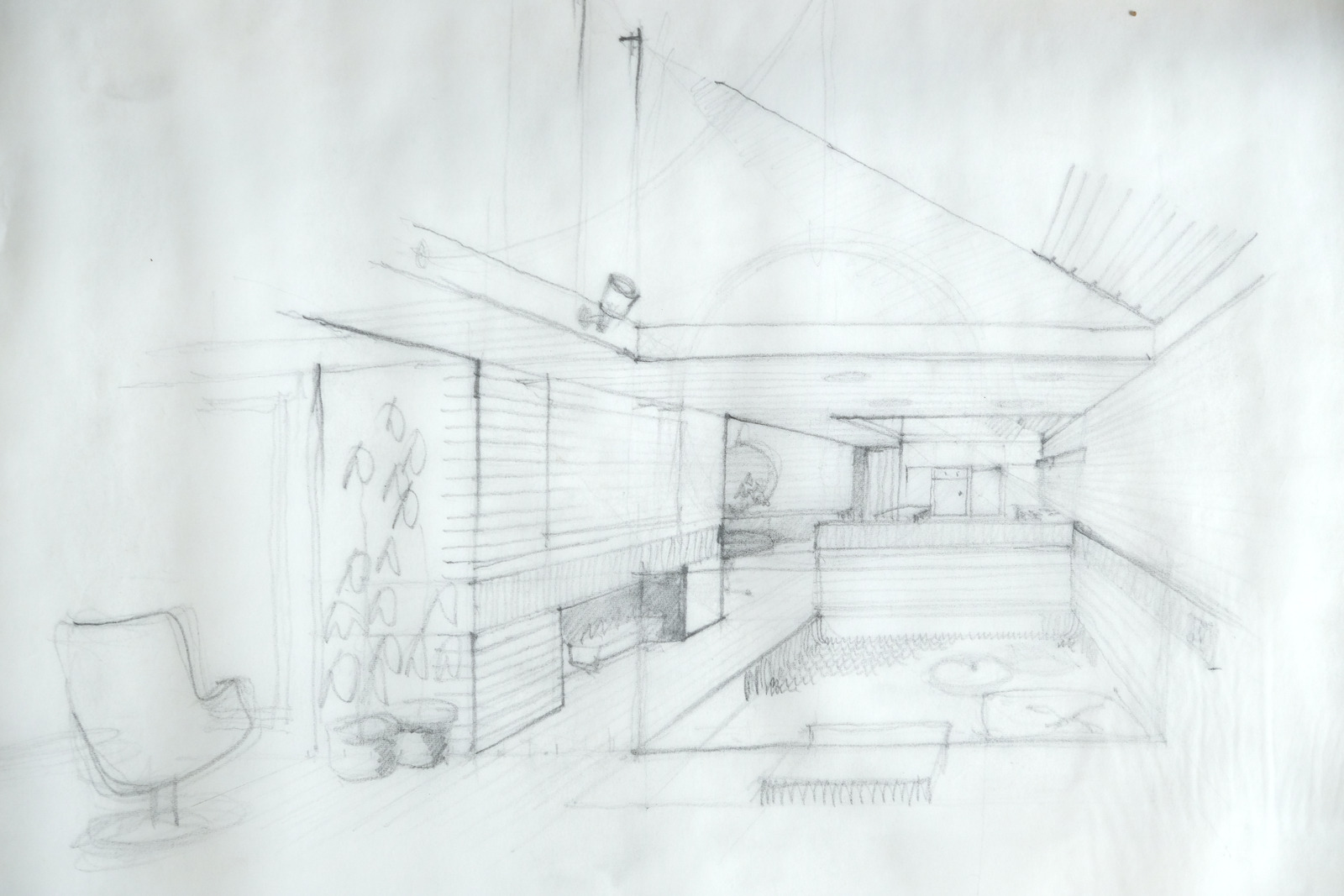
Having overseen a few houses already, Stuart set about designing his dream home. “Dad produced the drawings and a little model, all while teaching at the Institute,” Chris recalls. After the designs were pushed through planning, the family rolled up their sleeves. “We’d have intensive weekends when the brickies and joiners would come. They’d been working on other jobs during the week. Mum and Dad and us four children did all the graft and left the more skilled elements to the experts. There are photos of us digging the foundations and laying the concrete,” Chris recalls.
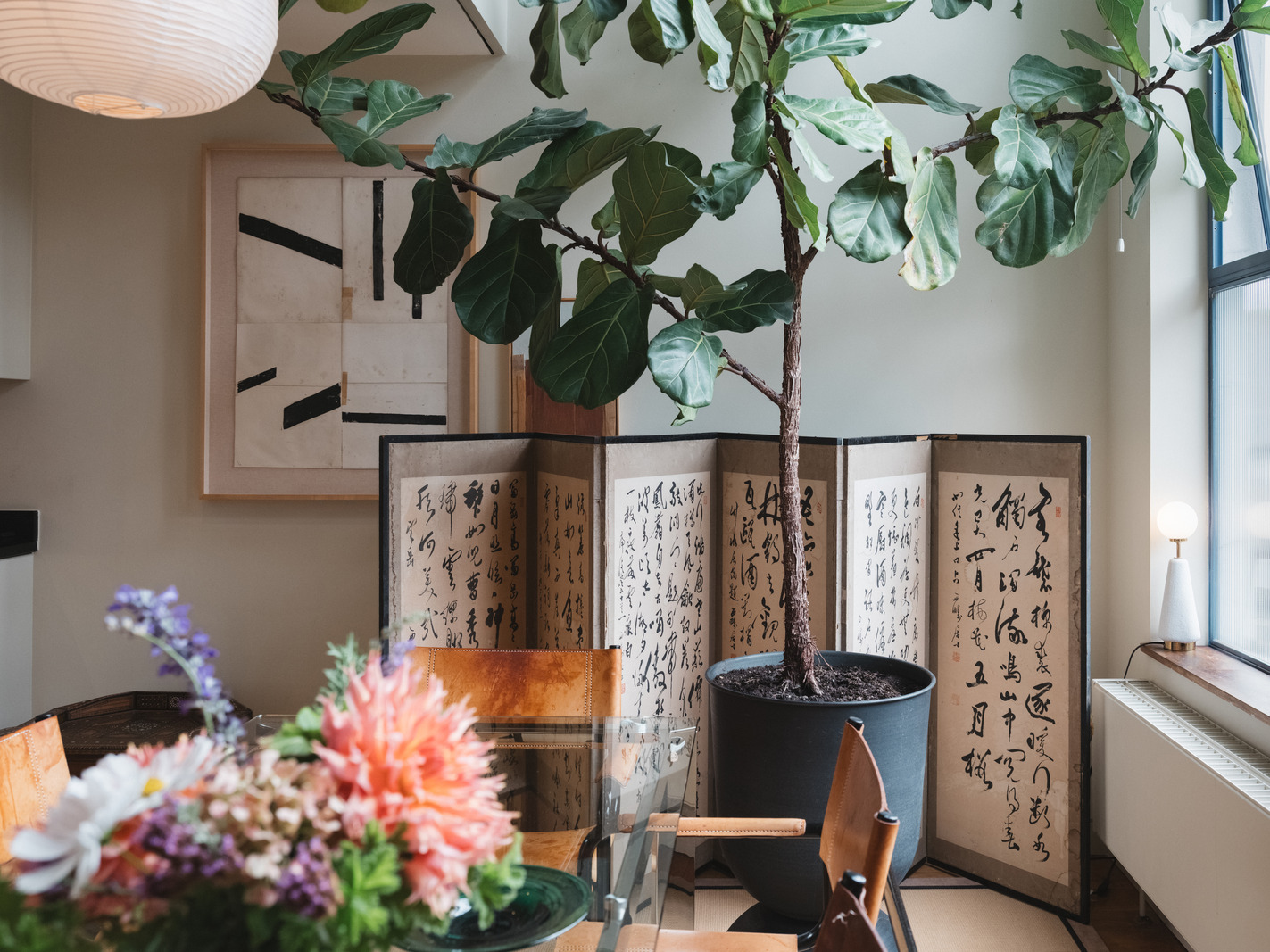
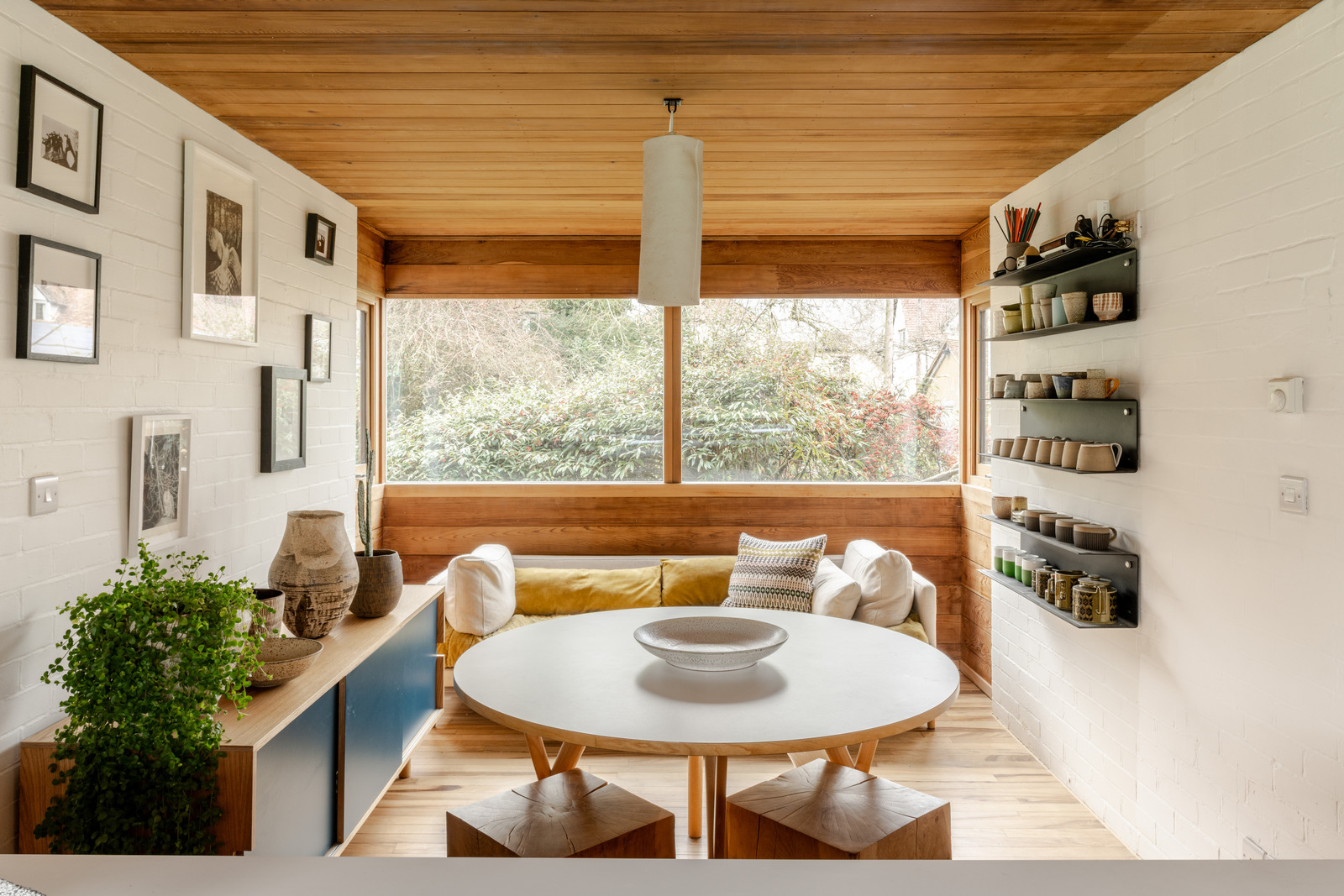
From the dining area, the house looks onto the parish church of St Nicholas. “The church has been a great protector, preventing the encroachment of new developments, which is ironic because neither of my parents were religious. In fact, Mum was a humanist.” A talented potter, Beryl produced delicate work in stoneware and porcelain, which she exhibited internationally. Eastern furniture and the planting in the garden reflect her upbringing in Shanghai, where she was detained during the war alongside the author J G Ballard (who wrote a fictionalised account of his experience in the book Empire of the Sun, later made into a film by Steven Spielberg).
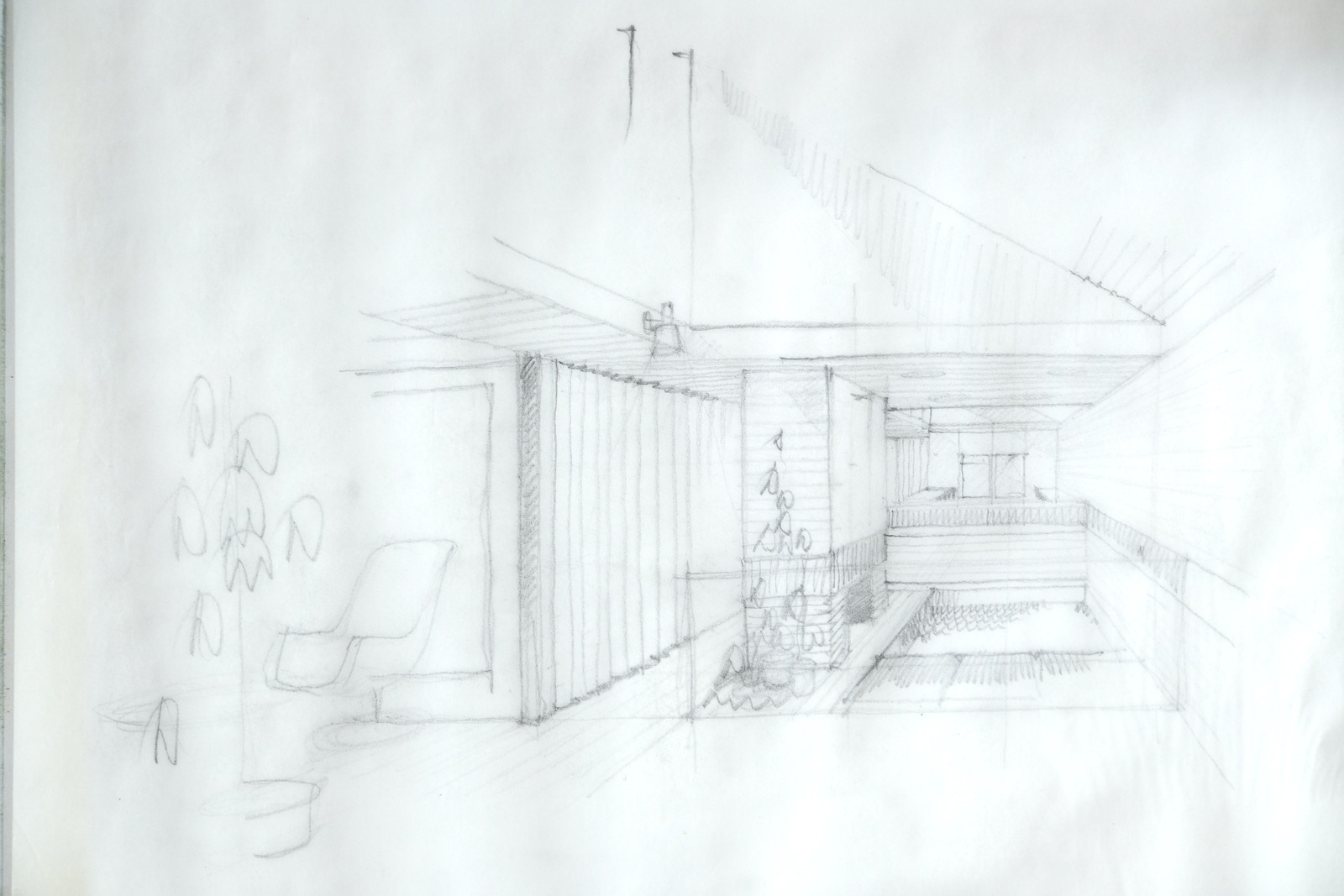
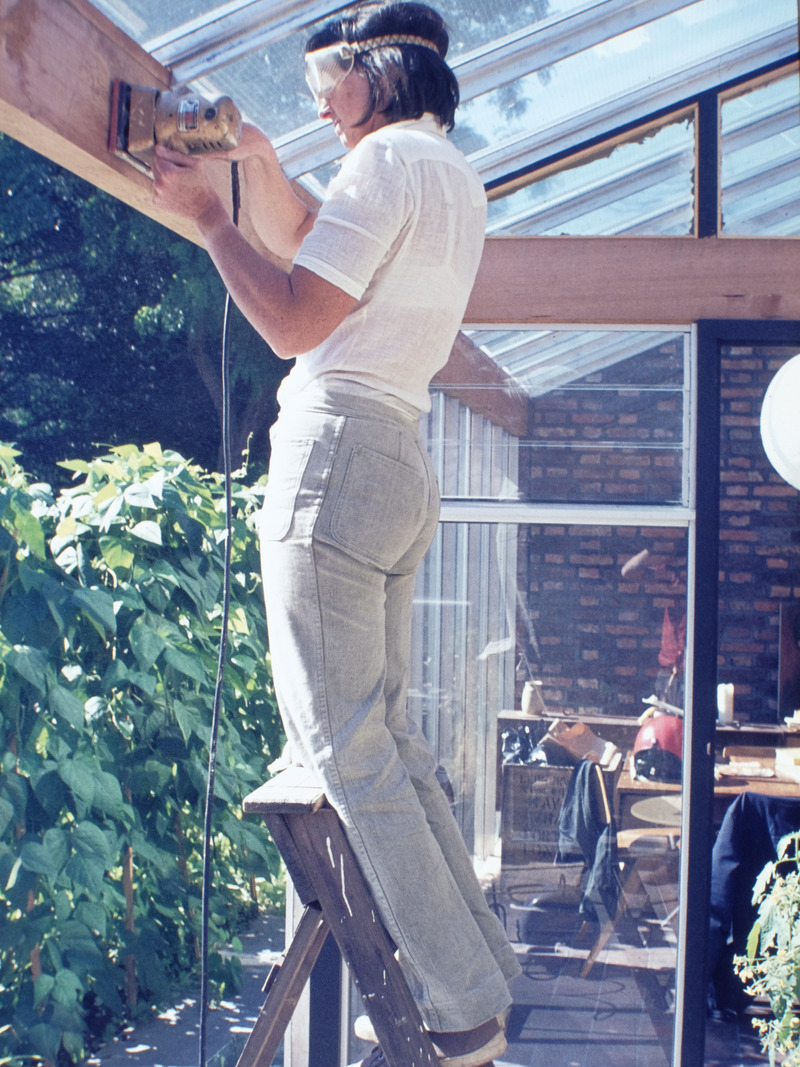
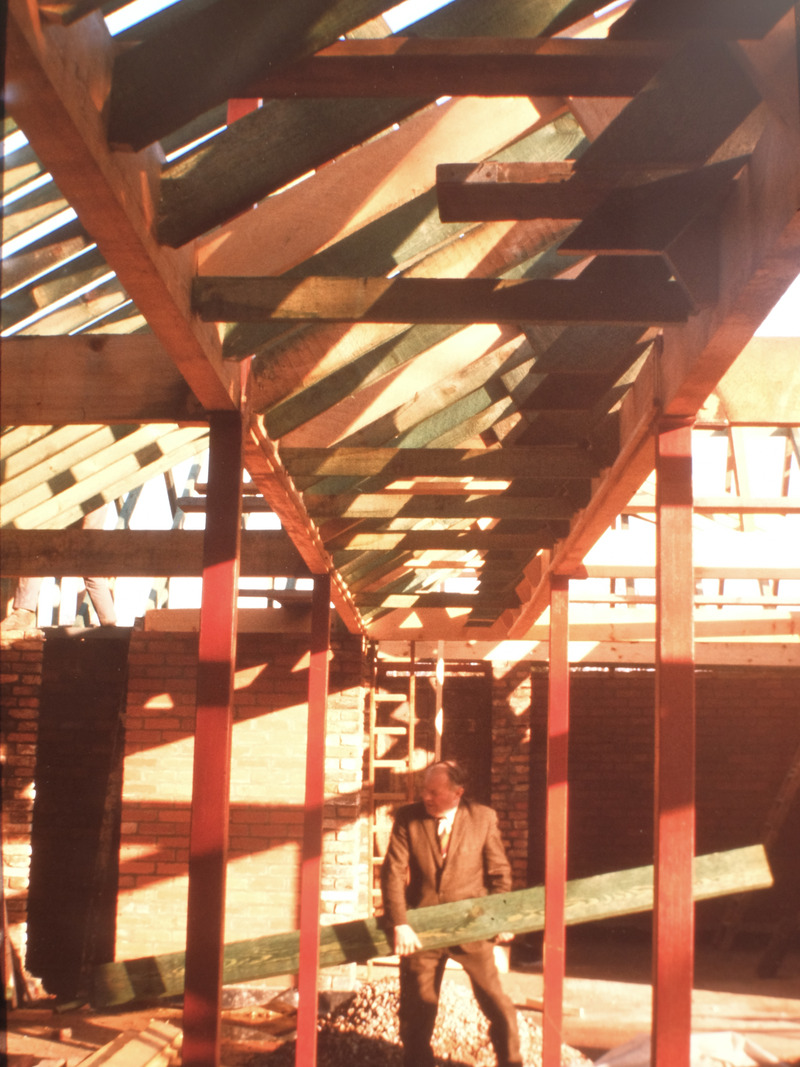
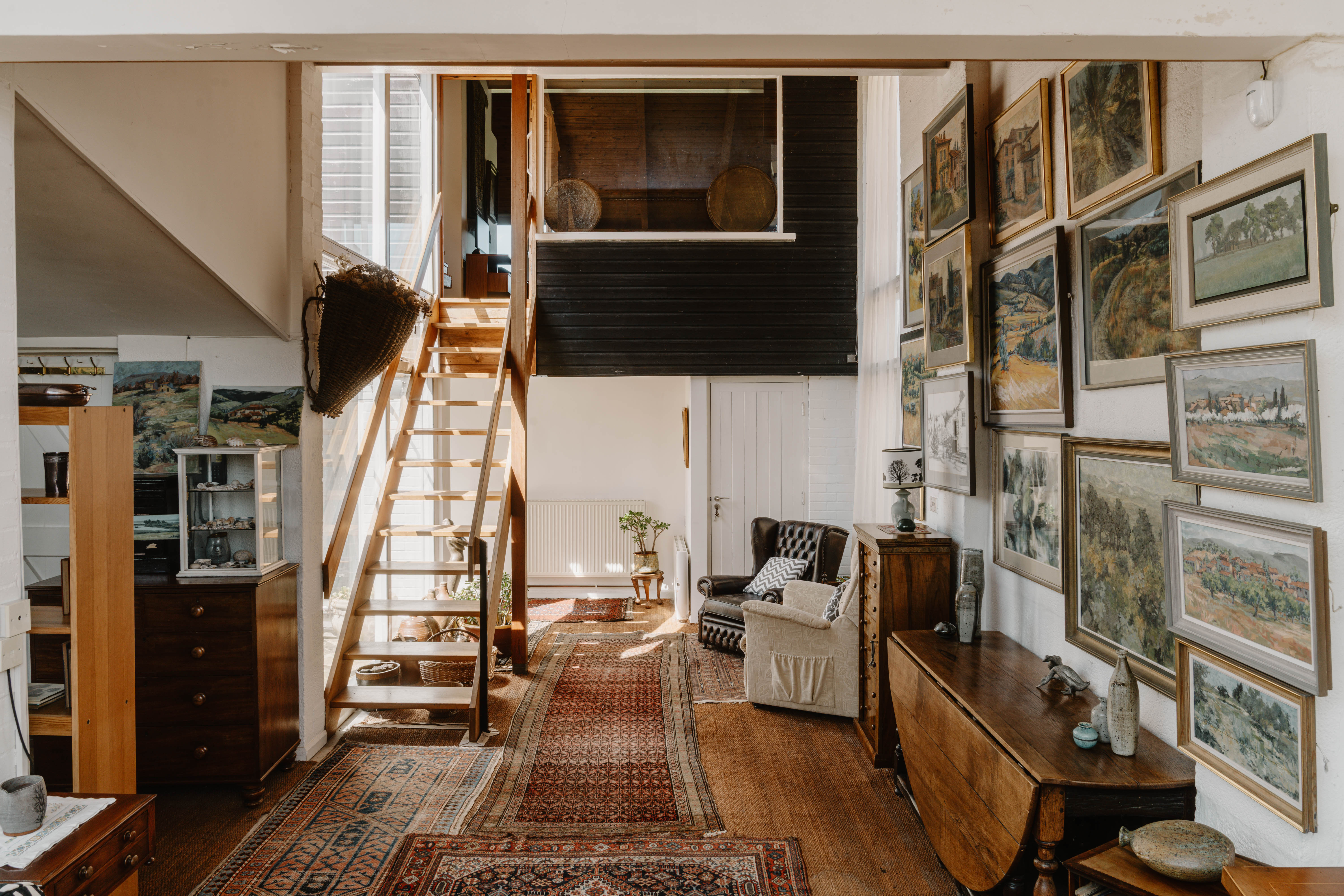
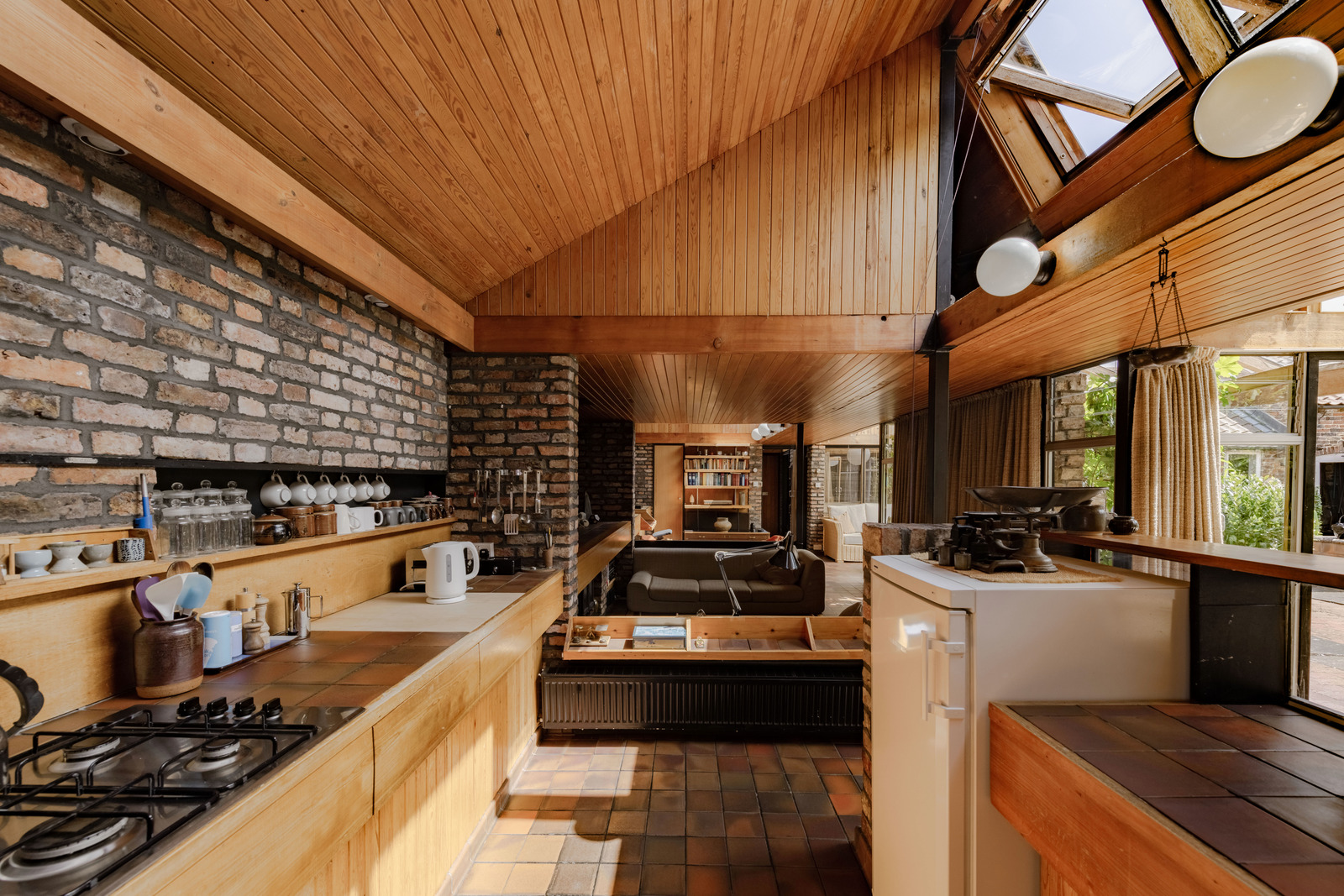
The building in its final form is infused with the aesthetic and intellectual principles that animated Stuart as an academic. An open plan kitchen with a chest-height serving bar drops down into a sunken snug. Heading in the other direction, a bare brick corridor leads to a set of bedrooms and bathrooms. “Everything had to be in line and well-proportioned," Chris notes. Along the spine of the building runs a sectional roof with triangulating panes of glass and ventilation panels. “Dad was very much into complex roof structures – a central gulley, and a lot of interesting angles in the timberwork. It was quite a challenge for all the craftsmen because everything was unconventional.”
Other elements highlight the Sutcliffes’ interest in sustainable construction. The north wall acts as a giant heat sink, absorbing radiation as it floods through the south-facing windows and releasing it during the night. Originally the house had solar panels on the roof and it still possesses electric heating underfloor. “It was ahead of its time,” Chris comments. A point of principle, and no doubt a talking point in the staff room, was the absolute prohibition of modern sealants such as silicone – materials that were unlikely to stand the test of time. “Dad was quite a purist in that sense.”
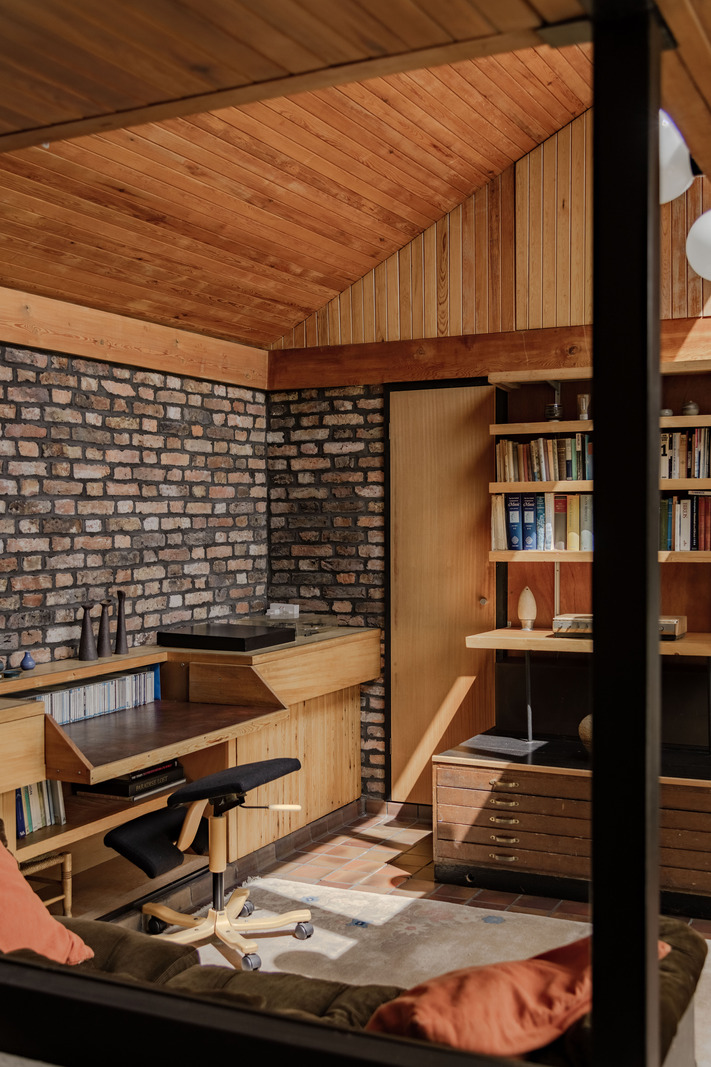
The self-build at Church Lane embodies a deep fondness for university life. One of the spare rooms doubles up as a library, with dog-eared journals arranged neatly in files that face sideways not forwards. An entire corner of the open plan living area is dedicated to the enjoyment of music, with a record player and transcription deck (a machine for cutting records) set permanently into a countertop. Opposite this treasure trove of 1970s audio gear is a leather sofa with corduroy cushions. “Dad would sit listening to Wagner and Mahler and Elgar with tears running down his face,” Chris remembers.
For those in the know, other details pay a more direct homage to the University of York. The tiles in the dining area are the same as those on the floors of rooms in Kings Manor. The stark white corridor leading to the bedrooms feels uncannily like the corridors on campus that students slouch about in to this day while they wait for their tutors. One of the doorways even has Stuart Sutcliffe’s university name plate pinned outside.
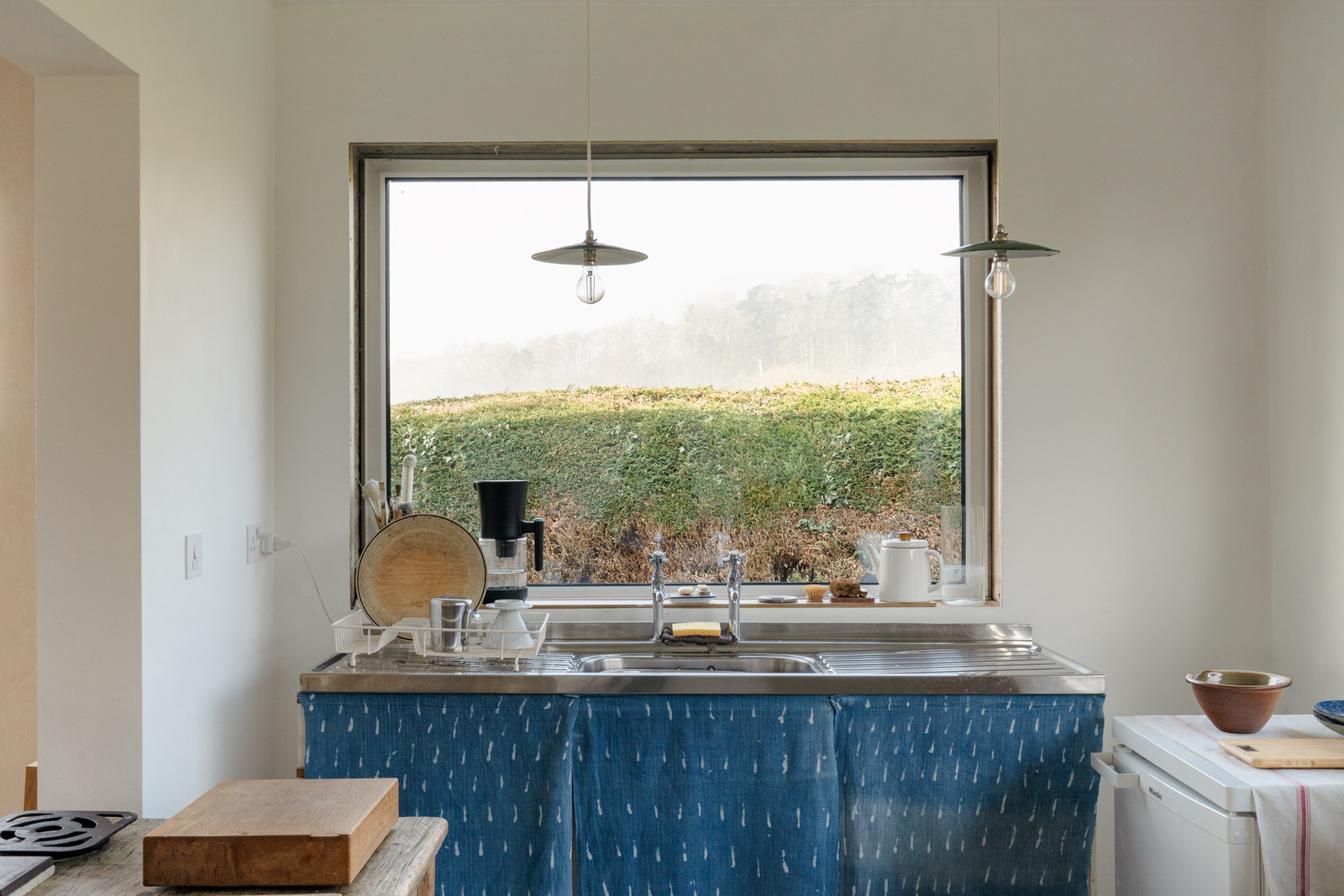
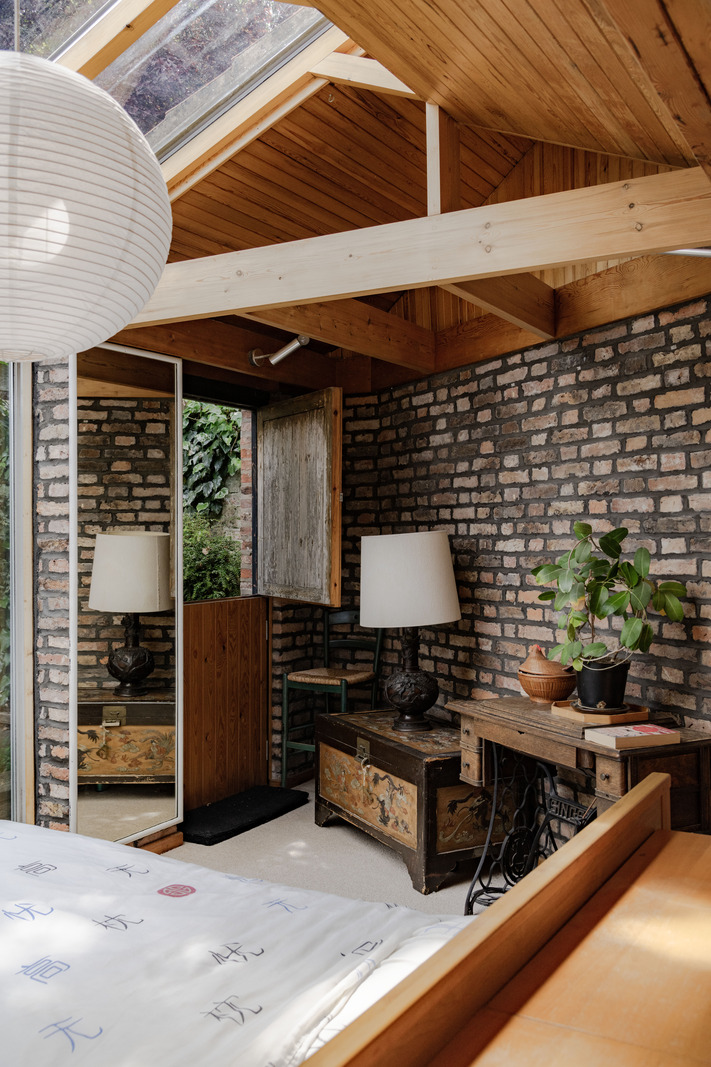
Throughout the house, the same elements appear and reappear in different configurations, like leitmotifs in one of Stuart's beloved Wagner operas. The main living area is dominated by swathes of exposed brick, painstakingly reclaimed from the original barn. The kitchen, which has an externally vented larder, features pine units and tiled worktops. In the bedrooms and the bathrooms, these materials are supplemented by hessian wall coverings, cork tiles, and an even greater concentration of pine match-boarding. “My mum calculated that she painted three miles of fireproofing on the pine panelling,” recalls Chris.
Sadly, like so many academics, Stuart Sutcliffe ended up feeling betrayed by the university he loved, retiring early at the age of 62. “It was a shame really – he left on a bit of a bitter note," Chris says. The IAAS was gradually starved of oxygen and closed altogether in 1997. Its much-loved library survived intact until this year when the University withdrew altogether from Kings Manor, handing their flagship building over to local rivals York St John University. Just as the legacy of the IAAS was finally extinguished, plans were put forward to start a new architecture department. By then Stuart was nearing the end of his life, “but I was able to tell him and it was nice,” Chris recalls.
“I’d like the person who buys this house to be comfortable and bring it up to spec,” says Chris. Whoever takes on the house will inherit an unspoiled example of the professorial self-build: a house that was created to test and demonstrate theories first explored in the lecture hall. This is a home steeped in the ideals of the post-war modernist movement and infused with the optimism of Britain’s plate glass universities in their heyday.
Follow George Younge, an interior designer, furniture maker, and Honorary Fellow of the University of York, on Instagram