Synthesise this: the experimental musician who turned a Cornish schoolhouse into a creative hub and home
September 9th, 2025
This article is more than a year old and may contain information that is out of date. Sorry about that.
Interview Amy Bonifas
Photography French + Tye
Film Arran Busk
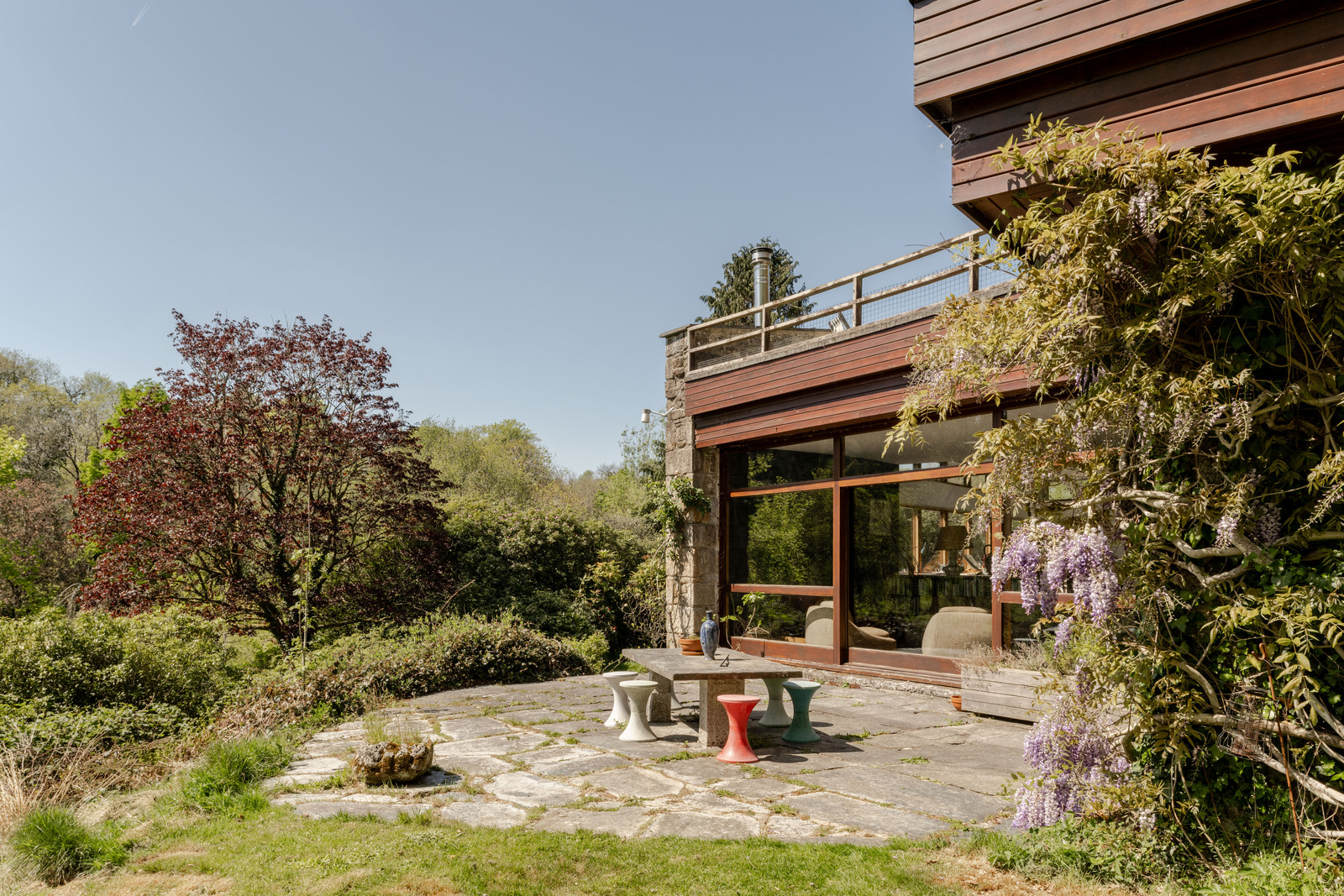
Hidden in the folds of the north Cornish moorland in St Breward, Fellover School is home to Ben, a musician who has transformed this former nursery into a sanctuary of sound. Ahead of its sale, and for the second film in our House Music series, Ben has brought this unique space to life with a performance of 'Home' – composed exclusively for The Modern House – on his Buchla 200 Modular Synthesiser. Below, he describes daily life at Fellover School.
Tell us about what first drew you to Fellover School.
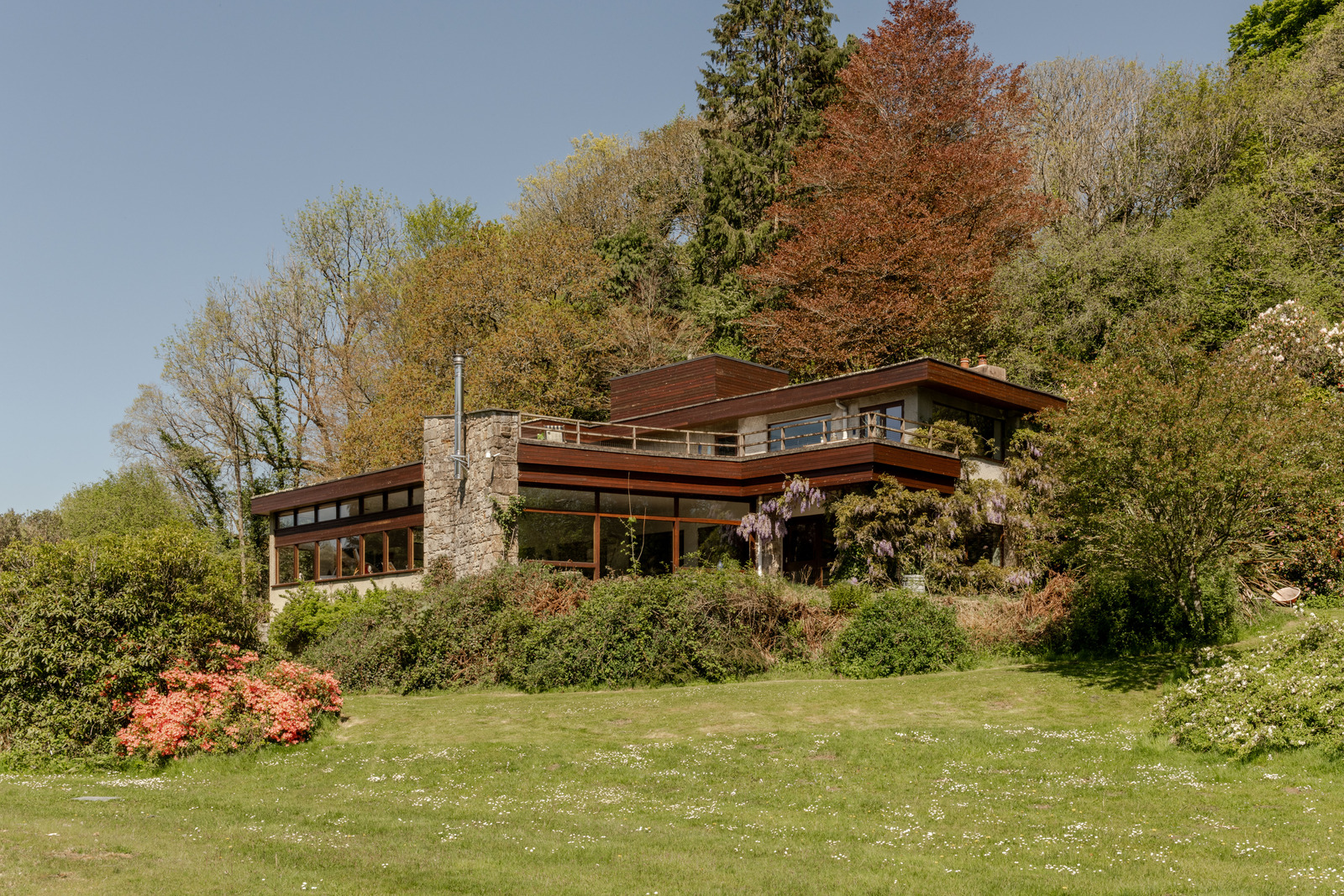
“I first saw the house from a post on The Modern House mailing list back in 2013, as I was getting off a plane on my return from holiday. I was immediately struck by its bold architectural lines and beautiful setting.
“My father happened to be in Cornwall on holiday at the time, and he was able to take a look at it that same day. He said to me: 'It's simply stunning, you have to see it in person to realise how perfect the house is and its setting.’ The photos and descriptions didn’t do it justice.”
Have you made many changes to the home while living there?
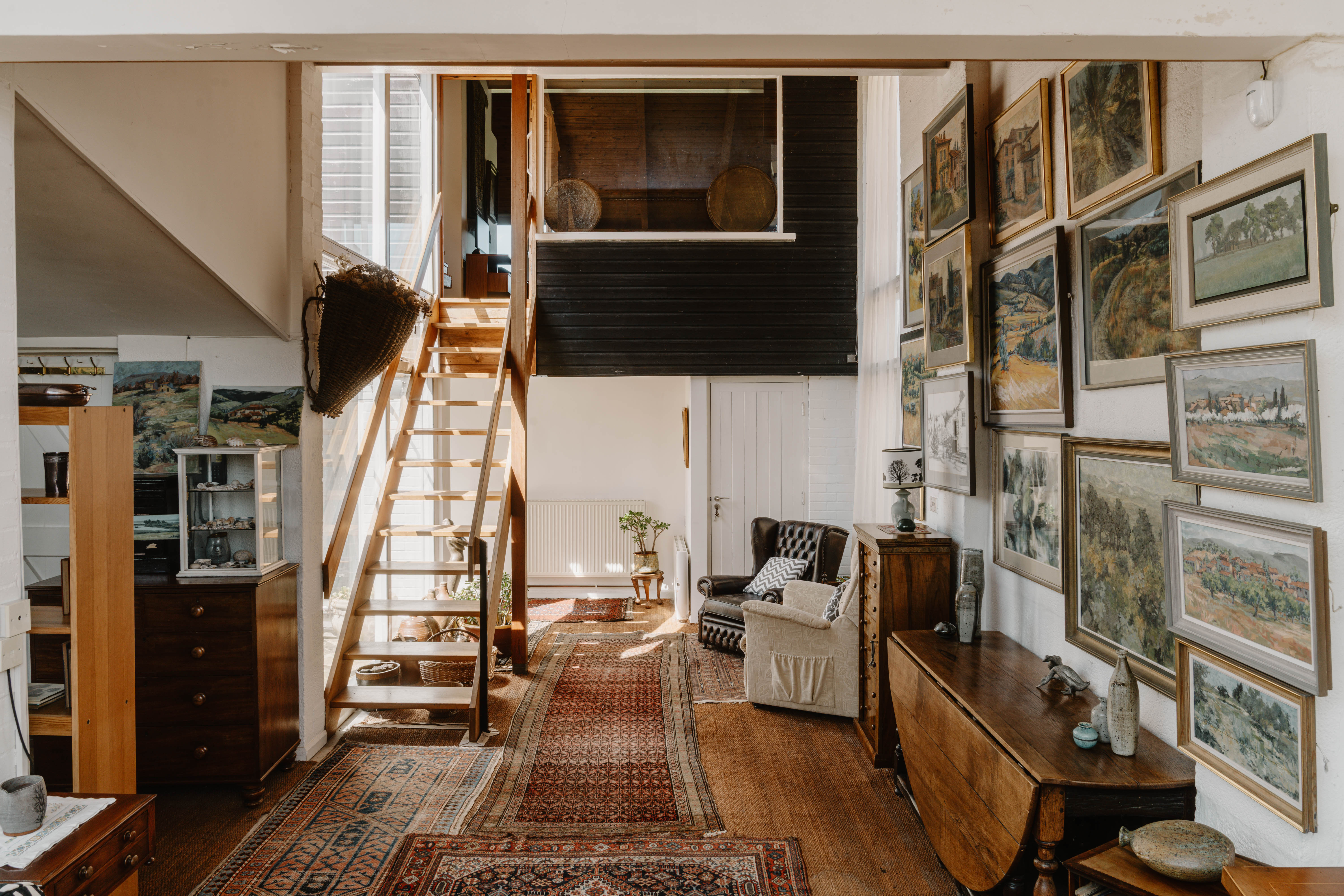
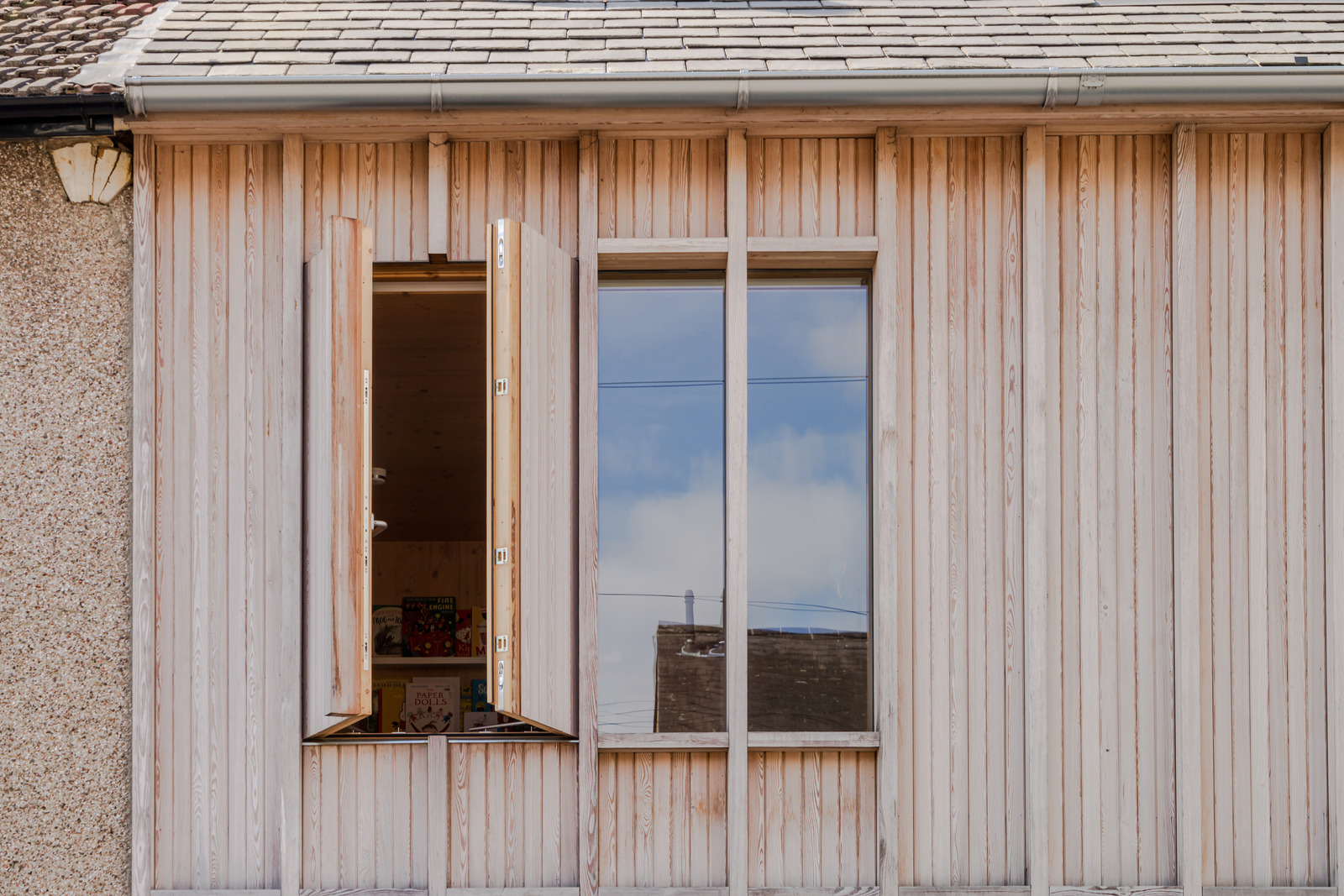
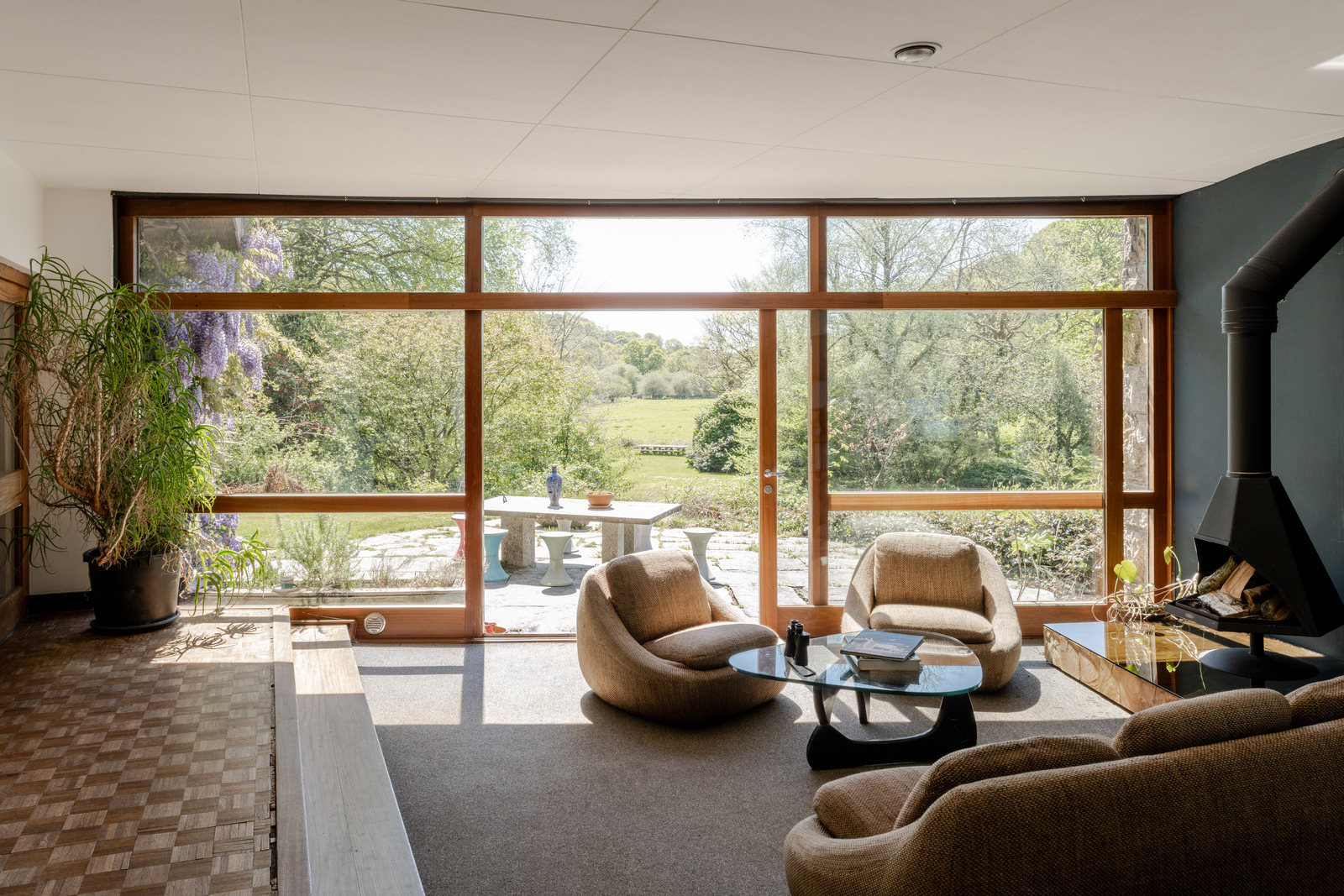
“I had all the windows replaced (all 70 of them) as the originals were all single-glazed units. I used the same Iroko wood and the same profile for all of them, to stay as close as possible to the original design. Luckily, I have all the original architectural plans for the house, which were drawn up in 1960 by Ronald Sims.
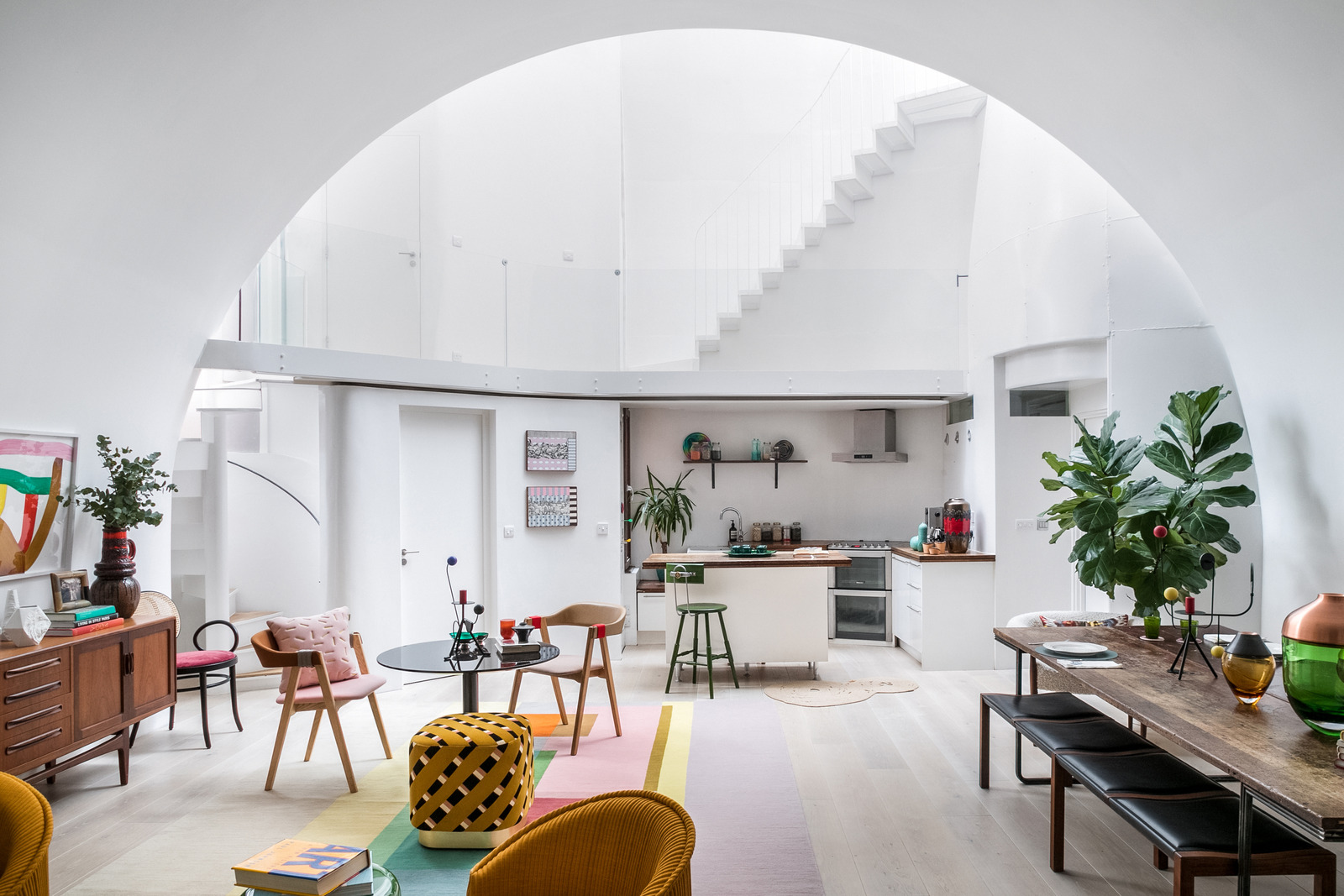
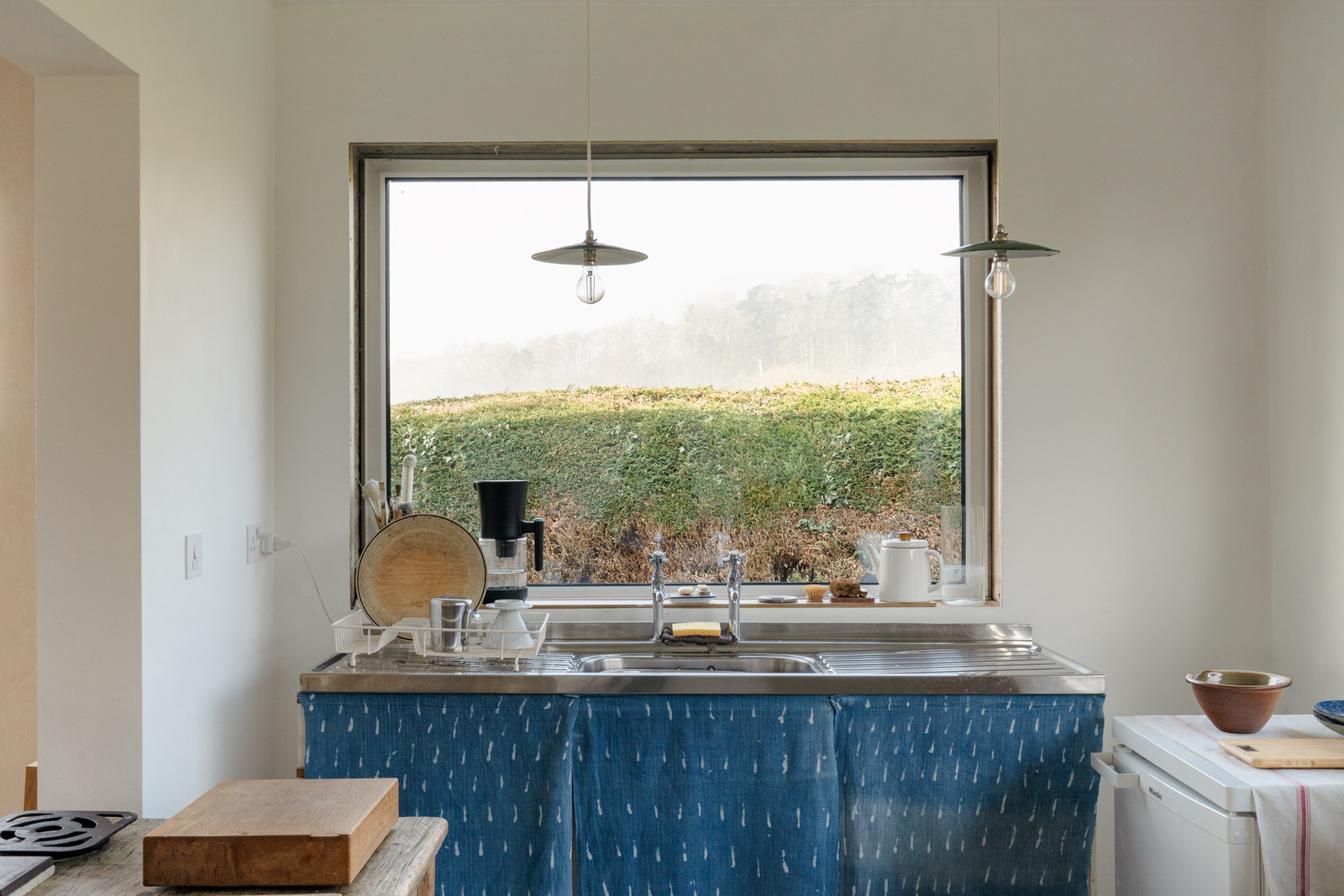
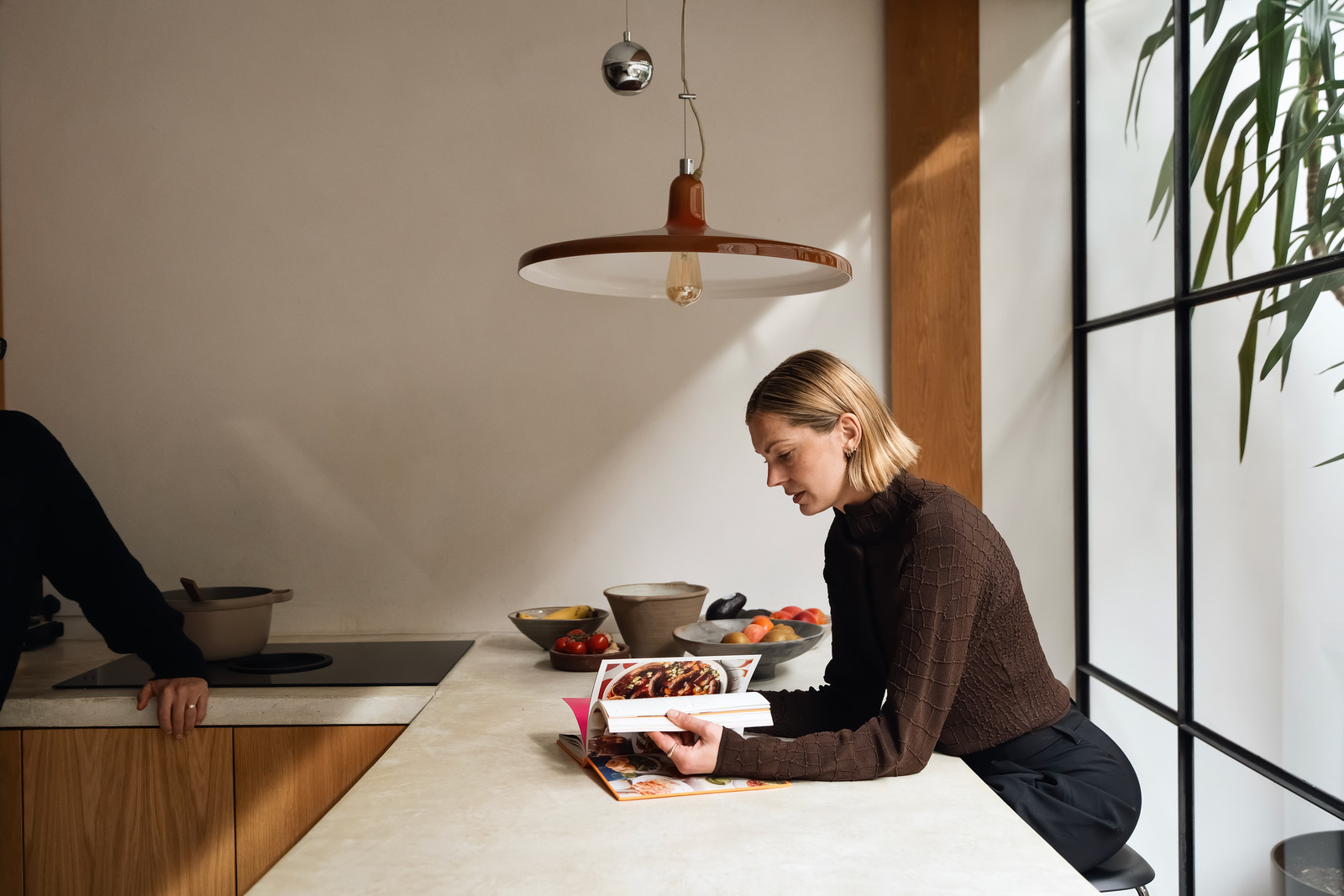
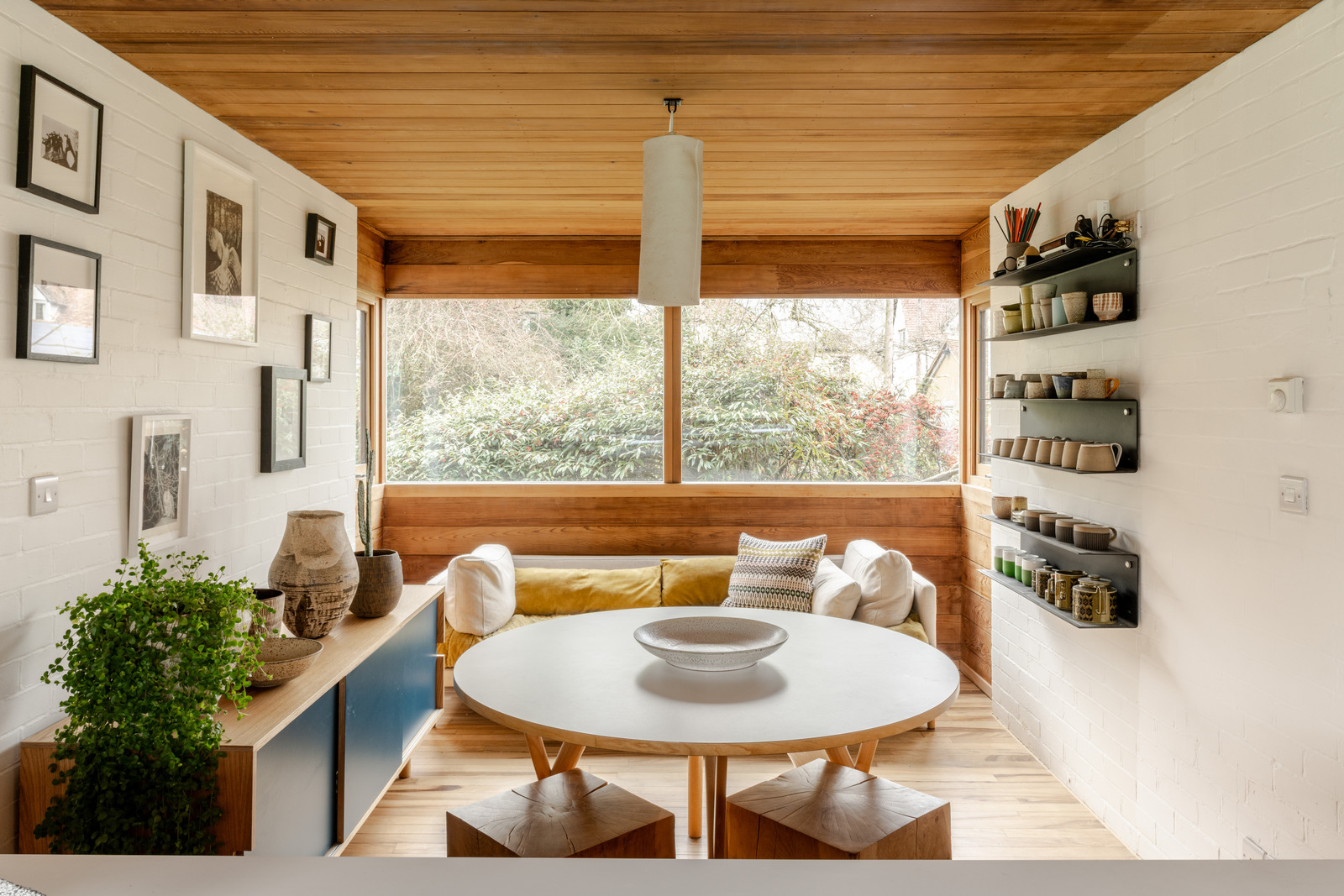
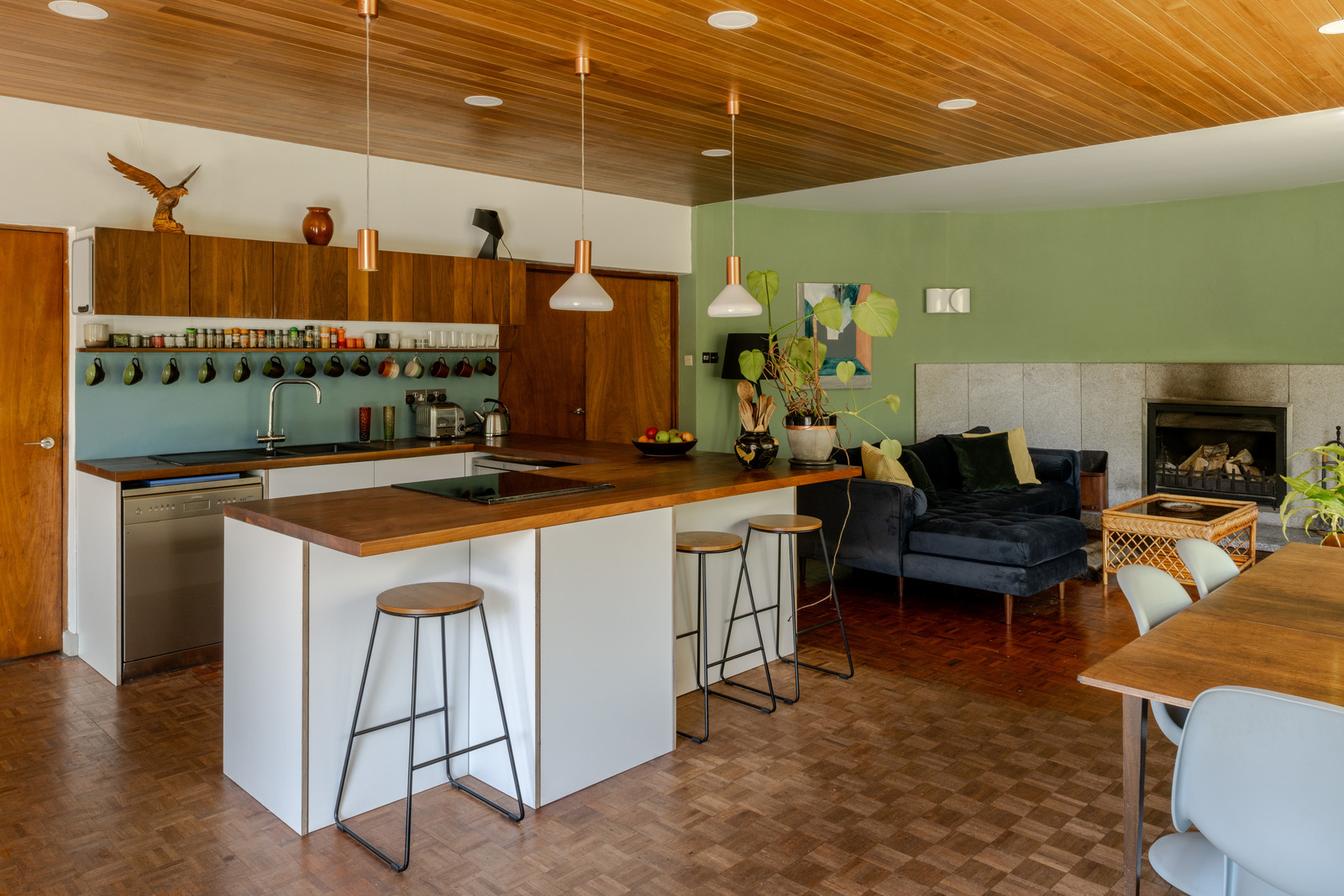
“We moved the kitchen into the main dining room, which is now the heart of the house, connecting all the rooms and the outdoor space, with views across the terrace and gardens. It's a great entertaining centre now, and feels a lot better than it did. It was typical of 1960s design to hide the kitchen away at the back, but this feels much better suited for modern family living.
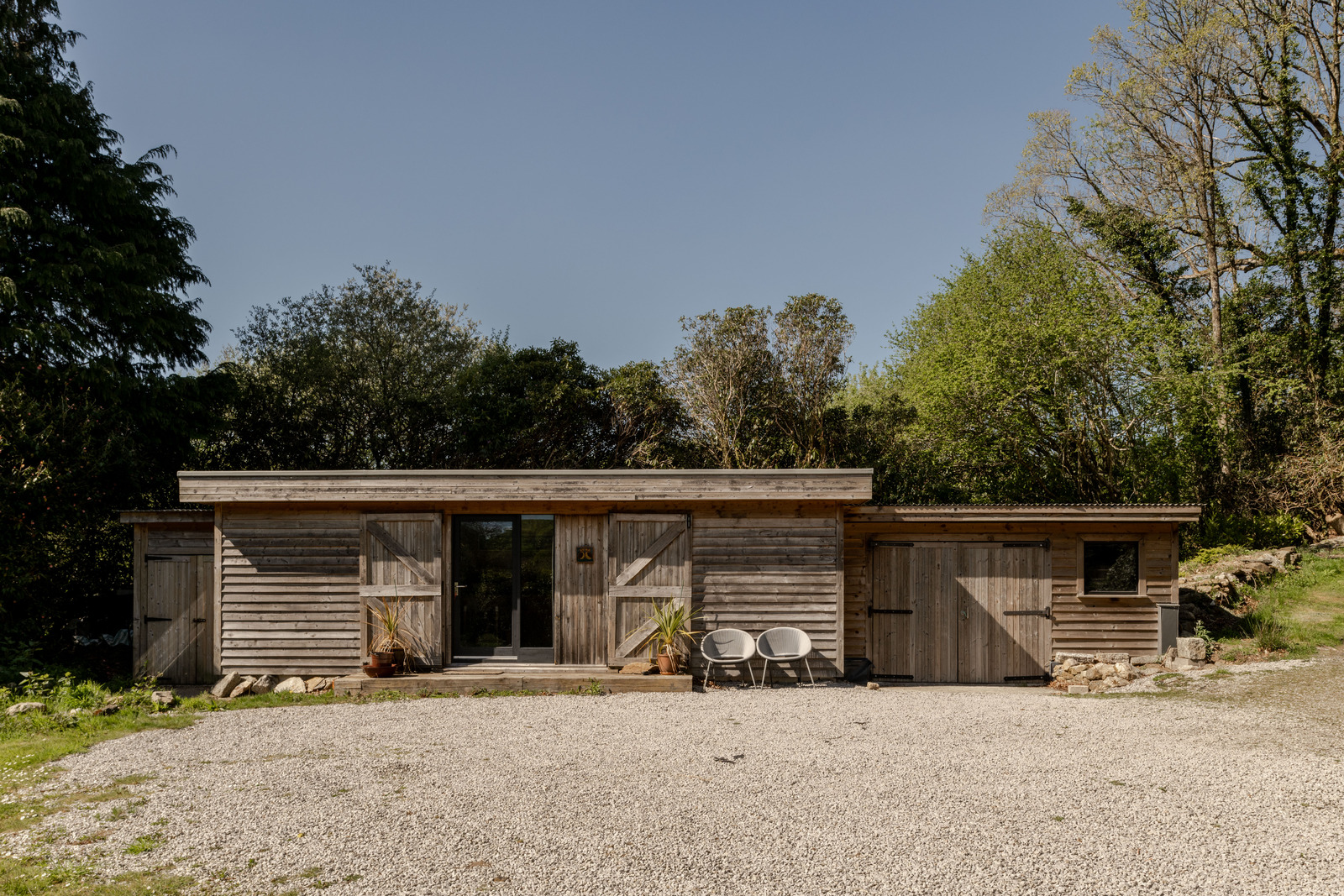
“Outside, I built a garage and an adjacent wooden cabin with two bedrooms, a kitchen/dining area, and a shower room, which has been great for guests and visitors to stay in, offering privacy and peace."
What have been Fellover School’s past lives?
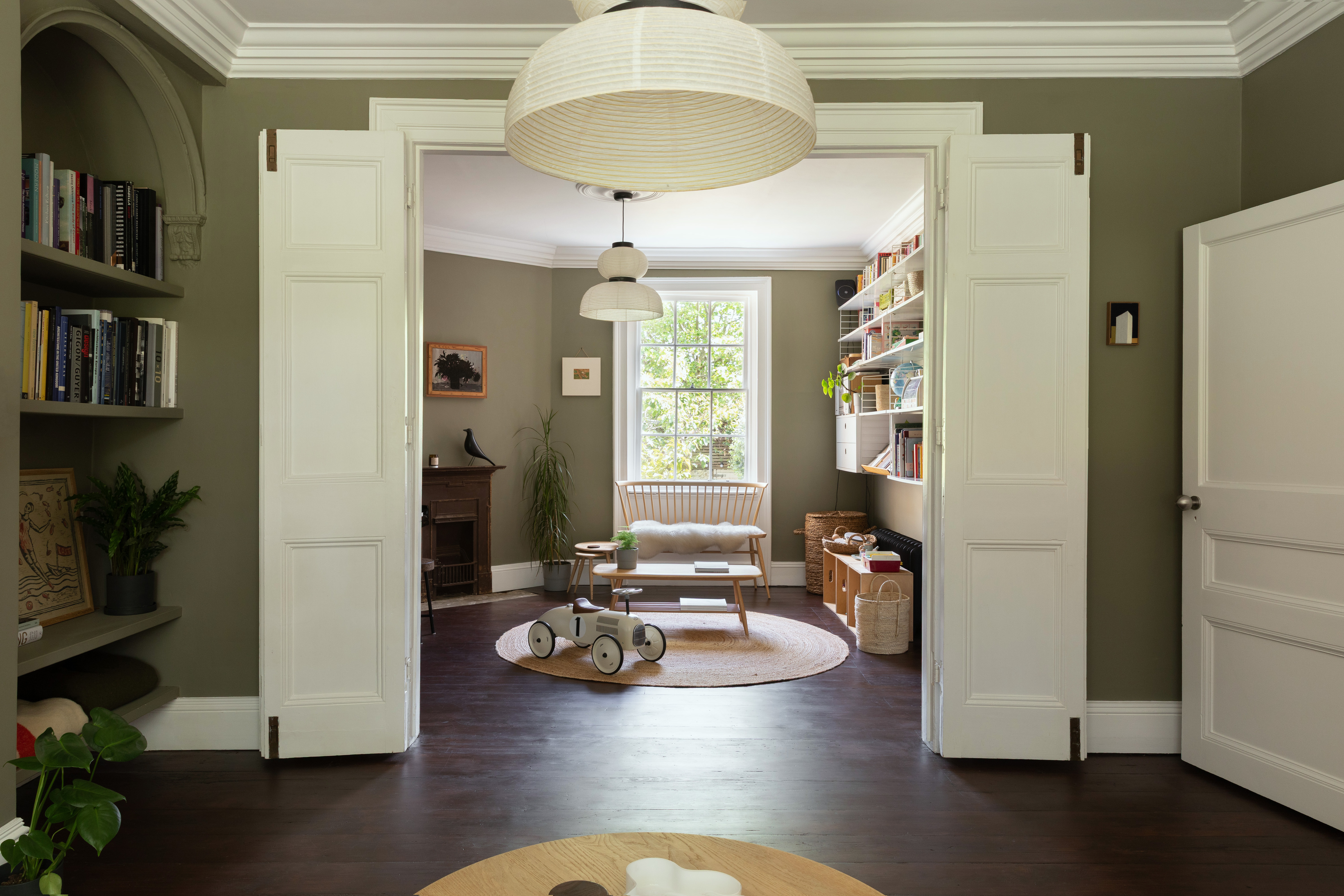
“I don't know too much about the history of the house, as I never got to meet the previous owner. She was a school teacher and ran a small private nursery in the main hall of the house. I believe the school operated from the early 1960s to the mid-1980s, but she also lived here with her family during that time.
“There’s some history of the house described in a book about the renowned studio potter Michael Cardew, who lived nearby and was a friend of the previous owner. Michael's son was Cornelius Cardew, the modernist composer who was a frequent visitor to the house and hosted musical soirees – I'm guessing in the 1970s. I would love to have attended one of those! I've had a few musical soirees myself, since we’ve been here.”
What instruments do you play and have at home?
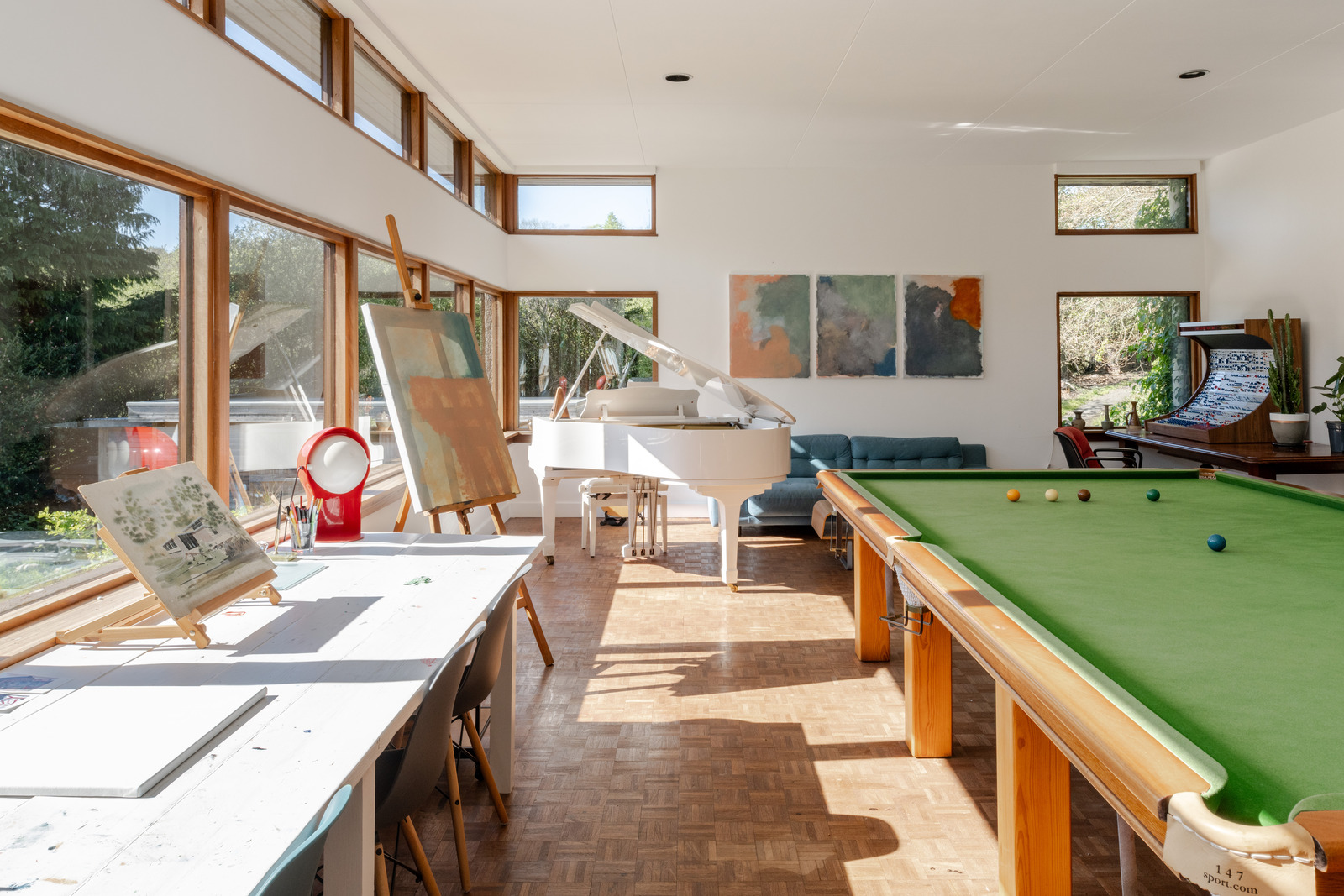
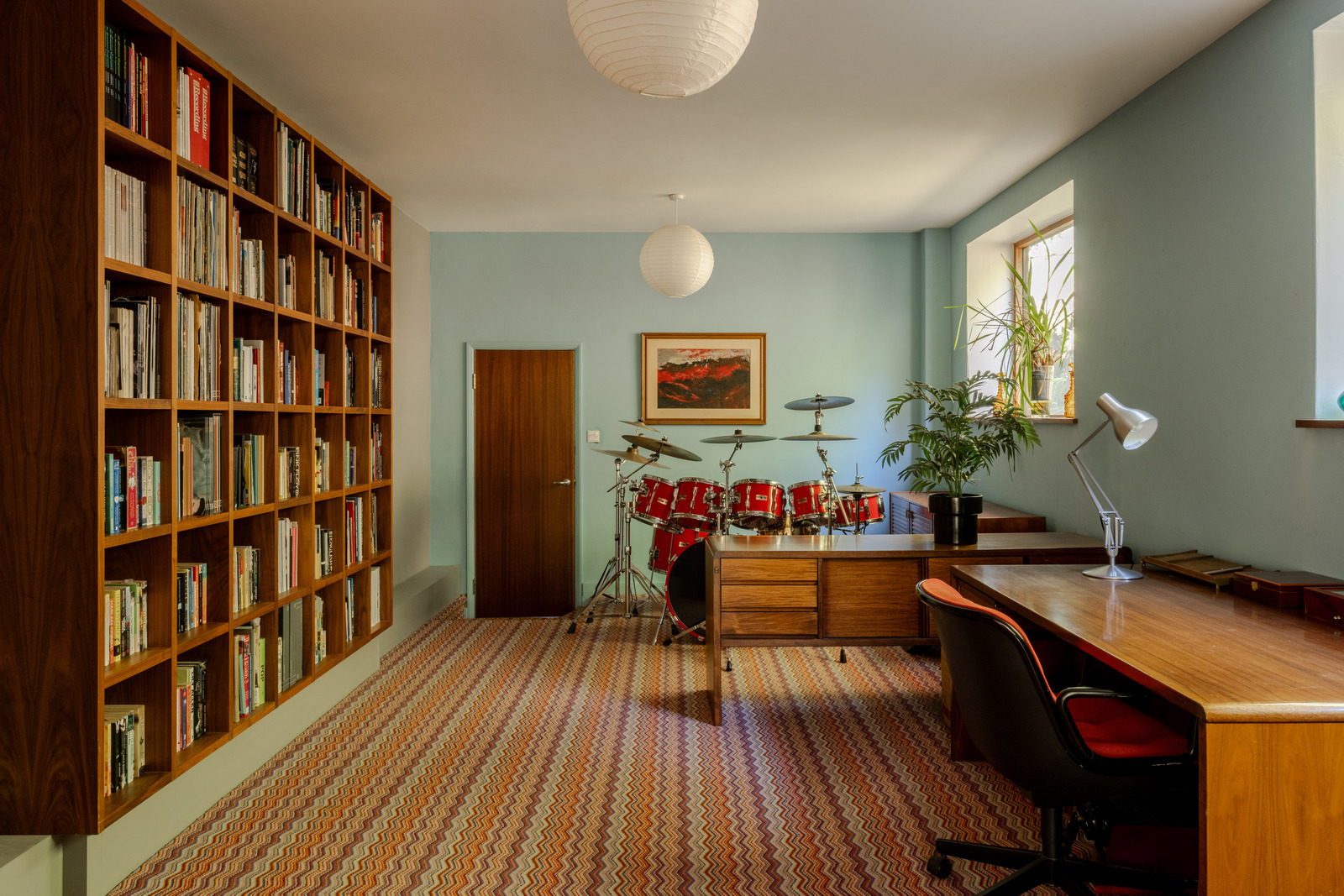
“I make electronic music, but I do play a bit of piano and a few other 'real' instruments. The great thing about having no immediate neighbours is that I can practice my drums at any time without annoying anyone, except my poor family and dogs!”
How does the setting of the home influence the music you create?
“The house, the garden and the incredible beauty of north Cornwall have been a constant inspiration for me. There’s a mystical, ancient quality to the moorlands, which begins at the top of the break that climbs up from behind the house. You’re free to walk anywhere on the moors, it being common land, and it stretches 30 miles behind the house.
“There have been many times where I have stumbled upon an ancient stone circle not even mentioned on the maps, or walked with wild ponies, or sat on a stone wall looking across to the sea in the distance. It’s the highest point in Cornwall.
“The north Cornwall coast is, in my opinion, the most beautiful, unspoilt stretch of coastline anywhere in the UK, and the famous South West Coast Path is a 15-minute drive away. The sea and the rugged cliffs, the sandy beaches, the hidden coves and caves, the amazing sunsets – they all play an important role in my creative life.”
Who are your musical influences?
“Cornelius Cardew was a huge part of the English experimental scene in the 1970s, which influenced all of progressive, creative music, from modern classical composers to more pop-oriented figures like Brian Eno. It was such an important time in musical history.
“But I would say my greatest musical influences are the electronic music pioneers of the 1970s and 1980s; people who really pushed the boundaries of what was possible with the equipment they had at the time."
How do you feel about leaving Fellover, and what do you hope for in your next place?
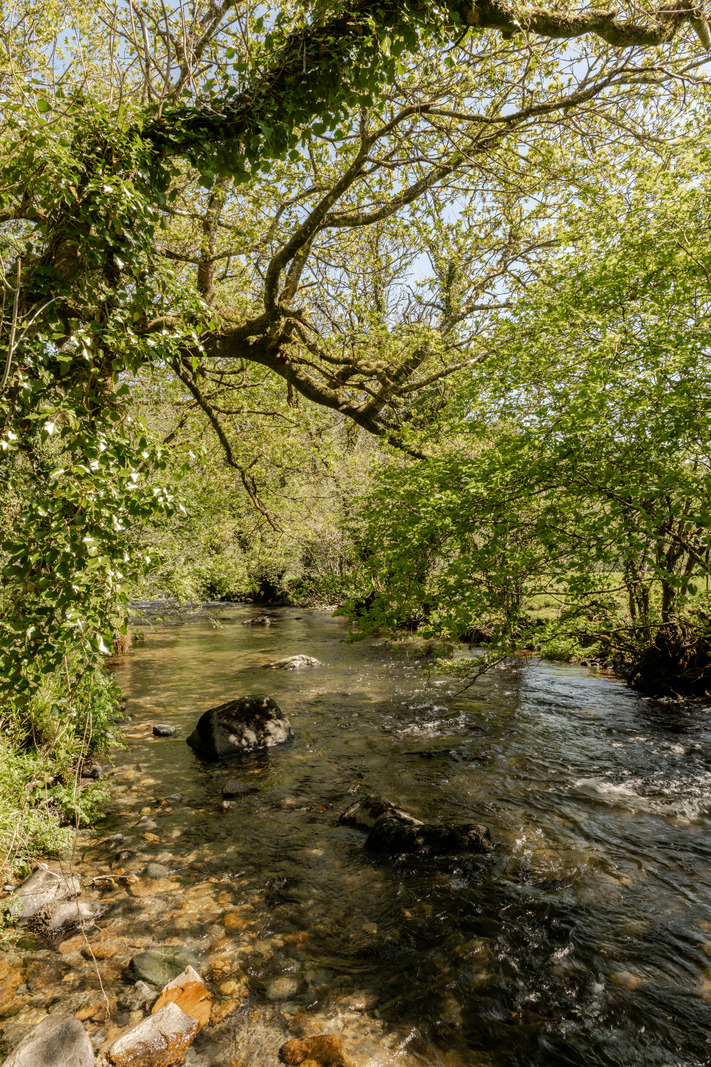
“It's going to be a tough act to follow – especially the perfect natural setting, with the winding river Camel (the Cornish word for 'winding' in fact, nothing to do with the ungulate!) running alongside the house, and nobody overlooking us. But the family has grown up and left home, and my wife and I feel it's time to move on to new and exciting things together.”