Dance moves: a singular house and therapeutic garden in Herefordshire, now for sale
December 17th, 2025
Words Grace McCloud
Photography Paul Whitbread
“Art has the power to change you,” says painter, sculpture and furniture designer Malcolm Temple. As Pant Hall, the unique home and garden he created with his wife, Karen, comes to market, he tells The Modern House about the choreographed, sensory experiment that they have created together over the last 13 years.
One day, when he was six years old, Malcolm Temple visited a walled sunken garden in Southend-on-Sea, where he lived. He remembers feeling troubled at that age – old enough to worry about the world, not old enough to understand it. There, with his grandparents, noticing the sunshine hitting the cloister running the length of one side, he underwent a great sea change. “I just thought, ‘This is extraordinary. I have to carry this with me all my life.’”
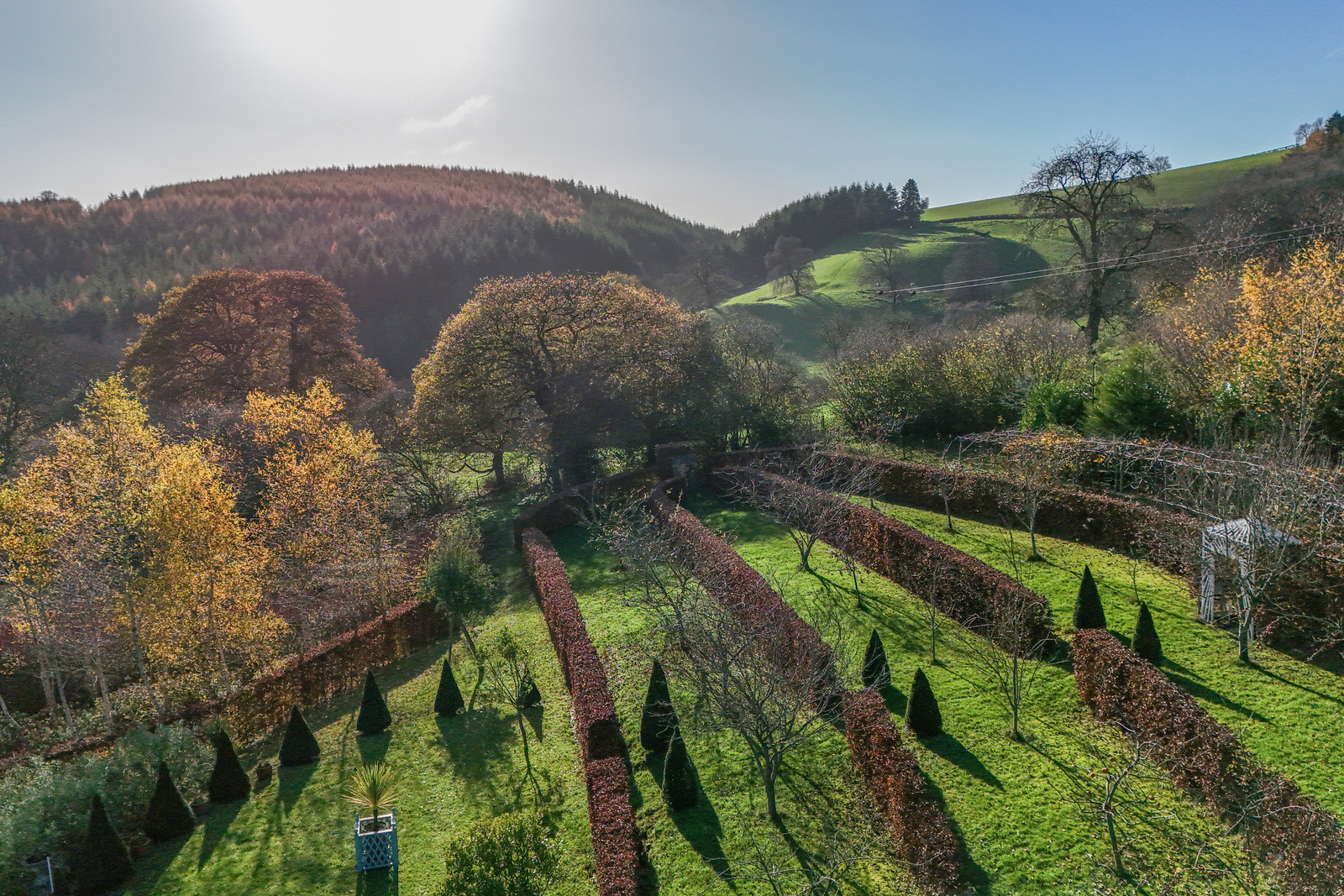
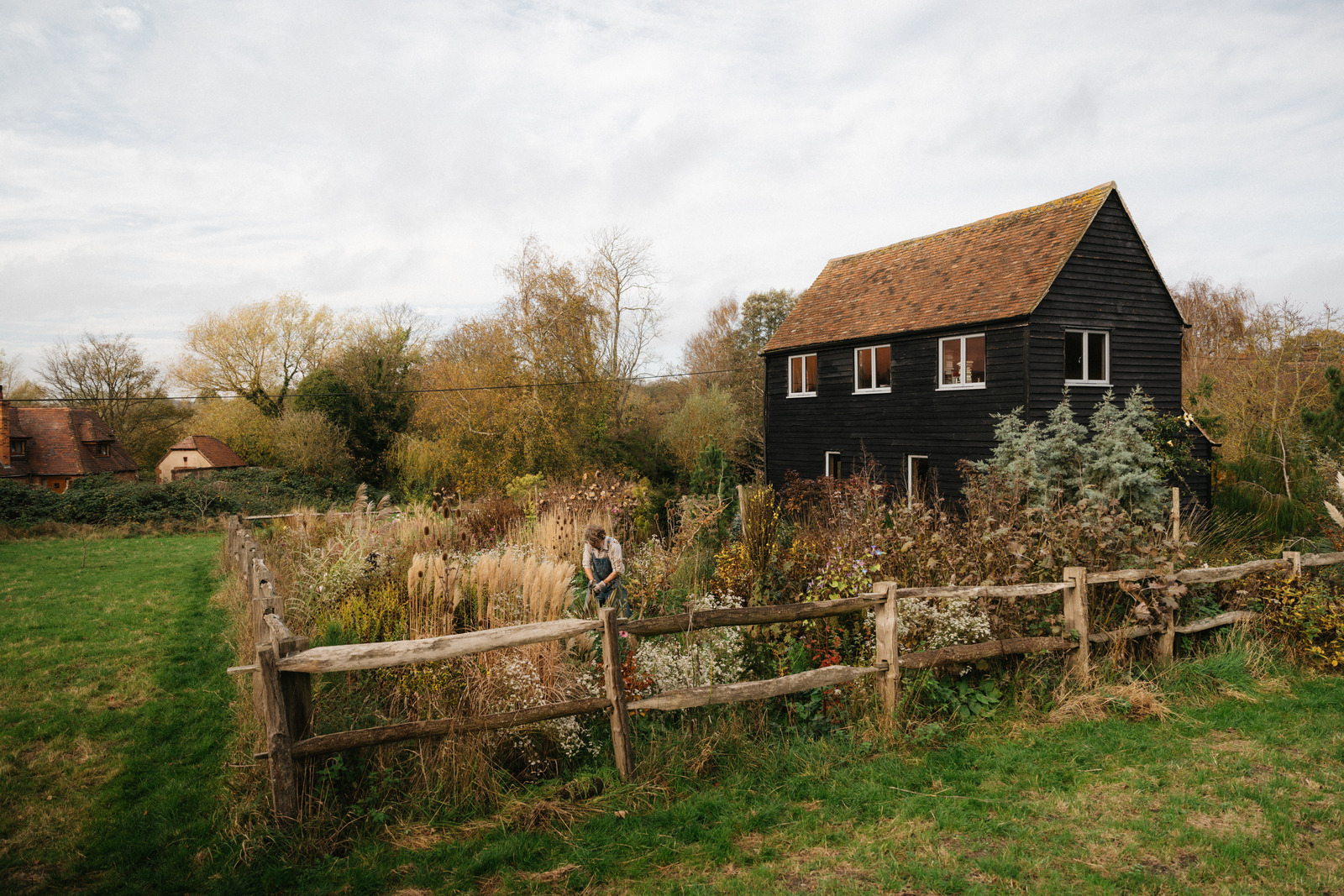
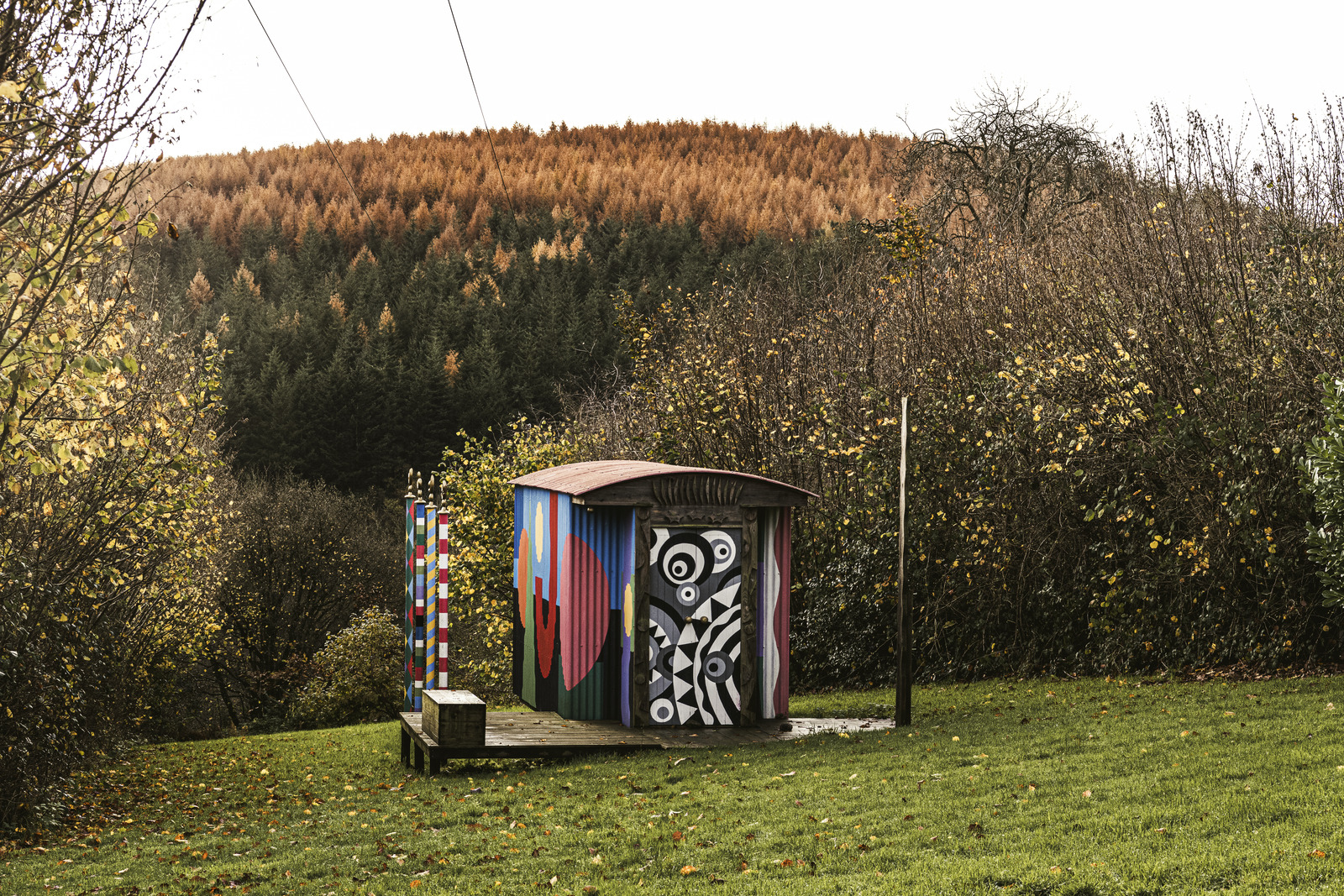
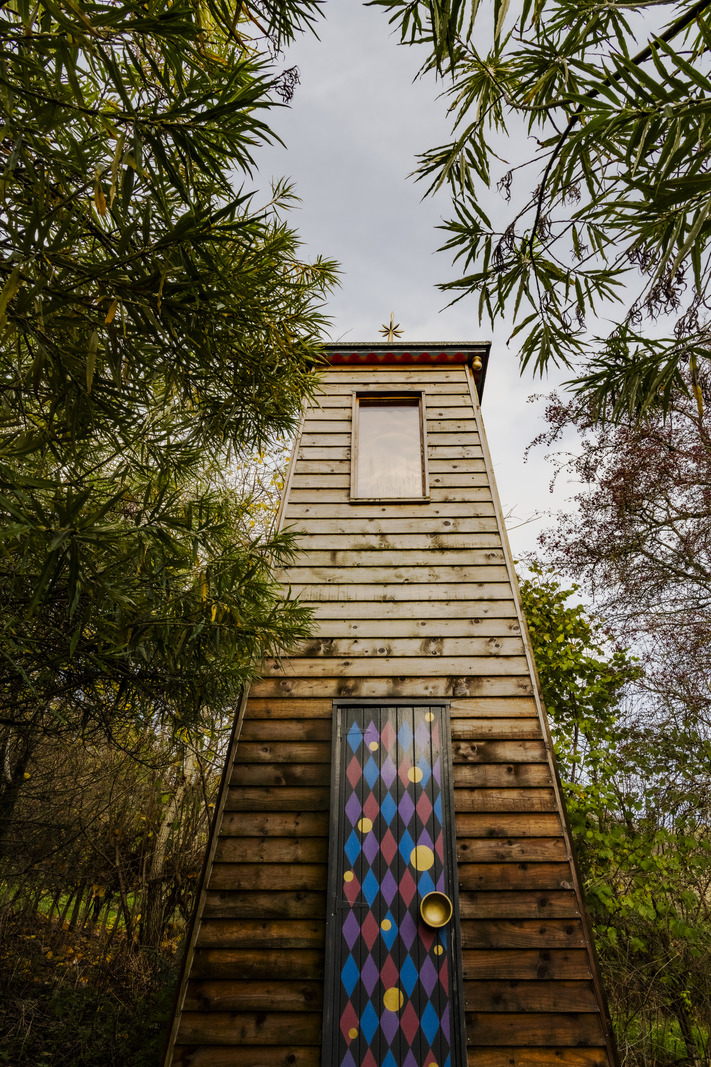
He has. A painter, sculptor and furniture designer, Malcolm has dedicated his life to creating objects and spaces that have the capacity “to change you as a person. I have had my life changed by art,” he says, “and I know the redemptive power it holds.” Perhaps the greatest expression of this is the garden he and his wife, Karen, have created at their home in Herefordshire, Pant Hall, currently on the market. Over the course of the 13 years he and Karen, who works in therapeutic horticulture, have lived here, they have transformed six acres of sheep pasture into something quite remarkable. Dotted with various buildings and sculptures and defying simple explanation, it is more a choreographed and experiential sensory experiment than a straightforward garden. With such follies as an Artist’s Chapel – a shepherd’s hut conceived as a flower, vividly bright without and “pure white, pure peace, like nectar” within – and a Golden Tower, a shiplap monolith that glows in the late sun’s aura, perhaps the closest comparison Pant Hall invites is an 18th-century pleasure garden: immersive and inherently performative (he and Karen have even hosted concerts here, including one by the violinist Rakhi Singh). More than anything it is, Malcolm says, “a dance – and when you’re in the garden, it’s like being part of the dance.”
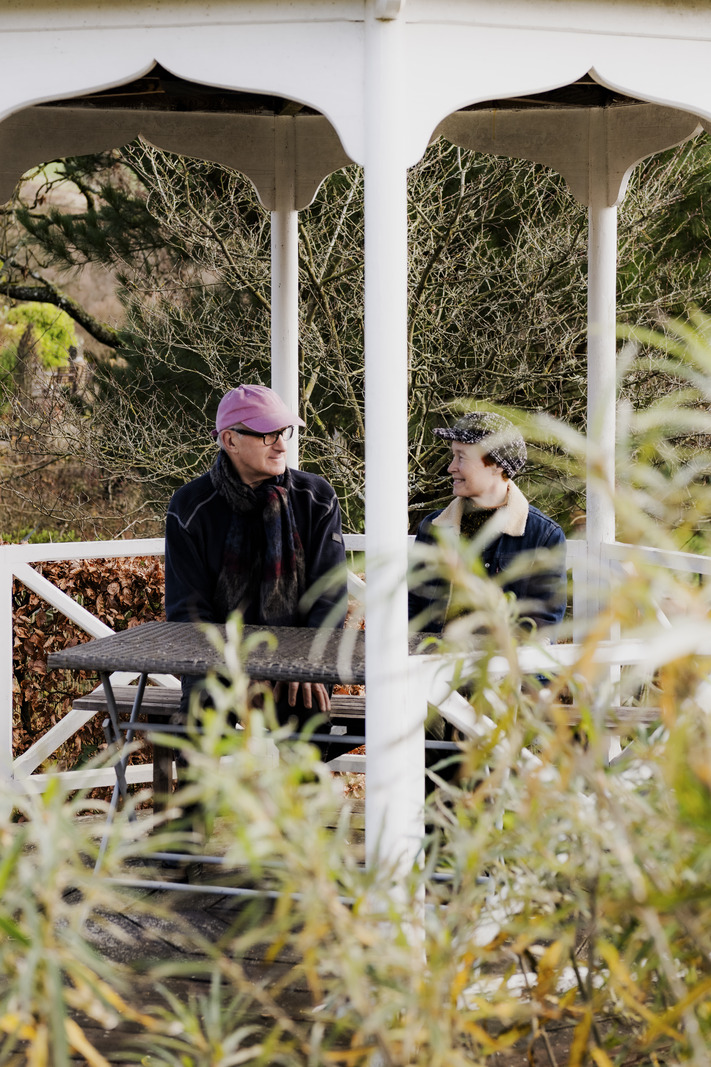
Dance has been “in [his] soul” for a long time. “A lot of my art is about resolution and rhythm,” Malcolm says. He and Karen are particularly passionate about contemporary dance, which is in part driving their relocation to London, where Karen will begin working as a therapeutic dance teacher. Like opera, dance is, Malcolm believes, “where all of the arts meet” – which is exactly what he was envisaging at Pant Hall, a place where movement, sound, stories, poetry and more converge into something that “I hope can inspire and change people’s lives”. Unsurprisingly, Malcolm knows he will miss this cherished place, but he also knows the garden is finished. He has other projects in mind, other places and spaces he needs to transform and – in doing so – feel himself transformed again.
Malcolm Temple: “Before we moved here, Karen and I were living in London. Karen was running a therapeutic restoration project in the walled garden at Chiswick House, I was making art and designing gardens and garden pavilions. We both realised how wonderful it would be to work together. We couldn’t afford lots of space in London so we began looking in Herefordshire, which was good value, and came across this house.
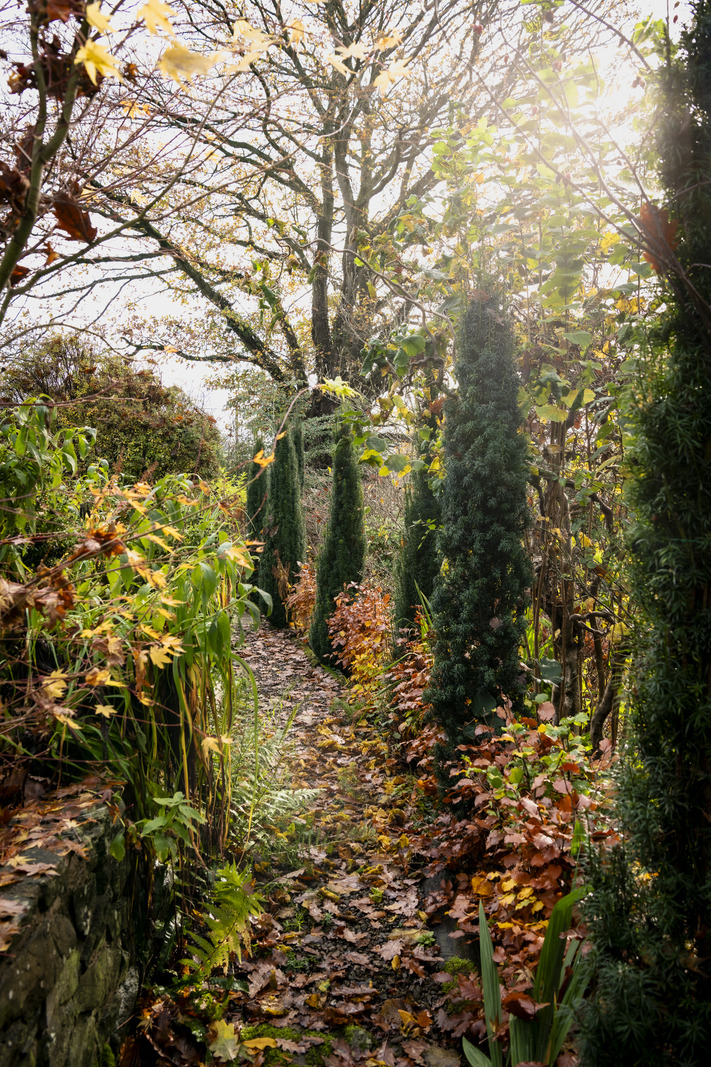
“We have designed it as a dance. The shape itself is a performance. If you look at an aerial shot of it, you can see the rhythms we have woven into its layout, a bit like the Nazca desert drawings. In fact, I tried to design the entire layout as though I was a bird, looking down over the three-acre woodland we’ve planted and working out what shapes I wanted to create out of them using pathways.
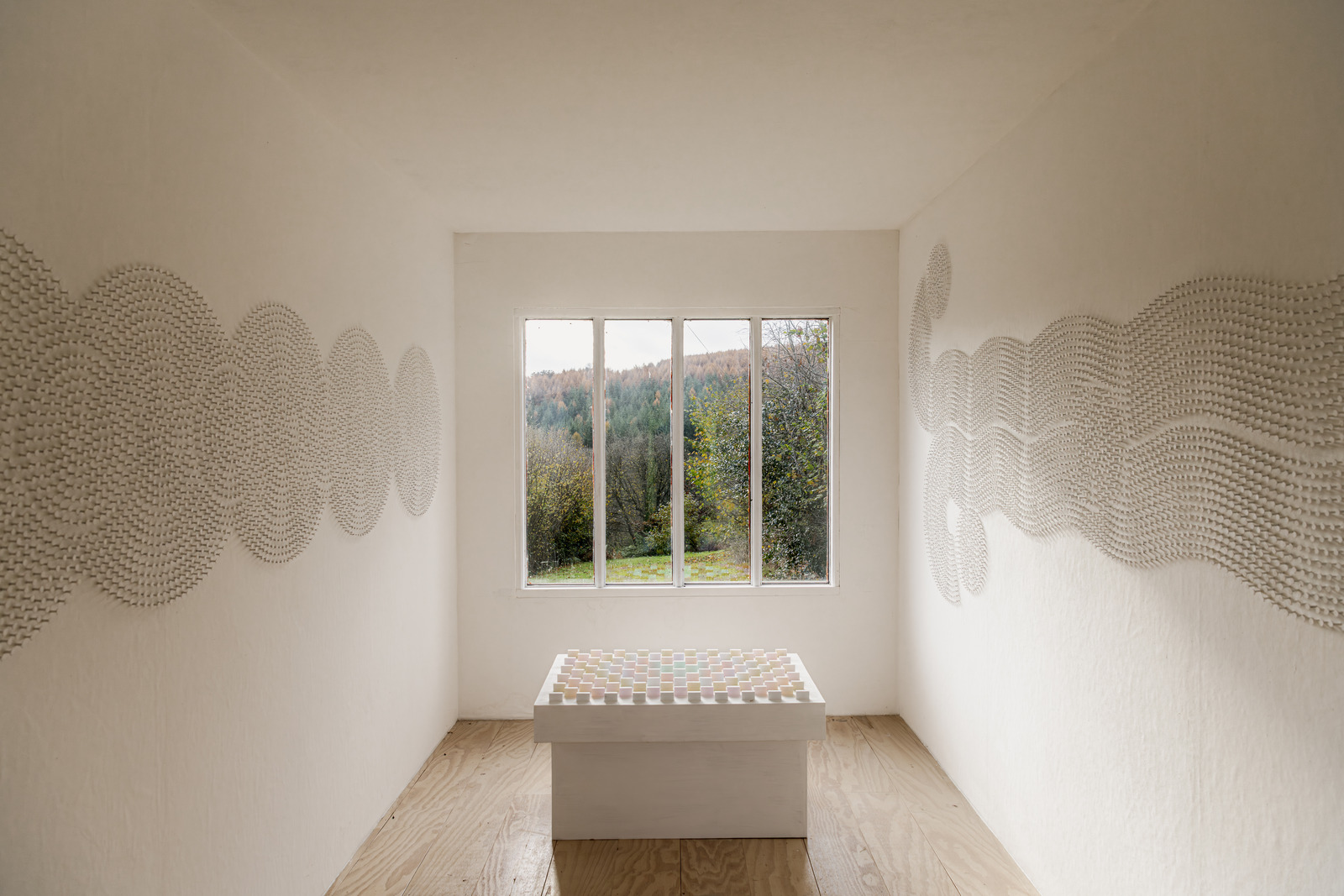
“The garden is a performance on its own, but when you visit – and we do open it to those interested – the paths guide your movement in a way that makes you feel part of the dance. There is a flexibility to the choreography, however. I want people to feel surprised when they’re here, so when they come, we give them a groundplan, which they can either follow or ignore, letting the garden lead, if they wish. Either way, they will come across the various sculptures and buildings I’ve created throughout, each of which has been conceived as a moment of discovery.
“The paths that meander through the woodland and the terraces we’ve planted are key to the rhythm. They’re partly inspired by the meanders at Chiswick House, but also by William Kent’s work at Rousham, a garden that certainly changed me when I first visited. There, the woodland is not impenetrable but is instead a place of discovery, thanks to the paths that wander through it. I’ve also laid the trees out in particular patterns to underscore the rhythms. In the last decade we’ve planted three acres of indigenous tree species, with thanks to a grant from the Forestry Commission. It amazes me that some are already 40-foot high.
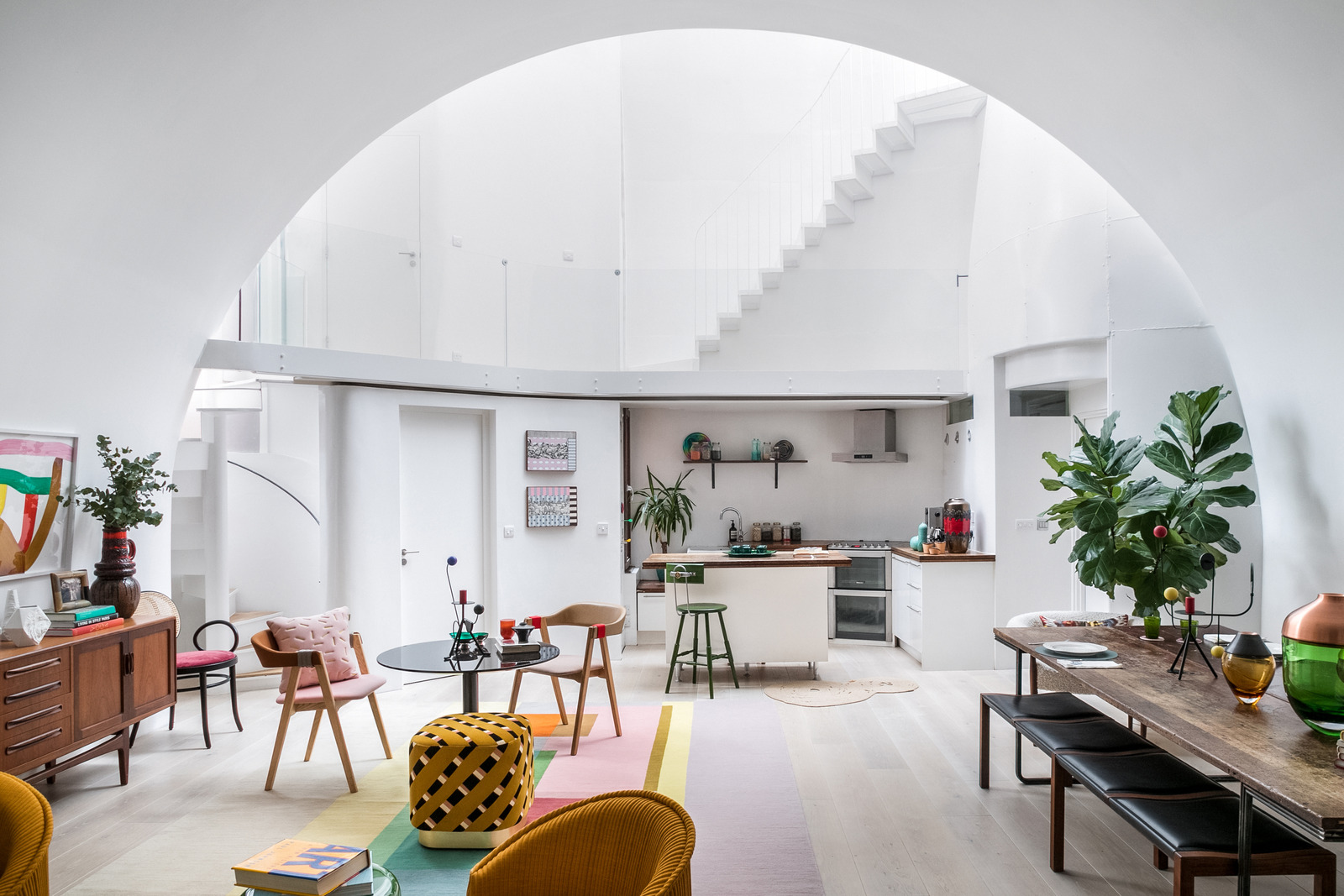
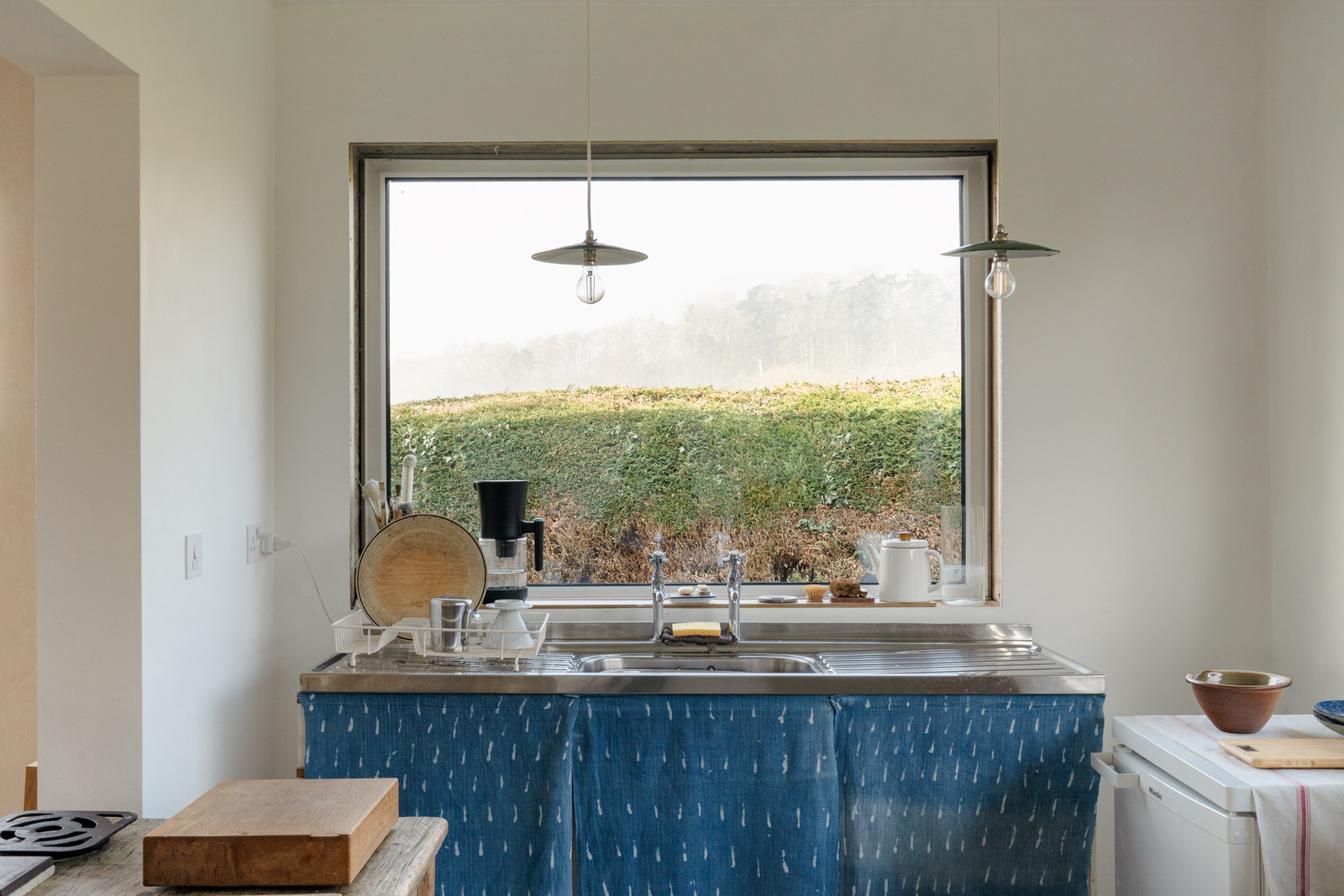
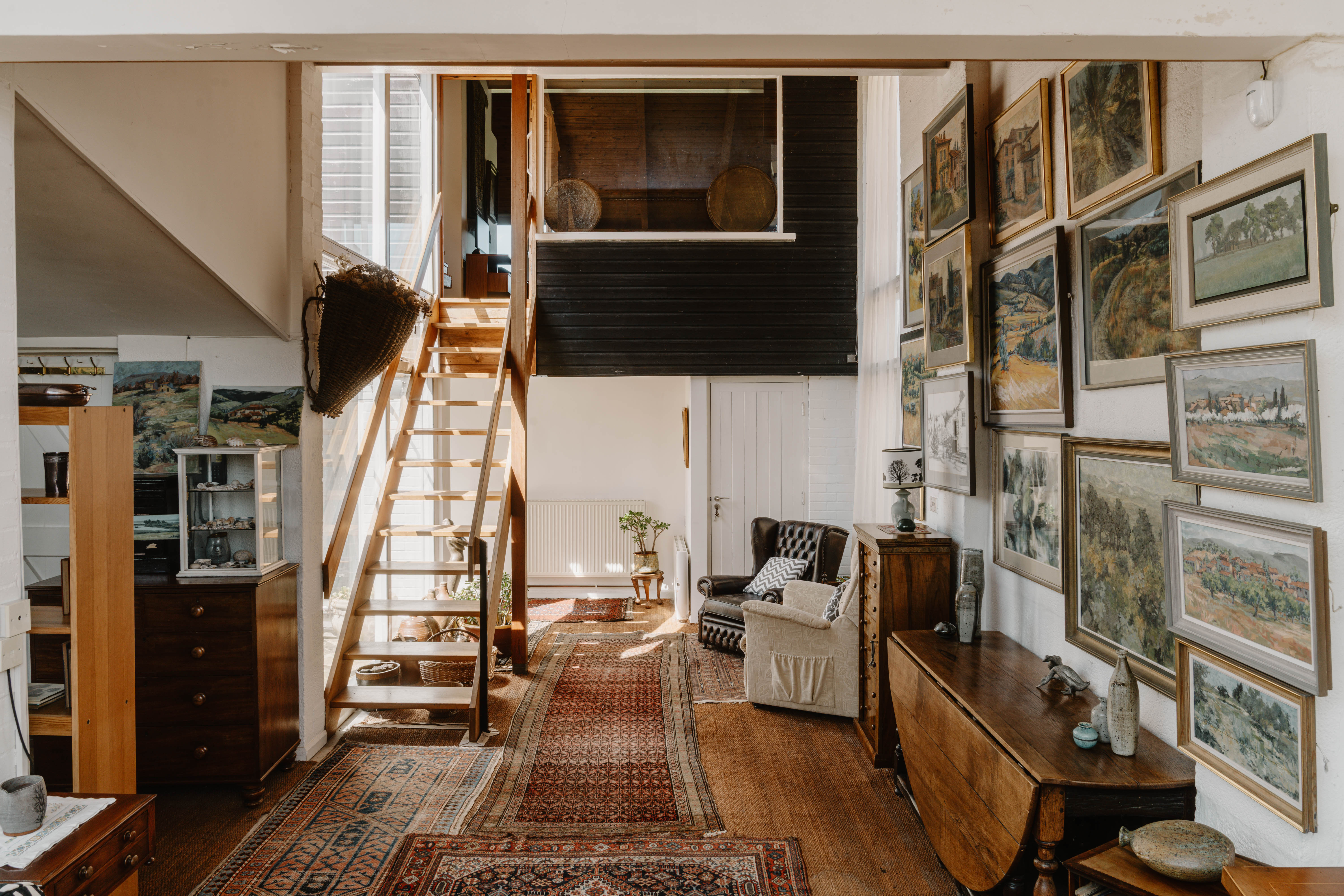
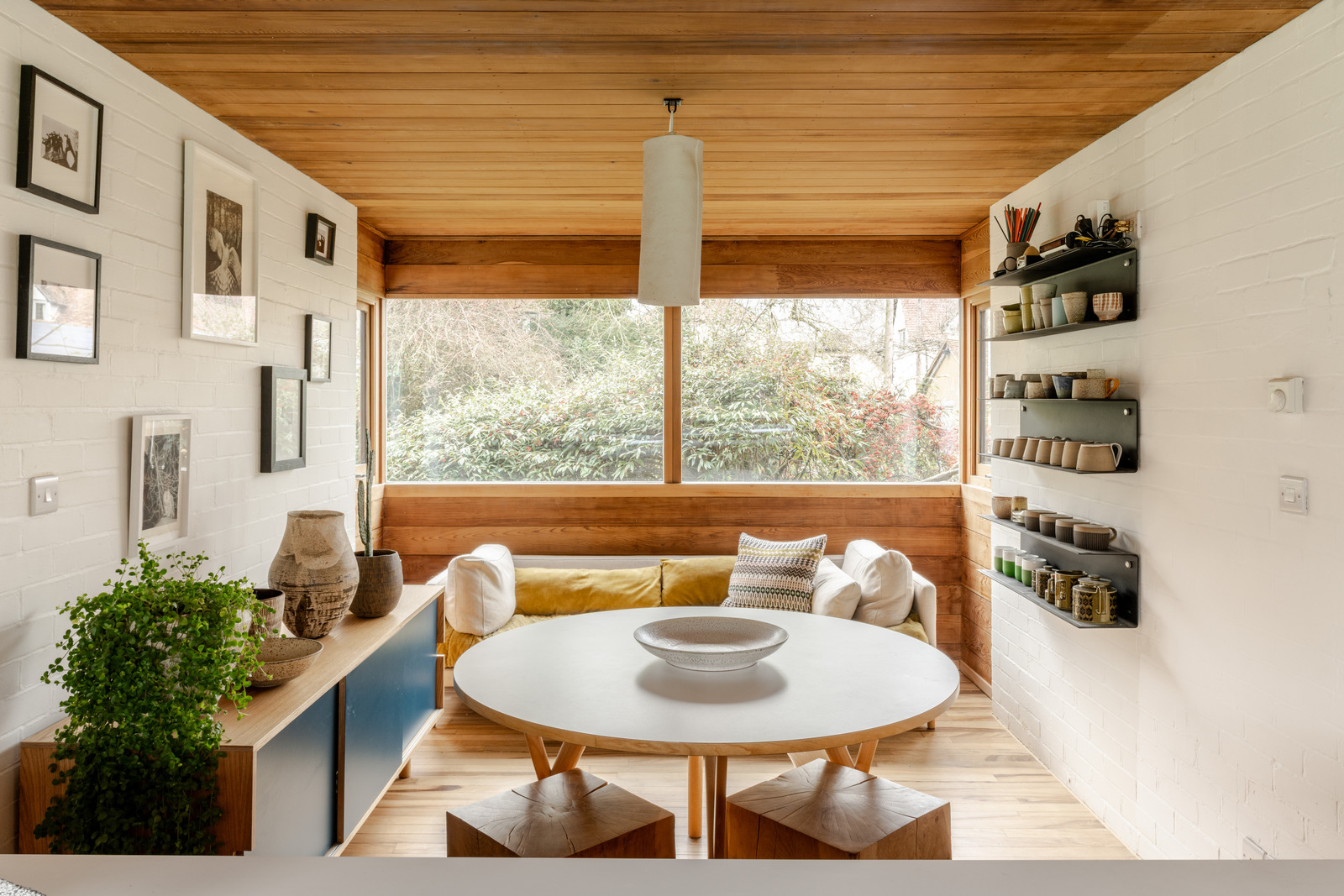
“The garden has lots of subtly distinct zones, or atmospheres, that roll into one another as you explore it. I wanted the house to have the same feeling too, which is why every room has a slightly different feeling to it. One place I’ve visited lots over the past 40 years is the V&A, which illustrates beautifully the myriad possibilities there are for interior environments, a taste of which I’ve tried to incorporate into our home.
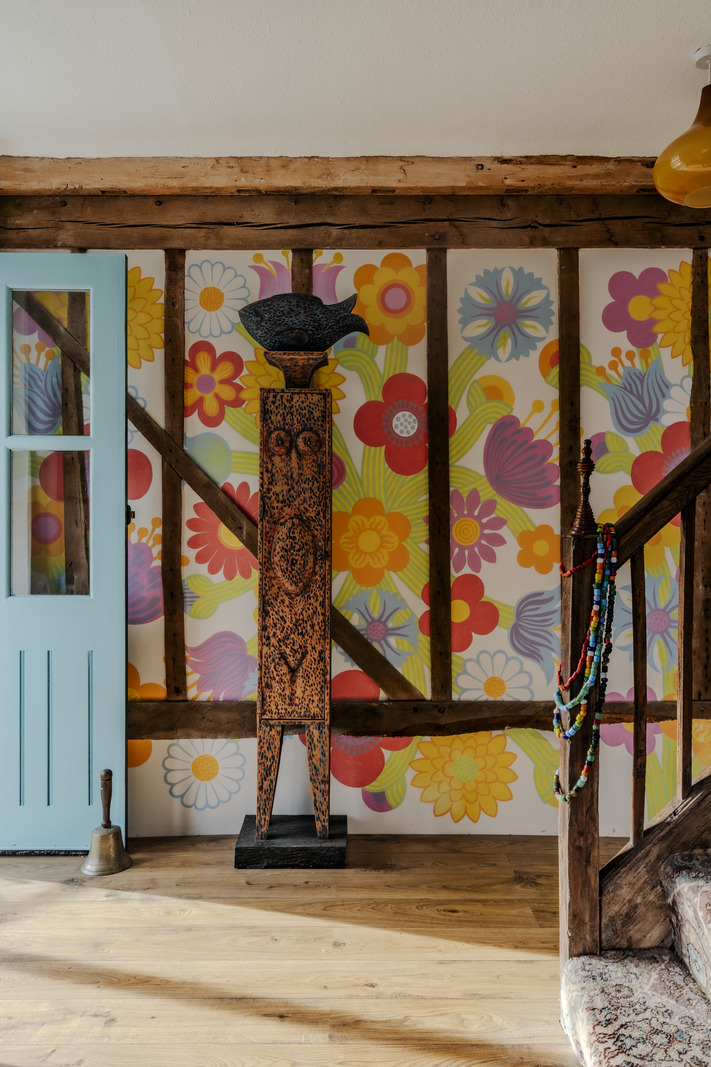
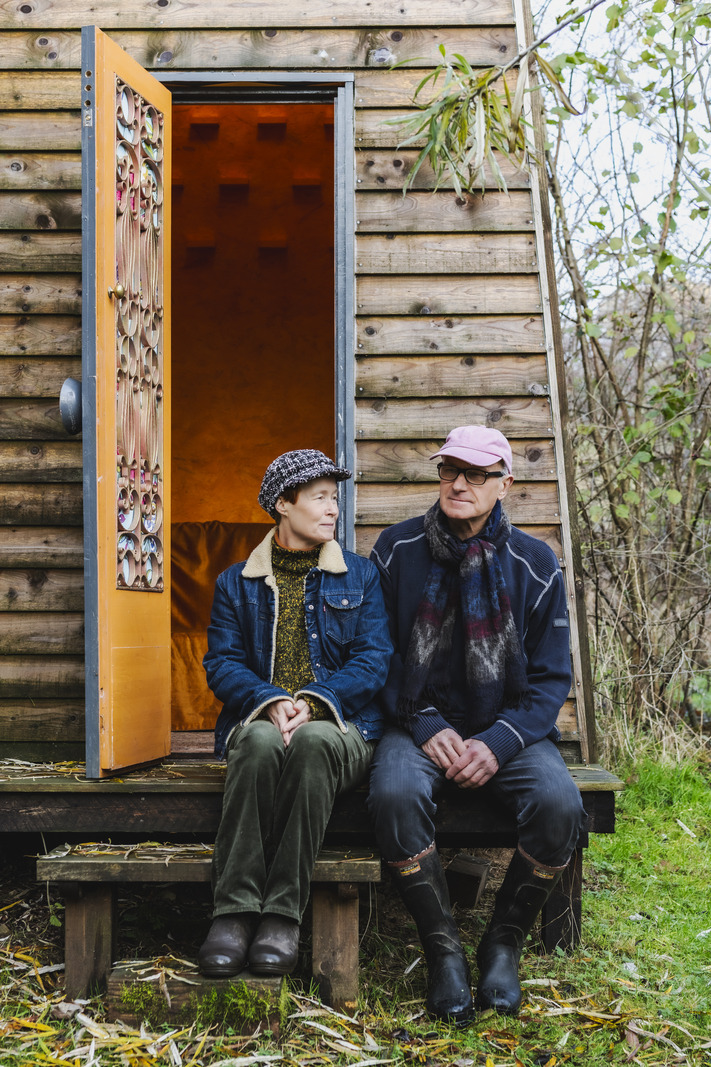
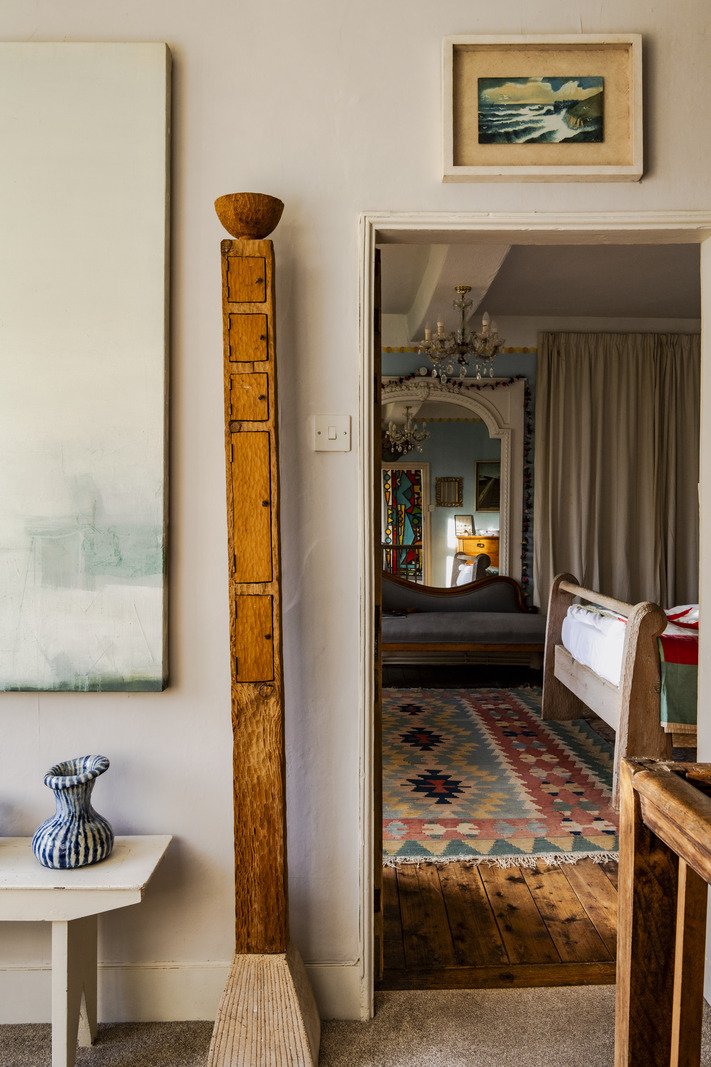
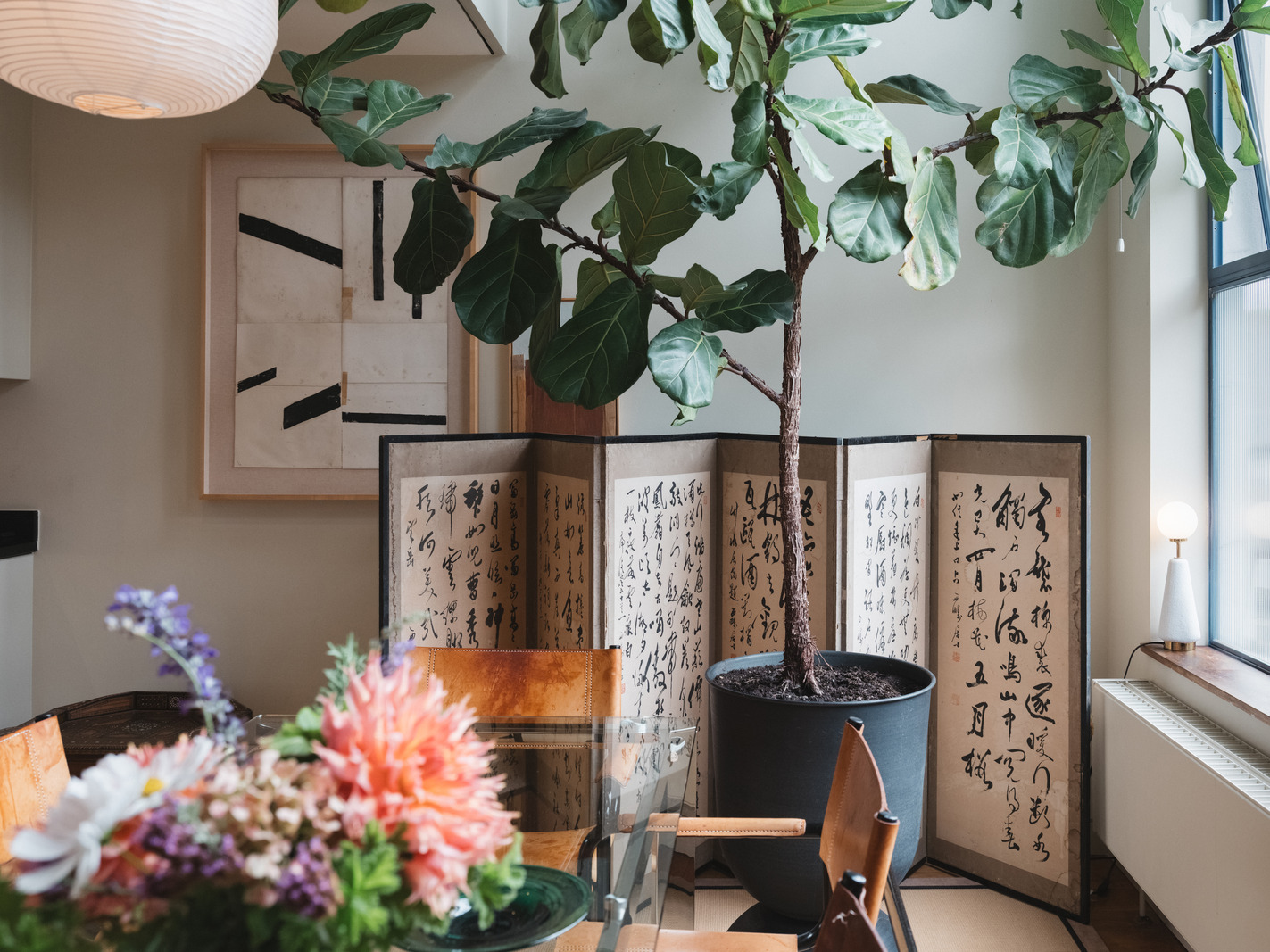
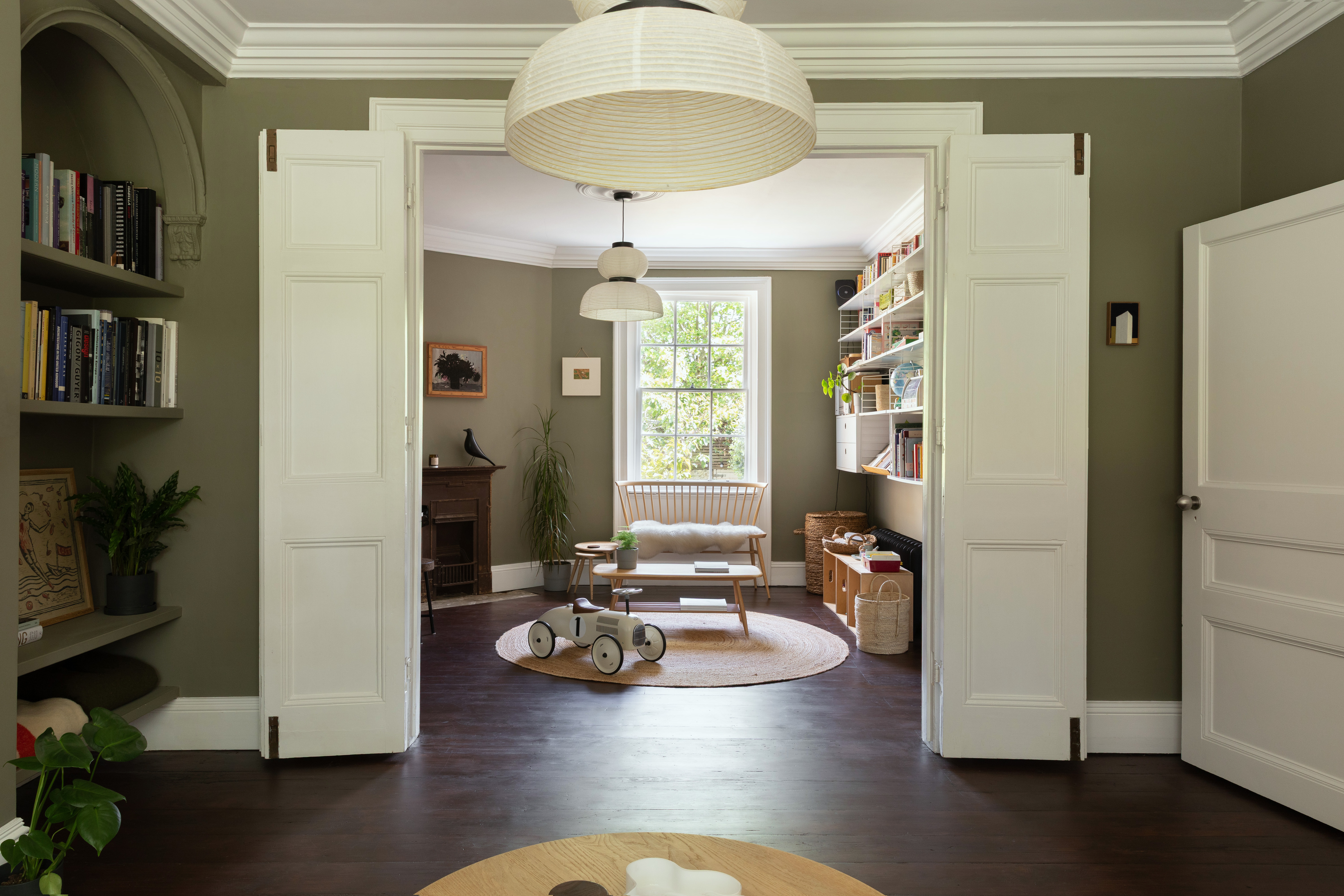
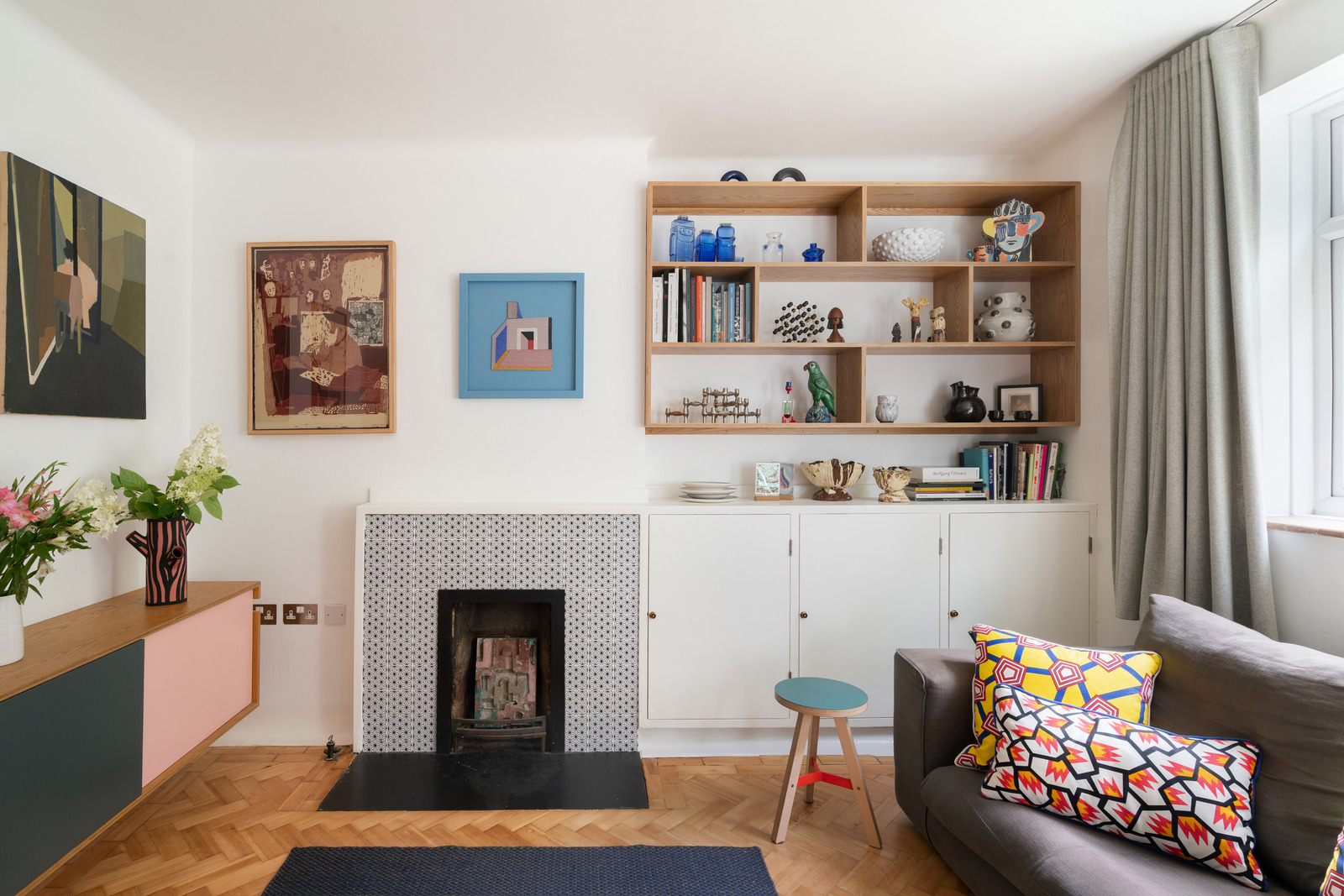
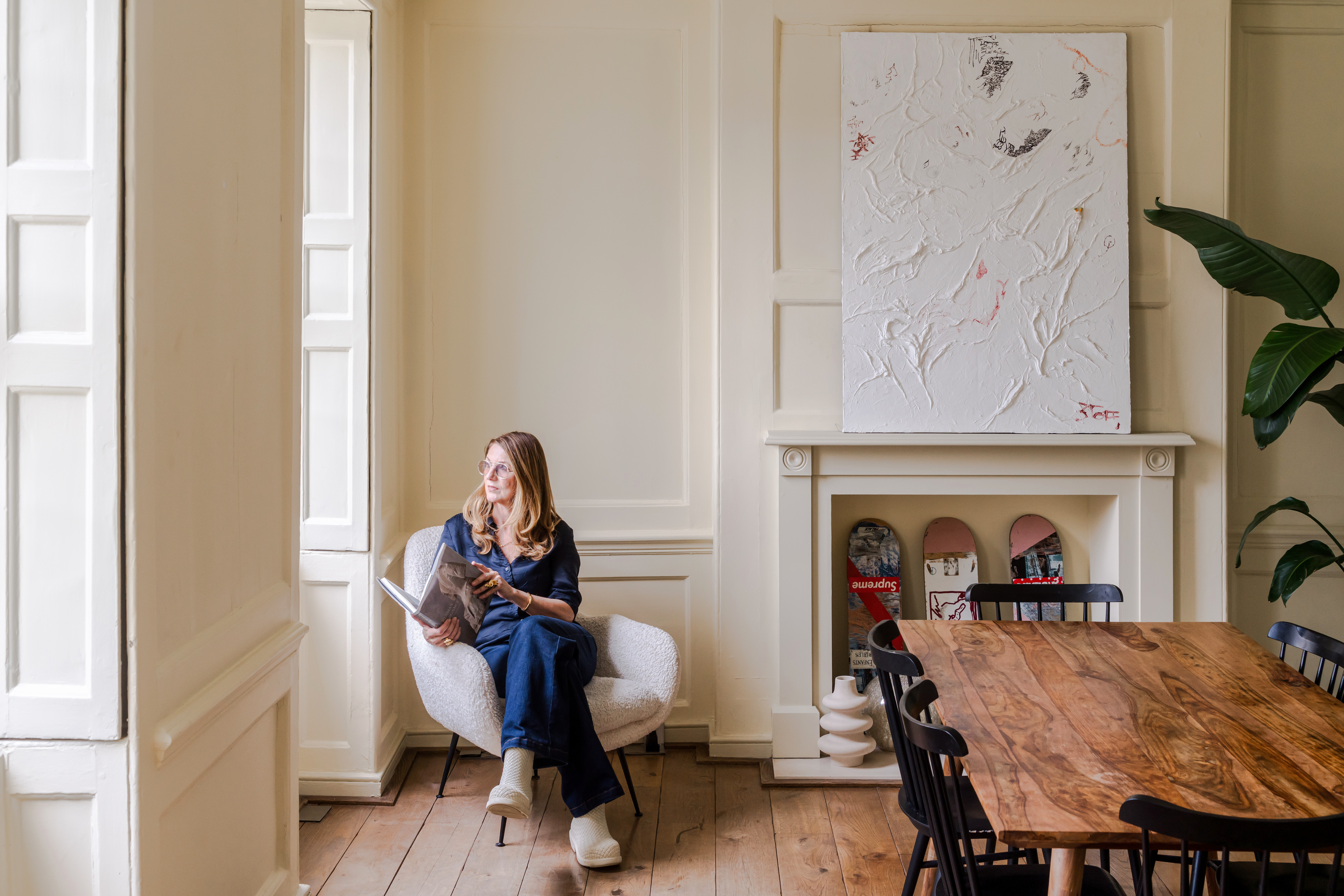
“The spare bedroom, with the William Morris wallpaper, is an homage to his tea room and to the Arts and Crafts movement; the living room, meanwhile, is a place for contemplation and is consequently much calmer, installed with quiet 18th-century-style panelling. The Jewel Box Room is quite the opposite: high colour, exuberance and expression, which are things I’ve often explored in my sculpture and furniture. Upstairs, we’ve a little room that’s just for sitting and reading; one of my absolute bugbears in gardens is not having enough places to sit and enjoy the moment. It’s why I’m so keen on architecture within them.
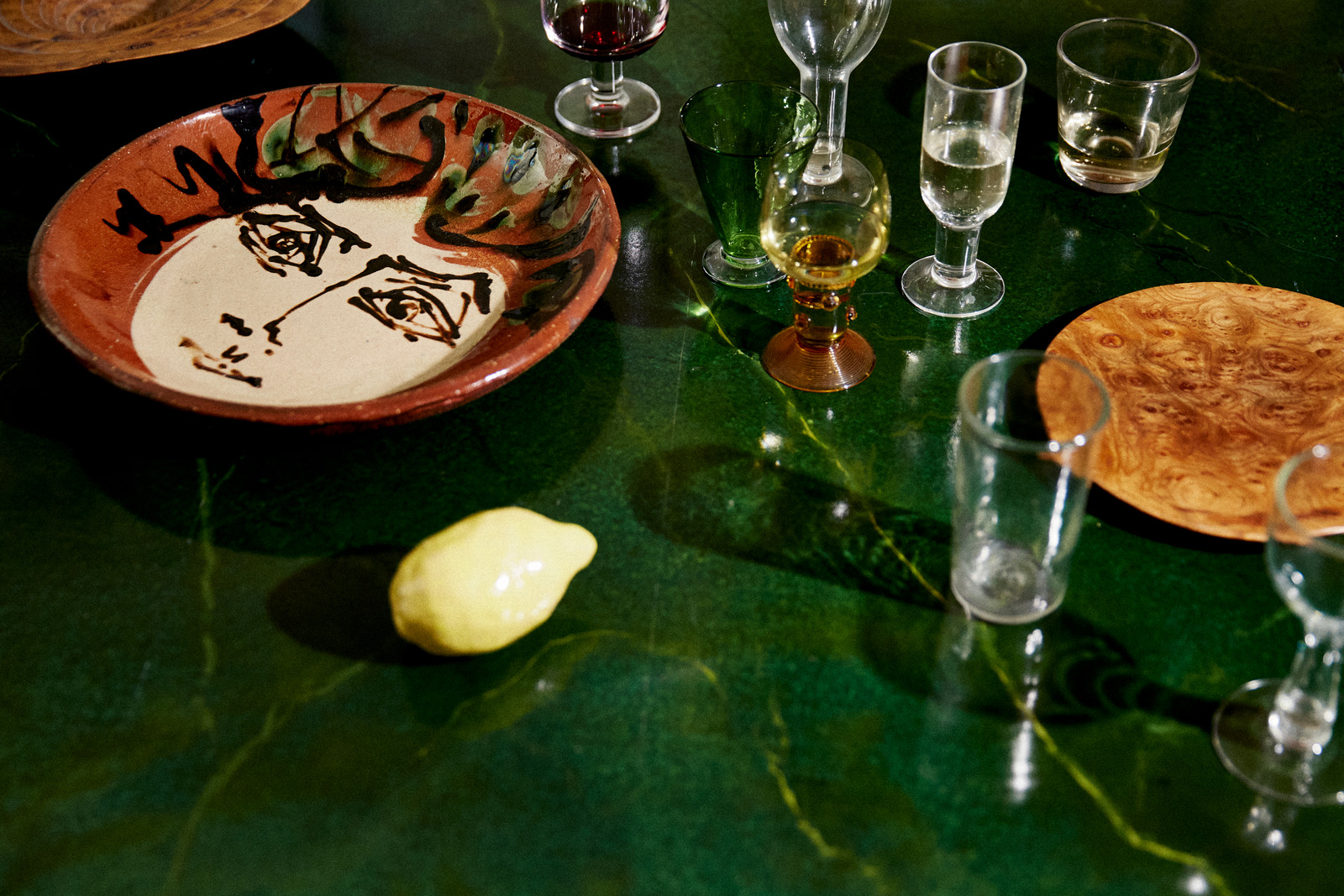
“All the rooms in the house have places to display things. The urge to collect, arrange and display is wonderfully childish and I think it’s important we don’t lose it, just as I feel that dancing – an essential form of movement and expression that children learn without being taught – must be encouraged in us all so it doesn’t disappear underground. That’s what this house and garden are all about. They’re also about coming together, shared spaces for gathering. Community and togetherness are so important to us as a species.
“The garden is finished now. I will cherish the memories of it, but I’ve got other creative projects I want to do. I’ve an idea for a pageant of sorts – I’m not sure if it’s an opera or a dance or an exhibition – and I’d like to do up another house, making the building a performance as much as the garden. I want to create a place that can make you a different person once you’ve experienced it, just as art has taken me to new realms. Knowing we as humans have the resources within us to do that is just so exciting.”