Light bulb moment: the late British modernist Sir Kenneth Grange's Devonshire farm, now for sale
July 7th, 2025
This article is more than a year old and may contain information that is out of date. Sorry about that.
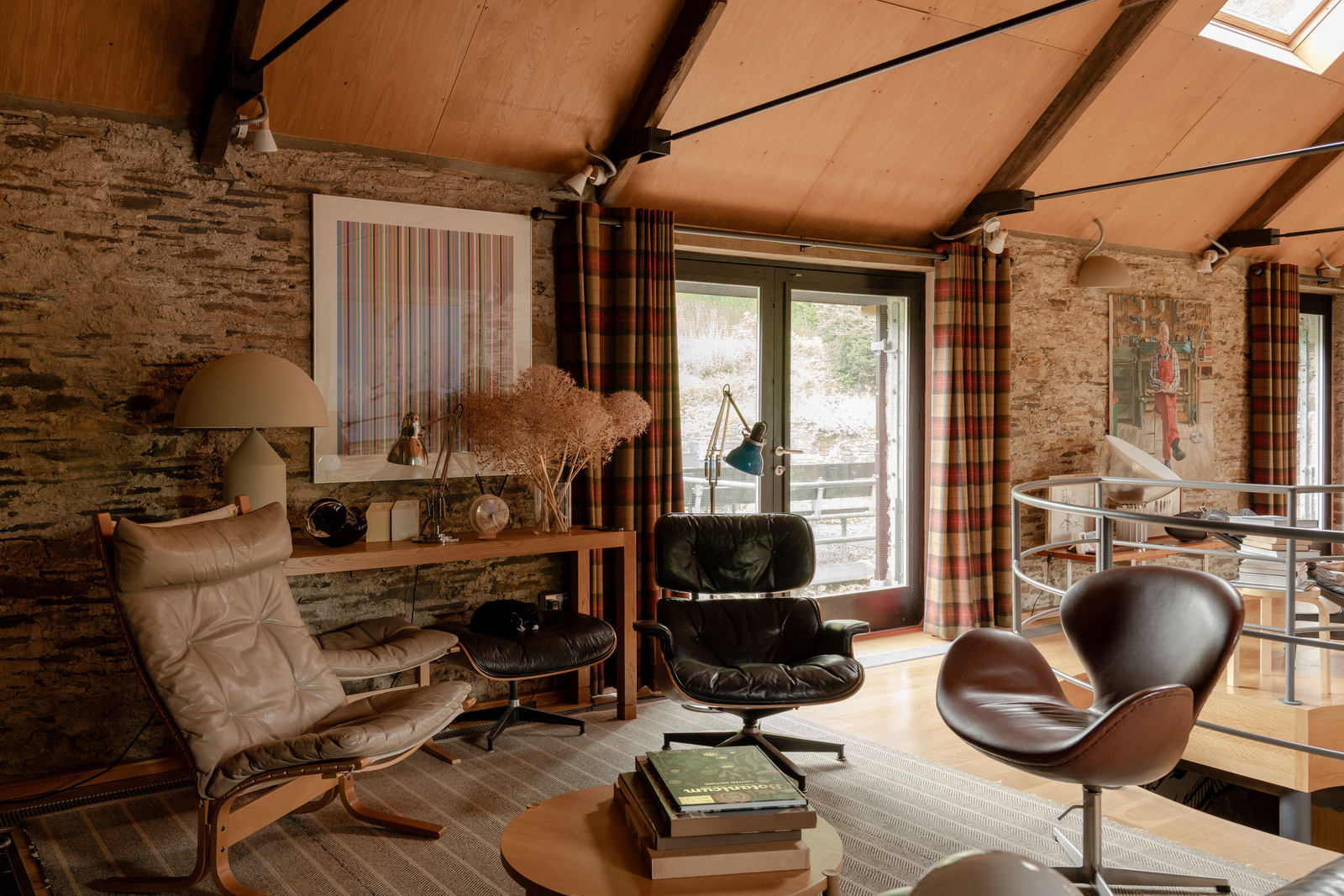
Words Dominic Bradbury
Architectural photography Neil Perry
Portrait Andy Sewell
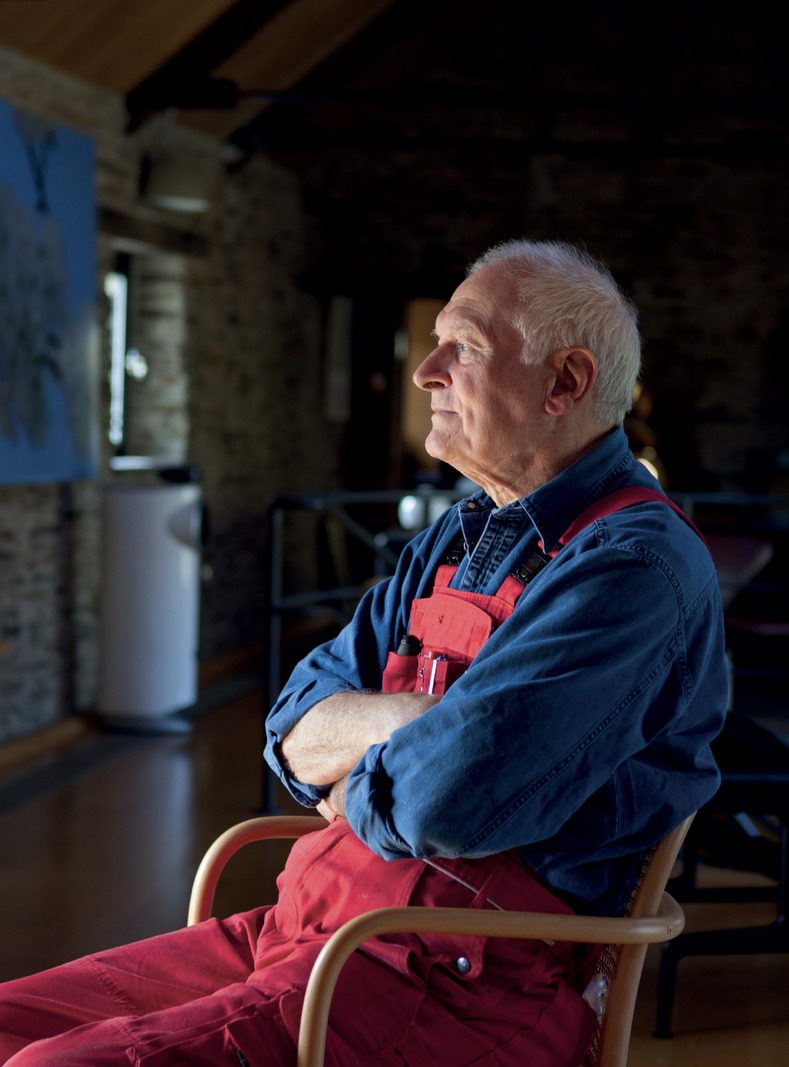
One of the most striking things about Sir Kenneth Grange is the breadth and depth of his work. Throughout a long and highly productive career, Britain’s best-known industrial designer was responsible for everything from Parker pens to the InterCity 125. There were cameras for Kodak, bus shelters and modular bathrooms, as well as Anglepoise lamps and Kenwood Chefs. One of his personal projects, which has just come onto the market, was a barn conversion in Devon for himself and his wife, Apryl, who he first met at Pentagram, the multi-disciplinary practice where Grange was a co-founder and partner.
“He never really stopped working, and he always had things that he wanted to make and do,” says Apryl Grange. “With the barn, he loved being hands-on and getting his hands dirty. He even bought a tractor and started digging and excavating – he loved all of that. He put in decking around the back, and I remember him doing that on New Year’s Eve in the slush and the snow. It was good fun, and the barn itself is a very easy place to live in because you don’t need lots of extra furniture and other things around you. It’s all here.”
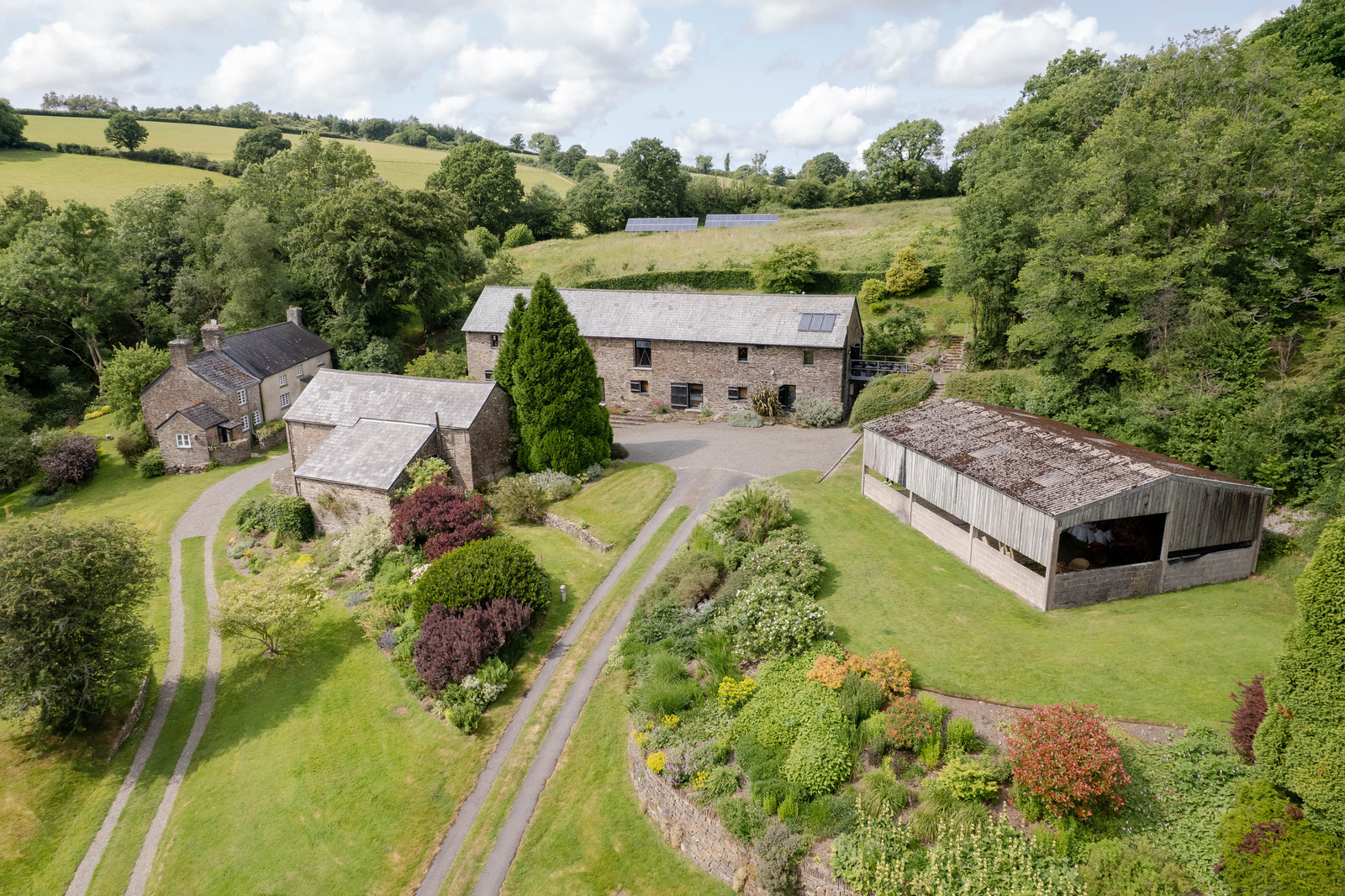
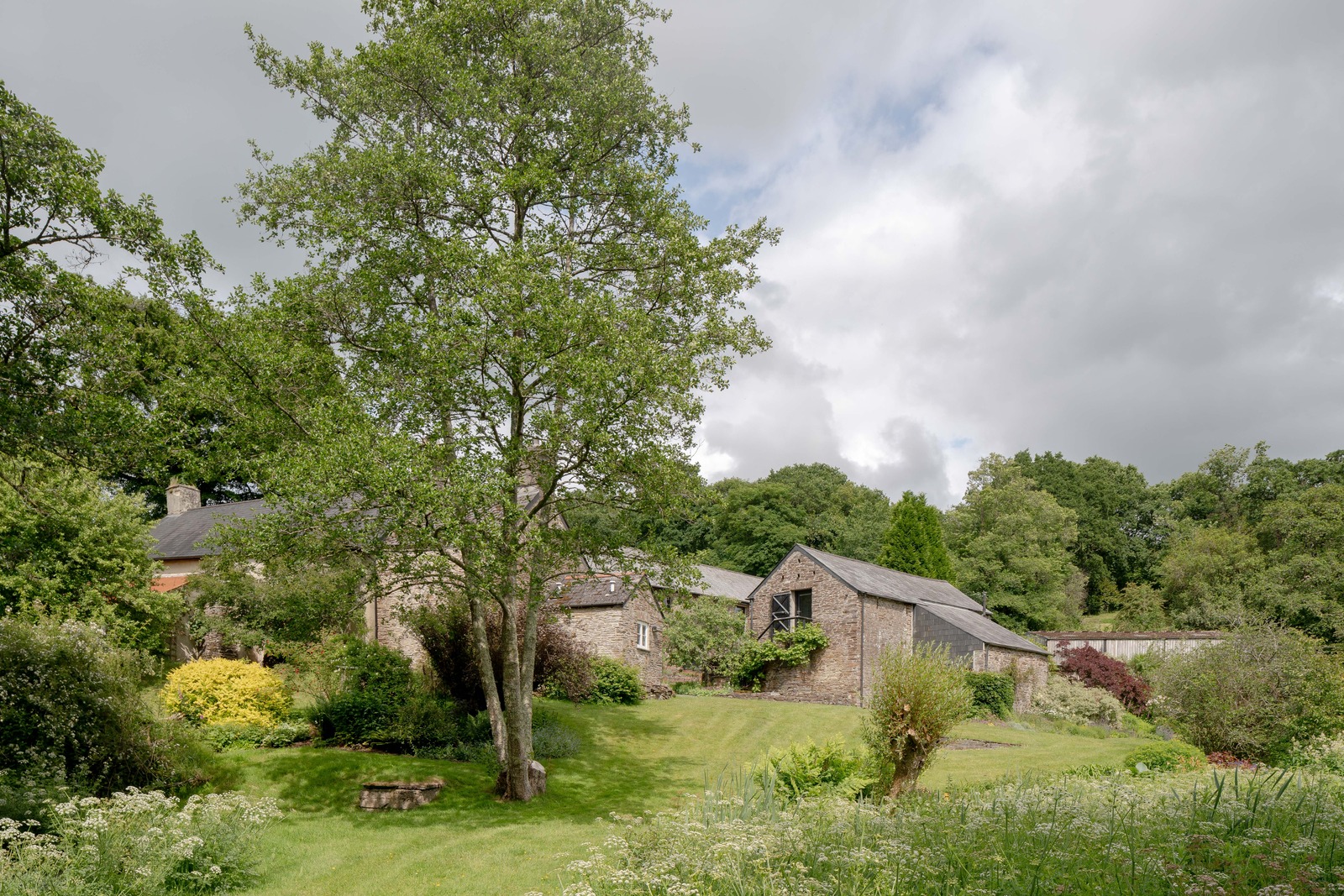
Kenneth and Apryl bought the stone barn, outbuildings and 37 acres of woodland and pasture in 1991, after a friend who had bought the surrounding estate introduced them to Devon and the former farmstead. At the time, Kenneth was still working with Pentagram in London, where the couple were largely based, but he was tempted by the idea of another kind of project out in the countryside.
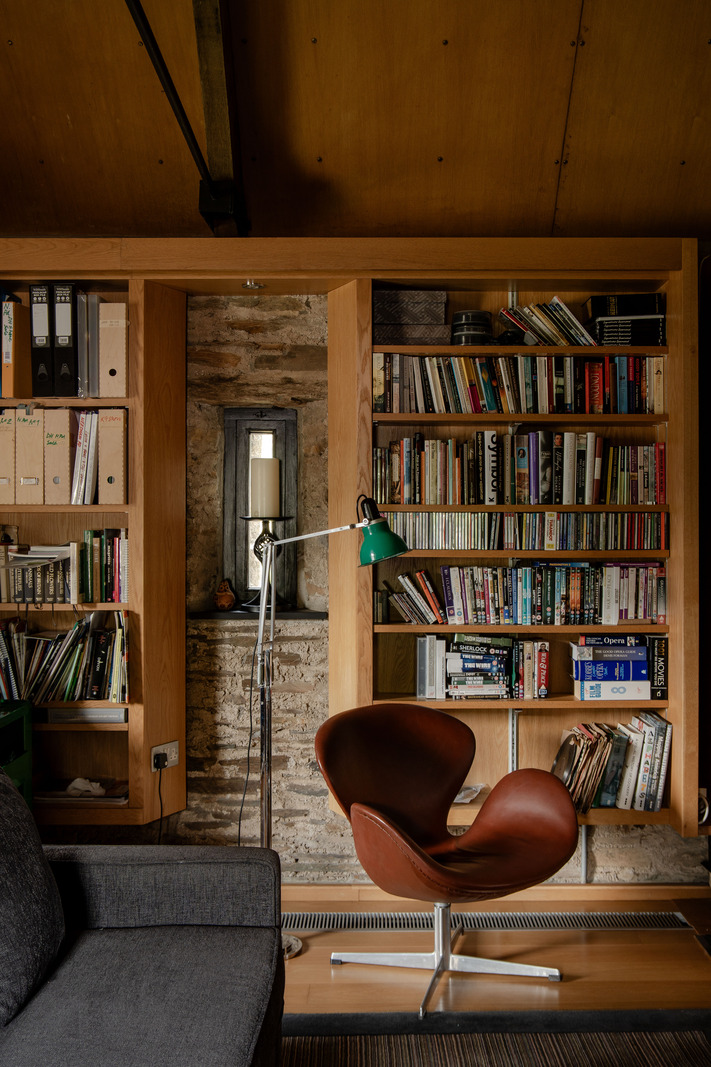
“We went down this long lane, all leafy and green, and it opened out at the other end where we found this enormous, 96-foot-long barn, which was built around 1900,” says Apryl. “It looked so romantic and lovely in the April sunshine, with all the primroses, bluebells and violets. It looked wonderful, if a little unloved and derelict. Afterwards, we said ‘what a wonderful project for someone’, but before we knew it, we were saying ‘we’ll do it’. It was an emotional purchase.”
The setting, with Tamar Valley to the south and Dartmoor National Park to the east, is certainly sublime, yet the project did present the couple with certain challenges. The original barn was decidedly beautiful, but it was derelict and had no electricity supply, which took around five years to install. In the meantime, the couple would come down from London as often as they could and ‘camp out’ at the farm.
“Ken loved to have conundrums to sort out, and he just thought it was a terrific thing to get his teeth into,” explains Apryl. “Also, we were desperately running out of space at the house in London, and we just had too much stuff. So we thought the barn would give us the room that we needed.
“He was still working, so it took a very long time because he really didn’t want to hand it over to a building firm, and it used to be these quick trips down. He thought it would all move too quickly without him being able to oversee it, and so we had a friend of a friend working on it with Ken, and he would come every day from Cornwall. Things moved very slowly, but Ken was able to keep on top of whatever happened, and if there was a problem, it was easily fixed.”
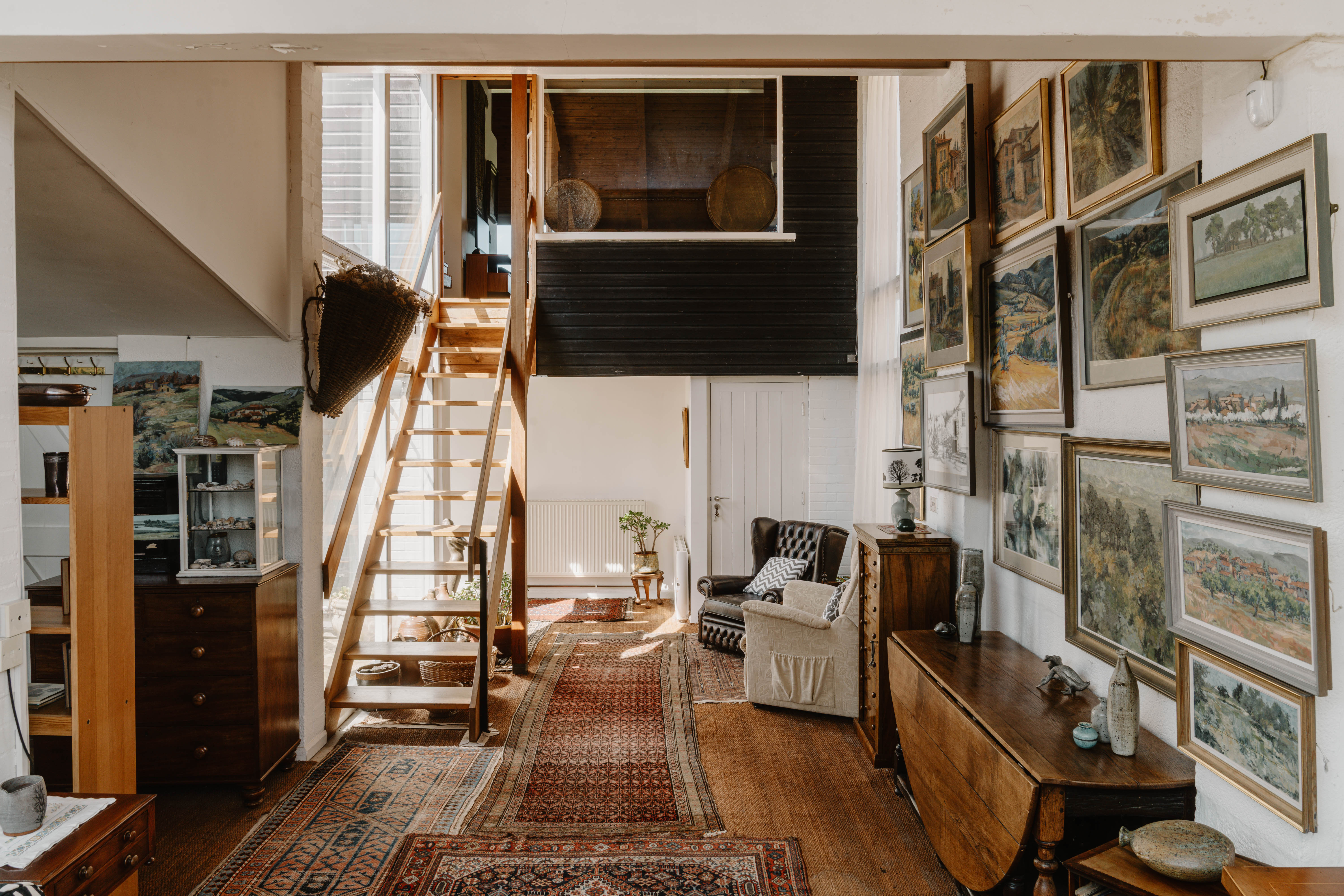
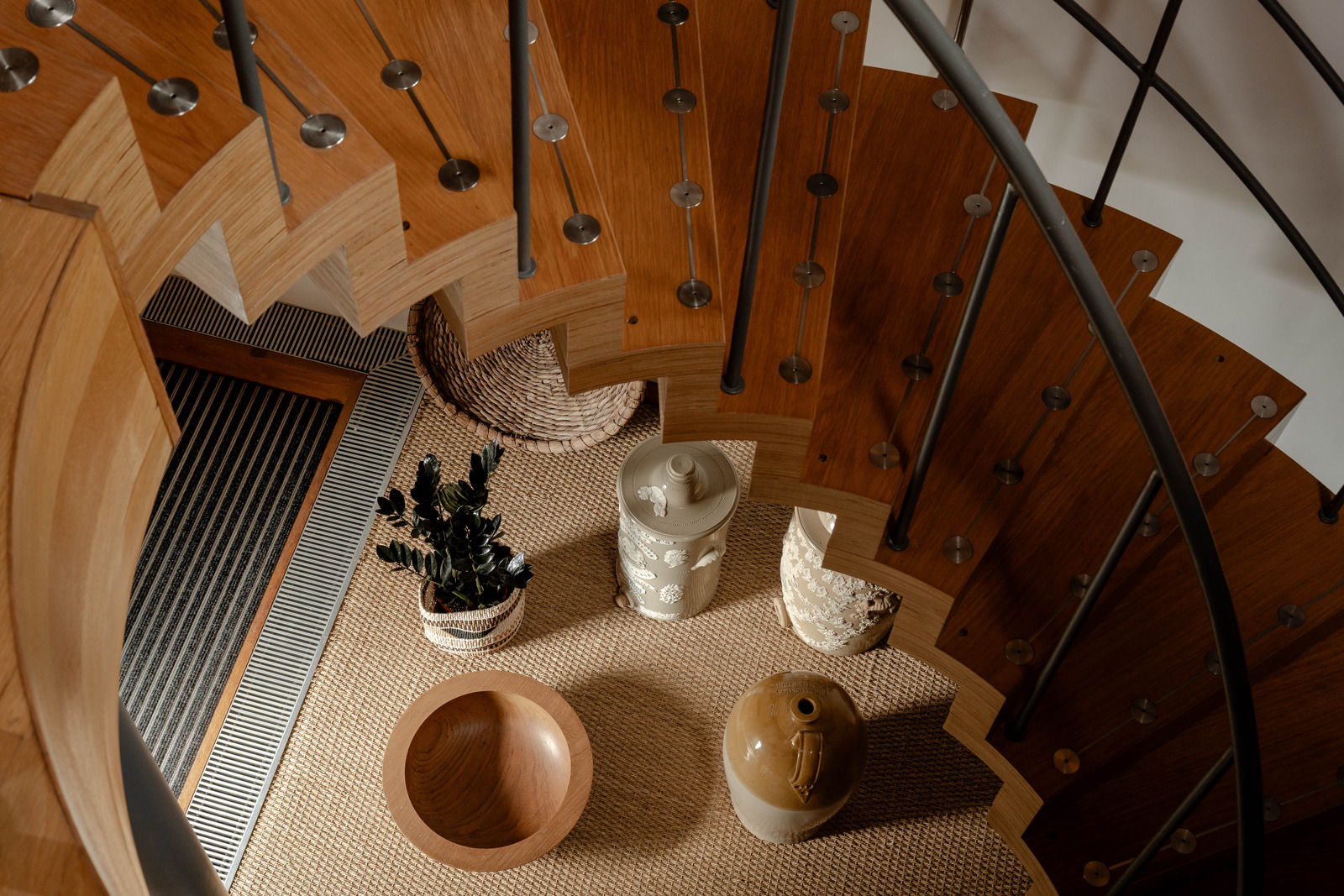
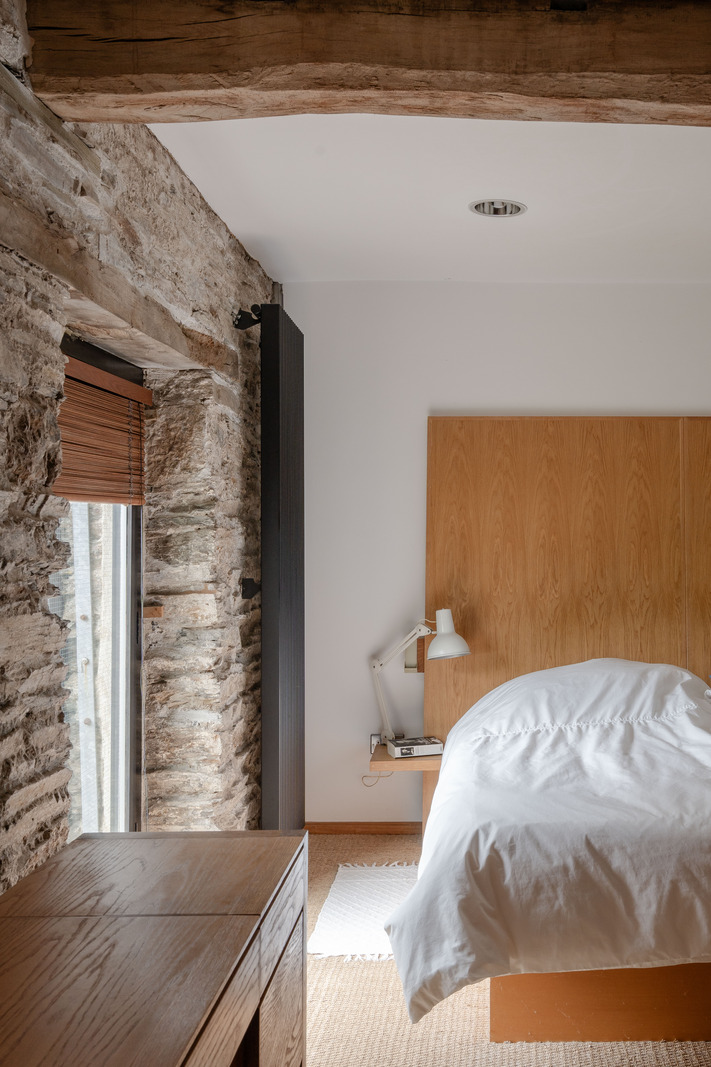
Early on, the couple decided to place four bedrooms and two bathrooms on the ground floor of the barn while leaving the upper level as open as possible. A bespoke spiral staircase links the two floors, with the upstairs devoted to a spacious seating area at one end, the kitchen/dining area towards the centre and a semi-enclosed kitchen at the other end, supplemented by a separate pantry and utility room.
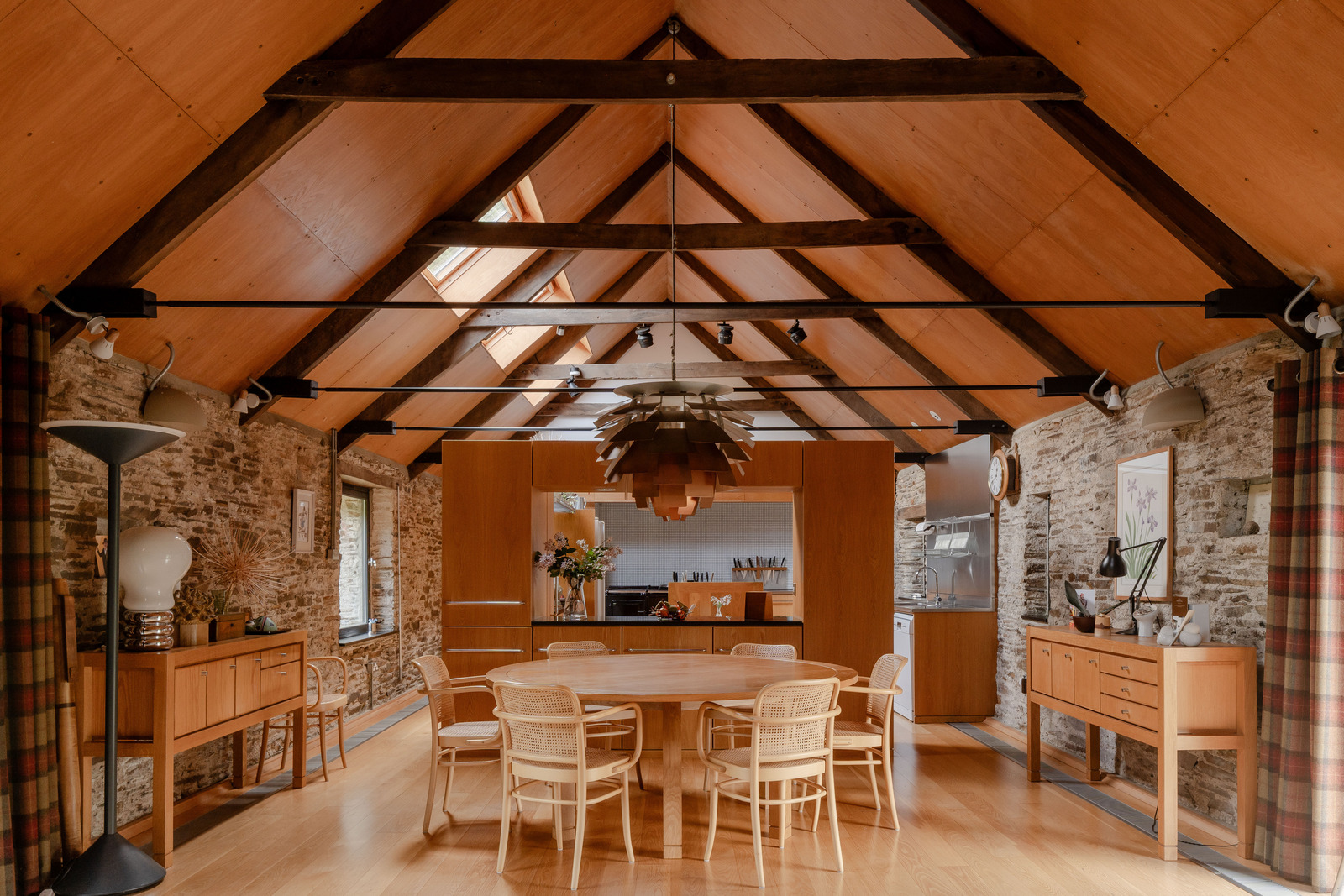
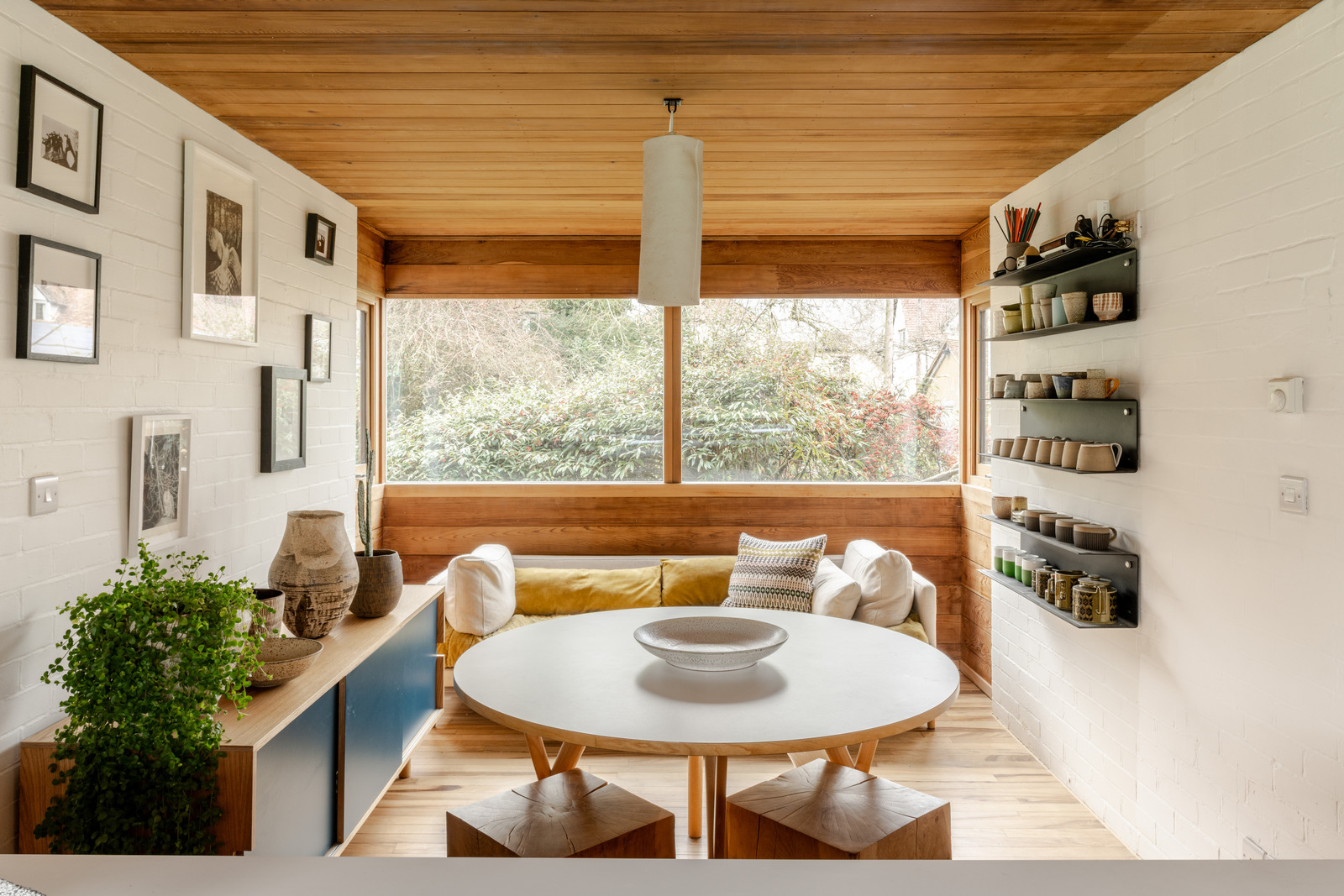
The idea of a ‘Great Room’ meant that they could hold onto a barn-like feeling of space and volume, with high-pitched ceilings punctuated by skylights that bring in additional light, complementing the windows, which frame the views out over the surrounding landscape.
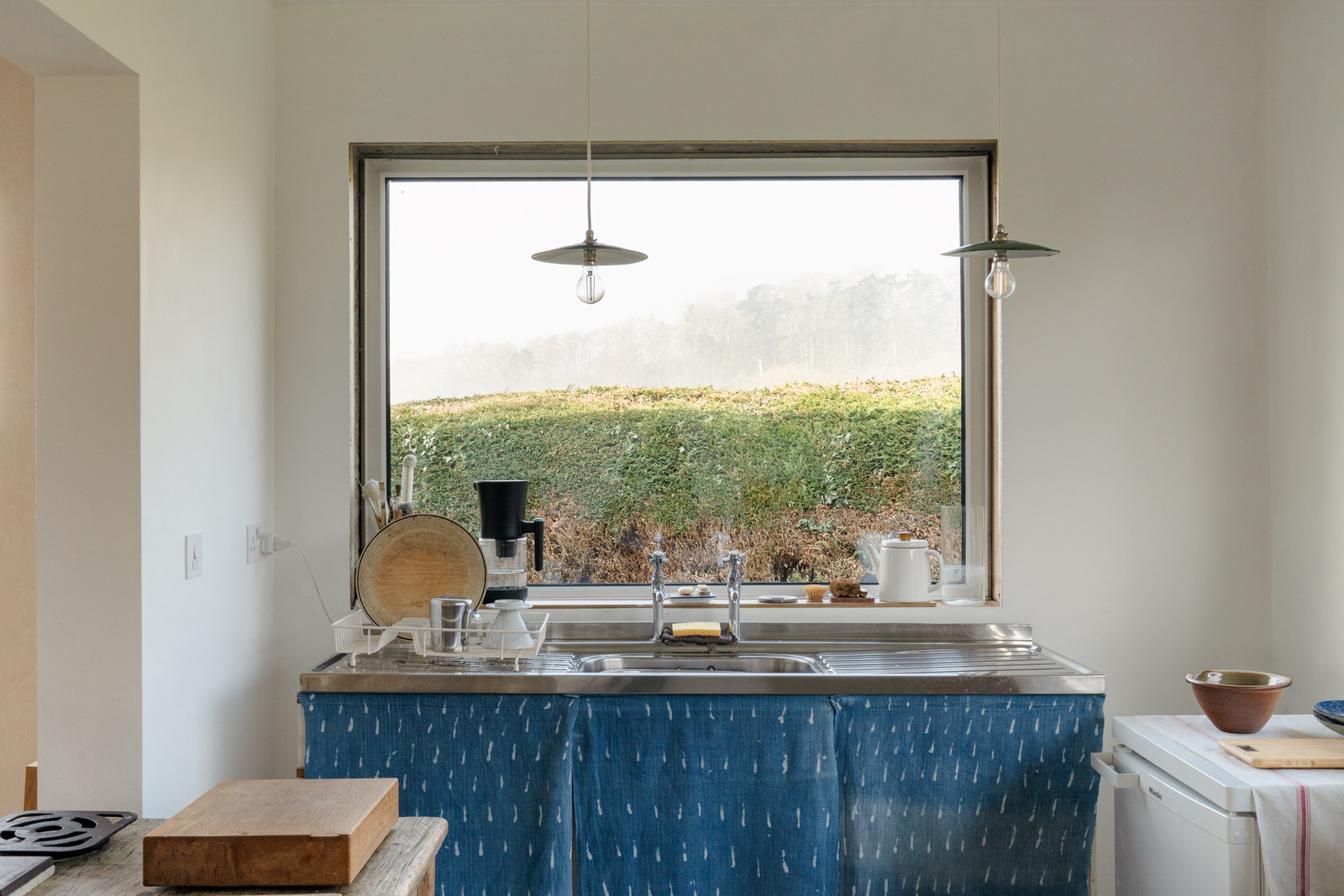
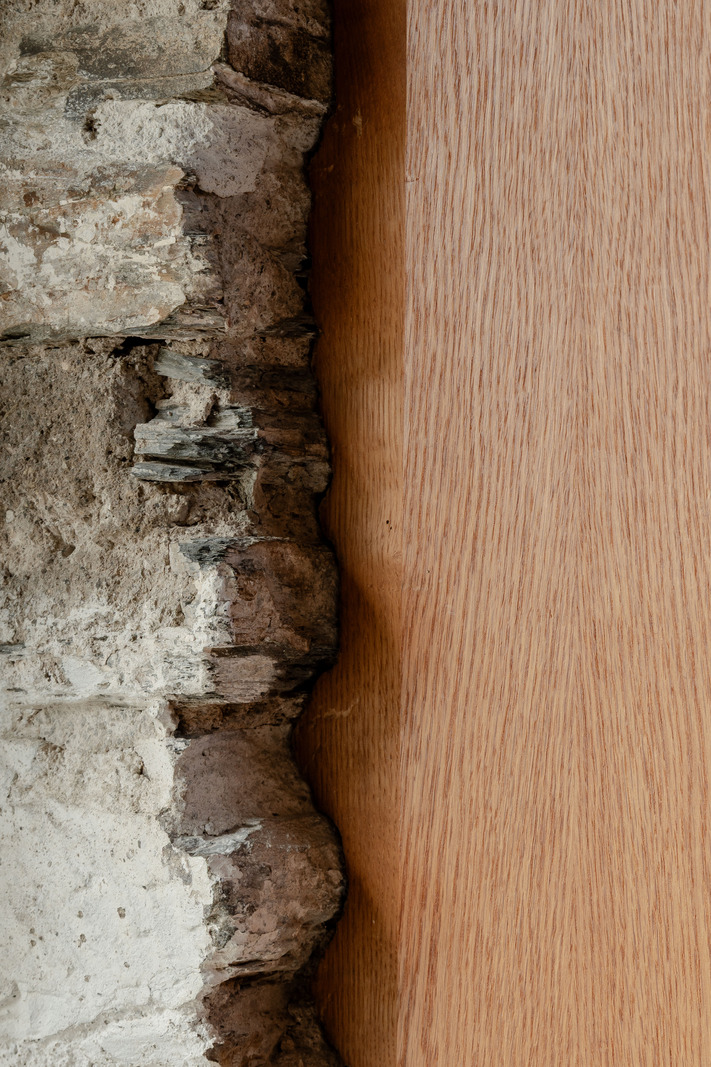
Kenneth opted for laminated oak floors and panelled plywood ceiling in oak veneer, with these natural textures sitting well with the characterful stone walls and exposed beams. He designed the custom kitchen as an installation floating within this open space, creating an enclosure made up of cupboards and storage units, but one with a large serving hatch to the dining area and easy connections to the Aga alongside, which was placed against one of the stone walls.
“I was a demanding client, but we were a good combination,” says Apryl. “Ken would think in a very practical way, in terms of engineering and the making of things, but he didn’t always see it from the point of view of someone looking after it and cleaning it. I’m very sad to be leaving all the things that we did at the barn, because I have never had a kitchen that was so well organised.”
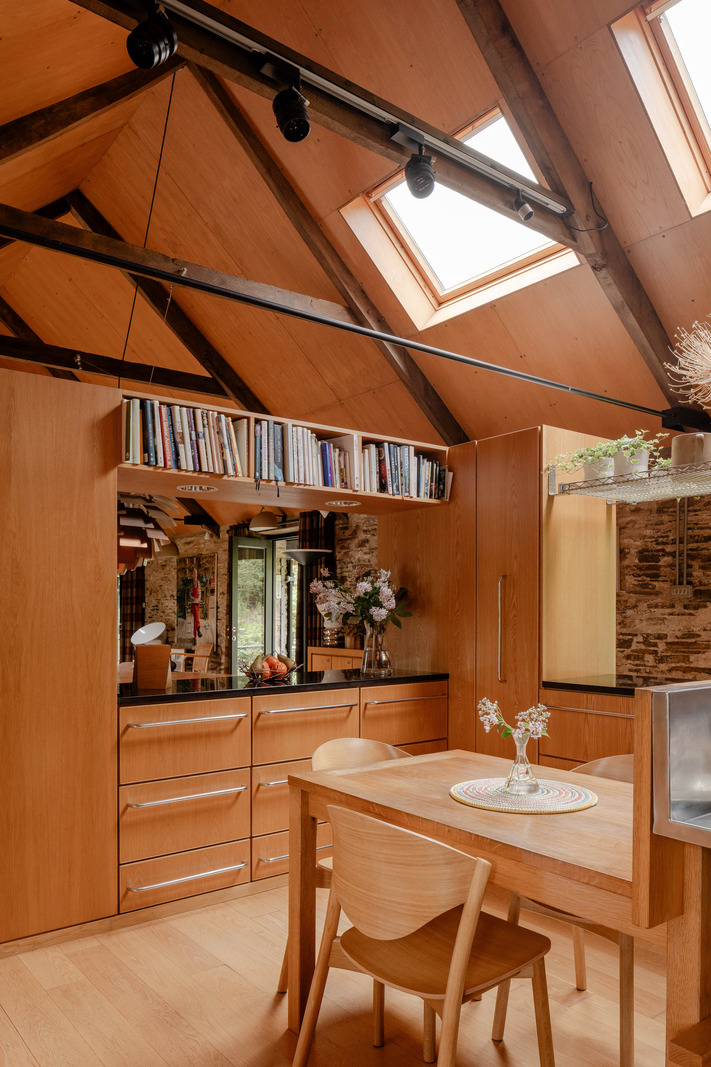
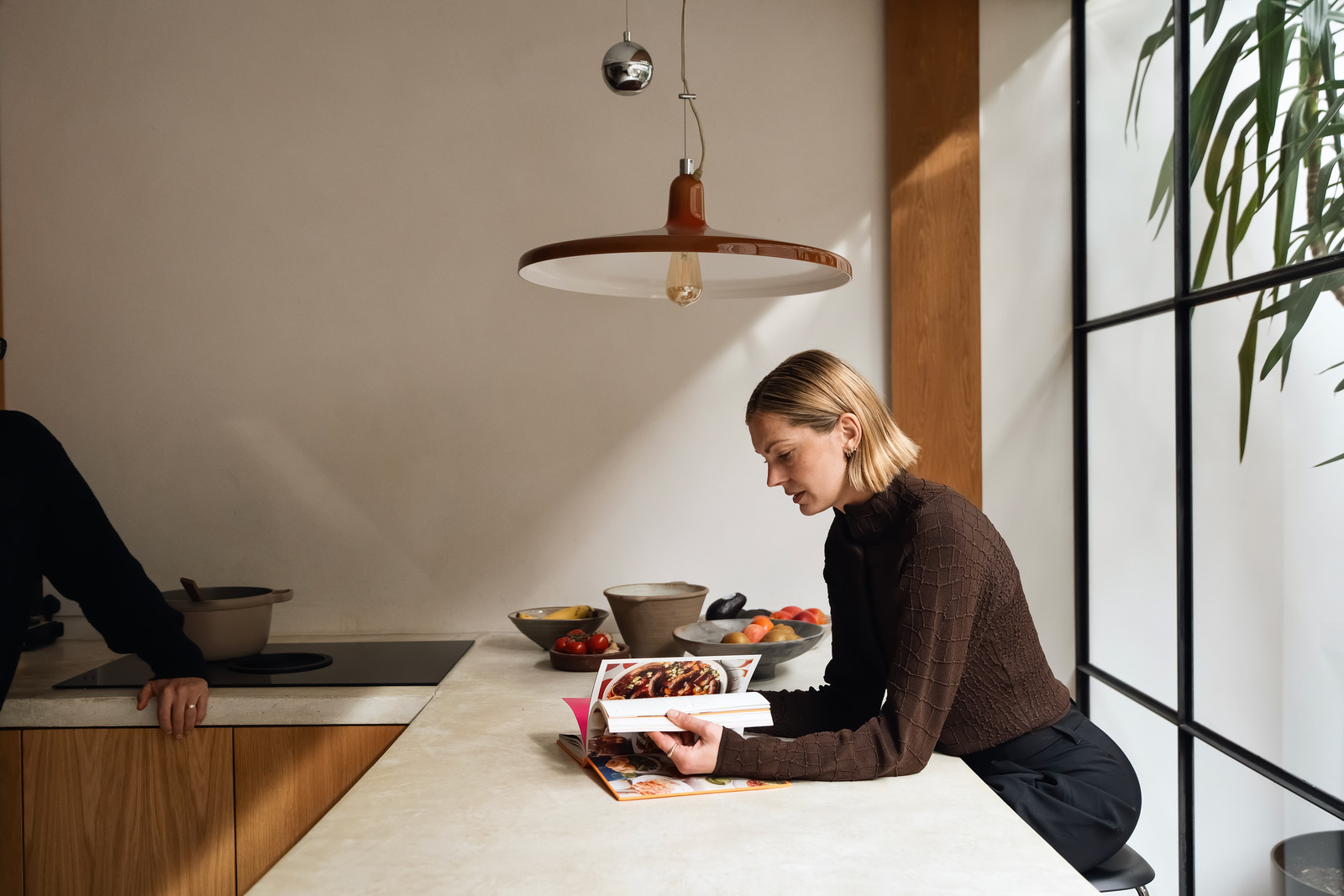
They wove mid-century pieces into the mix, including Poul Henningsen’s Artichoke lamp floating over the custom dining table, which is surrounded by Thonet Bentwood chairs. Kenneth brought the lamp back from a trip to Copenhagen, and it was, according to Apryl, one of his favourite pieces, encapsulating the kind of wit, artistry and practicality that he admired in Scandinavian mid-century design.
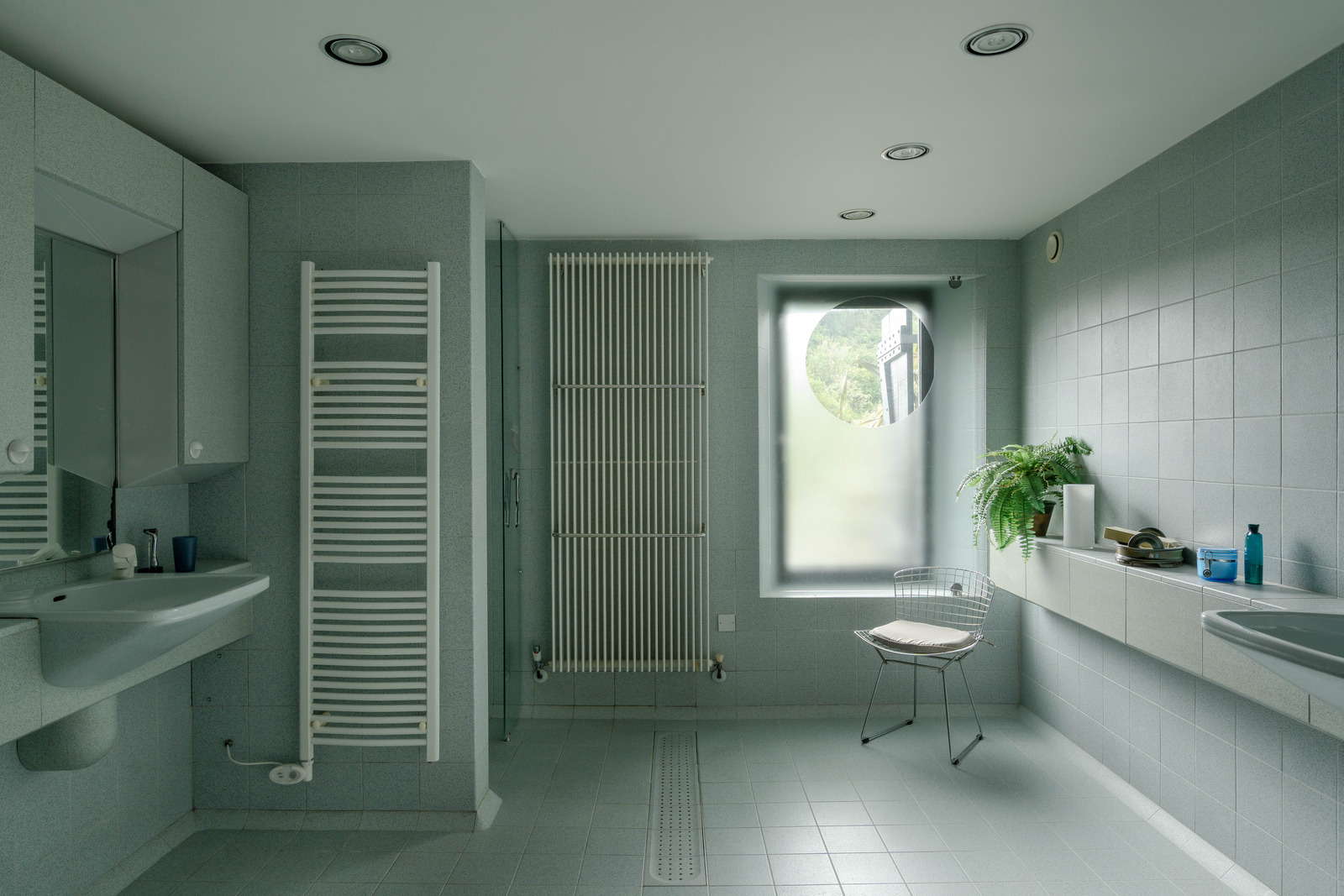
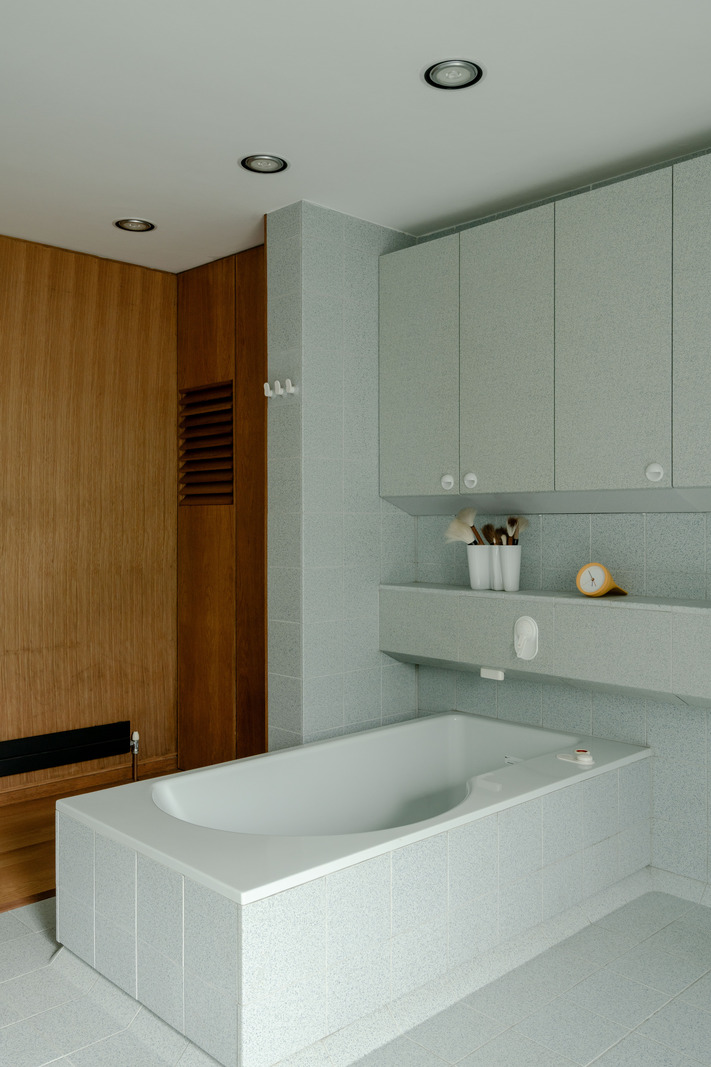
Another eye-catching element, designed by Kenneth, is the modular bathroom on the ground floor, sitting alongside the master bedroom. The KG Bathroom was a commission from the ceramicware and tile producers Inax, based in Japan, who then shipped the entire kit to Devon for installation in the barn. It is, in itself, an inspirational collector’s piece.
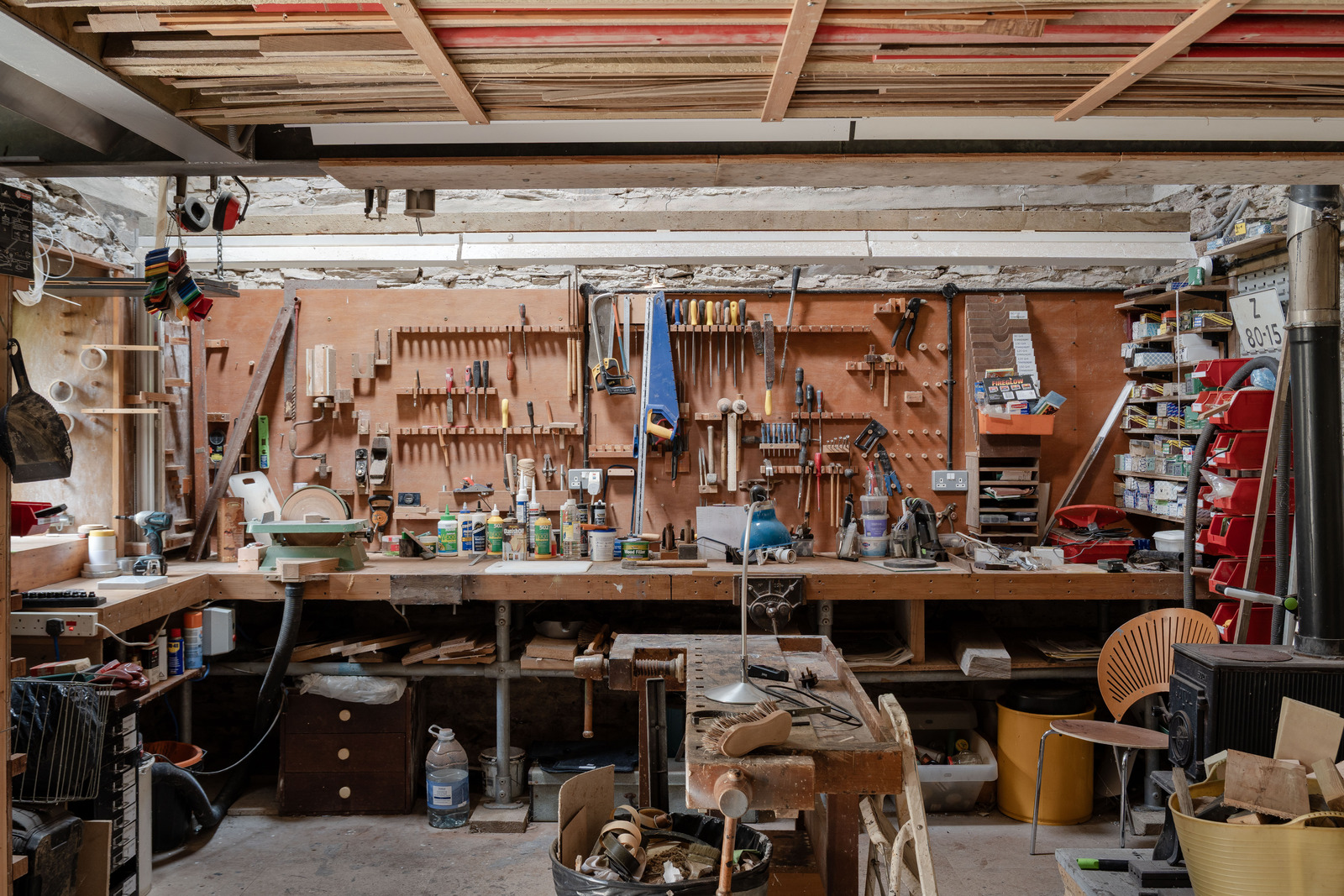
Kenneth used the well-equipped workshop next door to develop several designs during his freelance phase after leaving Pentagram in 1997. Among them was an ergonomic chair for Hitch Mylius, which was included in the extensive archive of designs and prototypes that the Granges donated to the Victoria & Albert Museum, now held at the Storehouse at V&A East. Other Kenneth Grange designs were well used at the barn, from his Anglepoise lamps to his Kenwood kitchen gadgets, while Kenneth’s innovative and thoughtful products also found their way into millions of other British homes.
“I can only say that modernism has shaped my life and my designs, which in turn have helped to shape the life of modern Britain,” said Kenneth, who passed away last year [2024], in one of the two monographs devoted to his work. “At the outset, if you were lucky and were the right age in the right place, you could be swept up into what was indeed a thrilling, dynamic enterprise.”